Platycerium Spore Propagation: A Breeding Guide from Gametophyte to Plantlet
Platycerium spore propagation is a fern-specific multiplication method distinct from seed sowing. This guide explains the progression from gametophyte through fertilization to plantlet formation, along with seeding procedures using sterile substrate.

Key Takeaways
Platycerium spore propagation is a fern-specific multiplication method distinct from seed sowing. This guide explains the progression from gametophyte through fertilization to plantlet formation, along with seeding procedures using sterile substrate.
Related Species
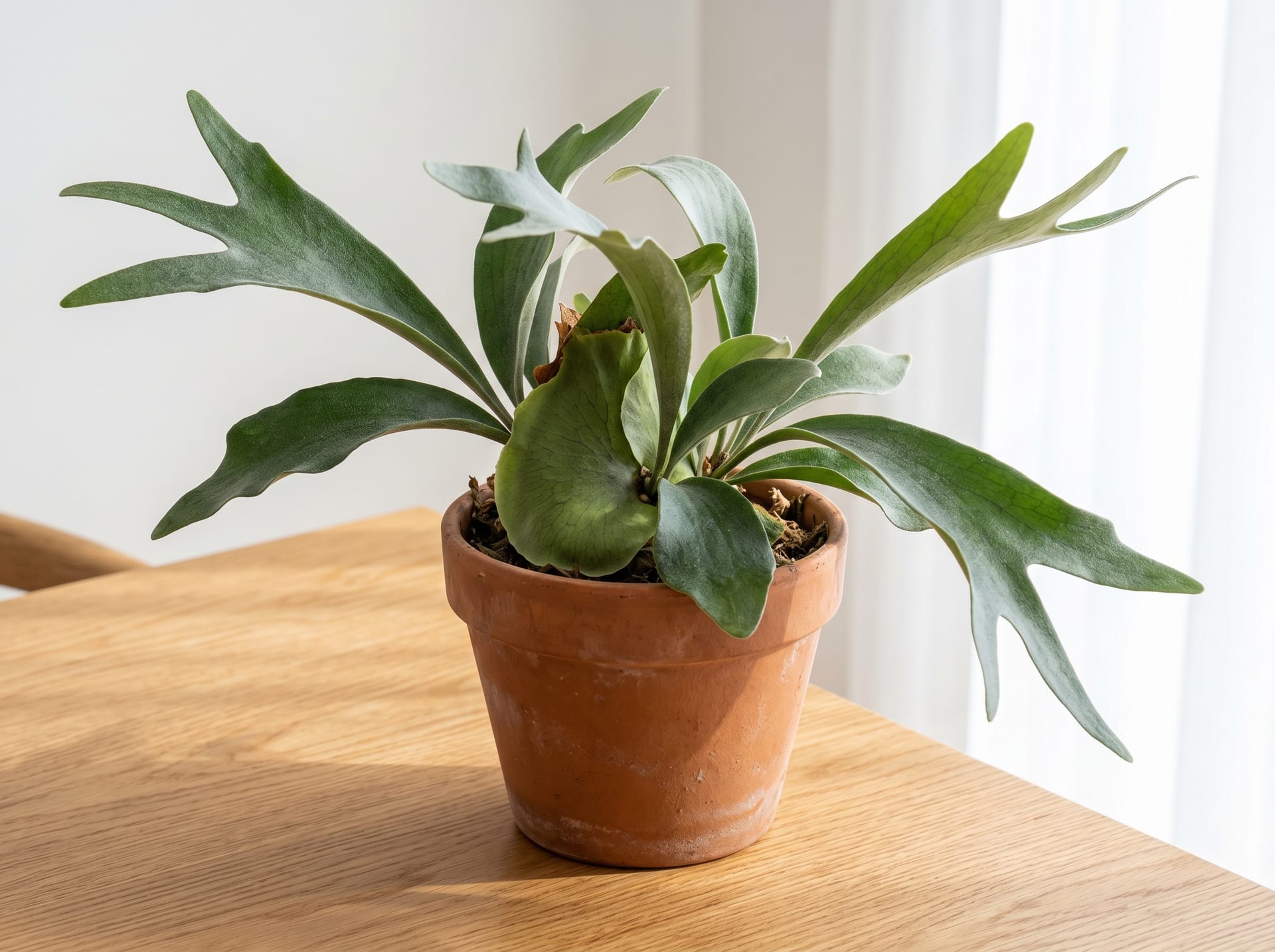
Growing Plantlets from Spores: An Alternative Approach
Platycerium spore propagation is a well-known method for increasing Platycerium (bat wing fern), standing alongside mounting on wood and division. While mounting involves dividing an existing plant, spore propagation uses the unique life cycle of ferns to create new plants from scratch, much like sowing seed. Although it requires time and effort, it offers the potential to obtain many seedlings at once, making it ideal for those who wish to produce quantities impossible through division, or who wish to enjoy the propagation process itself. Like mosses and other ferns, Platycerium propagates by spores rather than seeds, following a unique growth process distinct from angiosperm seedlings. Understanding this mechanism helps avoid stumbling blocks at each cultivation stage. In particular, becoming able to recognize a mature spore-bearing frond with sporangia densely formed on its underside makes it easier to judge when to harvest spores suitable for sowing.
From Spore to Gametophyte to Plantlet
The life cycle of ferns begins with spores produced by the sporophyte—the plant with fronds that we normally see. When a spore germinates, a small heart-shaped green tissue called a "gametophyte" first develops. The gametophyte is entirely unlike the fern frond, appearing to the naked eye as a small moss-like green spread. The gametophyte develops both male and female reproductive organs, and fertilization occurs when sperm reach the egg while a film of water is present on the surface. When fertilization succeeds, a new sporophyte—the familiar Platycerium plantlet—begins to develop. It typically takes several weeks for spore germination, then several more weeks to months before the gametophyte develops, fertilizes, and produces a visible plantlet. Patient observation until results appear is essential. Watching gametophytes spread like a green carpet in a single container, and witnessing the moment small fronds begin to rise from it, is a unique joy of spore propagation unavailable through division or purchased plants.
Seeding Preparation and Sterile Substrate
The greatest factor determining success in spore propagation is whether a clean environment can be maintained to prevent contamination from bacteria, moss, and algae. Seeding preparation requires attention to the following points.
- Substrate: It is common to use sphagnum moss or peat moss processed to near-sterile condition, reducing microorganisms as much as possible through boiling water disinfection or microwave heat treatment before use
- Container: Use a clear plastic sealed container or similar, spread spores very thinly over the substrate surface, then cover and maintain high humidity
- Location: Avoid direct sunlight; place in a bright location filtered through lace curtains or under a plant growth light
- Watering: Keep the substrate from drying by using capillary watering or similar methods
- Seeding Amount: If too many spores are sown, crowding can cause damping-off and mold; keep the amount to a thin, even distribution across the substrate surface
Maintaining a clean environment is the most important factor in growing gametophytes and preventing loss to competition from moss and bacteria.
Gametophyte Management and Thinning
Once gametophytes begin to develop, manage them carefully in a sealed container, maintaining high humidity and moderate light while preventing drying. At this stage they remain extremely delicate, wilting quickly if exposed to drought or strong light, so minimize opening the lid. If gametophytes become too crowded, fertilization success drops and growth becomes stunted by competition. Thinning as needed and maintaining adequate spacing is a key to improving success rates. Once plantlets become visible, begin the "acclimation" process, gradually reducing humidity while introducing outside air. Rushing this stage risks death from desiccation, so gradually extend the time the lid is opened over several weeks, slowly changing the environment. If leaf tip wilting appears during acclimation, avoid extending air exposure time; return to humid conditions and observe, adjusting flexibly to the plant's response.
Hybridization in Spore Propagation
Platycerium hybridization occurs at the gametophyte stage, not through spore transfer. When sperm from one gametophyte swim across a water film to reach the egg of another gametophyte, a plantlet inheriting traits from both parents is born. In other words, to aim for hybridization, the parents must be mixed at the seeding stage.
- Mixed Seeding: Mix and thinly sow spores from two species (or two plants) in the same container. When gametophytes develop side by side and are connected by a water film, cross-fertilization occurs
- Adjacent Seeding: Divide the container and sow two species side by side, leaving the possibility for hybrid plantlets to appear where gametophytes meet near the boundary
- Maintain Water Film: Fertilization only occurs while water is present on the surface. During gametophyte spread, mist the surface regularly to keep it moist
However, among plantlets from the same container, which are hybrids and which are self-fertilized offspring matching the parent cannot be distinguished until frond shape develops. This is because gametophytes possess both male and female organs, so self-fertilization also occurs simultaneously. As plantlets develop, compare frond shape and the divisions of the water-collecting fronds with the parents, selecting individuals displaying intermediate characteristics. Most hybrid varieties marked as "◯◯ × △△" in the market are propagated through division or micropropagation of such selected individuals.
Establishing Independent Plants and Future Care
Once plantlets reach sufficient size and develop their own roots, pot or mount them individually and grow as independent plants. Platycerium (bat wing fern) has two types of fronds with different properties: fertile fronds and sterile fronds. When mounting, it is best to refer to the methods in the Platycerium Mounting Complete Guide. Seedlings from spore propagation take longer to reach maturity than those from division or purchased plants, but offer the satisfaction of witnessing every step from germination to independence firsthand. Observing the differences in growth among sibling plantlets from the same spore is another unique pleasure of this propagation method. After becoming independent, manage as with normal seedlings: maintain bright shade and adequate humidity while patiently growing until the water-collecting fronds fully cover the pot or mount. As growth progresses, the plant's individual character becomes increasingly apparent.
Summary
Platycerium spore propagation is a breeding method that follows the unique life cycle of ferns—from spore germination through gametophyte, fertilization, and plantlet formation. Success depends on sterile substrate, maintaining high humidity, and patient observation. For those with time to spare, we encourage you to try this propagation method, which offers a different perspective on Platycerium ecology from mounting. If you are looking for mature parent plants or plantlets grown from spore propagation, explore grower listings in GrowerDirect's houseplant category.