Growth Speed and Size of Foliage Plants | Guide by Type
Explaining the growth speed and final size estimates of popular foliage plants such as Monstera, Pothos, and Ficus. Also introduces tips for promoting growth through location, watering, and fertilizer.
Key Takeaways
Explaining the growth speed and final size estimates of popular foliage plants such as Monstera, Pothos, and Ficus. Also introduces tips for promoting growth through location, watering, and fertilizer.
Related Species
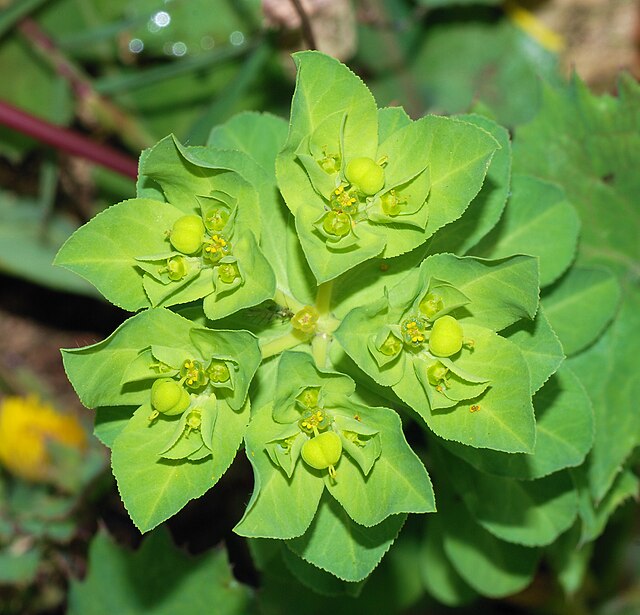
One of the joys of growing foliage plants is observing the moment when new leaves unfold and watching the plant grow little by little. However, we often hear comments like "I never thought the plant I purchased would grow so large" or "It's not growing well."
Growth speed varies greatly depending on the type—some grow only a few centimeters per year, while others grow so vigorously that if left unattended, they might reach the ceiling. Knowing the growth expectations before purchasing makes it much easier to plan placement, choose pot size, and envision future layout. In this article, we'll explain the growth speed and final size estimates for popular varieties.
Growth Speed and Final Size by Type
Fast-Growing Varieties
Monstera is a representative large foliage plant native to tropical America. During the growing season (spring to autumn), it produces one to two new leaves per month and can reach a height of 1.5 to 2 meters indoors. When young, the leaves are oval-shaped without cuts, but as the plant matures, deep cuts and holes (called "fenestrations") appear, creating a dynamic appearance—this is part of its charm. Since it develops a strong root system, repotting is necessary about once every one to two years.
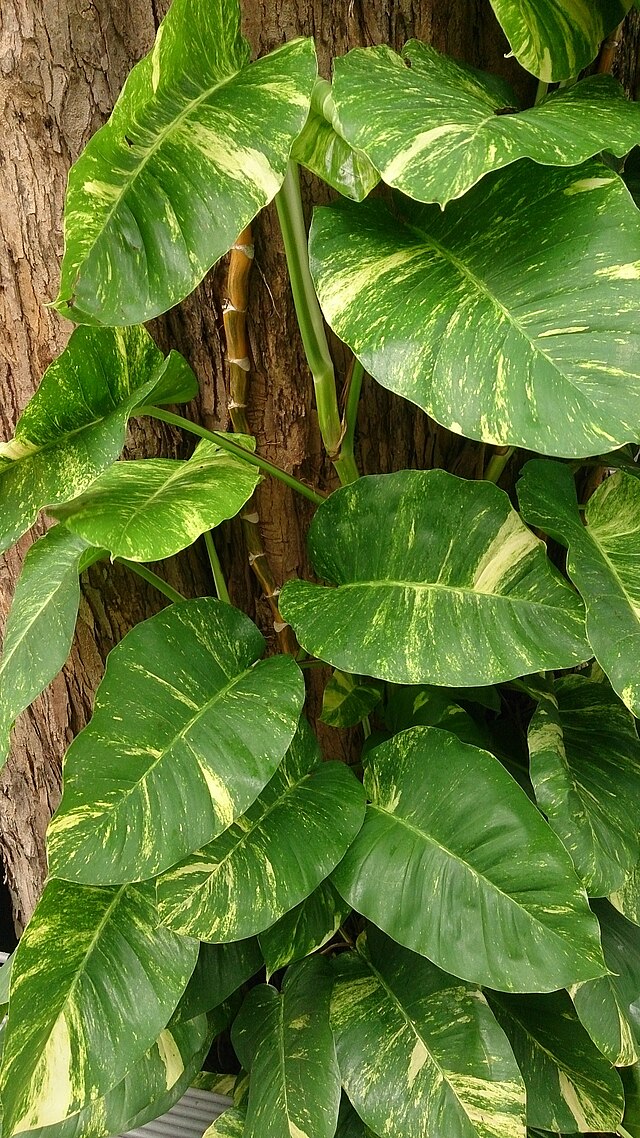
Pothos grows exceptionally fast—during the growing season, its vines can extend more than 30 centimeters in a month. It's versatile in display, whether hung in a trailing basket or trained along moss poles or stakes to match your interior style. While it's highly shade-tolerant and easy to grow even for beginners, it can become uncontrollably overgrown if left untended, so regular pruning is recommended.
Platycerium (Bat Plant) also grows relatively quickly, with its spore leaves (hanging fronds) expanding several times per year. Wall-mounted and driftwood cultivation styles are popular, and some mature specimens can develop fronds up to nearly 1 meter long.
Moderate-Growing Varieties
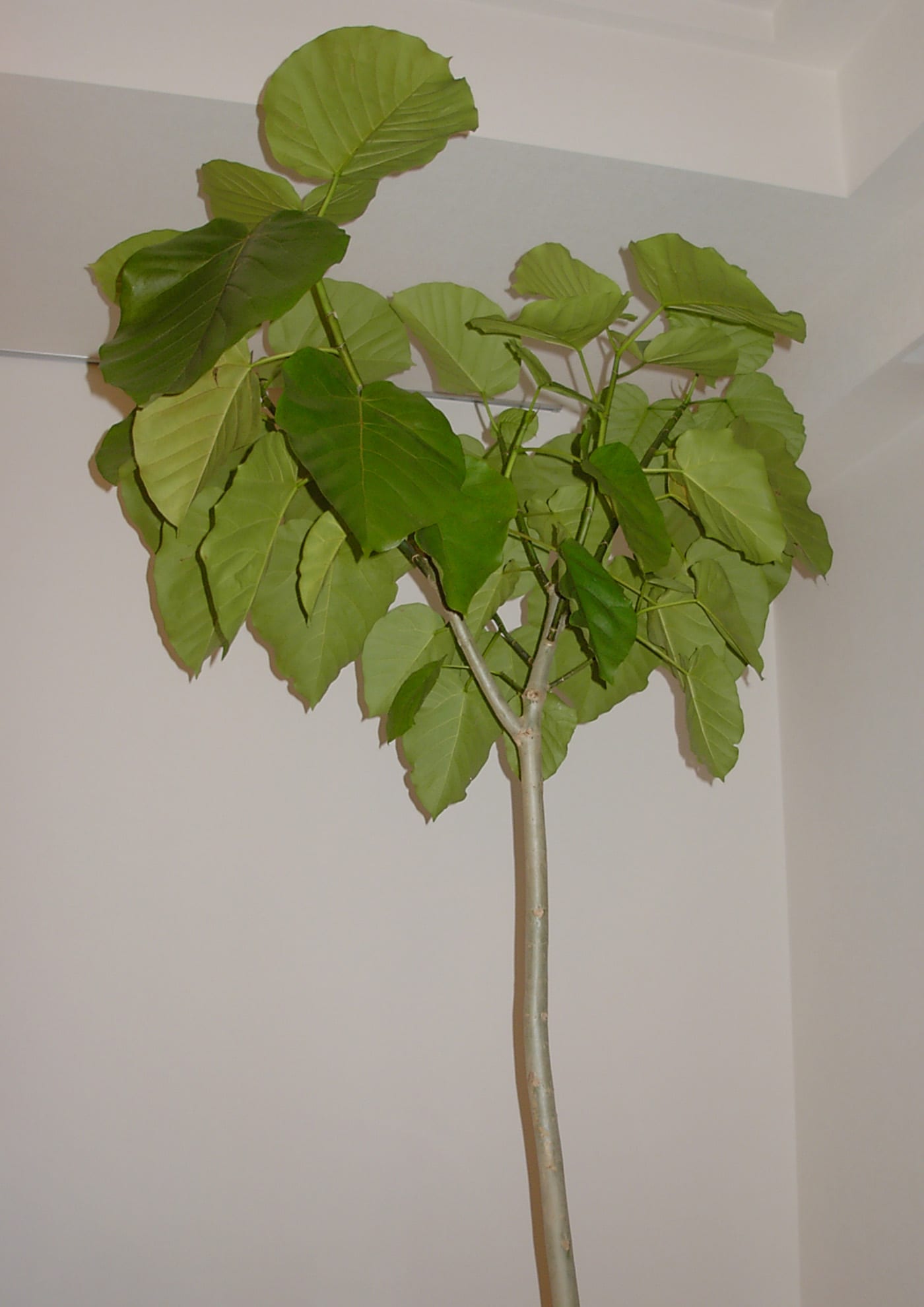
Ficus varieties (Lyrata, Benghalensis, Altissima, etc.) grow about 30–50 centimeters per year and can exceed 2 meters indoors. The trunk becomes woody and substantial, making it popular as a statement tree that adds presence to interiors. Growth slows and leaf drop may occur in winter—the key is to be patient until spring.
Rhaphidophora Tetrasperma (Mini Monstera) and similar varieties also grow at a moderate pace, but since final size varies by variety, it's recommended to check the label or contact the seller before purchasing.
Slow-Growing Varieties
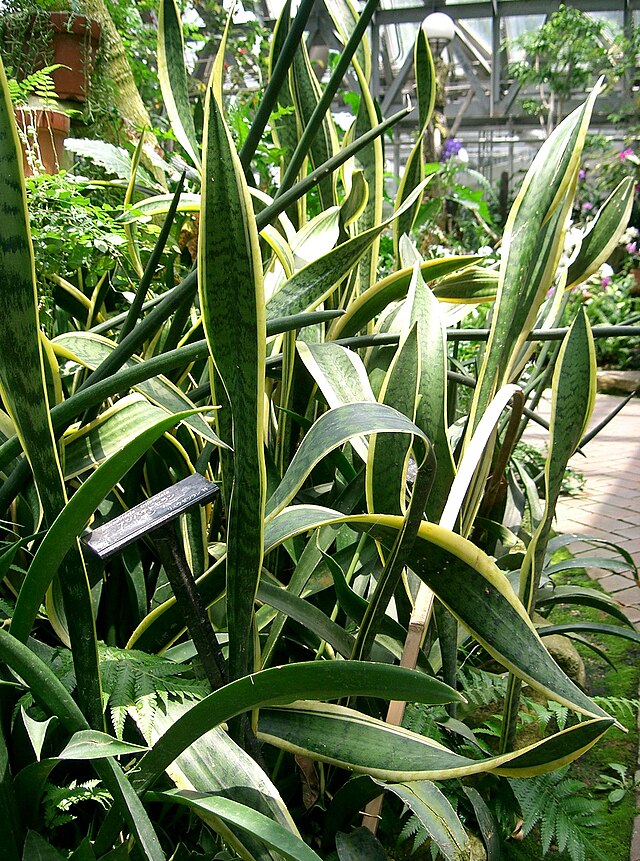
Sansevieria (Snake Plant) grows very slowly, producing only two to three new leaves per year even during the growing season. It's drought-tolerant and requires minimal watering, making it popular with busy people and beginners. However, it's surprisingly sensitive to root-binding—when roots become cramped in the pot, growth can halt completely. Repot every few years.
Agave and Caudex plants (Pachypodium, Euphorbia, etc.) grow particularly slowly—some varieties gain only a few centimeters per year. Consequently, they command high rarity value and remain popular among collectors. On GrowerDirect, you can purchase distinctive Agave and Caudex plants directly from growers.
Managing Light: The Key Factor in Growth
The amount of light has the greatest impact on foliage plant growth speed.
- Bright indirect light is ideal for most varieties. The best environment is a south-facing or east-facing window where light filters through a sheer curtain.
- Avoid direct sunlight in general. Intense outdoor sun causes leaf scorch, not only marring appearance but also sapping the plant's vigor. However, some varieties like Agave and Sansevieria prefer strong light and are exceptions.
- Overly dim interiors limit photosynthesis, causing extremely slow growth and poor leaf color. If light seems insufficient, supplemental grow lights can be effective.
- Avoid direct drafts from air conditioning or heating. Sudden temperature changes and dry air cause leaf margins to brown and growth to slow.
Supporting Growth with Watering and Fertilizer
Proper watering and fertilization are essential for healthy growth.
Basic Watering by Season
- Spring to autumn (growing season): Water thoroughly when the soil surface feels dry, until water drains from the pot's bottom. Always empty the saucer—standing water is a leading cause of root rot.
- Winter (dormant season): Most foliage plants slow their growth. Reduce watering frequency from weekly or twice weekly to about two to three times per month, watering several days after the soil has completely dried out.
How to Use Fertilizer
- Liquid fertilizer should be applied about twice per month during the growing season at watering time. Use a balanced formula (nitrogen, phosphorus, potassium) at the recommended dosage.
- Slow-release solid fertilizer placed on the soil surface provides long-term nutrition, making it convenient for those wanting to reduce effort.
- No fertilizer is needed in winter. Feeding dormant plants can damage roots.
When to Repot
Root-binding is a major cause of stunted growth. When roots protrude significantly from the pot's drainage holes or water runs through quickly when watering, it's time to repot. Repot about once every one to two years at the start of the growing season (around April–May) into a pot one size larger.
Tips for Long-Term Enjoyment of Foliage Plants
Here are key daily care points to keep plants healthy.
- Wipe leaves clean: Dust on leaves reduces photosynthetic efficiency. Wipe them monthly with a damp cloth.
- Check for pests regularly: Spider mites and mealybugs are common during the growing season and spread quickly if ignored. Inspect new growth and leaf undersides regularly.
- Adjust location seasonally: Move plants away from cold window drafts in winter, then return them to bright locations in spring. Adapt flexibly to seasonal changes.
- Prune to maintain shape: Regular pruning of fast-growing varieties keeps them compact and attractive. Cuttings can be water-propagated to increase your plant collection.
GrowerDirect's Safe and Secure System
Many people worry when buying foliage plants: "I can't tell the actual size" or "Will I get care guidance?" GrowerDirect eliminates these concerns by letting you purchase directly from growers and cultivators.
Through the direct messaging feature with sellers, you can confirm current plant size, growth stage, and care tips before purchasing. A support environment exists even after purchase, so beginners can start with confidence. As of 2026, we offer a wide range—from popular varieties like Monstera and Pothos to rare Caudex plants.
Explore our curated lineup of plants unavailable through mass production—carefully cultivated rare varieties and mature specimens—to find your ideal plant.