Optimizing Foliage Plant Leaf Shine | Humidity Management to Achieve Gloss and Plant Health
Environmental management techniques to bring out glossy shine on foliage plant leaves. Techniques to achieve healthy and beautiful leaf expression through optimizing light, humidity, and water quality.
Key Takeaways
Environmental management techniques to bring out glossy shine on foliage plant leaves. Techniques to achieve healthy and beautiful leaf expression through optimizing light, humidity, and water quality.
Related Species
The Health Signal That Foliage Plant "Shine" Reveals
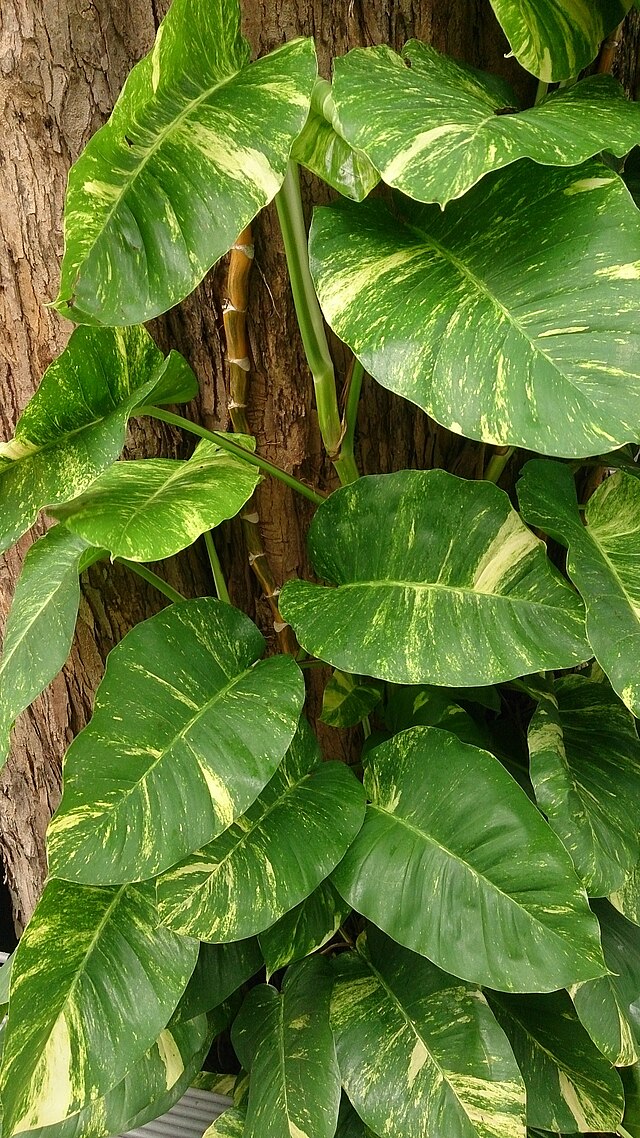
The glossy shine seen on foliage plant leaves is not merely a matter of appearance. Glossy leaves indicate that the cuticle layer (a waxy protective membrane) covering the leaf surface is properly formed, which means the leaf has strong capacity to suppress water transpiration and high resistance to pests and diseases.
The cuticle layer is generated by the plant itself, and its thickness and uniformity increase when light, humidity, and nutrients are all present. When this layer is intact, it reflects light in one direction, giving the leaf a glossy appearance. Conversely, when the cuticle layer becomes thin or uneven due to dryness, insufficient light, or water quality issues, light scatters and the leaf takes on a dull appearance.
In other words, leaf shine is a barometer that tells us "what kind of environment the plant is currently in." If you notice the shine fading, it's a good time to reconsider the environment.
Humidity Management Holds the Key to Cuticle Layer Formation
The environmental factor most directly linked to leaf shine is humidity. Many foliage plants originate from tropical and subtropical regions and tend to form thick cuticle layers in high-humidity environments. Indoors, humidity can drop significantly during winter when heating is used, and prolonged dryness can cause leaves to become brittle and lose their shine.
To stabilize humidity, combining the following methods is effective.
- Using a humidifier: Steam humidifiers have the advantage that mineral content is less likely to remain due to heating, making white powdery deposits less likely to accumulate on leaves.
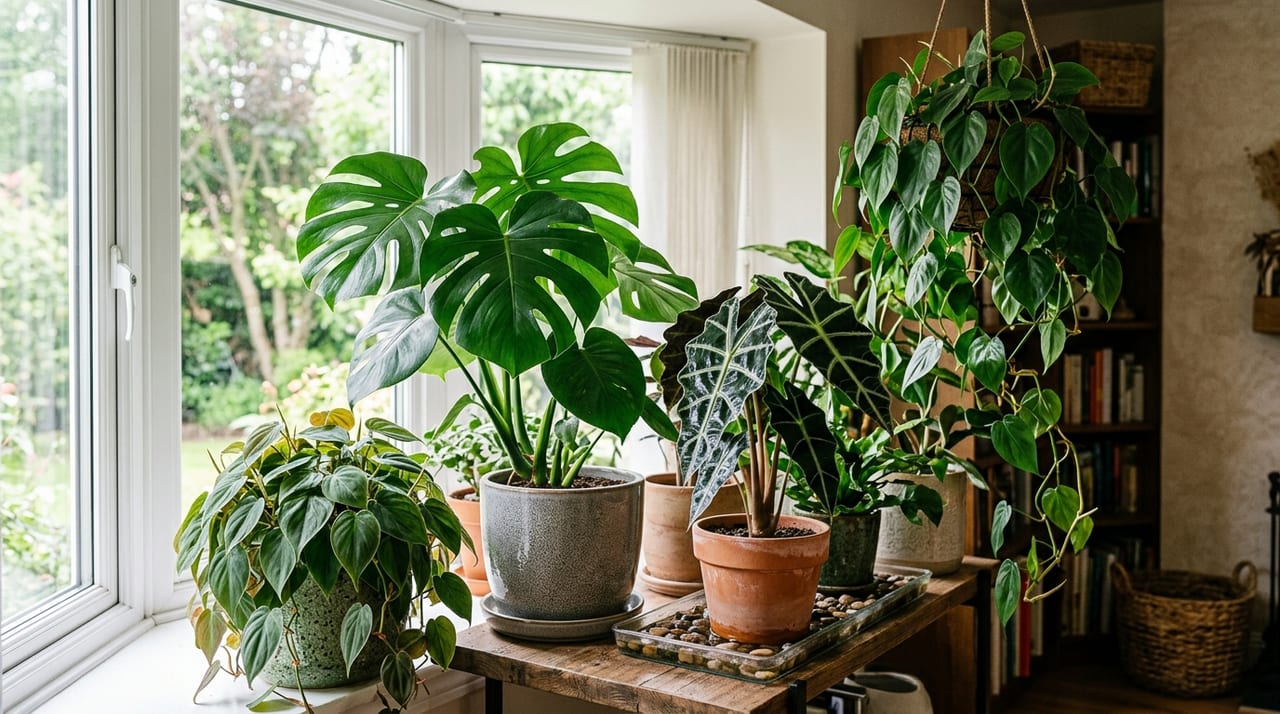
- Saucer humidity method: Place pebbles and water in a large tray and set the pot base on top of the pebbles. As water evaporates, it naturally increases humidity around the pot.
- Grouping: Placing multiple plants close together increases local humidity through transpiration between plants.
Direct misting is not recommended as daily care because mineral content in tap water can remain white on the leaf surface after drying, potentially damaging shine. If you want to wet the leaves, using distilled water or filtered water minimizes these effects.
Choosing Light Intensity and Light Quality
Proper light intensity is essential for forming a thick cuticle layer. In low light, leaves tend to become thin and soft, and shine is less likely to develop. Conversely, if direct sunlight is too strong, leaf scorch occurs and the cuticle layer itself is damaged.
Most foliage plants prefer "bright indirect light." If placing plants away from a window, it's best to move them near a window with sheer curtains or use LED grow lights for supplemental lighting. When choosing LED lights, full-spectrum types that balance red and blue light are ideal for growth. A higher proportion of blue light tends to increase leaf thickness and creates a texture that more readily displays shine.
For lighting duration, the standard is approximately 12–16 hours per day. Avoid 24-hour lighting, as it disrupts the plant's dormancy rhythm.
Preventing Surface Buildup Through Water Quality and Leaf Care
Mineral components such as calcium and magnesium contained in tap water can cause white spots or films when they accumulate on the leaf surface. Especially in indoor management where plants are not exposed to misting or rain, leaving this unchecked over a long time can result in visible dullness.
Reducing surface buildup is possible by watering only the soil and avoiding watering leaves directly. If mineral residue is already present, it can be removed by gently wiping the leaf surface with a soft cloth or cotton pad lightly dampened with distilled water. Wiping the undersides of leaves also helps with early pest detection.
Commercial leaf cleaners and shining products marketed as "leaf shine" can improve appearance in the short term, but their oils and components may obstruct the cuticle layer's respiration, so use them sparingly. Water wiping alone is sufficient for regular care.
Points for Seasonal Environmental Adjustments
To keep foliage plants in beautiful condition year-round, it's important to make minor environmental adjustments to match seasonal changes.
Spring and autumn (when new leaf growth is active): Maintaining higher light and humidity levels promotes the development of glossy new leaves. Applying diluted liquid fertilizer about once a month during this period provides nutrients needed for cuticle formation.
Summer (hot and humid season): While humidity naturally increases, the risk of mold and disease from poor air circulation also rises. Create air flow with a small fan and ensure leaves don't remain wet for extended periods. Strong sunlight causes leaf scorch, so manage this with shade curtains or by moving the plant.
Winter (when heating makes air dry): The most challenging season for shine management. Utilize humidifiers fully while being mindful of overwatering the soil. Since growth slows, reduce or stop fertilizing and decrease watering frequency to allow roots to rest.
Cultivar Selection and Consultation with Growers
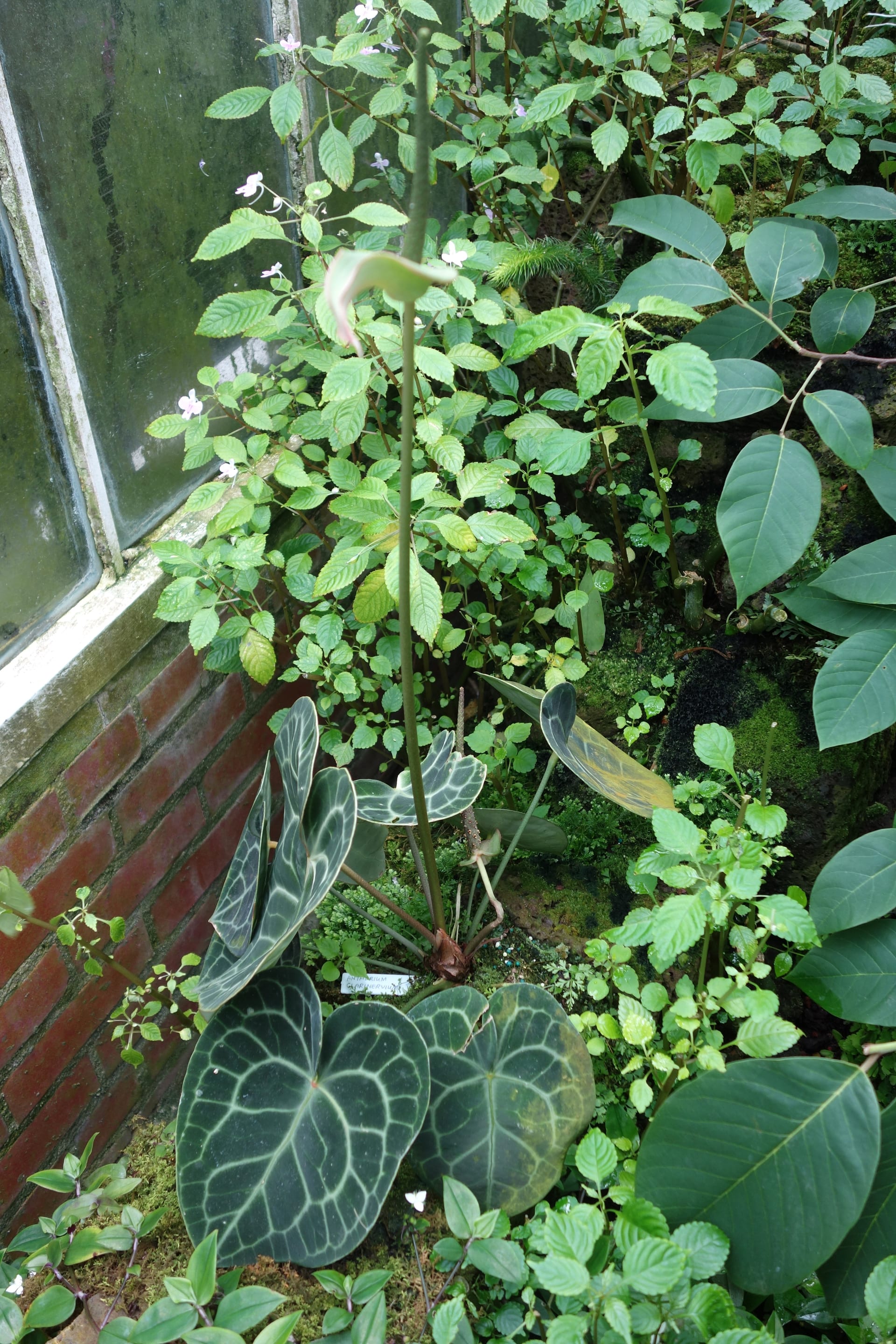
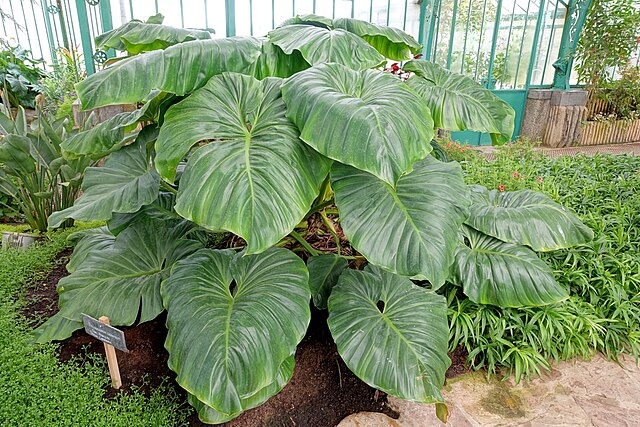
Leaf shine greatly depends on cultivar characteristics. Cultivars like philodendrons, pothos, rubber plants, and monsteras, which naturally develop thick cuticles, display rich gloss with proper care. Conversely, velvety-leaved plants (such as Anthurium clarinervium or some hoyas) have fine hairs on the surface and are characterized by a velvet-like texture rather than shine. The absence of shine doesn't mean they're unhealthy—it's a natural trait of the cultivar.
At GrowerDirect, you can purchase foliage plants directly from growers who have cultivated them carefully. A marketplace advantage is the ability to consult with growers about "which cultivars suit these light conditions" by describing your window orientation and lighting setup. Confirming growing environment suitability before purchase makes it easier to maintain glossy, beautiful foliage long-term.