Source: Wikimedia Commons
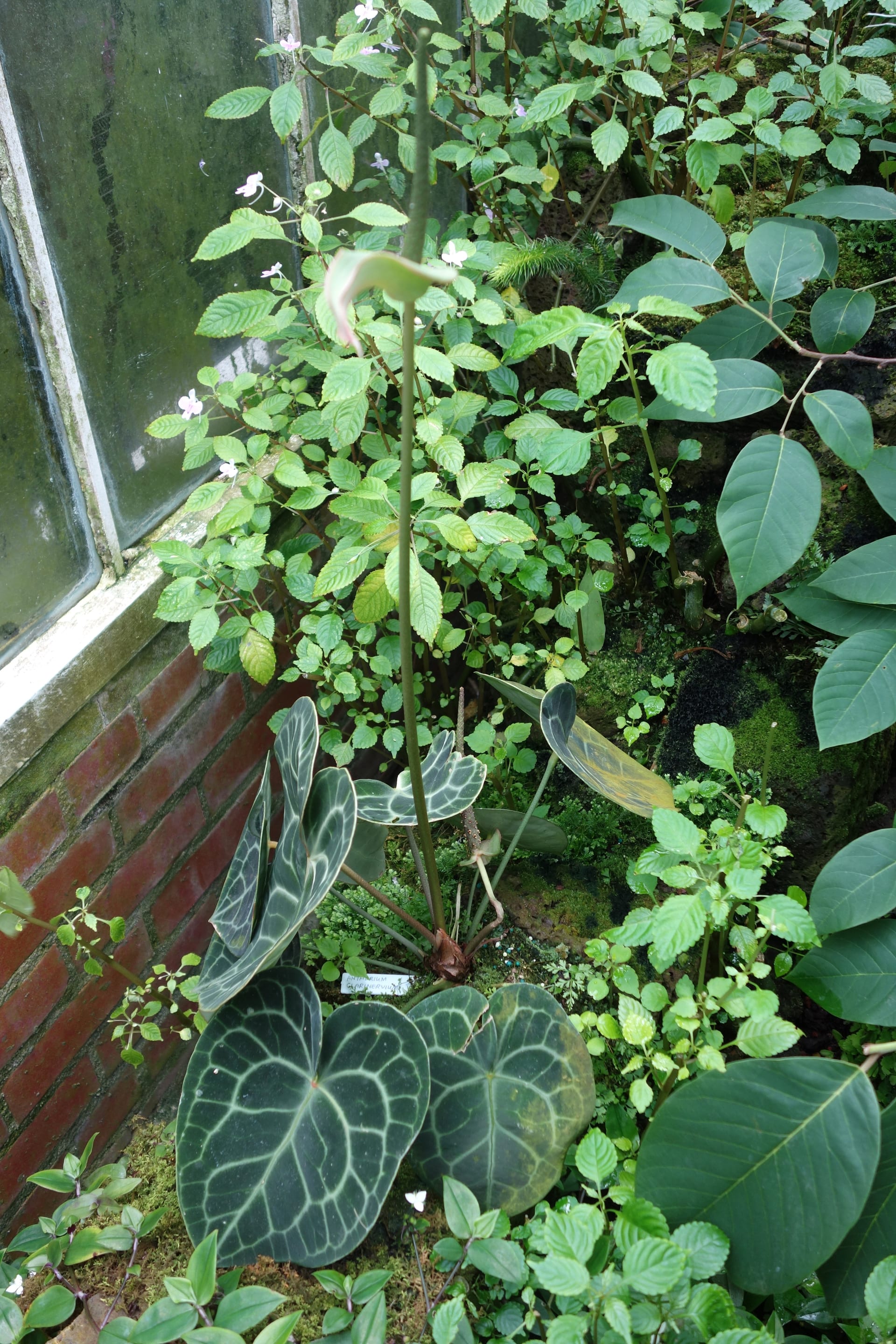
Anthurium Clarinervium
IntermediateAnthurium clarinervium
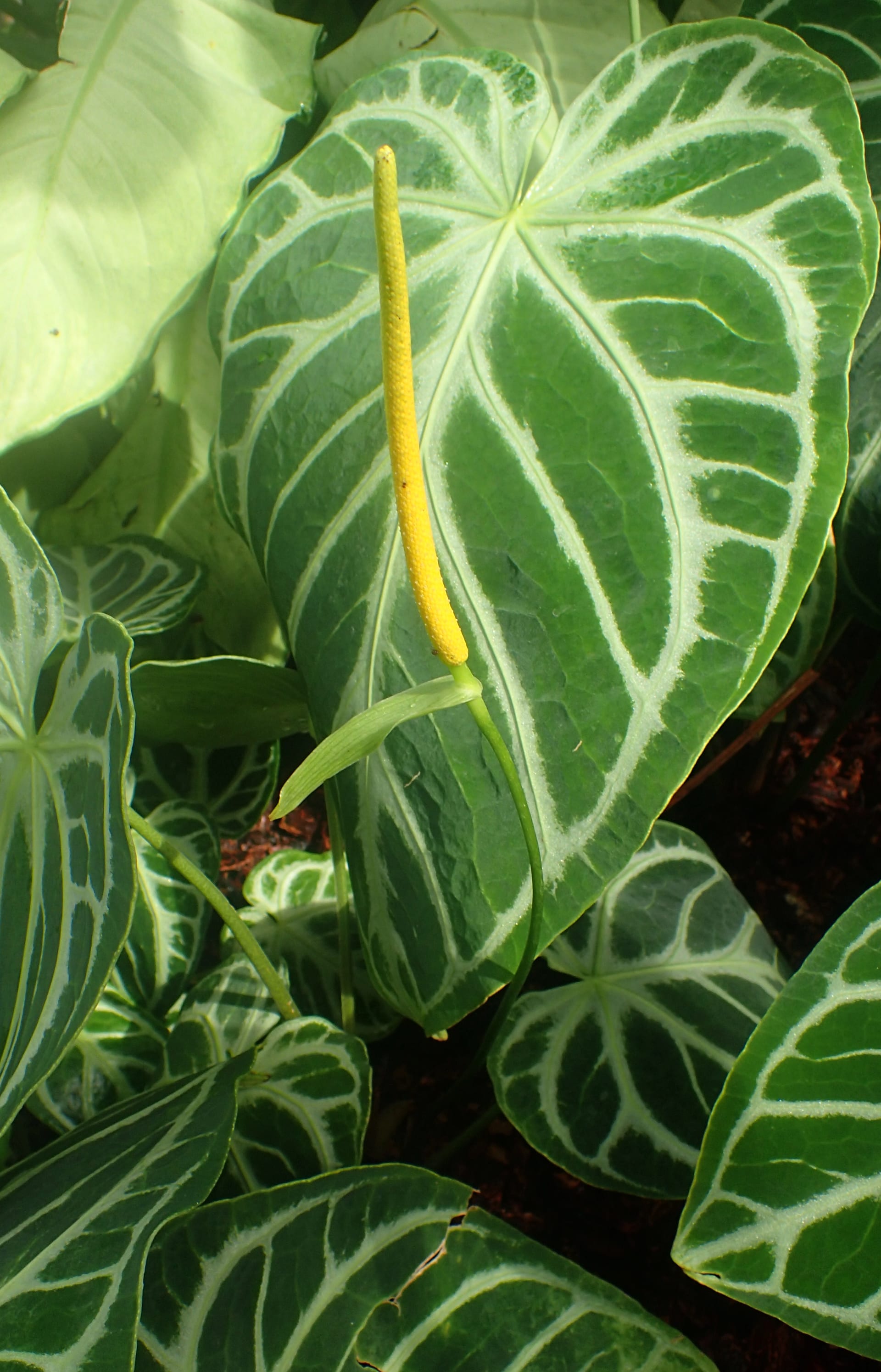
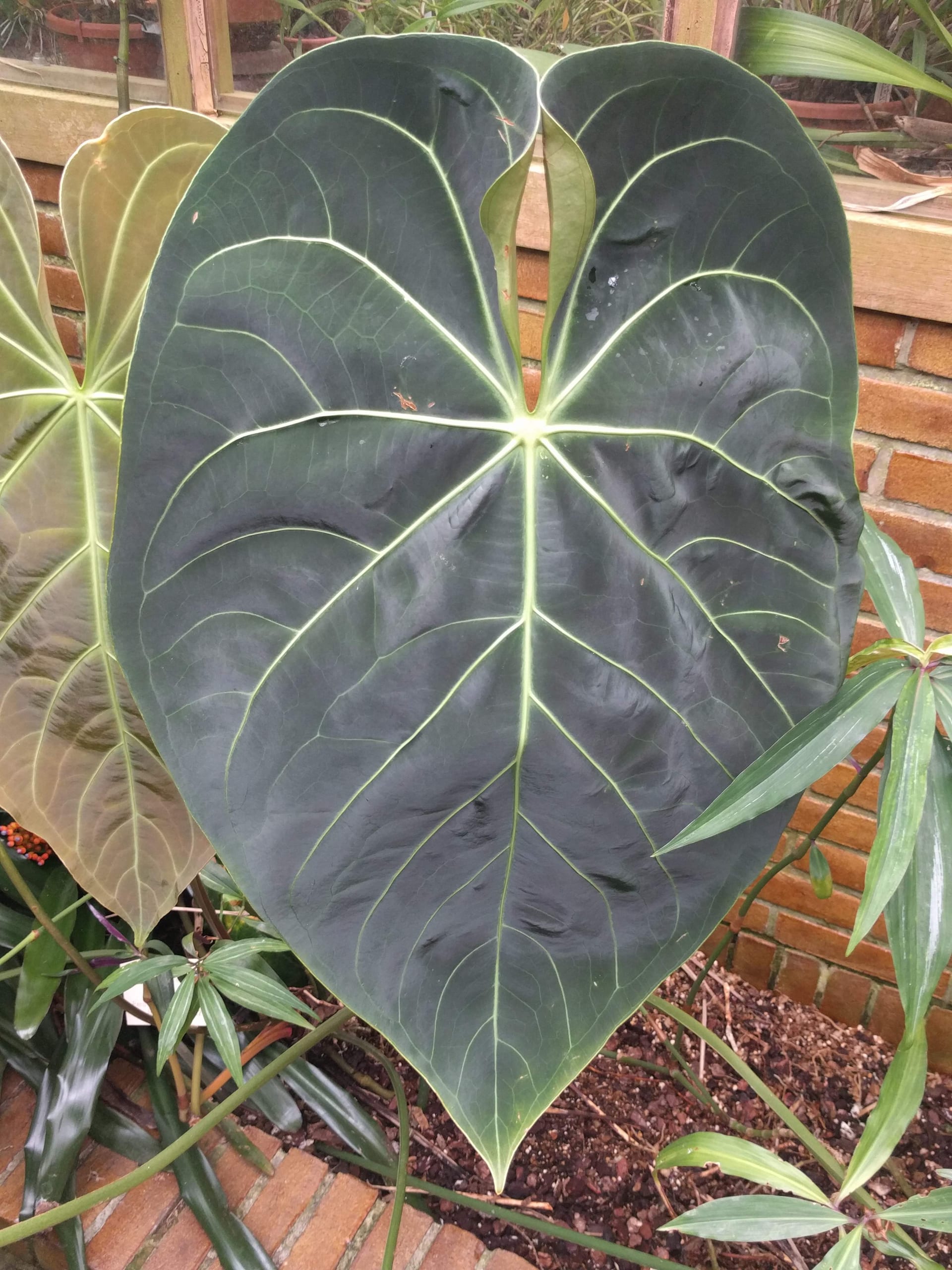
A beautiful Anthurium with white veins standing out on large heart-shaped leaves. Popular among houseplant enthusiasts.
About
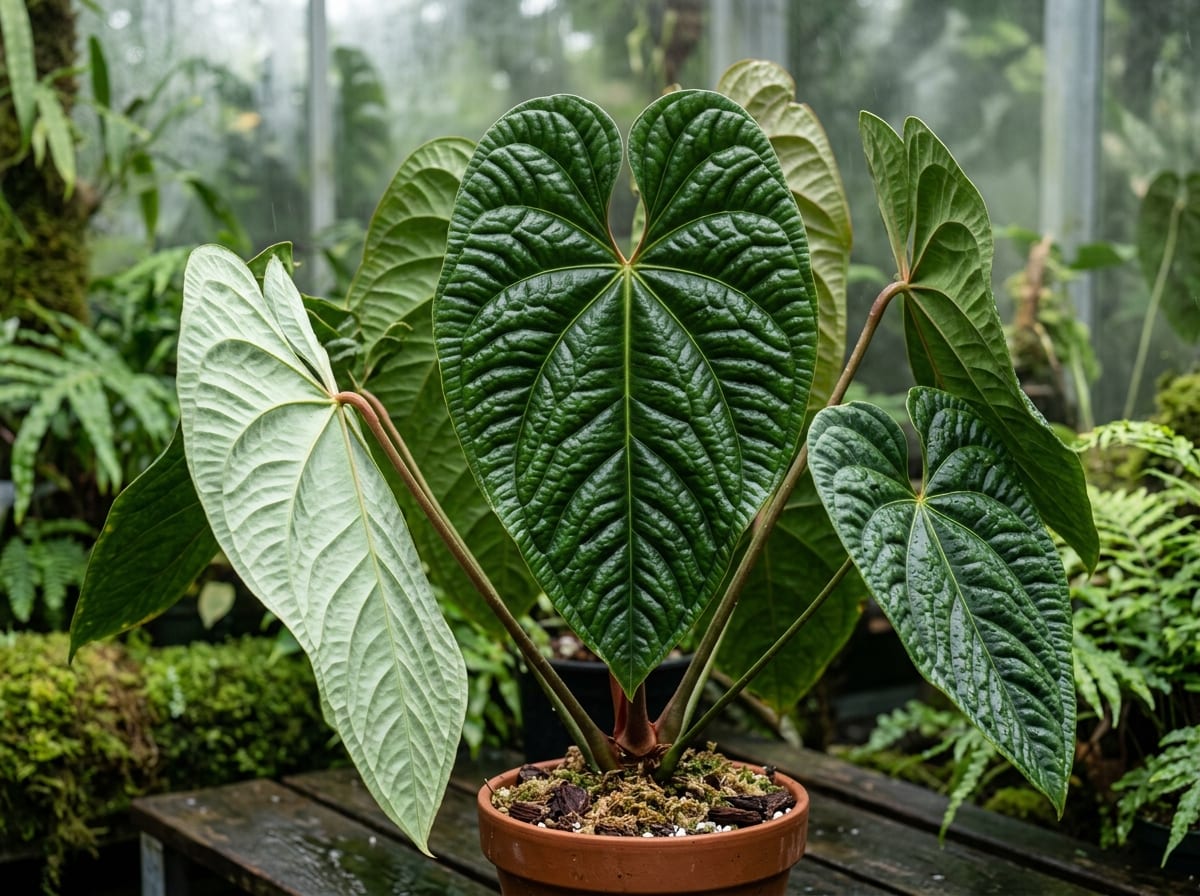
Anthurium clarinervium is a perennial in the family Araceae, native to the limestone hills of Chiapas, Mexico. It is highly sought after by houseplant collectors for its spectacular, large, heart-shaped leaves with a rich, velvety texture and prominently contrasting white venation. The leaves have a leathery yet soft quality that catches light to create a subtle sheen. It prefers bright indirect light, which accentuates the white vein pattern. Water when the soil surface dries, but avoid waterlogging — a loose, well-draining medium such as orchid bark mixed with perlite is ideal. Growth is relatively slow. Maintaining humidity through misting or a pebble tray is key, and the plant performs well in enclosed glass cases or terrariums. A prized collector's plant renowned for its exceptional leaf beauty.
Size of the Anthurium Clarinervium
The Anthurium Clarinervium grows to 30-60cm.
Temperature & humidity for the Anthurium Clarinervium
High humidity (above 60%) is essential; in dry conditions leaf margins and tips turn brown.
Basic Info
Origin
Chiapas, Mexico
Lifespan
Perennial
Size
30-60cm
Temperature
15〜30℃
Humidity
50〜70%
Watering & Fertilizer
Watering, Liquid fertilizer
Growing Tips
Lighting
Bright indirect light highlights white veins
Watering
Water when the surface is dry; overwatering causes root rot. It likes high humidity (60% or more), so mist as well to keep it up.
Watering
Well-draining soil, avoid overwatering
Temperature & Overwintering
Cold-sensitive; keep it above 15°C. Manage in a warm room in winter and add humidity in dry spells to prevent browning leaf tips.
Soil & Repotting
A coarse, free-draining mix such as orchid bark suits it. Growth is fairly slow, so repotting only once roots fill the pot is enough.
Anthurium Clarinervium FAQ
QWhat is the growing difficulty level for Anthurium Clarinervium?
Intermediate. A variety suitable for intermediate growers. Requires some cultivation experience and knowledge of environment management. Pay careful attention to temperature and humidity control.
QHow large does Anthurium Clarinervium get?
The mature size of Anthurium Clarinervium is 30-60cm. This may vary slightly depending on cultivation environment and individual differences.
QHow should I water and fertilize Anthurium Clarinervium?
Anthurium Clarinervium: watering & fertilizer — Watering, Liquid fertilizer. Aim for appropriate frequency and amount.
QWhat is the typical price for Anthurium Clarinervium?
The price of Anthurium Clarinervium varies significantly by variety, characteristics, size, and lineage. Please check GrowerDirect's price guide for the latest market information.
Last updated: September 17, 2026
References & Sources
Edited & verified by: GrowerDirect Editorial Team
The classifications, regulations, and growing data on this page are created and verified based on the primary information database below.
Taxonomy & Authority
Regulations & Conservation Status
Foliage plant. Confirmed by document review to be non-applicable to CITES Appendix (Flora), designated invasive species, or designated animals (the genus does not appear in the CITES flora section; Dracaena spp. listings in CITES refer to a reptile genus of the same name; the plant Dracaena is not applicable).
Sources: CITES Appendices I/II/III (flora section, grepped via dbca mirror) / CITES Appendices (official) / Ministry of the Environment List of Specified Invasive Alien Species
Regulations may change. Always verify the latest information with the relevant authorities.
Related Species
Find listings for this species
Related Articles
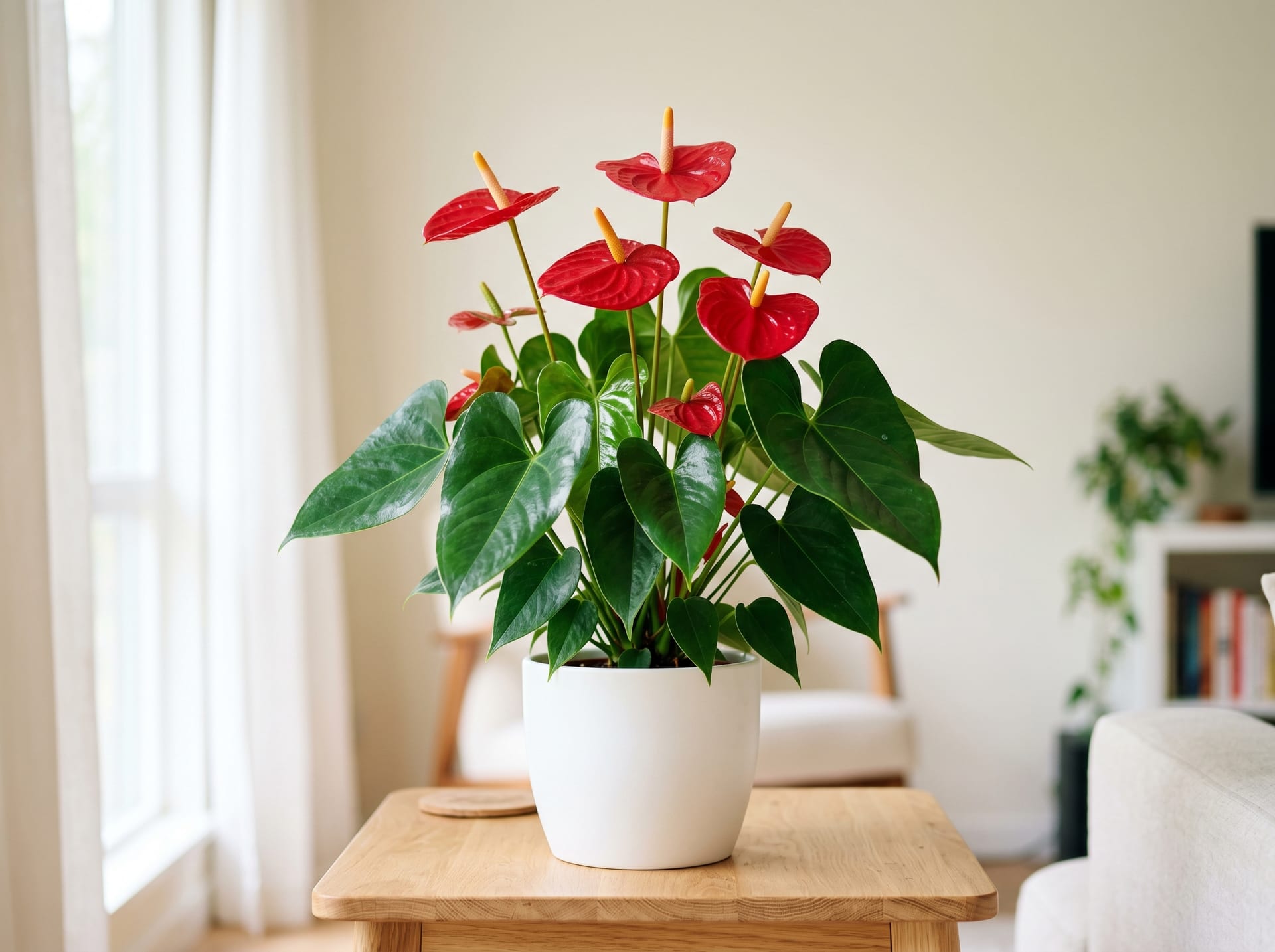
Complete Guide to Growing Anthuriums (Red Flowers) | Optimal Light, Water, and Humidity Conditions
A complete guide to cultivation methods for producing red spathes (bracts) on Anthuriums every month. Detailed explanations of reproducing the native habitat environment, optimal lighting (no direct sun), maintaining 60%+ humidity, soil design to prevent root rot, and seasonal management.
Why New Leaves on Foliage Plants Are Smaller — Practical Solutions for Light, Humidity, and Nutrition
We analyze the causes behind stunted growth and smaller new leaves on foliage plants. From light environment and humidity management to fertilization strategy and root health, we explain each factor based on empirical data and introduce methods to restore new leaf size.
Spider Mite and Scale Insect Control: Practical Pest Prevention
Learn to identify spider mites and scale insects on houseplants and recognize damage signs, master practical spider mite control methods, discover effective scale insect elimination techniques, create pest-resistant environments with seasonal management, understand pesticide safety precautions, and discover early detection and prevention strategies.
Root Rot Prevention and Root Zone Regeneration Management in Foliage Plants | Soil Selection, Watering, and Early Diagnosis & Recovery Techniques
Root rot is the greatest threat to foliage plants. This article covers practical knowledge from the mechanisms of root rot development to prevention, early-stage diagnosis and treatment methods, and ensuring long-term plant health through soil and watering management.
🩺 Common diseases
Can't find the plant you're looking for?
Post your wishes for free and growers with matching plants will contact you with introductions.