Aerial Root Management and Utilization in Houseplants | Cultivation Techniques for Aerial Root-Bearing Plants like Philodendron and Monstera
This guide explains the role of aerial roots in houseplants and how to handle them. We cover why you should leave them on rather than pulling them off, tips for keeping humidity up so the aerial roots grow longer, how to train them onto a moss pole in 2 to 4 weeks, and the steps for burying aerial roots that have grown beyond 5 cm in the soil so they become supporting roots.
Key Takeaways
This guide explains the role of aerial roots in houseplants and how to handle them. We cover why you should leave them on rather than pulling them off, tips for keeping humidity up so the aerial roots grow longer, how to train them onto a moss pole in 2 to 4 weeks, and the steps for burying aerial roots that have grown beyond 5 cm in the soil so they become supporting roots.
Related Species
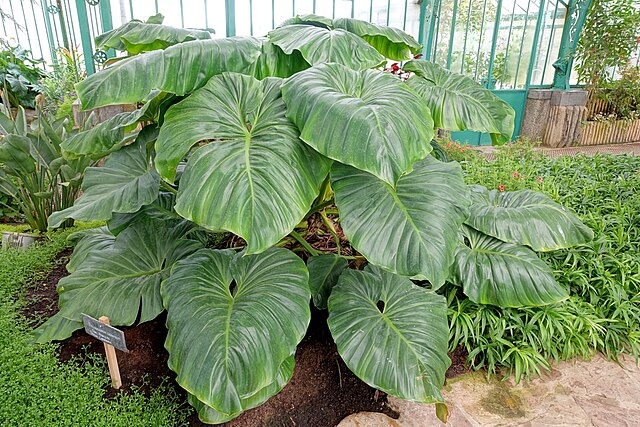
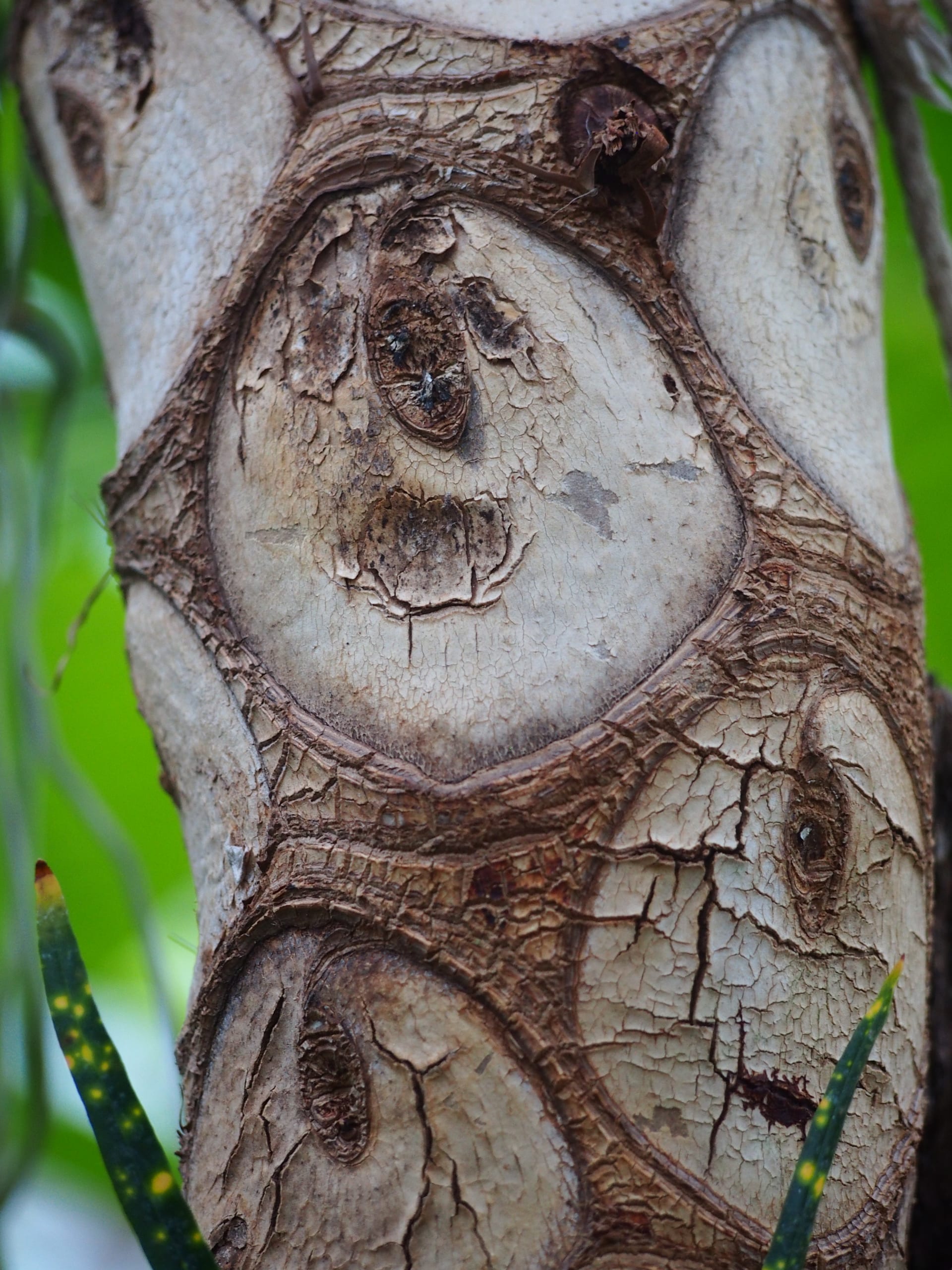
Among houseplants, there are species like Philodendron and Monstera that produce aerial roots. Aerial roots are important organs that express a plant's growth and beauty. However, many people misunderstand the true nature of aerial roots and tear them off, thinking they are "unwanted roots." This is a major mistake that inhibits plant growth. By understanding aerial roots and managing and utilizing them appropriately, it is possible to accelerate the growth of houseplants and further enhance their aesthetic value. This guide explains in detail from the biological role of aerial roots to practical management techniques and aesthetic expressions that leverage aerial roots.
Aerial Roots: The Function and Evolutionary Origins of Roots
Aerial roots are roots that emerge from the stem into the air. While normal roots absorb water and nutrients from within the soil, aerial roots are specialized roots that absorb water from the air. Aerial roots develop abundantly in high-humidity environments like tropical rainforests, particularly on trees where ground roots have difficulty reaching soil. Many Philodendron and Monstera species are climbing hemiepiphytes that cling to tree trunks in tropical rainforests and use the tree bark to grow. Living far from the ground, they evolved aerial roots and developed a strategy to absorb water from the humidity in the air. The water absorbed by aerial roots is supplied throughout the plant and becomes growth energy. In other words, cutting off aerial roots is equivalent to depriving the plant of a nutrient uptake pathway. Creating an environment in which aerial roots function healthily helps the plant grow.
The Mechanism of Aerial Root Development: Humidity and Light Are Key
Specific environmental conditions are necessary for aerial roots to develop. If aerial roots are not developing, the cause is usually due to inappropriate environmental conditions. The three main factors affecting aerial root development are:
| Factor | Conditions favoring aerial root development | Conditions unfavorable or inhibiting aerial root development |
|---|---|---|
| Humidity (most important factor) | High-humidity environments | Dry environments (the tips of aerial roots dry out and growth tends to stop) |
| Temperature | 20–28℃ (aerial roots develop actively and grow quickly) | Virtually ceases below 15℃ |
| Light | Tend to emerge when the plant is well established in a bright location | Develops poorly in dark environments and appears weak even when present |
The reason aerial roots develop poorly when Philodendron or Monstera is left on a windowsill is that indoor humidity drops to around 30–40% during winter.
Creating a Growing Environment That Leverages Aerial Roots
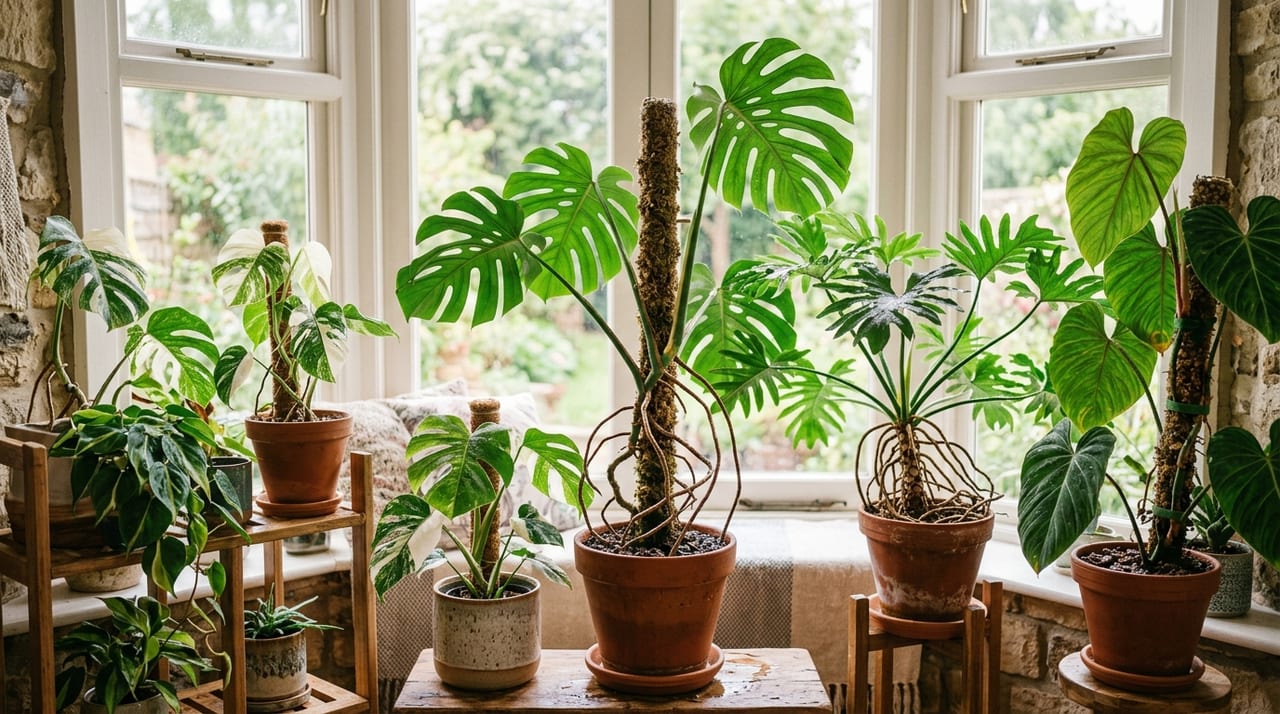
To maximize the benefits of aerial roots, you need to intentionally create an environment where roots can absorb moisture from the air. The most effective method is to use a moss pole (or moss stick). A moss pole is a cylindrical support wrapped with sphagnum moss or similar material (some types are wrapped with coconut fiber). By regularly misting the moss pole with water, it stays constantly moist. Species like Philodendron that readily produce aerial roots can absorb water directly from the moist moss pole when their aerial roots are wrapped around it. Here are the steps for installing a moss pole:
- Stand it beside the plant and position it so the stem can make contact with the moss pole
- Wait 2–4 weeks for the aerial roots to naturally wrap around it
- Once aerial roots attach to the moss pole, mist the pole daily to keep it moist
By maintaining this practice, plant growth speed accelerates dramatically.
The next important method is humidification. Place a humidifier around the houseplant or place a damp cloth around the plant to constantly raise the humidity in the air. When humidity is maintained above 70%, aerial roots begin to emerge one after another. Even for large species like Monstera deliciosa, humidification helps new leaves unfurl. Air circulation is also important. Even if you raise humidity through humidification, disease develops easily without air circulation. By using a fan to maintain a constant gentle airflow, you can achieve a high-humidity environment while minimizing disease risk.
Aerial Root Adaptation: Embedding Roots in Soil
Another way to utilize aerial roots further is to embed them in soil, converting them into auxiliary roots (aeration roots). This method can be applied to species that produce abundant aerial roots, such as Philodendron bipinnatifidum (selloum). Once aerial roots have grown to a sufficient length (5 cm or more), move the plant to a lower position or raise the pot so that the roots make contact with the soil in the pot. When aerial roots touch the soil, root hairs automatically develop and begin absorbing water and nutrients from the soil. This auxiliary root adaptation increases the plant's water and nutrient absorption, accelerating the speed of new leaf expansion.
Utilizing Aerial Roots for Aesthetic Expression
Aerial roots have aesthetic value in addition to biological function. By intentionally utilizing aerial roots, you can enhance the decorative value of houseplants. Examples of such applications include the following:
- Hang the aerial roots of Monstera deliciosa from a hanging basket to create a natural waterfall-like appearance
- Wrap the aerial roots of Philodendron Heartleaf around a moss pole in a spiral and train it into a unique three-dimensional shape
- Submerge aerial roots in hydroponic cultivation water to achieve a completely transparent appearance
Managing Healthy Aerial Roots
Regular observation is important to maintain the health of aerial roots. The condition of aerial roots can be distinguished as follows:
- Healthy aerial roots: Light brown to slightly pale in color, and elastic to the touch
- Unhealthy aerial roots: Darkening or becoming mushy indicates the beginning of rot caused by pathogens
If signs of rot are observed, remove the affected aerial roots and apply fungicide. However, you should avoid cutting off entire aerial roots. Carefully remove only the rotted portions and preserve the remaining healthy aerial roots. Additionally, when abundant aerial roots are present, it is useful to periodically prune old aerial roots while considering the plant's weight balance.