A Beginner's Guide to Rare Aroids (Araceae) | How to Choose and Grow Monstera, Philodendron, and Anthurium
Focusing on rare Monstera, Philodendron, and Anthurium, this guide explains the characteristics of popular aroid (Araceae) species, basic care methods (light, water, soil, and humidity), and propagation tips for beginners.
Key Takeaways
Focusing on rare Monstera, Philodendron, and Anthurium, this guide explains the characteristics of popular aroid (Araceae) species, basic care methods (light, water, soil, and humidity), and propagation tips for beginners.
Related Species
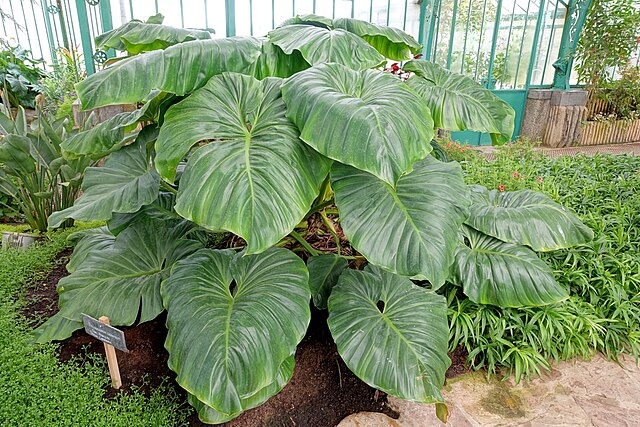
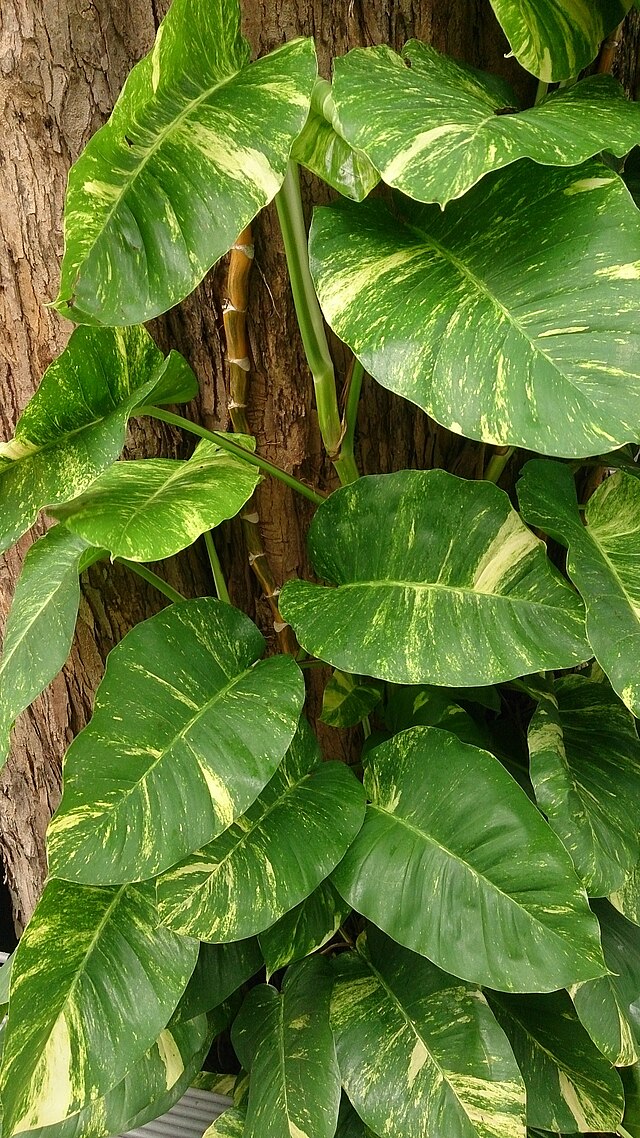
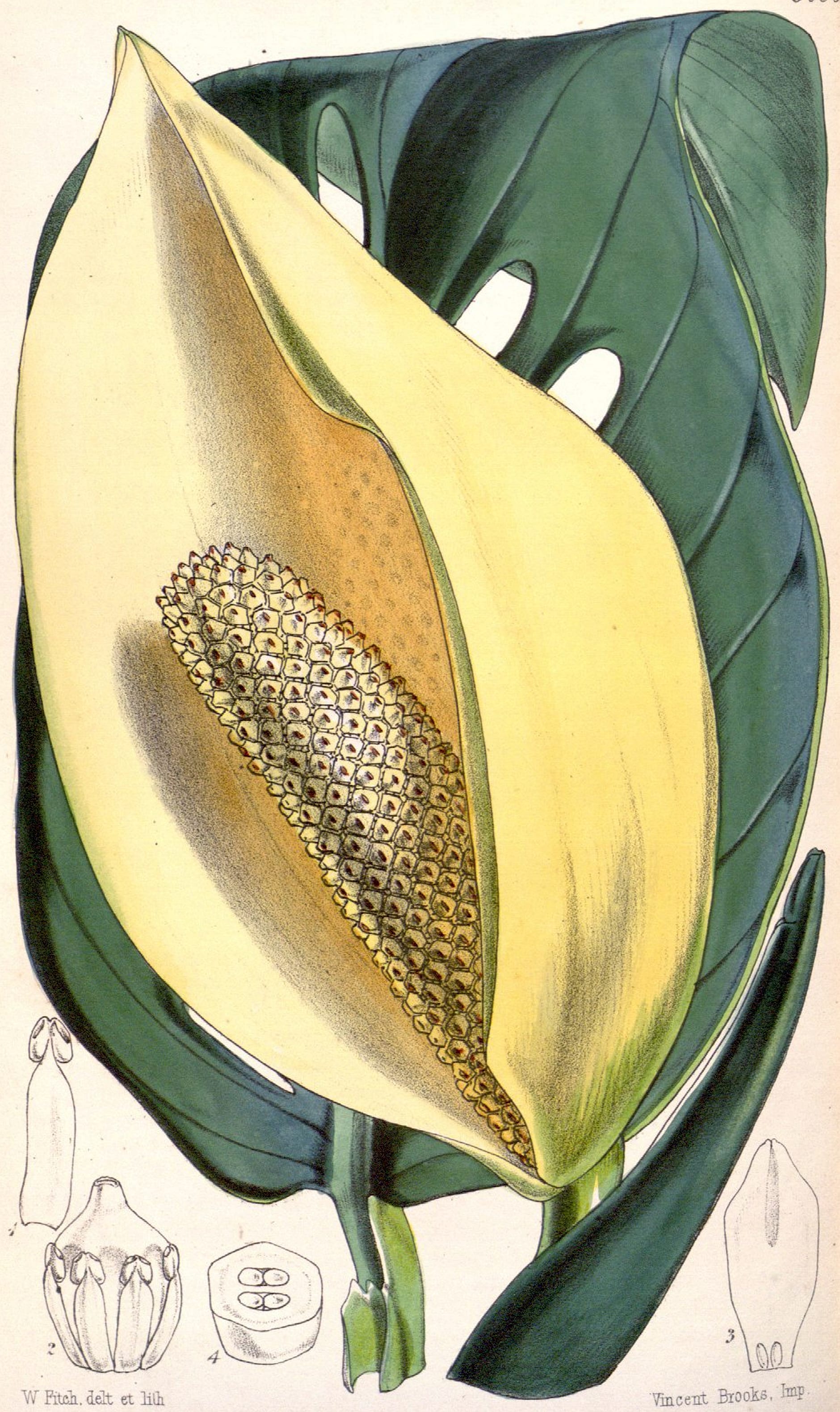
Aroids are a collective term for Araceae family plants, with over 3,750 species distributed worldwide, primarily in tropical and subtropical regions. They rank among the most popular houseplants and were a driving force behind the green plant boom on social media. As of 2026, collector interest remains strong both domestically and internationally, with prices for rare varieties continuing to fluctuate depending on the species.
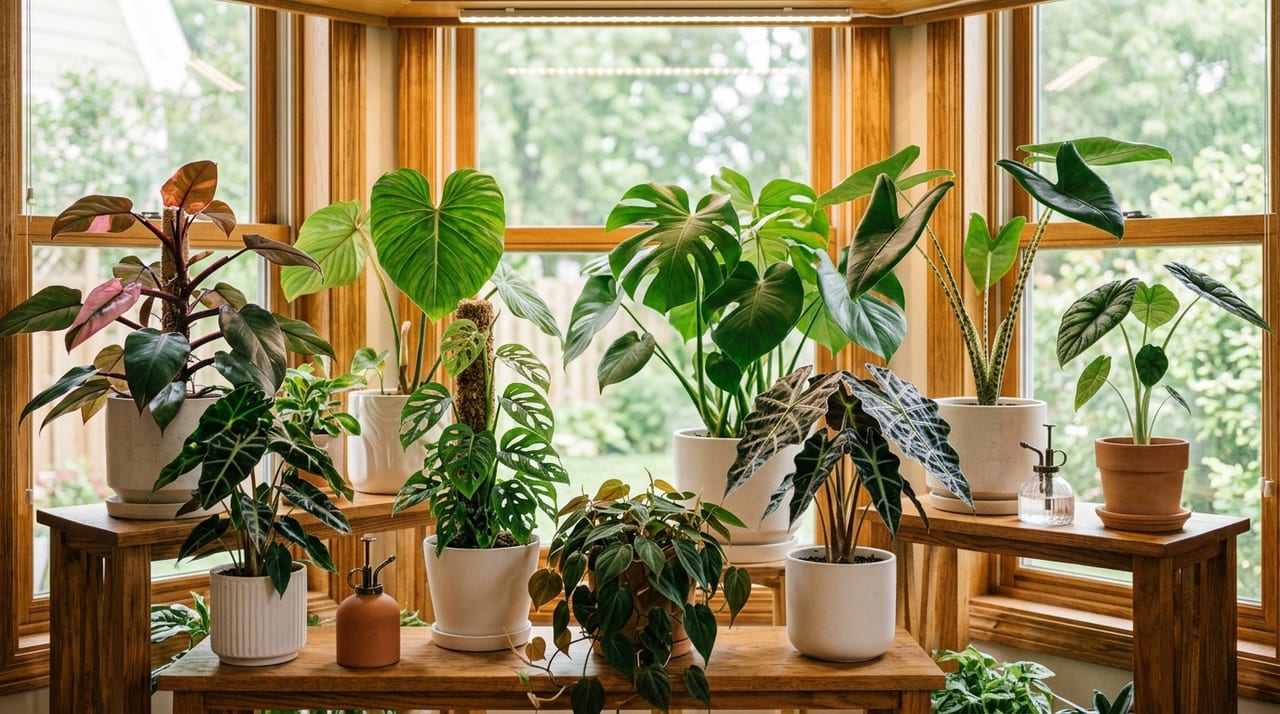
Many popular houseplants belong to the Araceae family, including Monstera, Philodendron, Anthurium, Pothos, Caladium, and Aglaonema. This article explains how to choose rare aroids that are particularly popular and covers the basics of their care.
Popular Rare Aroids and Their Characteristics
Monstera
Monstera deliciosa: The most well-known Monstera species. It's characterized by its distinctive shape, developing fenestrations (holes or splits) in the leaves as it matures. It's also known by the nickname "Hanasenna" in Japan. For those interested in learning more about differences between varieties, Monstera Varieties and Species Guide is also helpful.
Monstera adansonii: A compact species with round holes throughout its leaves. It's vining and easy to grow, making it popular as indoor décor greenery.
Monstera thai constellation: A variegated variety of Deliciosa. It features fine cream to pale yellow-green variegation (resembling a starry sky pattern). It's expensive and highly sought-after.
Monstera obliqua: An ultra-rare species with perforations covering most of the leaf area. It's extremely difficult to obtain, and cases of Adansonii being fraudulently sold as Obliqua are common (genuine Obliqua has thin, papery leaves with enormous holes). Always verify the seller's credentials and description before purchasing.
Philodendron
Philodendron gloriosum: A terrestrial species with velvety leaves and white veining. Its unique leaf texture makes it exceptionally popular.
Philodendron melanochrysum: A climbing species featuring golden veining and deep green velvety leaves with striking aesthetics.
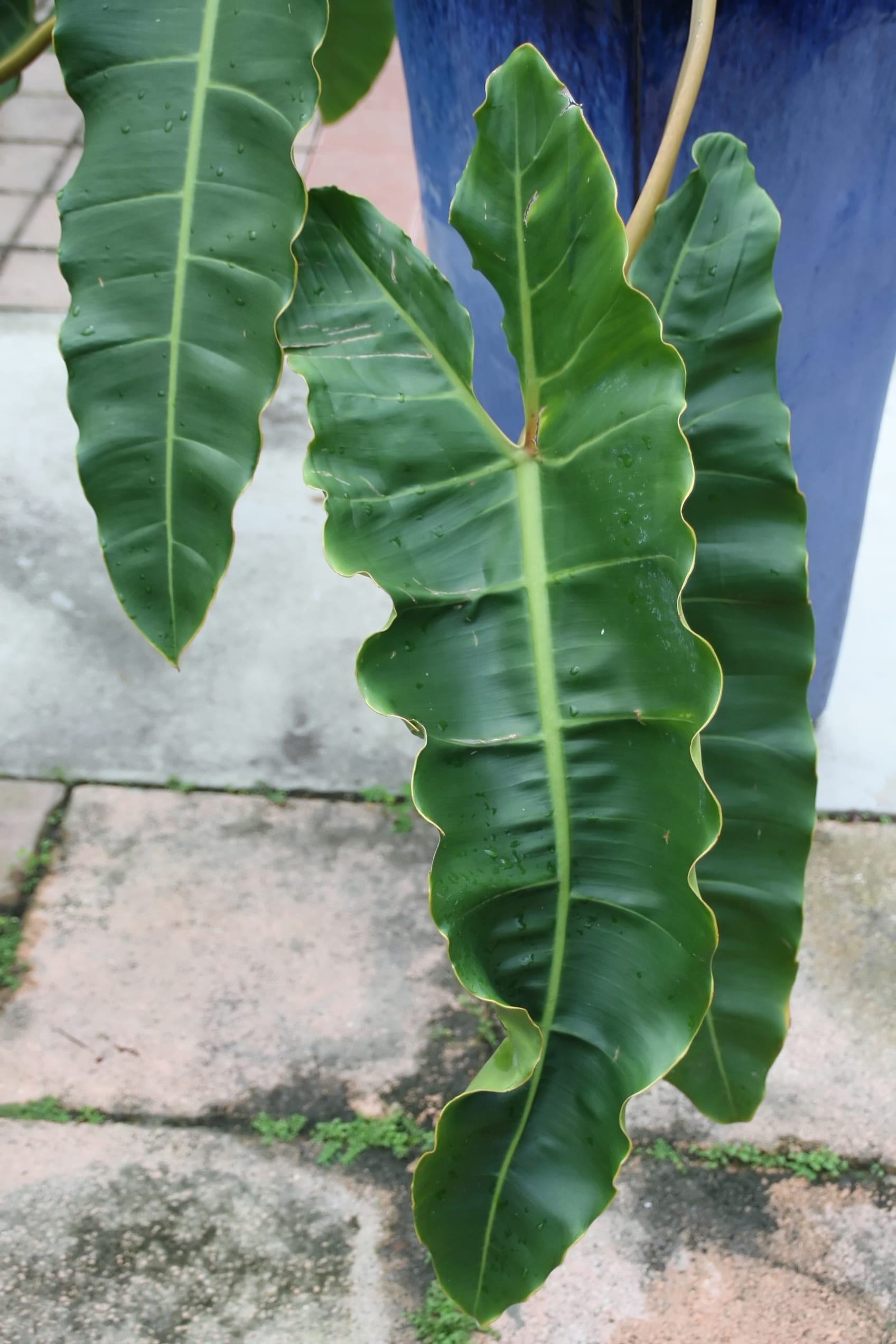
Philodendron billietiae: Characterized by distinctive wavy large leaves. Native to Peru and Guyana.
Anthurium
Anthurium crystallinum: Features large heart-shaped leaves with white veining. A species for advanced growers that prefers high humidity.
Anthurium veitchii (King Anthurium): Characterized by long, slender, wavy leaves. Native to Colombia and difficult to obtain.
Anthurium clarinervium: Native to Mexico with beautiful rounded heart-shaped leaves. Easier to grow than Crystallinum.
Basic Care
Most aroids grow naturally on the forest floor, tree trunks, and rocky areas in tropical rainforests, requiring a shared set of conditions: bright indirect light, high humidity, and good drainage.
Light Management
Bright indirect light suits most aroids. Direct sunlight causes leaf burn.
- A bright spot 1-2 meters from a window
- Light filtered through sheer curtains
If you notice slow growth or poor leaf color, insufficient light may be the cause. Recent advances in energy-efficient, high-performance LED grow lights make them worth considering if you want to maintain consistent light levels.
Watering
The basic rule is "water thoroughly when the soil surface dries out." However, excessive moisture causes root rot.
How to check:
- Insert your finger into the soil up to the first knuckle to check for moisture
- Water if the soil feels dry
Well-draining soil is essential to prevent root rot. For a systematic review of watering basics, see Houseplant Watering Guide.
Soil
Rather than using commercial houseplant potting mix as-is, a blend with improved drainage is more suitable.
Basic soil mixture example:
- Houseplant potting mix: 40%
- Perlite: 30%
- Small red lava rock: 20%
- Bark or wood chips: 10%
Since aroids absorb moisture through aerial roots (adventitious roots), ensure air circulation around the root zone. For more detailed soil mix variations, see Aroid (Araceae) Soil Mix Guide.
Humidity
Most aroids prefer humidity between 50-80%.
Ways to increase humidity:
- Use a humidifier
- Mist leaves with a spray bottle (though prolonged water droplets can promote disease)
- Group plants together so they can share moisture from each other's transpiration
Propagation
Stem Cutting
This is the most common method. Cut stems that include nodes, then place them in water or moist sphagnum moss or perlite to encourage root development.
Important: Always include the node (the swollen part where the leaf meets the stem). Without a node, roots will not develop.
Air Layering
Wound the parent plant's stem, wrap it with sphagnum moss, cover with plastic, and once roots appear, separate the rooted section. This method is effective when you want to propagate the upper portion of a large plant.
Offsetting
Terrestrial species (such as Gloriosum) sometimes produce offsets that can be separated from the parent plant and grown independently.
Summary
Aroids are prized for their diversity of species and distinctive leaf shapes and colors, making them highly collectable. With proper attention to basic care (light, water, soil, and humidity), many are surprisingly easy to grow and enjoyable for beginners and advanced growers alike.
Start with easy-to-grow species such as Pothos and Monstera Adansonii, and as you gain experience, challenge yourself with rarer varieties.