Foliage Plant Watering Guide | Correct Timing and Methods to Prevent Overwatering and Drought
The #1 reason foliage plants die is watering failure. This guide explains how to assess soil dryness, adjust watering frequency by season, and effective methods for bottom watering and foliar misting.
Key Takeaways
The #1 reason foliage plants die is watering failure. This guide explains how to assess soil dryness, adjust watering frequency by season, and effective methods for bottom watering and foliar misting.
Related Species
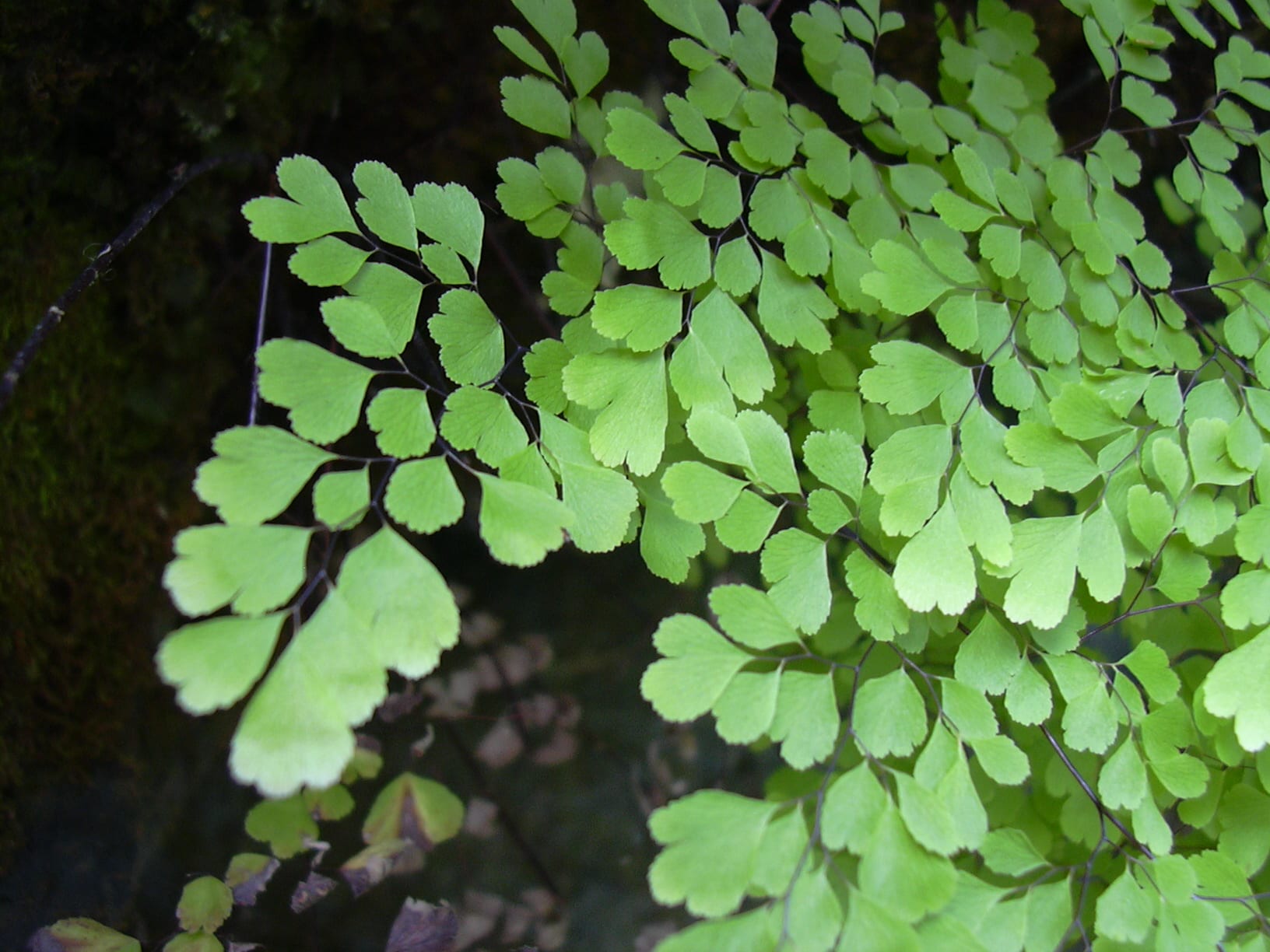
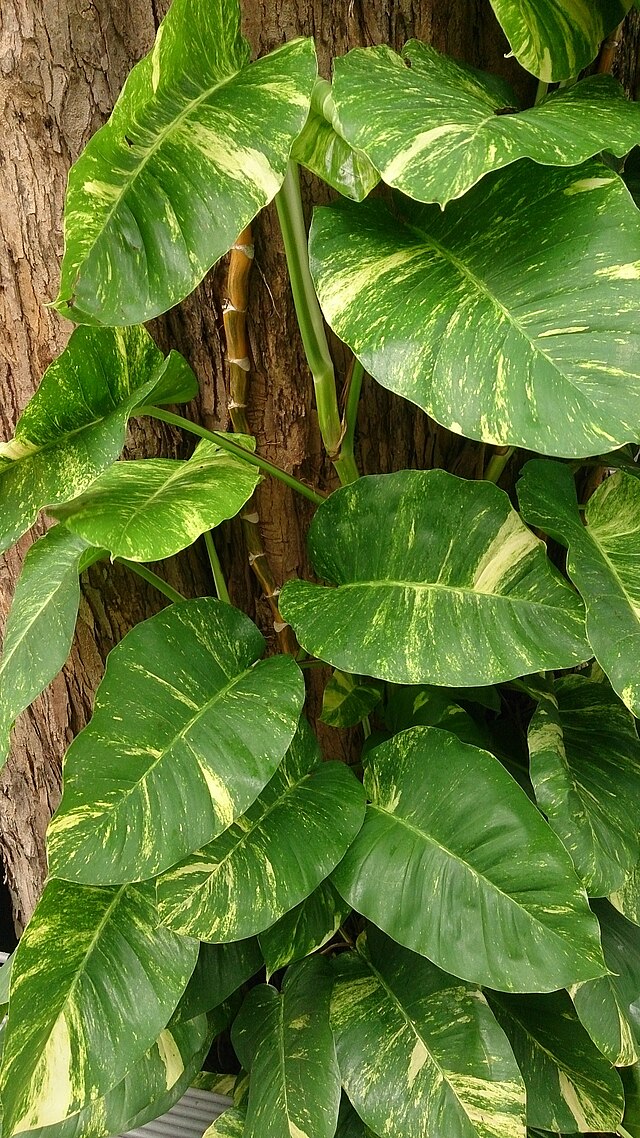
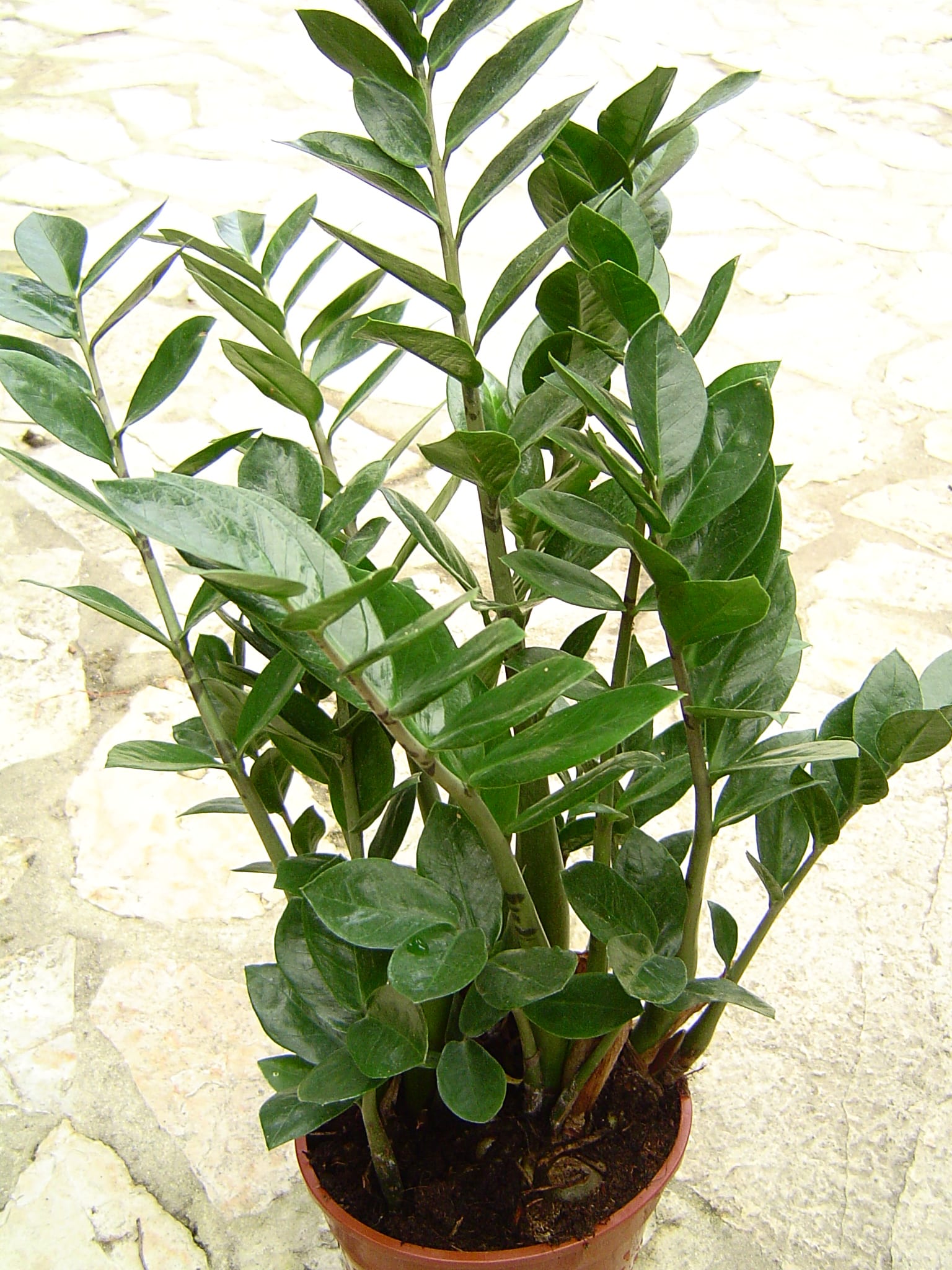
The top reason foliage plants die is "watering failure." Both overwatering (causing root rot) and underwatering (causing plants to dry out) are common problems. Those asking "Why does my plant die even though I water it daily?" especially need proper watering knowledge. This article provides detailed explanations from watering basics to seasonal management and type-specific care.
Watering Fundamentals | Always Check the Soil Condition
The golden rule of foliage plant watering is "water only after the soil dries." Most foliage plants are native to tropical and subtropical regions, where they adapt to environments with alternating dry and wet seasons. They prefer environments with distinct dry-wet cycles rather than constantly moist soil.
How to Identify the Right Timing
The most reliable method is to insert your finger 1-2 cm into the soil to check its moisture level.
- Moist → No watering needed yet
- Slightly moist → Wait another 1-2 days
- Dry → Time to water
Lifting the pot to check its weight is also effective. If you remember the weight difference between just after watering and when dry, you'll gradually develop an intuitive sense for watering. Additionally, if using terracotta pots, the pot's side becoming whitish and dry is another indicator. Using a soil moisture meter allows objective numerical judgment and is especially helpful for those with many pots or beginners.
Leaf changes are also important signs. When leaves begin to droop slightly or lose their shine, it's a sign that drying is advancing. If you water at this stage, most plants will recover quickly.
Correct Watering Methods | Amount, Timing, and Saucer Management
Water Generously and All at Once
The basic rule is not "frequent small amounts" but to water generously until water drains from the bottom. If you continue giving small amounts, only the soil surface becomes moist, and water doesn't reach the deep roots, causing roots to grow only near the surface. This hinders root development and weakens the entire plant.
Pour water slowly and evenly across the entire soil surface with a watering can, and finish only after confirming water flows out firmly from the bottom.
Always Empty the Saucer
Emptying water collected in the saucer within 30 minutes to 1 hour is fundamental to preventing root rot. If water sits in the saucer, the soil remains constantly moist, roots become oxygen-deprived, and decay becomes likely. However, this does not apply to ferns and similar plants that benefit from "bottom watering." If root rot signs appear, refer to Foliage Plant Root Rot: Causes, Solutions, and Recovery Methods and take action early.
Using Foliar Misting
Most tropical foliage plants prefer high humidity. During dry seasons, especially when using heating in winter, misting leaves with water is highly effective. It not only prevents leaf dryness but also helps prevent pests like spider mites and scale insects. Morning is best—avoid misting in the evening or later, as it can cause moisture retention and disease.
Pay Attention to Water Temperature
Using cold tap water directly in winter can damage roots. Using water at room temperature or water left standing ensures safety. Additionally, if chlorine is a concern, letting water sit for one day allows it to evaporate.
Watering Frequency by Season
It's important to adjust watering frequency to match the season and the plant's growth cycle.
Spring and Autumn (Growth Period)
This is when temperatures are stable and plant growth is most active. Water when the soil surface dries. Generally, once or twice weekly is the guideline, though it varies by pot size and plant type. Watering well during this period promotes healthy growth.
Summer
High temperatures and rapid evaporation make this an easy time for water stress. Check soil frequently and water regularly if dry. However, avoid watering when strong direct sunlight is on the plant. Water droplets on leaves can cause leaf scorch through a lens effect. Water in the cool early morning or evening.
Winter
Most foliage plants have slower growth and reduced water uptake in winter. Reduce watering frequency to less than half that of spring and autumn, and water only after soil dries thoroughly—essential for preventing root rot. Indoor heating causes dryness, so do foliar misting actively.
Signs of Overwatering and Root Rot and How to Treat
"Leaves suddenly turned yellow recently," "leaves suddenly drop," "soil is always moist"—these may be signs of root rot. As root rot progresses, recovery becomes difficult, so early detection and prompt treatment are critical.
If root rot is suspected, follow these steps:
- Carefully remove the plant from the pot and examine the roots
- Cut away brown or black mushy roots with clean scissors down to healthy tissue
- Apply fungicide (such as Benomyl) to cut surfaces and allow to dry
- Repot in clean, fresh potting soil
- Manage in bright shade avoiding direct sunlight for 1-2 weeks, and reduce watering
Many mild cases of root rot recover with this treatment. Try it before giving up. More detailed recovery procedures are explained in Foliage Plant Root Rot: Causes, Solutions, and Recovery Methods.
Signs of Overdrying and How to Treat
Signs of overdrying include "drooping or wilting leaves," "lower leaves dropping especially," and "soil becoming rock hard with cracks on the surface."
If watering is neglected for long periods, "water repellency" can occur where soil repels water. Water won't penetrate and runs off the pot edges. In this case, poke several holes in the soil with a stick or chopsticks before watering, or use "bottom watering (wick watering)" by submerging the entire pot in a bucket of water for about 30 minutes to uniformly moisten the soil.
If away for extended periods due to travel, consider repotting into a larger pot or using automatic watering devices (such as water spikes). More comprehensive solutions are introduced in Introduction to Automatic Watering Systems for Foliage Plants, so check it out if you're away frequently.
Watering Characteristics by Plant Type
Appropriate watering frequency varies greatly by plant type. Understanding each plant's nature at purchase is the surest way to avoid failure.
Drought-Tolerant Species (Less Frequent Watering)
Plants with fleshy leaves or stems like Sansevieria, Zamioculcas (ZZ plant), Adenium, and Sago Palm have the ability to store water internally. It's best to wait several days to a week after soil dries before watering, and in winter, once monthly may be sufficient.
Moisture-Loving Species (More Frequent Watering)
Species like Adiantum, Caladium, Maranta, and Polyscias are drought-sensitive and should be watered before the soil fully dries. These plants benefit from active foliar misting and maintaining high humidity for vigorous growth.
Species Requiring Standard Care
Many common foliage plants like Pothos, Monstera, Ficus, and Ivy are fine with standard "water when the soil surface dries" management. They're easy to grow even for beginners.
Summary | Enjoying the Dialogue with Your Foliage Plants
The right approach to watering isn't "always on a fixed day" but "judging by observing the plant and soil condition." Each plant consumes water at a different pace, and that pace changes with season and location.
Start by developing a daily touching habit and observing soil dryness and leaf changes. Small observations like "it's still moist today" and "the leaves are losing a bit of shine" accumulate to build your ability to naturally read your plant's condition. Watering isn't just a task—it's a dialogue with your plant. By enjoying this sense while caring for them, foliage plants continue to grow beautifully for years to come.