Introduction to Automatic Watering Systems for Houseplants | Water Management During Long Absences and Travel
This article explains the mechanisms and how to choose among multiple automatic watering methods including self-watering pots, drip timers, wick methods, and soil moisture sensors as water management solutions for houseplants during travel and long absences.
Key Takeaways
This article explains the mechanisms and how to choose among multiple automatic watering methods including self-watering pots, drip timers, wick methods, and soil moisture sensors as water management solutions for houseplants during travel and long absences.
Related Species
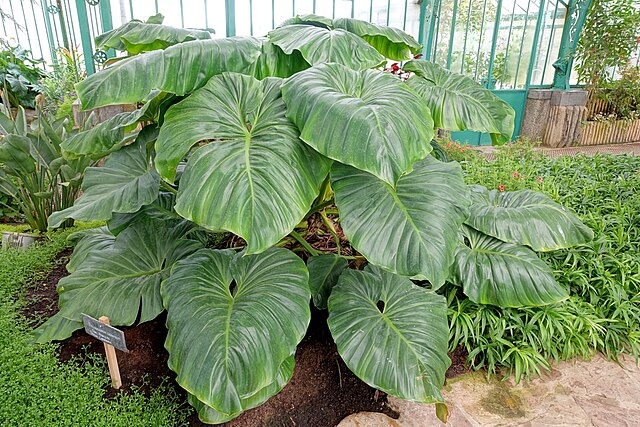
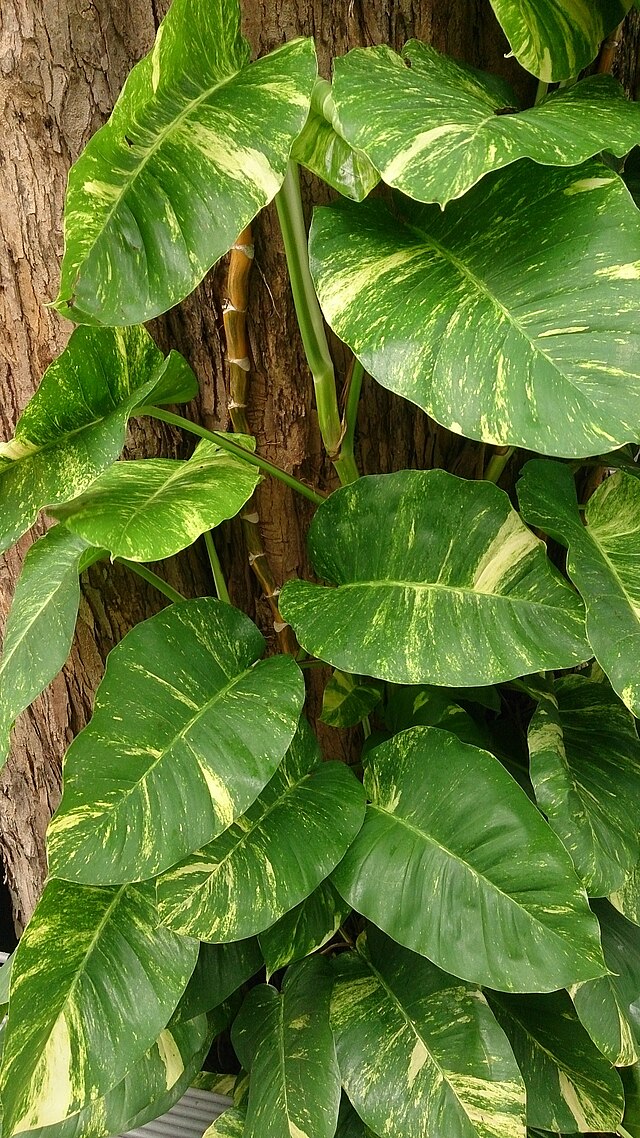
"I worry about my plants while traveling"—this is a concern many houseplant enthusiasts share. For a few days, it's usually not a problem, but for trips of a week or longer, water stress becomes fatal for some plants.
This article explains the types and how to choose automatic watering systems that keep houseplants safe during extended absences. If you'd like to first understand the basics of watering, please also refer to Houseplant Watering Guide.
Overview of Options
For water management during extended absences, there are several main methods:
- Self-Watering Pots (Self-Irrigating Pots)
- Drip Timers (Drip Systems)
- Wick Method
- Soil Moisture Sensor-Linked Systems
- Smart Watering Devices
Each has different appropriate use cases, costs, and maintenance requirements. As of 2026, the prices of home IoT devices have become more reasonable, making them easier to adopt than before.
Self-Watering Pots
How It Works
The pot has a water reservoir at the base that uses capillary action (or a wick) to automatically draw water up into the soil when it dries out.
Advantages
- No special equipment needed—it's simple
- Water is absorbed only when roots need it, reducing the risk of overwatering
- Wide variety of designs that work as décor
Disadvantages
- Limited water capacity (a few days to about two weeks)
- May require additional refilling during very dry periods in midsummer
- Not suitable for all plants (not recommended for succulents)
Recommended Uses
Ideal for water-loving houseplants such as pothos, philodendrons, and monsteras. Easy to use for busy owners who travel frequently.
Drip Timers (Drip Systems)
How It Works
This system supplies water in drips to the base of plants through thin tubes connected to a tap or bottle. Timer-equipped products automatically deliver water at set times and intervals.
Advantages
- Can handle multiple plants simultaneously
- Water volume and frequency can be finely adjusted
- Can handle extended absences (two weeks or longer)
Disadvantages
- Installation is somewhat complex (requires adjustment of tube length and water pressure)
- Many models require batteries or power supply
- Costs around ¥1,500–¥5,000
How to Choose Recommended Products
- Multiple outlet ports (4–8 or more) allow you to handle multiple pots
- Programmable timer (allows settings like once daily or watering at specific times)
- Models with flow controllers that let you adjust water volume per pot
Wick Method
How It Works
One end of a cotton rope (wick) is inserted into the soil, while the other end is placed in a container of water (bucket or bottle). Water is automatically drawn up through capillary action as the soil dries.
Advantages
- Almost no cost (just a cotton rope and container)
- No machinery needed—very simple
- Easy to set up as a DIY project
Disadvantages
- Limited water supply (may be insufficient for large pots or during very dry periods)
- Stops working if the rope becomes clogged
- May be visually unappealing
Tips for Use
The wick should be 100% cotton rope (such as macramé rope). Synthetic ropes don't absorb water well. Insert it through the drainage hole into the soil about 10–15 cm deep, and let the end hang into a water container.
Soil Moisture Sensor-Linked Systems
How It Works
A sensor inserted into the soil continuously measures moisture levels and activates a pump to deliver water only when the soil is dry.
Advantages
- The most rational watering control
- Less likely to overwater
- Some models allow remote monitoring via smartphone
Disadvantages
- Expensive (¥5,000–¥15,000)
- Requires power supply (outlet or USB)
- Installation and setup are somewhat complex
Recommended Uses
Ideal for automating expensive rare aroids and plants requiring careful management. Best suited for experienced growers willing to make an initial investment.
Smart Watering Devices
These devices connect to your smartphone and measure light, soil moisture, and temperature simultaneously to manage watering. You can monitor your plants' condition in real time remotely even while traveling.
While expensive (¥4,000–¥12,000), they provide significant value to collectors with many plants through data visualization.
Pre-Trip Checklist
Preparations to complete the day before traveling:
- Water all pots thoroughly right before departure
- Move away from direct sunlight (close curtains)
- Move plants particularly sensitive to drying to a bathroom or shower room (place wet towels on the floor)
- Test your automatic watering system to ensure it works properly
- Ask a trusted person to check weekly for absences of two weeks or longer
In case plants weaken from water stress while you're away, it's reassuring to also check Houseplant Root Rot Causes, Treatment, and Recovery for recovery methods (helpful for addressing both dry and overwatering issues).
Summary
The best watering strategy for extended absences depends on your at-home time, absence duration, number of pots, and budget. Start by trying the wick method or self-watering pots, then upgrade to drip timers or soil moisture sensors as needed.
Eliminate the regret of plants dying while you're away, and enjoy your plant-filled life with confidence even while traveling.