Root Rot Causes and Recovery Methods for Houseplants | Steps from Early Detection to Plant Revival
Explains the causes, symptoms, and prevention of root rot in houseplants. Introduces early warning signs of root rot from overwatering and poor ventilation, methods for removing and disinfecting rotted roots, post-recovery repotting procedures, and care tips for popular varieties like Monstera, Pothos, and Ficus.
Key Takeaways
Explains the causes, symptoms, and prevention of root rot in houseplants. Introduces early warning signs of root rot from overwatering and poor ventilation, methods for removing and disinfecting rotted roots, post-recovery repotting procedures, and care tips for popular varieties like Monstera, Pothos, and Ficus.
Related Species

Spotting Early Signs of Root Rot | Key Points for Early Detection
Root rot is the leading cause of death in houseplants, but since it develops underground, detection is often delayed. The key to early detection is noticing subtle changes through daily observation.
- Leaf Changes: Lower leaves gradually yellowing and dropping readily when touched is a typical sign of root rot. When new shoots are emerging but older leaves keep falling off, root dysfunction is suspected. In healthy plants, lower leaf yellowing is gradual and progresses while maintaining overall plant balance.
- Stem and Trunk Condition: When the base of the plant feels mushy and soft to light pressure, or the stem discolors to a brownish-tan, these are warning signs. If mold appears on the soil surface or the soil remains constantly wet even after watering, this indicates reduced root water absorption.
- Odor Check: If an unpleasant odor (rotting smell) comes from the soil surface or pot bottom, root rot is already significantly advanced. Normal soil, even when moist, smells like soil and has no foul odor.
Three Main Causes of Root Rot
Oxygen Deficiency from Overwatering
The main cause of root rot is overwatering. When soil stays constantly wet, roots are deprived of necessary oxygen and become suffocated. Houseplant roots breathe and rely on air in soil pores. In soil filled with water, roots cannot breathe, cells begin to die within days, and rot-causing bacteria proliferate.
Failing to follow the basic rule of "water when the soil surface is dry" and instead watering a fixed amount daily is risky. Plant water uptake varies greatly with season and temperature, so watering at summer frequency in winter will certainly cause root rot. The fundamentals of watering frequency and timing are also covered in our Houseplant Watering Guide.
Poor Draining Soil and Pots
Soil quality is also important. Heavy clay soil or old soil with compacted particles from years of use has poor drainage and increases root rot risk. Houseplant soil contains pumice and perlite for balanced drainage and water retention, but degrades over time. For those wanting to review soil composition, see our Houseplant Soil Selection Guide.
Containers without drainage holes or pots with holes that are too small are also problematic. Excess water cannot drain and accumulates in the pot bottom. Leaving water in the catch tray also risks constant soil wetness through capillary action.
Metabolic Slowdown During Cold Periods
Winter requires special care. When temperatures drop below 15°C, most houseplants slow growth and water uptake drops sharply. Watering at summer frequency during this period keeps soil wet and promotes root rot. Even in heated indoor spaces, root activity declines due to nighttime temperature drops and cold near windows.
Emergency Treatment for Rotted Plants | Removing and Processing Decayed Roots
When root rot is discovered, immediately remove the plant from the pot and check the root condition. Healthy roots are white to light brown with elasticity and do not snap easily when gently pulled. Rotted roots are dark brown, smell foul, and turn to mush when touched.
Root Washing and Pruning
First, gently rinse old soil from the roots under running water, taking care not to damage healthy roots. Cut away all rotted roots with clean scissors or a knife. Leaving even small rotted portions risks renewed decay, so decisive pruning is essential.
Remove all parts that show discoloration, smell bad, or crumble when touched. Even if only a small amount of healthy white root remains, the plant can regenerate from it. Clean cuts with sharp tools heal faster.
Disinfection
After pruning roots, let the cut ends dry in partial shade for about half a day before repotting. Although Benlate and Orthocide 80 WP are often recommended for root dipping, neither has labeled guidance for soaking houseplant roots (Orthocide 80 WP registration for flowers and ornamental foliage plants covers 600× dilution spray for damping-off and seed coating, not root immersion), with no specified dilution ratio or duration.
Pruning the above-ground portions is also crucial. Since root loss reduces water uptake, trim the foliage to about 1/3 to 1/2 of its original size. Prioritize removing large and old leaves while retaining young leaves near new shoots to hasten recovery.
Source: MAFF Pesticide Registration Database (Orthocide 80 WP)
Repotting Steps for Recovery
Selecting New Soil and Pot
Always use fresh, sterile soil when repotting plants with root rot. Reusing old soil risks spreading pathogens. A basic mix is red clay balls (small) 6 : leaf mold 2 : perlite 2, though commercial houseplant soil works fine. For better drainage, add pumice or vermiculite.
Choose pot size to match remaining root volume. If roots were severely pruned, use a pot one size smaller than before. Oversized pots dry slowly and stress recovering roots. Terracotta pots offer excellent breathability, ideal for root rot recovery.
Planting and Aftercare
Line the pot bottom with mesh, then add 2-3 cm of pumice or drainage rock. Center the plant and fill around it with soil, but do not compact heavily. Adequate air pockets encourage new root formation.
Do not water immediately after repotting. Watering before cut ends fully dry risks renewed rot. Water for the first time 2-3 days later, then practice "conservative watering"—only when soil is completely dry.
During recovery, keep the plant in bright indirect light. Direct sun stresses weakened plants, while too little light limits photosynthesis. Diffused light through sheer curtains is ideal. Maintain 20-25°C and avoid direct air conditioning drafts.
Root Rot Precautions by Popular Variety
Root characteristics and water preference vary by species, so care requirements differ.
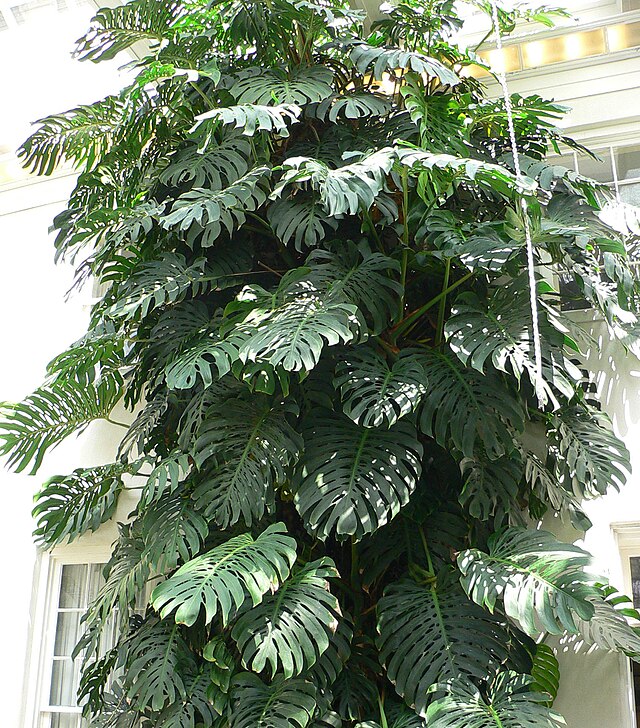
Monstera deliciosa develops aerial roots readily and may appear healthy above ground despite overwatered root systems. Lifting the pot to check weight is particularly useful. Care basics are covered in our Complete Monstera Care Guide.
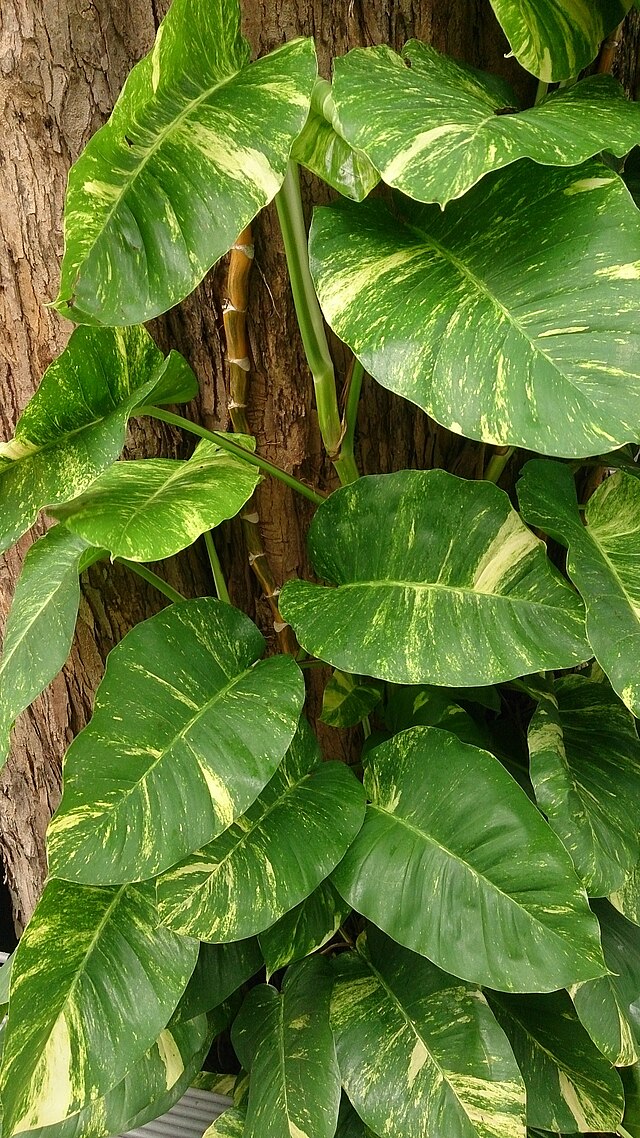
Pothos is extremely hardy and roots in water, but becomes prone to root rot in poorly draining soil. Resistance varies by variety, so reviewing characteristics in our Pothos Variety Guide aids management planning.
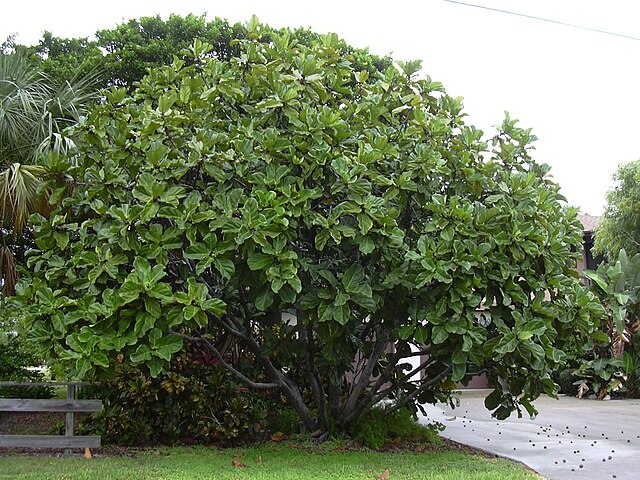
Rubber fig (Ficus) tolerates some dryness but is sensitive to overwatering; problems often go unnoticed until leaves suddenly wilt. Fiddle-leaf fig care is detailed in our Complete Ficus lyrata Care Guide.
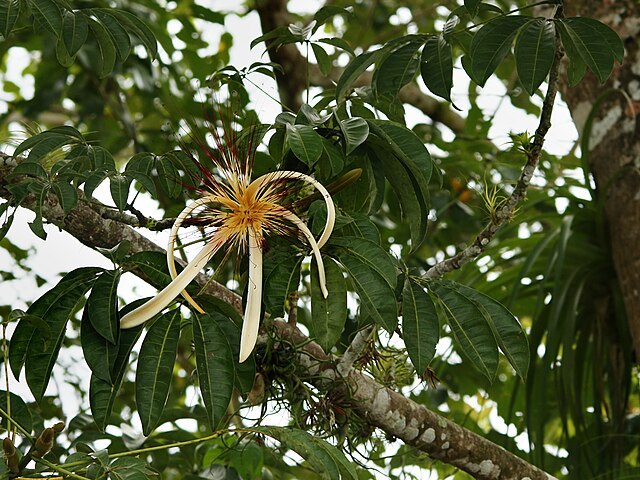
Pachira stores water in its caudex, encouraging conservative watering, but conversely, poor pot ventilation causes rapid root rot. Braided plant care specifics are covered in our Complete Pachira Care Guide.
Watering Techniques to Prevent Root Rot
Check the Whole Pot, Not Just the Surface
"Water when the surface is dry" is correct but insufficient alone. Insert your finger into the soil to the first knuckle to check internal moisture. Even if the surface is dry, if 2-3 cm down is still moist, watering is unnecessary.
Lifting the pot to assess its weight is also effective. Remember its weight just after watering and when fully dry; you'll quickly learn to gauge moisture by feel. You can also peek through the drainage hole to see if soil looks dry and lighter in color.
Seasonal Adjustments
| Season / Condition | Watering Guide |
|---|---|
| Spring through fall (growing season) | Approximately 2-3 times per week |
| Winter | Once a week, sometimes once every 10 days |
| Temperatures 10°C and below | 1-2 times per month |
Water in the morning whenever possible. Evening watering cools soil through night temperature drops, suppressing root activity. In winter especially, watering during warm daytime hours allows excess moisture to evaporate by nightfall.
Watering Amount and Method
The rule is "water thoroughly until it drains from the bottom." Frequent light watering creates "partial moisture"—surface wet, deep soil dry—inhibiting root growth. Thorough watering saturates all soil, displaces stale air, and provides fresh oxygen.
However, always empty water draining from the bottom. Leaving it in the catch tray causes capillary action to pull water back up, creating persistent overwatering. Make it a habit to empty the tray about 15 minutes after watering.
Signs of Recovery and Future Care
Plants recovering from root rot begin growing new roots 2-4 weeks after repotting. Above ground, emerging new shoots and returning leaf shine are early signs. Stay vigilant and continue conservative watering during this phase.
Never fertilize until new roots establish. Fertilizing weakened roots backfires, causing fertilizer burn and renewed decline. Wait until 2-3 new leaves unfold and vigor returns, then start with half-strength liquid fertilizer.
Full recovery is confirmed 3-6 months after repotting. Once roots emerge from the drainage hole, water uptake quickens, and leaves unfold readily, normal care can resume. However, plants that have experienced root rot remain at higher risk of recurrence, so always water carefully.
Prevention beats treatment. Notice small changes through daily observation, judge soil dryness accurately, and adjust care by season—this is the key to keeping houseplants healthy long-term. When receiving plants from a grower, checking root condition upon arrival makes planning future care easier.