Complete Guide to Growing Ficus lyrata (Fiddle Leaf Fig) | Placement, Watering, Pruning, and Leaf Drop Solutions
A practical care guide to Ficus lyrata (Japanese common name: oak-leaf rubber plant) covering placement, light, watering, soil, pruning, pest management, and troubleshooting leaf drop and yellowing.

Key Takeaways
A practical care guide to Ficus lyrata (Japanese common name: oak-leaf rubber plant) covering placement, light, watering, soil, pruning, pest management, and troubleshooting leaf drop and yellowing.
Related Species
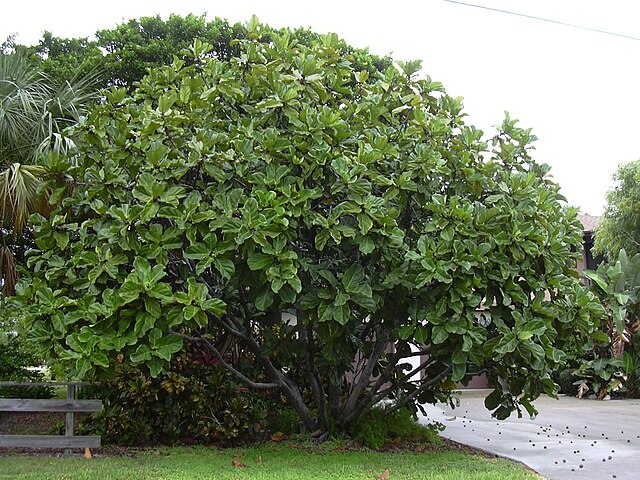
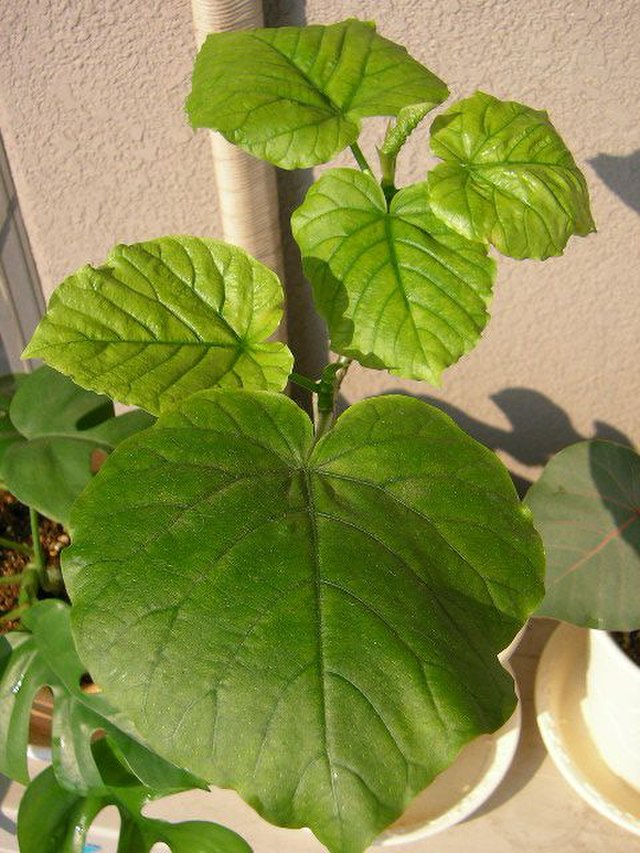
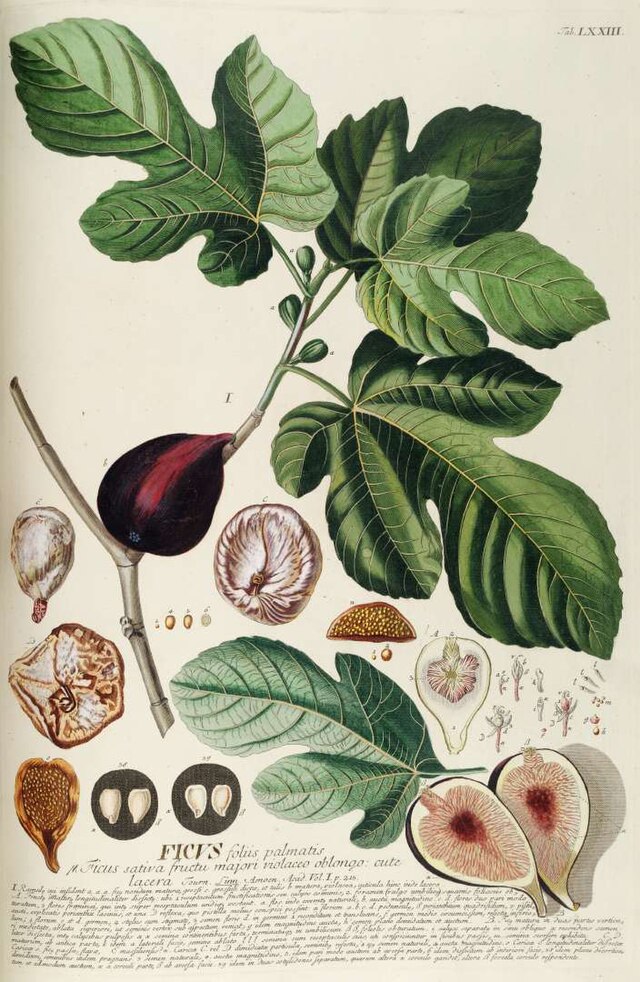
Ficus lyrata is an eye-catching houseplant known for its large, violin-shaped leaves and serves as a centerpiece in interior greenery. Its Japanese common name is oak-leaf rubber plant, and in English-speaking regions it is affectionately known as "Fiddle Leaf Fig" because of its leaf shape. It belongs to the genus Ficus in the Moraceae family, with its native habitat being the tropical rainforests of West Africa, where it naturally grows as a large tree. However, when potted indoors, it is typically kept at a height of 1 to 2 meters. This article will explain in order: placement and lighting, watering, soil and repotting, pruning and shaping, pest management, troubleshooting leaf drop and yellowing, and propagation methods. At GrowerDirect, growers carefully cultivate Ficus lyrata and sell them directly online, allowing you to examine the plant condition through photos and descriptions before making a purchase.
Characteristics and Native Habitat
The most distinctive feature of Ficus lyrata is the way its large, glossy deep green leaves spread in a wavy pattern. With clearly defined veining and each leaf displaying its own distinctive character, this species is often chosen as a focal tree for living rooms and offices. Its native habitat spans the tropical rainforests of West Africa from Cameroon to Sierra Leone, where it naturally grows as a tall tree from the forest floor to the canopy. Because of this, it prefers soft, dappled light rather than intense direct sun. Recreating the conditions of its native environment when setting up your indoor space is the first step to healthy growth. While it has some tolerance for dryness, it is sensitive to sudden environmental changes and continuous moisture around the roots, so it's important to remember that disrupting its placement and watering rhythm can easily lead to leaf drop. Related species include Ficus umbellata and Ficus altissima, and while they differ in leaf shape and size, the basic principles of light and water management remain the same.
Basics of Placement and Lighting
Ficus lyrata prefers bright indirect light to soft direct sunlight. A windowsill with light filtering through lace curtains is ideal, and intense direct sun in midsummer can cause leaf scorch, so it's helpful to adjust with curtains according to the season. Conversely, if kept in a dark location for an extended period, new leaves will become smaller and the plant will develop a stretched, leggy appearance. Once you've chosen a location, it's important not to frequently rotate or move the pot. Ficus lyrata is sensitive to environmental changes, and moving it to a significantly different location can cause stress-induced leaf drop. Avoid places where air conditioning blows directly on the plant or where it will be exposed to cold air near windows in winter. Maintain a minimum winter temperature of around 10°C and manage the plant in a room with stable temperature—this is the safest approach. Also try to avoid high-traffic areas like entryways and hallways where temperature fluctuations are significant, as this reduces stress on the plant.
Watering Tips
The key to watering is "water thoroughly until it drains from the bottom of the pot when the soil surface is dry"—in other words, a deliberate, measured approach. Ficus lyrata dislikes moisture, so keeping the soil constantly wet is a major cause of root rot. Getting into the habit of inserting your finger lightly into the soil to check how dry it is makes it easier to judge without relying on guesswork alone. During the growing season from spring through autumn, increase watering frequency slightly, and during the winter dormant period, check that the soil is dry before watering, spacing applications further apart than usual. Regularly empty water that accumulates in the saucer, as preventing water from pooling in the pot is fundamental to preventing root rot. Additionally, dust that accumulates thinly on the leaves obstructs photosynthesis, so occasionally wiping the leaf surface with a damp cloth helps maintain the overall health of the plant. During dry seasons, lightly misting the leaves also helps prevent spider mites—a real bonus benefit.
Soil and Repotting Timing
Choose a soil that balances good drainage with air circulation. Use houseplant potting soil as a base and mix in perlite or pumice to increase drainage, reducing the risk of root rot. Repotting is typically needed about once every 1 to 2 years; signs that it's time include roots showing at the bottom of the pot or noticing that water drains poorly after watering. The ideal time for repotting is spring through early summer when temperatures stabilize and growth becomes active. After gently loosening the root ball, move it to a pot one size larger to provide space for roots to expand. Repotting suddenly into a pot that is too large can make the soil overly moist, so it's safer to increase pot size gradually. Right after repotting, avoid direct sunlight until roots settle, and water sparingly to allow the plant to rest.
Pruning and Shape Development
Ficus lyrata tends to grow tall as it matures, and if left unattended will develop a leggy appearance with leaves concentrated only in the upper portion. To achieve your ideal height and branch structure, decisive pruning during the growing season is effective. Cutting just above where you want the plant to branch back causes new branches to emerge from below, giving the plant fuller shape. White sap may flow from the cut, so wear gloves and be careful to keep the sap off your skin. Use clean pruning tools, and make a habit of sterilizing your blades before and after pruning to prevent disease transmission. Since pruning too many branches at once puts excessive stress on the plant, it's recommended to make adjustments gradually while observing the plant's response.
Pest Management and Leaf Troubleshooting
The pests to watch for on Ficus lyrata are spider mites and scale insects.
| Pest | Symptoms | Control |
|---|---|---|
| Spider mites | Common in dry environments; fine spots appear on leaf undersides or fine webbing is visible | Focus on early detection through regular misting and inspecting leaf undersides |
| Scale insects | White cottony or brown crusty deposits appear on stems and leaf bases; if left untreated, they drain plant nutrients and weaken the plant | Remove by rubbing with an old toothbrush, or consider using commercial insecticide if damage is widespread |
If leaves suddenly drop, the main causes are likely root rot from overwatering, a sudden change in location, or exposure to cold.
- If lower leaves yellow and drop, suspect overwatering
- If leaves near new growth wilt, suspect underwatering or root-bound conditions
The quickest way to resolve problems is to review your watering frequency and location based on the suspected cause.
Propagation Methods (Cuttings and Air Layering)
Common methods of propagating Ficus lyrata are cuttings and air layering.
| Method | Procedure | Characteristics |
|---|---|---|
| Cuttings | During the growing season, take a healthy branch about 10–15 cm long, allow the cut to dry, then place in water or soil to await rooting | Relatively easy to attempt |
| Air layering | Peel a portion of bark from the stem, wrap it with sphagnum moss, and once roots form, cut off and establish as an independent plant | Allows you to create a new plant from the upper portion while managing an overgrown specimen |
Regardless of method, success of rooting depends on maintaining high humidity and stable temperature, so manage in a bright location away from direct sunlight and be patient in monitoring progress. At GrowerDirect, growers carefully cultivate Ficus lyrata and other distinctive houseplants in the same Ficus genus, such as Ficus umbellata, which you can compare and select online at your leisure. Carefully examine plant form and leaf condition in the photos, and with reference to the product description if you have any concerns, enjoy finding the perfect plant suited to your home environment.