Complete Guide to Growing Pachira | Characteristics of Braided Specimens and Watering, Repotting, and Propagation
From the characteristics of Pachira's native habitat, also called the money tree, we provide detailed explanations of placement, watering, winter care, repotting, propagation by cuttings, and common troubleshooting.
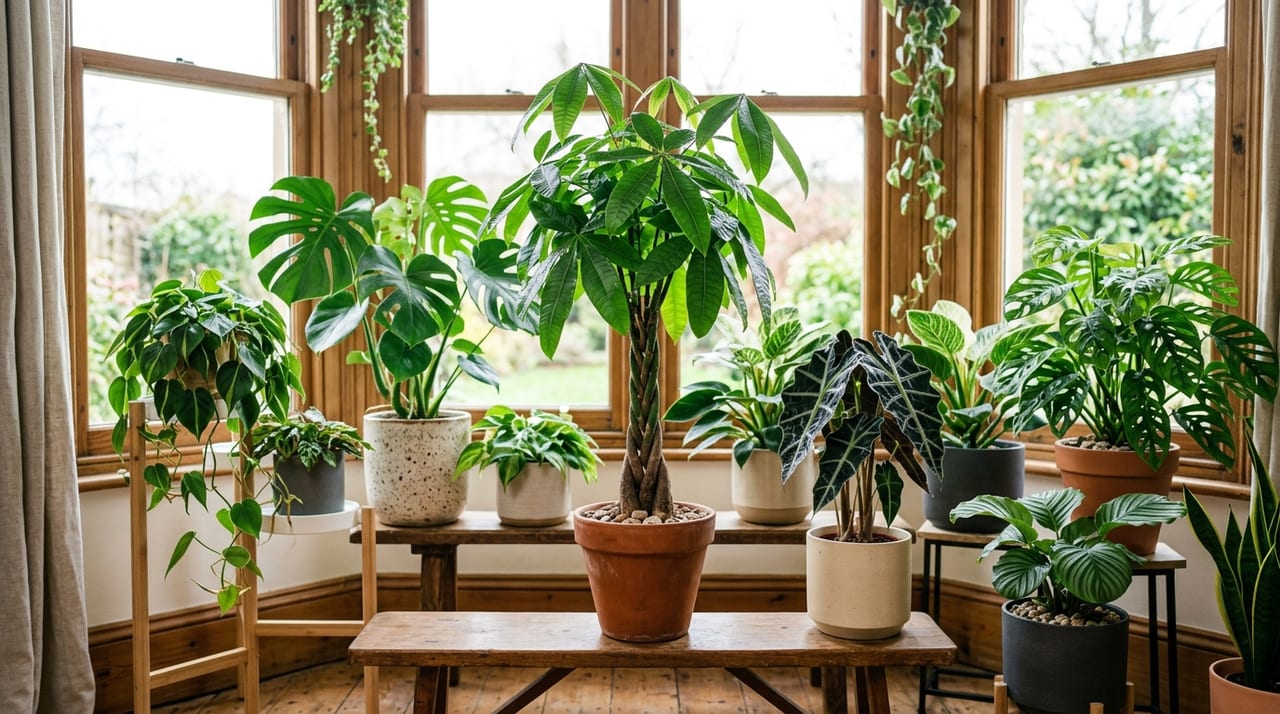
Key Takeaways
From the characteristics of Pachira's native habitat, also called the money tree, we provide detailed explanations of placement, watering, winter care, repotting, propagation by cuttings, and common troubleshooting.
Related Species
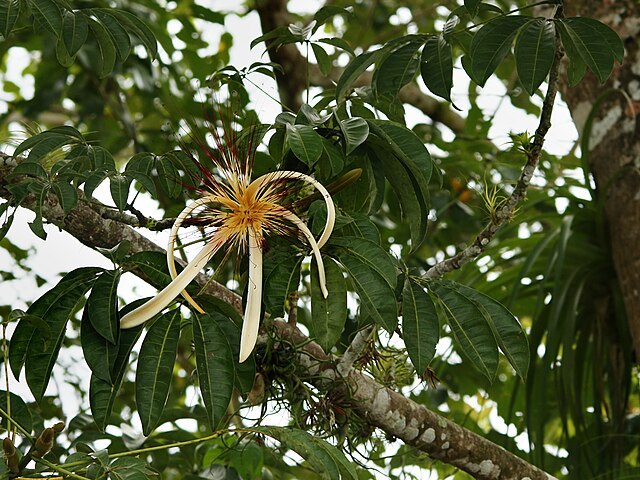
Pachira (scientific name: Pachira aquatica) is a houseplant popular for its distinctive form with thick braided stems. It has the auspicious alternative name "money tree" and is a standard gift plant, yet its actual cultivation methods and characteristics are surprisingly little known. In this article, we provide detailed explanations from the characteristics of Pachira's native habitat through daily care, propagation methods, and troubleshooting.
Basic Characteristics and Native Habitat of Pachira
Pachira is an evergreen tree of the Bombacaceae family (formerly Malvaceae) native to wetlands in Central and South America (Mexico to northern South America). In the wild, it grows naturally along waterways, and its scientific name derives from the enlarged base of the stem, meaning "water chestnut." Most Pachira distributed in cultivation are artificially braided stems from multiple seedlings—so-called "braided Pachira"—that fuse together as they grow and eventually appear as a single thick stem.
It has relatively high shade tolerance and is drought-resistant, making it one of the easier houseplants to care for. However, since it is originally a tropical plant that prefers warm, humid conditions, care must be taken with winter cold and dry indoor environments.
Daily Care: Placement and Watering
Placement and Light Requirements
Pachira grows well in bright shade to partial shade. In windows with intense direct sunlight, leaf scorch can occur, so filtered light through sheer curtains is ideal. Conversely, insufficient light causes leggy growth with elongated stems, so ensure a minimum level of brightness.
Watering Basics
During the growing season (spring through fall), water thoroughly when the soil surface dries. Pachira has the characteristic of storing moisture in its stems, so it is relatively hardy to gaps in watering, but if the pot remains constantly moist, root rot will develop.
In winter, growth slows, so reduce watering frequency and apply water only after the soil has dried thoroughly and a few days have passed—this is the safest approach. Also avoid allowing water to sit in the saucer, which prevents root rot.
Temperature, Humidity Management, and Winter Care
Since Pachira is tropical in origin and sensitive to cold, it is recommended to maintain indoor temperatures of at least 5°C or higher in winter. Window areas cool significantly at night, so in cold periods, closing curtains or placing the plant on the windowsill during the day and moving it to the center of the room at night are effective strategies.
Avoid placing the plant directly in air conditioner drafts, as they cause stress from drying and temperature fluctuation. During dry seasons, misting the leaves with a spray bottle addresses both dryness and helps prevent spider mites and other pests.
Repotting and Soil
Pachira grows quickly and is prone to becoming root-bound. When roots appear at the pot's bottom, it's time to repot. As a guideline, repot once every 2–3 years in late spring (May–June) when the growing season begins, moving to a pot one size larger.
Appropriate soil is houseplant potting mix blended with perlite or pumice at approximately 10–20% to improve drainage. When repotting, prune damaged roots, acclimate them to fresh soil, then water thoroughly.
Propagation: Propagation by Cuttings
Pachira is relatively easy to propagate by cuttings. During the growing season, cut healthy stems about 10–15 cm long, remove lower leaves, then place them in water or soil. For water propagation, once roots extend a few centimeters, transplant to soil and gradually transition to regular care.
Avoid direct sun until roots form and maintain in bright shade for higher success rates. While air layering is also known to work, cuttings are more practical for home cultivation.
Common Problems and Solutions
Yellowing Leaves and Leaf Drop
Root rot from overwatering or sudden environmental changes (relocation or seasonal shifts) are primary causes. Check the soil moisture; if overly wet, reduce watering and repot if necessary to inspect roots.
Pests (Scale Insects and Spider Mites)
Spider mites appear in dry conditions, while scale insects emerge in poorly ventilated environments. Regular leaf misting and air circulation are the foundation of prevention. If infestation occurs, remove pests mechanically with a brush or treat with appropriate pesticides.
Pruning to Shape the Plant
Since Pachira grows quickly, stems may become overgrown and the plant shape irregular with time. Pruning during the growing season minimizes plant stress, and new shoots emerge from cut points to create a fuller, more compact form.
Basic Pruning Points
- Timing in the active growth period of May–July is ideal
- Cut overgrown stems back to a desired height and wait for new shoots to emerge from the node just below the cut
- Rather than severely cutting back the entire plant at once, prune gradually over time, which minimizes plant stress
Pruned stems can be used directly for propagation following the cutting method described above, making it efficient to manage pruning and propagation together.
About Flowering
Pachira produces white brush-like flowers when conditions align, but flowering rarely occurs in typical Japanese indoor environments. As a houseplant, enjoying the foliage and braided stems is the standard appreciation method, so managing the plant specifically for flowers is usually unnecessary.
Pachira is a hardy, easy-to-care-for houseplant that can be enjoyed as interior greenery for years. By following basic care guidelines, even beginners can successfully cultivate handsome braided specimens for the long term.