Winter Cold Protection: Houseplants & Succulents Winter Survival Guide
A guide to overwintering foliage plants and succulents. We explain 5 key points: the timing to bring plants indoors, how to water sparingly during winter, measures against cold air and temperature fluctuations near windows, how to protect leaves from drying caused by heating, and how to supplement insufficient sunlight with grow lights.
Key Takeaways
A guide to overwintering foliage plants and succulents. We explain 5 key points: the timing to bring plants indoors, how to water sparingly during winter, measures against cold air and temperature fluctuations near windows, how to protect leaves from drying caused by heating, and how to supplement insufficient sunlight with grow lights.
Related Species

Protecting Houseplants from Winter | Basic Winter Survival Guide Even Beginners Can Master
If you grow houseplants and succulents, you've probably experienced them thriving in summer but turning yellow or wilting in winter. Since most houseplants originate from tropical and subtropical regions, Japan's winter cold puts significant stress on them. However, with proper care, even beginners can help their plants survive winter in healthy condition. This article clearly explains six key points to keep in mind for winter care.
1. Don't Miss the Timing for Moving Plants Indoors
The first and most crucial step for winter survival is "moving indoors." The guideline is before the minimum temperature drops below 10°C. Timing varies by region, but in Honshu, late October to early November is typical.
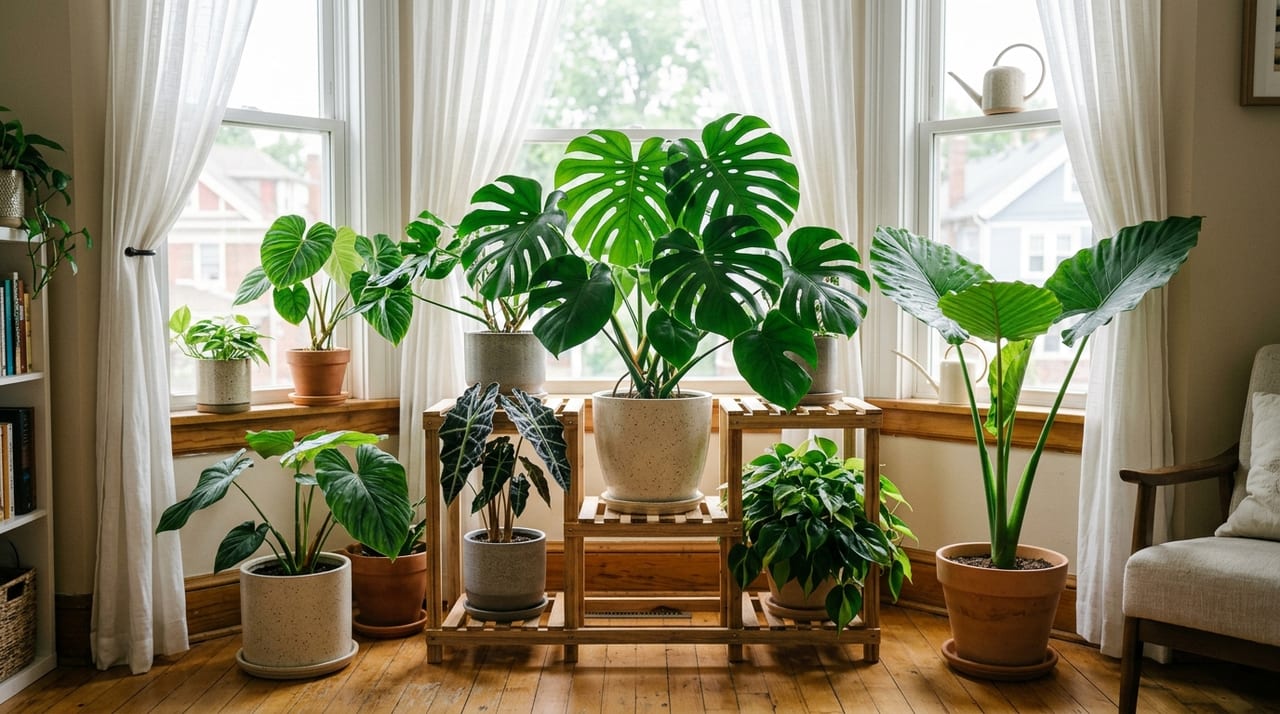
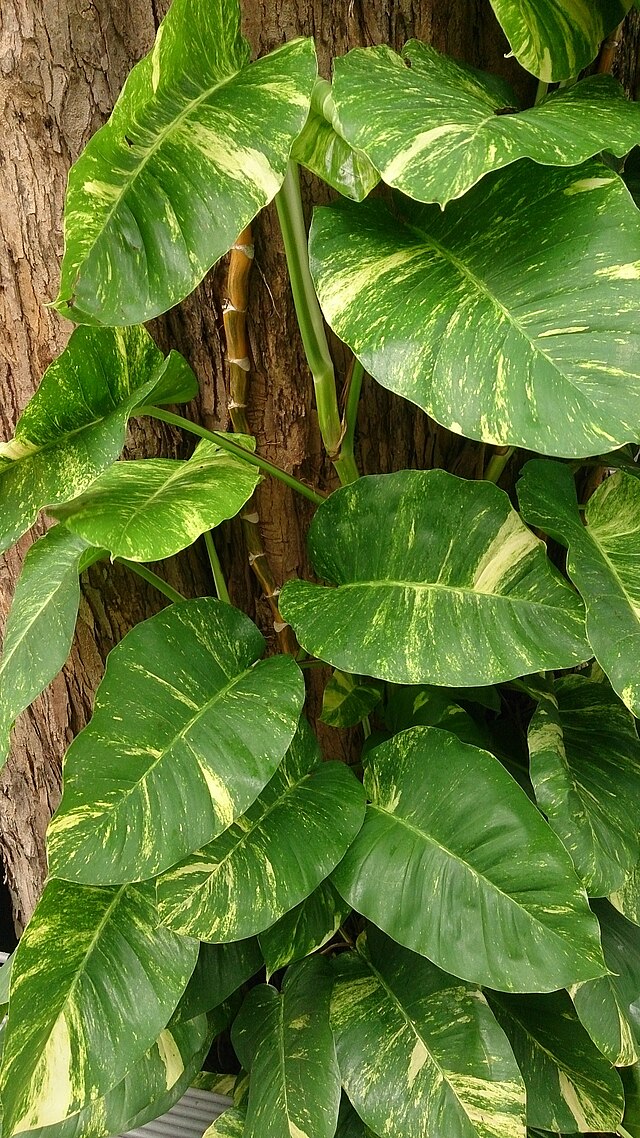
Tropical houseplants (Monstera, Pothos, Bird of Paradise, etc.) require special attention. Growth drops significantly below 15°C, and as it gets colder, leaves begin to deteriorate. If you're complacent and leave them outdoors, a single cold night can cause irreversible damage.
When moving indoors, it's better to gradually adjust the environment over several days rather than placing them directly in a warm room. Sudden temperature changes are also stressful for plants. If you grow succulents or agave, refer to the Agave Winter Care and Cold Protection Guide to better understand cold tolerance differences among varieties.
2. Winter Watering: "Less is More" is the Golden Rule
One reason houseplants weaken in winter is overwatering. In winter, plant growth slows (some enter near-dormancy), and roots lose their ability to absorb water effectively. Continuing to water at summer's pace easily leads to root rot.
The basics of winter watering are as follows.
- Reduce watering frequency to half or less than summer
- Rather than watering immediately when the soil surface dries, wait another 2-3 days before watering thoroughly
- Always drain water from the saucer (excess water causes root rot)
- Use room-temperature water (cold water damages roots)
Some types of succulents and cacti require near-no-watering management in winter. It's reassuring to research the characteristics of each variety beforehand. If root rot signs have already appeared, check Houseplant Root Rot: Causes, Treatment & Revival Guide for early detection tips.
3. Watch Out for Window "Cold Drafts" and "Temperature Swings"
Moving indoors doesn't mean you're out of the woods. Windowsills are winter's worst enemy. Even if they're warm in the daytime sun, nighttime brings a sharp temperature drop from outside air. Cold penetrates through window glass, and plants placed on sills commonly suffer "cold injury."
Preventive measures include:
- Keep plants at least 10cm away from the window
- Close curtains at night to block cold drafts
- On particularly cold nights, cover plants with cardboard or non-woven fabric
These methods are effective. Also, some plants (Crassula ovata, Ficus species, etc.) drop leaves easily with large day-night temperature swings, so it's important to choose as stable a location as possible with minimal temperature fluctuation.
4. Protecting Leaves from Heating-Induced Dryness
Another concern in winter indoors is dryness. Using air conditioning or floor heating rapidly lowers indoor humidity. Since tropical plants prefer high-humidity environments, dry indoor conditions cause leaf tips to brown and pests like spider mites to proliferate.
The following methods are effective for combating dryness.
- Use a humidifier to maintain indoor humidity around 50-60%
- Mist leaves with a spray bottle (best done in the morning)
- Group multiple plants together to raise local humidity through transpiration
- Place a tray under the pot with wet gravel or hydroculture beads
However, misting at night can cause dampness and disease, so be mindful of timing.
5. Supplement Insufficient Light with Grow Lights
Winter brings shorter daylight and significantly reduces light entering indoors. Insufficient photosynthesis causes plants to become leggy (thin, elongated growth) or pale in leaf color. If light remains insufficient even on a windowsill, using a plant grow light is recommended.
- Aim for 10-12 hours per day of light (timer setting is convenient)
- The standard is to position the light 20-30cm from the plant
- LED types are energy-efficient and generate little heat, making them ideal for indoors
Also, fertilizer is basically unnecessary in winter. Fertilizing during dormancy can cause "fertilizer burn," damaging roots. Wait to fertilize until spring (March-April) when new growth appears.
Summary | Five Essential Winter Survival Tips
When summarizing what matters for houseplant winter survival, it comes down to these five points.
- Move plants indoors before temperature drops below 10°C
- Cut watering to half or less than summer, waiting several days after soil dries
- Avoid windowsill cold drafts and place in a location with minimal temperature change
- Actively use humidification and leaf misting to combat heating-induced dryness
- Supplement low light with grow lights and avoid winter fertilizing
Those worried about killing their plants should start by carefully practicing these basics. If you provide the right environment, plants will surprise you with their resilience and survive winter. The joy of new growth in spring is possible only with careful winter care.
For detailed care by plant type or if you're considering purchasing rare succulents or houseplants, please use GrowerDirect. GrowerDirect is a platform that directly connects plant-loving growers with buyers. By bypassing intermediaries, you can obtain healthy plants at reasonable prices and consult growers directly about cultivation methods for peace of mind. Find your special plant connection with GrowerDirect.