Overwintering Indoor Plants | Cold-Weather Protection for Frost-Sensitive Varieties
Winter care methods for frost-sensitive indoor plants. We explain temperature management, adjusting watering frequency, how to use cold-protection products, and cold-hardy temperature thresholds by variety.
Key Takeaways
Winter care methods for frost-sensitive indoor plants. We explain temperature management, adjusting watering frequency, how to use cold-protection products, and cold-hardy temperature thresholds by variety.
Related Species
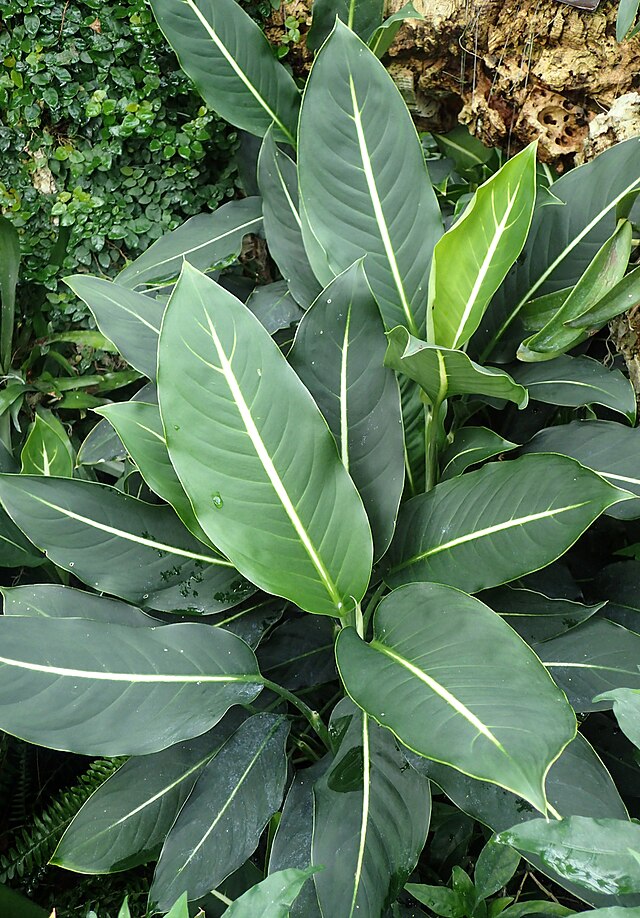
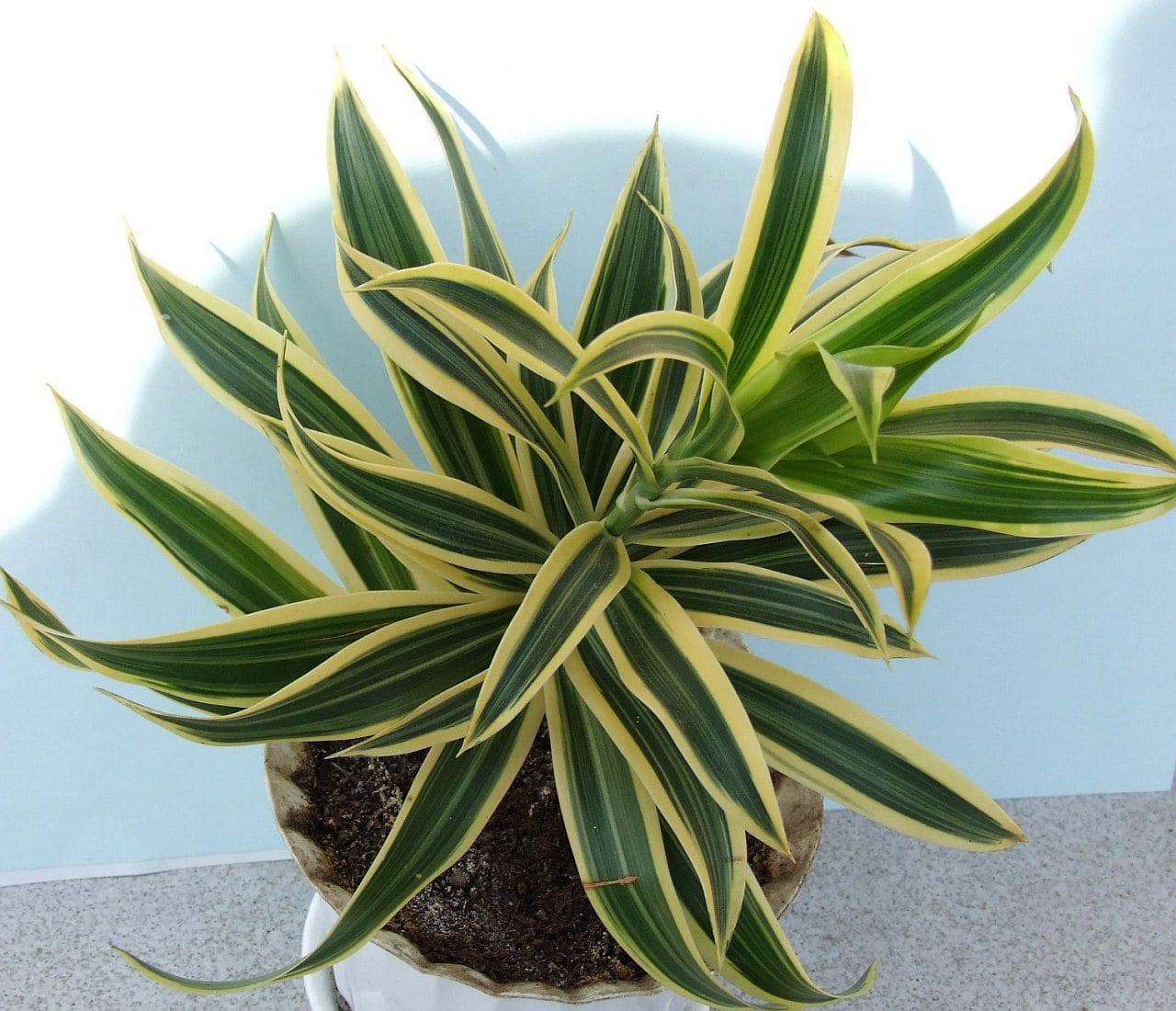
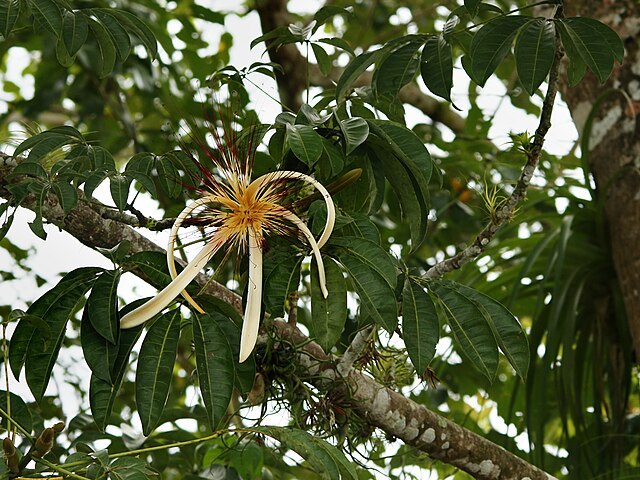
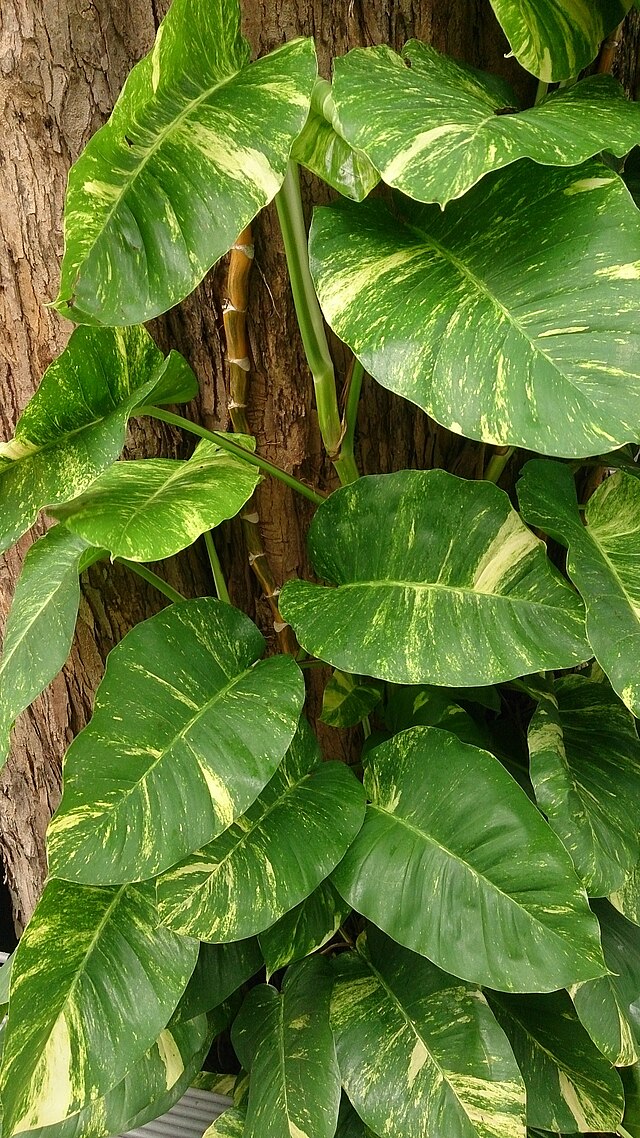
For tropical and subtropical indoor plants, Japan's winter is a harsh season. These plants, which naturally grow in warm climates year-round, are extremely sensitive to temperature drops and the dry indoor environment of winter. Without proper cold-protection measures, leaves can turn yellow and fall, roots can be damaged, and the entire plant may die.
However, with the right knowledge, most indoor plants can survive Japan's winter without problem. This article explains winter care in detail—from cold-hardy temperature guidelines by variety, to temperature, watering, and humidity management methods, to how to use convenient cold-protection products.
Understand the Cold-Hardy Temperature Threshold by Variety
The first step in winter care management is understanding what temperature range your plant can tolerate. Breaking this down into three groups makes management easier.
Minimum 10°C or Higher Required (Frost-Sensitive Varieties)
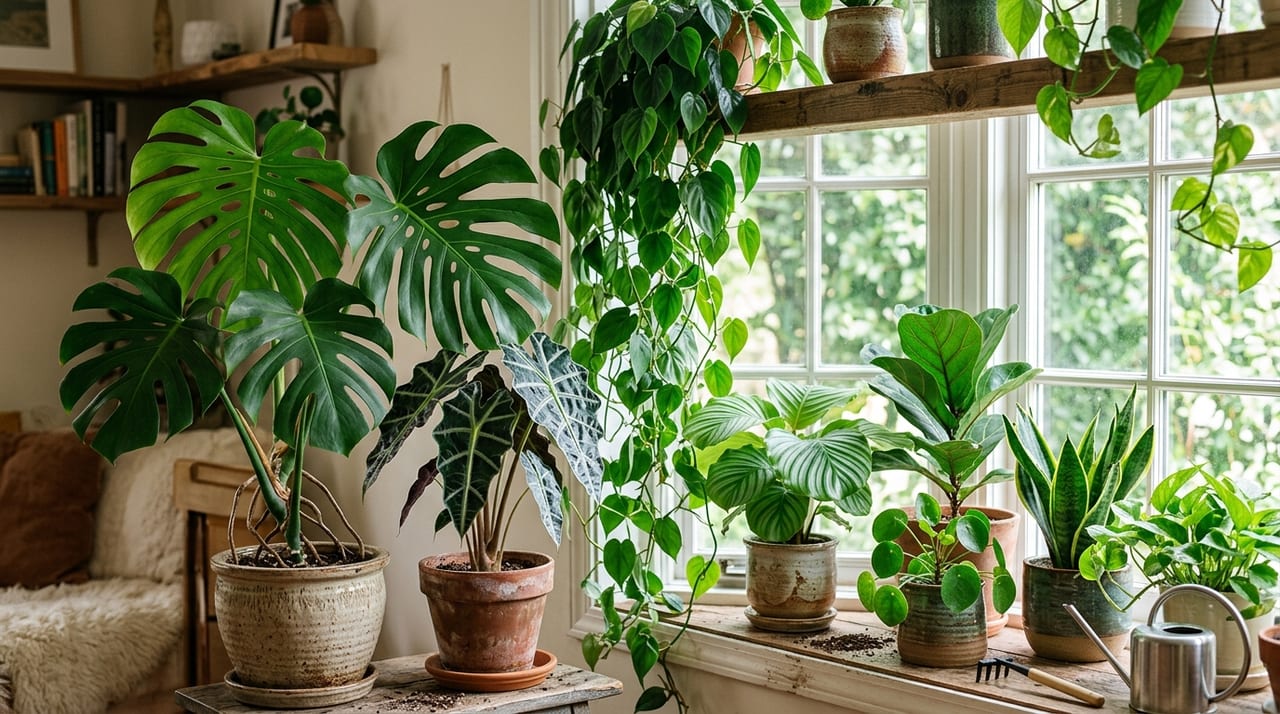
Alocasia, Calathea, Strelitzia, Croton, Dieffenbachia, Anthurium, and others fall into this group. When the temperature drops below 10°C, leaves begin to suffer damage, and below 5°C can cause fatal harm. Overwintering in a heated room is essential, and develop the habit of placing a thermometer to constantly monitor the room temperature.
Minimum 5°C or Higher Required (Moderately Frost-Sensitive Varieties)
This group includes Monstera, Pachira, Ficus lyrata, Pothos, Dracaena, Ficus elastica, and other Ficus species. They can survive in a typical home interior, but direct cold air from windows and doorways can cause unexpectedly severe chilling. Special attention is needed to placement at night.
Can Tolerate Down to Around 0°C (Relatively Cold-Hardy Varieties)
Olive, Parlor palm, Yucca, Ivy, Schefflera, Agave, and others are relatively cold-hardy. In warm regions, outdoor overwintering away from frost is possible, but indoor management is safer in cold climates.
Temperature Management | Three Ways to Protect Plants from Cold Air
Be Careful of Cold Air Near Windows
Placing plants by the window during the day is effective for sunlight, but at night temperatures drop sharply due to cold air from the glass. Near a single-pane window, the temperature can drop to nearly outdoor levels. Once the sun sets, move pots at least 50 cm away from the window, or place cardboard between the window and plant to block cold air. Simply closing heavy curtains can keep window-area temperatures 2–3°C warmer.
Protecting Against Cold Air from the Floor
Cold air settles in low places in a room. Placing a pot directly on flooring causes the roots to chill, leading to root rot or poor growth. Use a plant stand or shelf to place pots at least 30 cm above the floor, or place a sheet of expanded polystyrene under the pot for insulation.
Heating Vents Are the Enemy
Direct exposure to hot air from air conditioning or space heaters causes extreme temperature fluctuations and rapid drying. Brown leaf tips and crispy leaves are often caused by this. Choose a location away from heating vents where temperature remains stable.
Adjusting Watering | Winter Calls for "Drier" Conditions
In winter, plant metabolism slows dramatically, and water absorption often drops to less than half of summer levels. Continuing to water at summer frequency causes excess moisture in the soil, leading to root rot.
Watering Frequency Guide
- Summer: Approximately twice a week → Winter: 2–3 times per month
However, don't be too rigid with numbers; instead, develop the habit of waiting "2–3 days after the soil surface dries." Especially on cold days, hold back on watering; ideally water in the morning on sunny days when room temperature is higher.
Pay Attention to Water Temperature
Winter tap water drops below 10°C, and using it directly can shock the roots. Fill a bucket or container and let the water reach room temperature before using. Water at around 20°C (lukewarm) is even more effective.
Always Empty Water from Saucers
If water collects in the saucer after watering and is left there, roots are exposed to cold water for extended periods. Make it a habit to empty saucer water within 30 minutes of watering.
Humidity Management | Overlooked Dryness Solutions
Indoor humidity in winter can drop to 30–40% due to heating. For tropical plants, ideal humidity is 60–80%, so dryness becomes a major stress. Leaf tip burn, curled leaves, and spider mite outbreaks are often caused by low humidity.
Effective Humidity Solutions
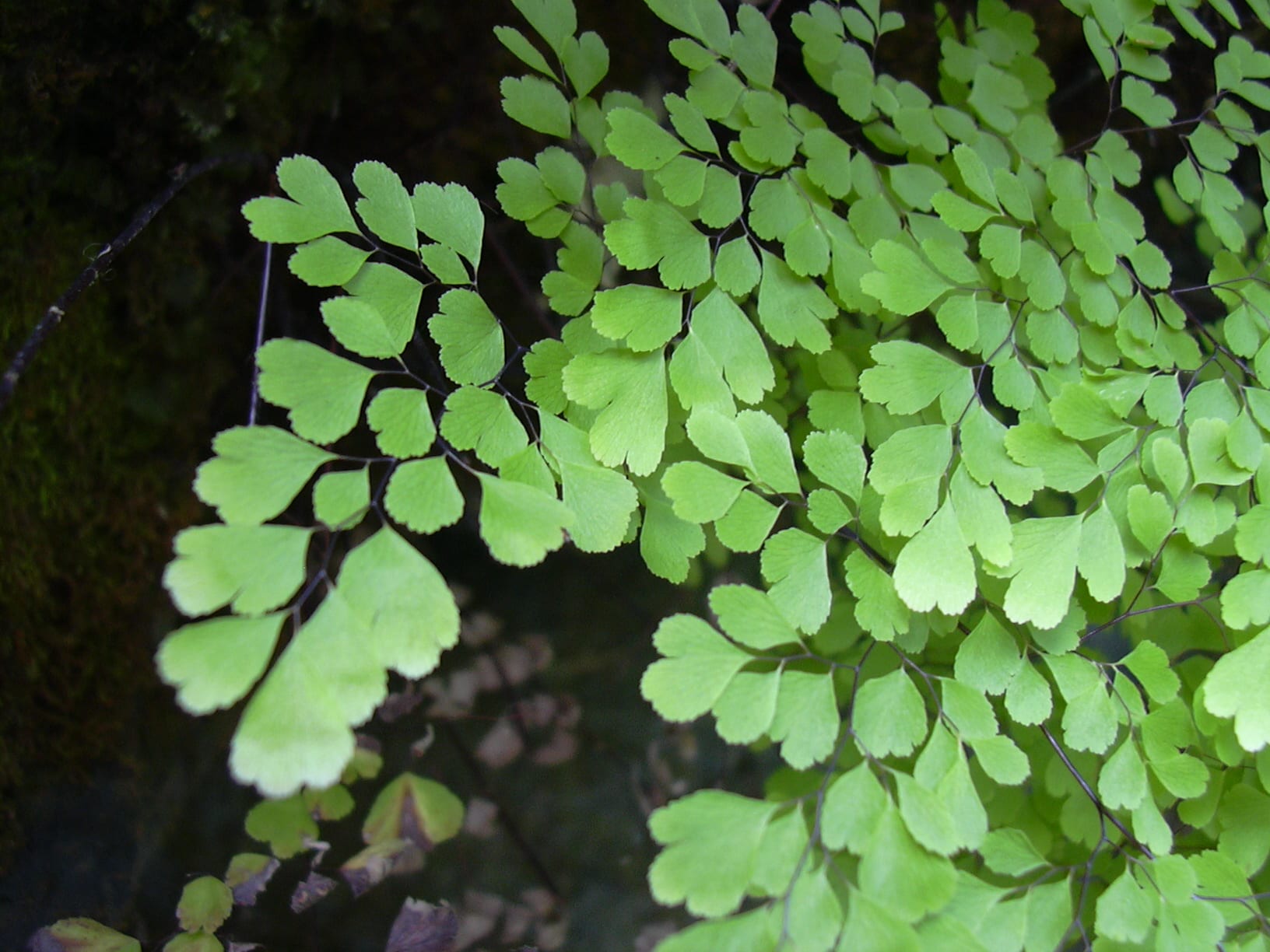
- Mist leaves daily: Essential for humidity-loving varieties like Calathea, Adiantum, and Alocasia. Spraying the undersides of leaves also helps prevent spider mites
- Use a humidifier: Most efficient when placed near plants. Ultrasonic humidifiers are considered gentler on plants than steam types
- Use a pebble tray: Arrange small stones in a saucer, add water, and place the pot on top. Evaporating water raises local humidity around the pot
- Group plants together: Placing multiple plants close together allows transpiration moisture to circulate between them, maintaining humidity more easily
Smart Use of Cold-Protection Products
Use various items—both commercial products and household items—to support overwintering.
Cardboard boxes: Simply covering the pot with a cardboard box at night can keep interior temperatures 3–5°C warmer. It's a cost-free, easy first option to try.
Non-woven fabric and horticultural insulating sheets: These are breathable and resist moisture buildup, so they can be left on even during the day. They're reasonably priced at garden centers.
Plant heating pads: Electric mats placed under the pot directly warm the roots. They use little power and are economical; using reptile heat panels is also common.
Small vinyl greenhouses: Ideal for plants managed on a balcony. However, interior temperature can spike sharply on sunny days, so always open vents during the day to prevent overheating.
If You Think Your Plant Didn't Survive Winter
Even if all leaves have fallen, if the stem and roots are still alive, there's a good chance of recovery in spring. For species like Pachira and Ficus lyrata, leaf drop in winter is a natural response, and discarding them as "dead" is premature.
To check if the plant is alive, gently press the stem to see if it's still firm and flexible. You can also gently scrape the bark with a clean knife blade; if the inside is greenish, the plant is alive. If there's hope, wait through spring with minimal watering. After April when temperatures stabilize, gradually resume watering and fertilizing to encourage recovery.
Choose Plants While Consulting About Overwintering at GrowerDirect
To fundamentally resolve concerns about winter survival, choosing cold-hardy varieties from the start is an important option. At GrowerDirect, you can purchase indoor plants directly from growers who cultivate them, so before purchasing you can discuss your region's climate and growing environment to choose the right variety.
You can ask experienced growers specific questions like "Which varieties can I grow in Hokkaido?" or "Which indoor plants are best for apartment overwintering?" Since these professionals actually grow plants, they can also answer your questions about post-winter care and seasonal care tips. You can start your indoor plant life with confidence, even as a beginner.