Houseplant Winter Care and Cold Protection Guide
Many houseplants are sensitive to cold, requiring careful management during winter. This guide explains how to maintain room temperature, protect plants from drafts near windows, reduce watering frequency during winter, and manage dryness from heating.
Key Takeaways
Many houseplants are sensitive to cold, requiring careful management during winter. This guide explains how to maintain room temperature, protect plants from drafts near windows, reduce watering frequency during winter, and manage dryness from heating.
Related Species
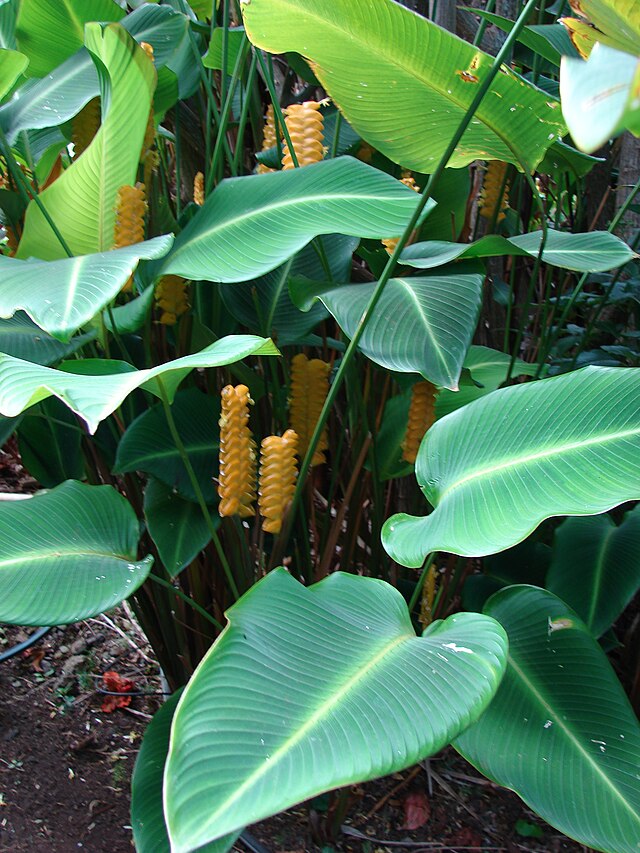
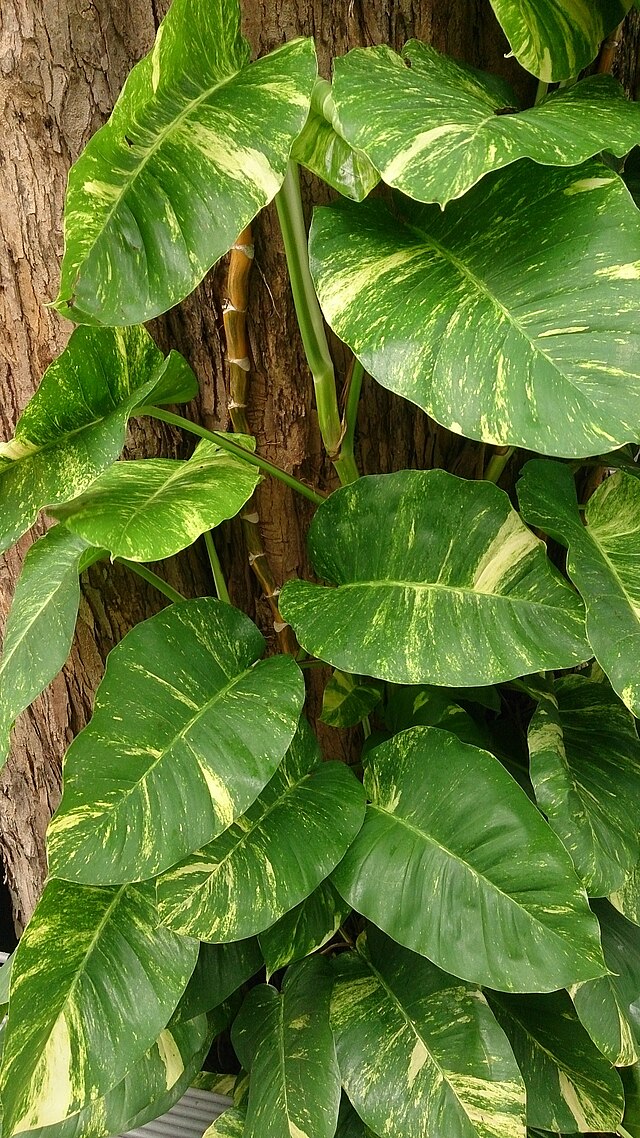
Many houseplants originate from tropical and subtropical regions, making Japan's winter an extraordinarily harsh season far removed from their natural growing environment. The combination of falling temperatures, shortened daylight hours, and dryness from heating can cause plants to suffer damage without being noticed. However, with proper winter care focused on key points, it is entirely possible to bring plants through to spring in vigorous condition. This guide provides systematic explanations of the knowledge needed to successfully overwinter houseplants, from room temperature management to adjustments in watering and fertilizing.
Understanding Why Houseplants Weaken in Winter
Before considering winter protection strategies, let's first understand why houseplants weaken during winter.
Tropical and subtropical houseplants have evolved to adapt to warm, humid environments throughout the year. Monstera, Pothos, Calathea, and Ficus species are representative examples. For these plants, temperatures below 10°C approach the "limit of survival," as water within cells begins to freeze and damages the tissue.
Furthermore, winter brings not just falling temperatures but also shortened daylight hours and changes in the angle of light, which drastically reduce photosynthesis. When photosynthesis declines, energy production falls, and the plant's overall metabolism slows. Applying summer-level care to plants operating in this "energy-saving mode" can be counterproductive, so a seasonal approach is essential. If you'd like to revisit the fundamentals of sunlight exposure, the Houseplant Light and Lighting Guide is also helpful.
Room Temperature and Placement Management Are Critical
Know the Minimum Temperature Guidelines
The most important factor in overwintering houseplants is temperature management. General guidelines are as follows.
- 10°C or higher: Hardier species such as Pothos, Monstera, and Ficus
- 15°C or higher: Cold-sensitive species such as Calathea, Strelitzia, and Anthurium
- 20°C or higher: Species that particularly prefer warmth, such as Platycerium (some species) and Aglaonema
If a label or care card at purchase lists the "minimum overwintering temperature," be sure to check it. When purchasing directly from growers on GrowerDirect, you can directly ask about the appropriate temperature at the time of handoff, which provides peace of mind.
Beware of "Nighttime Cold Drops" After Heating Is Turned Off
Even though daytime heating maintains room temperature, turning off heating after bedtime can cause a sharp drop. In older homes with poor insulation, it's not uncommon for morning temperatures to fall to 5°C or below.
Using a thermostat-equipped small heater or a plant-specific greenhouse is effective as a countermeasure. Even without a full greenhouse, simply placing a clear vinyl cover can maintain a temperature several degrees higher than the surroundings.
Protection Against Window Drafts and Radiative Cooling
Windows Are "Colder Than They Appear"
Houseplants are often placed near windows to catch sunlight, but winter windowsills harbor an easily overlooked danger: radiative cooling. Radiative cooling is the phenomenon in which the glass surface loses heat to the outside air, causing temperatures near the window to drop significantly below those in the center of the room. Radiative cooling is strongest on clear nights.
The basic strategy is to expose plants to sunlight during the day while moving them at least 50cm away from the window at night. If moving pots every night is inconvenient, simply placing cardboard or foam board between the window and pot can significantly reduce cold air infiltration.
Using Curtains and Insulating Film
Simply closing heavy curtains at night has been shown to raise window temperatures by several degrees. As a more thorough measure, applying insulating film to the window glass can reduce radiative cooling itself.
Winter Watering and Soil Moisture Checking
Reduce Watering Frequency "Significantly" as the Basic Rule
During winter, plant metabolism slows, causing roots to absorb water more slowly. Continuing summer watering rates keeps soil wet and can cause root rot. Initial signs of root rot and recovery methods are explained in detail in the Houseplant Root Rot: Causes, Treatment, and Recovery Guide.
The guideline is to wait 2-3 days after the soil surface dries before watering. Managing with drier soil is one of the most important practices for successful overwintering.
Watering Timing and Water Temperature
Watering is ideal during the morning hours when temperatures begin to rise. Cold water stresses plants, so let tap water reach room temperature before using it. Always drain water that accumulates in saucers the same day. Water in saucers not only causes root rot but can also harbor pests like fungus gnats.
Humidity Management and Fertilizer Care
Heating-Related Dryness Is "Gradual" Damage
When using air conditioners or kerosene heaters in winter, indoor humidity often drops to 30% or lower. This dryness is a major threat to tropical plants, causing leaf tips to brown and causing spider mite infestations. If you want to thoroughly reconsider humidity management, the Houseplant Humidity Management Guide is also helpful.
- Misting leaves: Simply misting the top and bottom of leaves once morning and evening can help compensate for low humidity
- Pebble tray: Placing pebbles and water in a saucer, then setting the pot on top, increases humidity around the pot through water evaporation
- Using a humidifier: For spaces with multiple plants grouped together, introducing a small humidifier is effective
Avoid placing plants where warm air from air-conditioning vents blows directly, as extreme dryness can develop.
Winter: "Zero Fertilizer" Is the Rule
Fertilizing during winter when growth has stopped risks fertilizer salts accumulating in soil beyond what roots can absorb, causing fertilizer burn (salt damage). Remember: winter fertilizing has no benefits and only drawbacks.
The timing to resume fertilizing is around mid-March to early April, when plants begin putting out new growth. When resuming, start with half the recommended dose and gradually increase while monitoring, which is the safest approach.
GrowerDirect's Reliable and Safe System
When struggling with houseplant overwintering, advice from someone knowledgeable about that particular plant—the kind you can't get from a web search—can be invaluable. GrowerDirect allows you not only to purchase directly from growers who specialize in cultivating plants, but also provides an environment where you can easily exchange questions about plant care before and after purchase.
A major benefit is being able to get practical answers from growers who actually cultivate those plants in response to specific concerns like "My Calathea's leaves are curling in winter" or "I'm worried about overwintering temperature."
GrowerDirect employs a completely commission-based model, allowing growers to list for free and with peace of mind. As a result, the platform offers a rich selection of rare and distinctive varieties, meeting the needs of beginners through advanced enthusiasts. If you're worried about winter management, we encourage you to connect with growers on GrowerDirect and enjoy a more fulfilling plant life.