Summer Care Guide for Houseplants | Heat Management
Summer direct sunlight and high temperatures cause leaf scorch and root rot in houseplants. This guide explains light-blocking strategies, watering frequency adjustments, precautions when using air conditioning, and solutions for summer decline.
Key Takeaways
Summer direct sunlight and high temperatures cause leaf scorch and root rot in houseplants. This guide explains light-blocking strategies, watering frequency adjustments, precautions when using air conditioning, and solutions for summer decline.
Related Species
Preventing Leaf Scorch with Light-Blocking Strategies
Intense direct sunlight in summer causes significant damage to houseplants. Leaf scorch—where leaves turn brown as if scorched or become bleached and pale—is permanent once it occurs. Damaged leaves also have reduced photosynthetic efficiency, negatively affecting the plant's overall growth. Before facing the summer of 2026, now is a good time to reconsider your plant placement.
If you place plants by a window, the basic approach is to switch to light through sheer curtains or move them to a location at least 50 cm away from the window. South-facing and west-facing windows require special attention, as they receive intense afternoon sunlight in summer.
Most houseplants naturally grow in tropical rainforests of Southeast Asia, Africa, and Central/South America. In these environments, tall trees' canopy blocks sunlight, and the forest floor receives only soft, dappled light. Therefore, for indoor cultivation, a "bright shade" is the ideal environment.
Particularly sensitive species include the following:
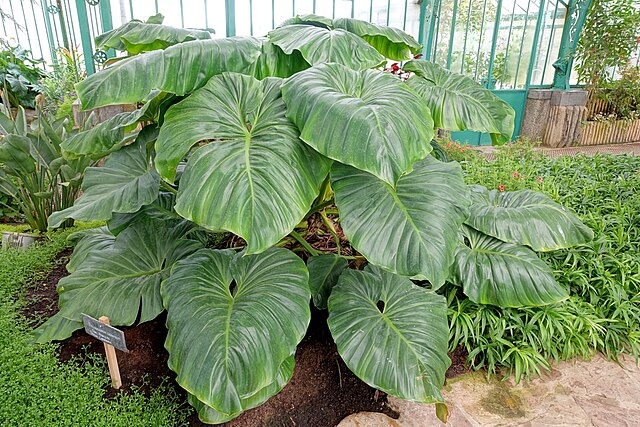
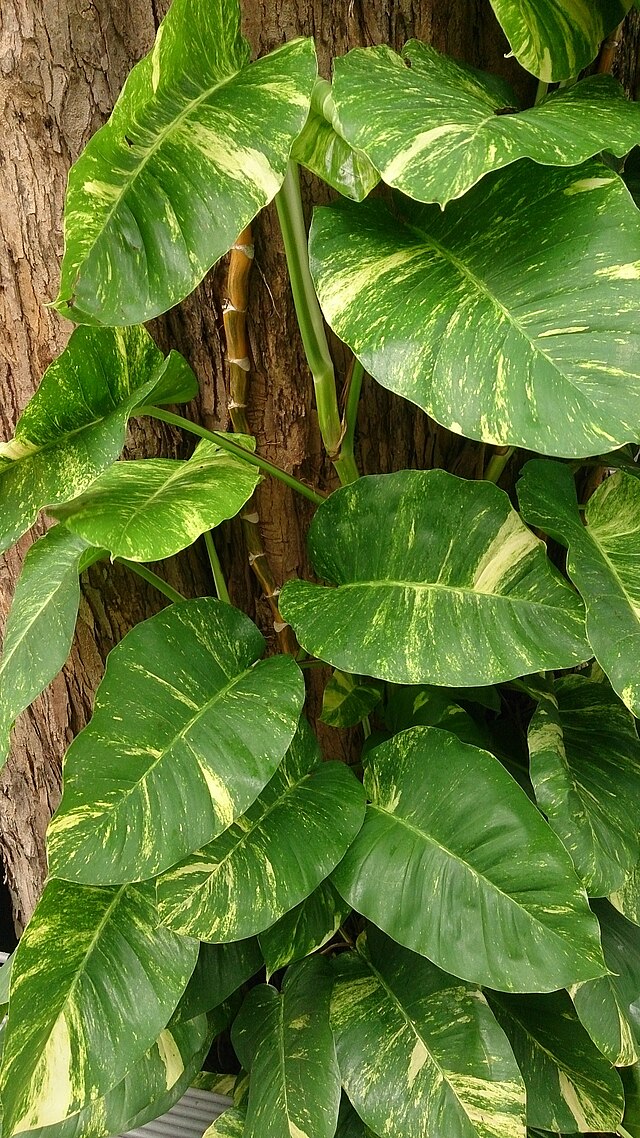
- Monstera·Pothos·Philodendron (Araceae): Extremely sensitive to direct sunlight
- Calathea·Maranta: Prefer dim environments; strong light causes leaves to curl
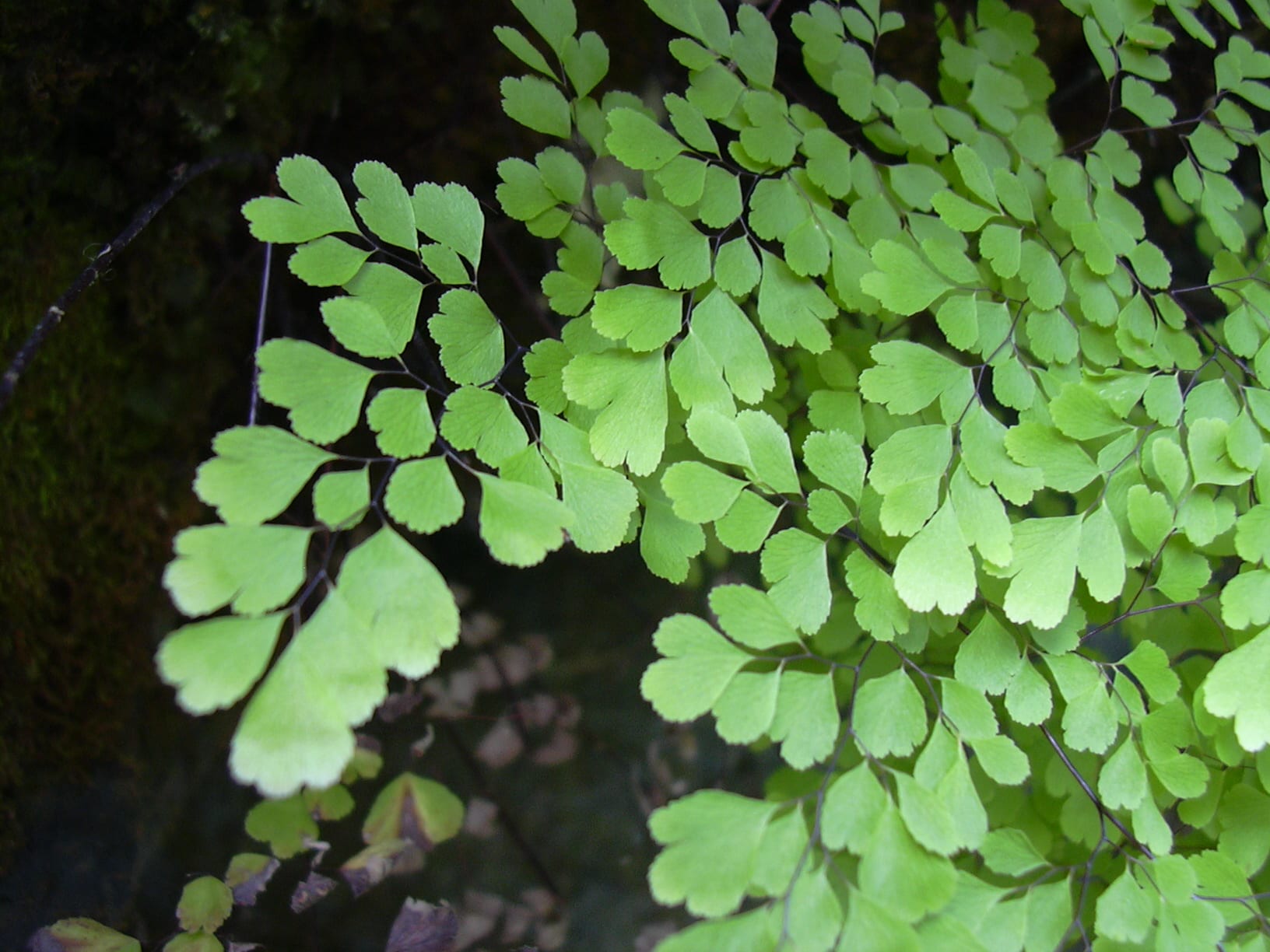
- Ferns (Platycerium·Adiantum): Sensitive to dryness and strong light; semi-shade is ideal
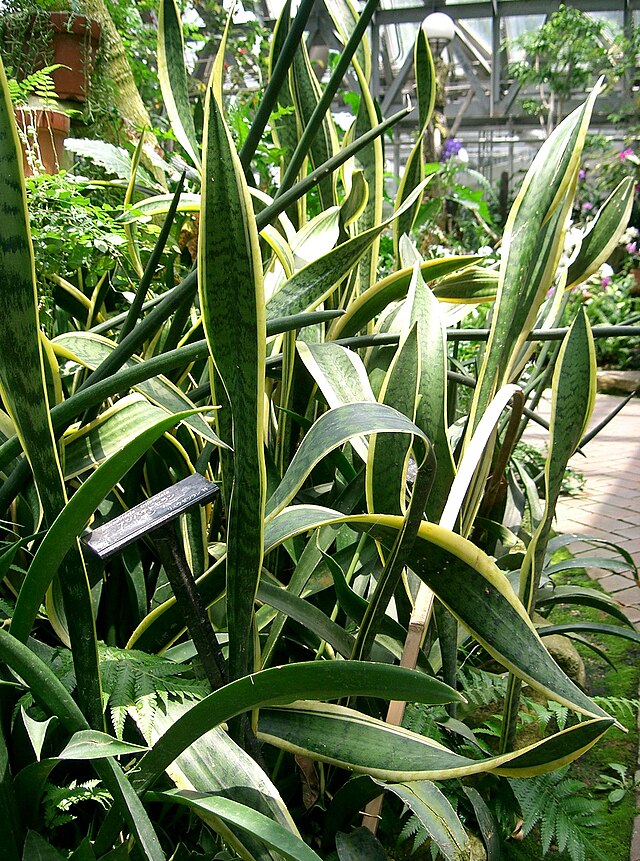
Conversely, some species like Sansevieria, Yucca, and Agave prefer strong light. Researching the native habitat of your plants will greatly simplify summer placement decisions.
Adjusting Watering Frequency and Method
In summer, with higher temperatures and faster evaporation, watering frequency increases compared to spring and fall. The basic principle is to water thoroughly once the soil surface dries, until water drains from the pot's drainage holes. This pushes out stale air inside the pot and supplies fresh oxygen to the roots.
Always empty any water pooling in the saucer within 30 minutes after watering. Excess moisture in high temperatures rapidly accelerates root rot. Once root rot occurs, the entire plant weakens quickly and can ultimately die.
The ideal time to water is early morning in the cool hours (6–9 AM). Watering during hot midday hours raises soil temperature, increasing the risk of root damage from moisture; nighttime watering allows indoor humidity to stagnate and encourages disease. Avoid both.
Species that prefer dryness require individual consideration.
| Species | Watering Guide |
|---|---|
| Sansevieria·Agave | 2–3 days after soil is completely dry |
| Monstera·Pothos | Immediately when soil surface dries |
| Calathea·Ferns | Immediately when soil begins to dry (sensitive to dryness) |
Managing Dryness and Temperature When Using Air Conditioning
Often overlooked in summer indoor management is the problem of dryness and cold air from air conditioning. Continuous air conditioning can drop indoor humidity below 40%, putting significant stress on tropical houseplants that prefer humidity of 60–80%.
First, the basic rule is not to place plants where air conditioner air blows directly on them. Sudden temperature changes and dryness from cold air cause leaf tips to brown and leaves to wilt.
Here are some specific methods to maintain humidity:
- Leaf misting: Spray fine mist on the top and underside of leaves twice daily, morning and evening. Effective for preventing spider mites.
- Pebble tray: Line a saucer with small stones, fill with water, and place the pot on top. Water evaporation raises humidity around the pot.
- Group placement: Grouping multiple plants together allows their transpiration to supplement each other's humidity.
- Humidifier use: Placing a humidifier near plants efficiently raises humidity.
Temperature settings for air conditioning also require attention. Most houseplants prefer a range of 18–30°C.