Foliage Plant Lighting & Placement Guide | Light Levels and Ideal Locations
A guide to light requirements by foliage plant type and ideal placement locations. Covers plants suited for direct sunlight, bright indirect light, and low-light interiors, plus LED grow light techniques and seasonal placement adjustments.
Key Takeaways
A guide to light requirements by foliage plant type and ideal placement locations. Covers plants suited for direct sunlight, bright indirect light, and low-light interiors, plus LED grow light techniques and seasonal placement adjustments.
Related Species
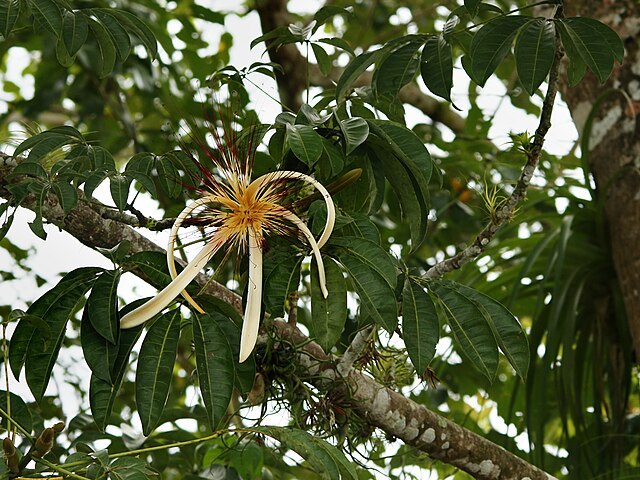
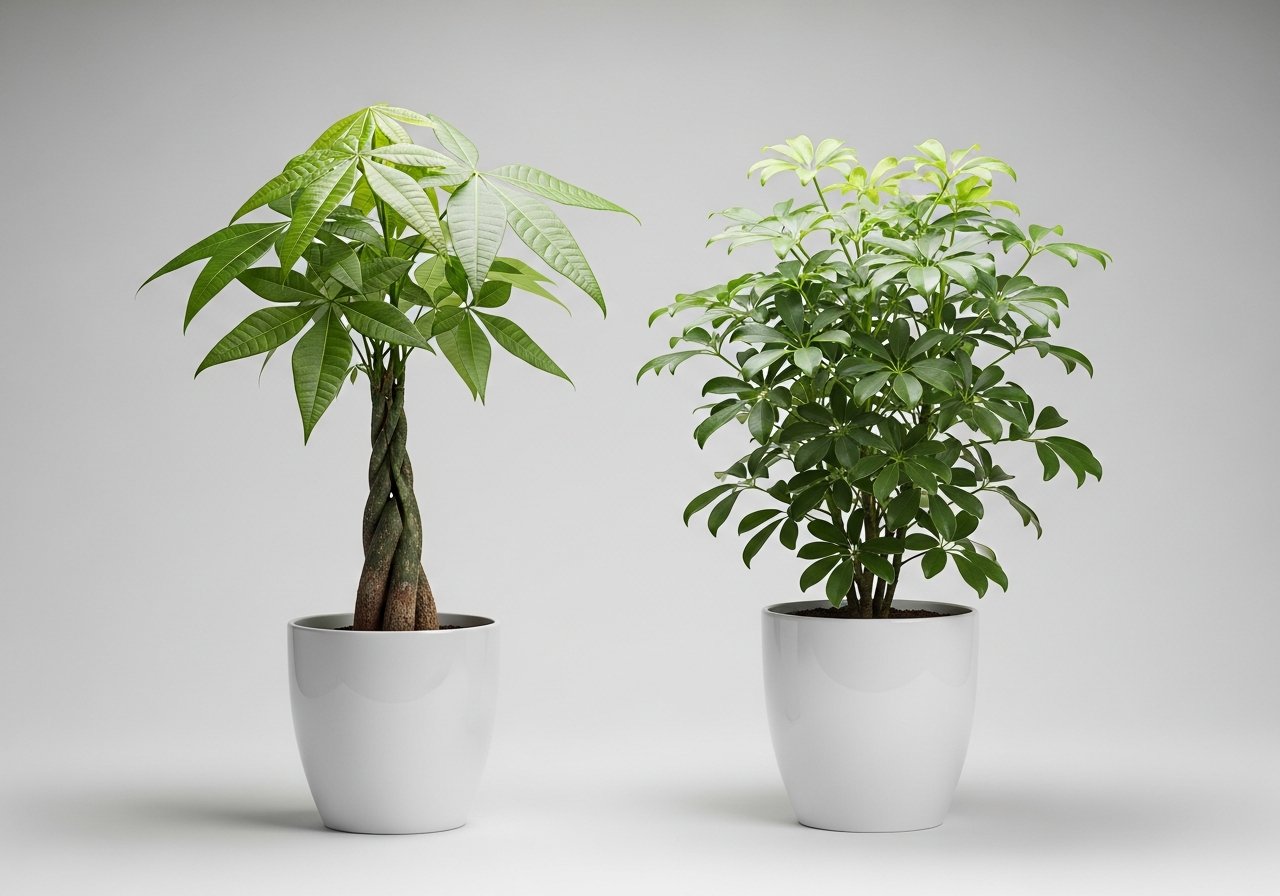
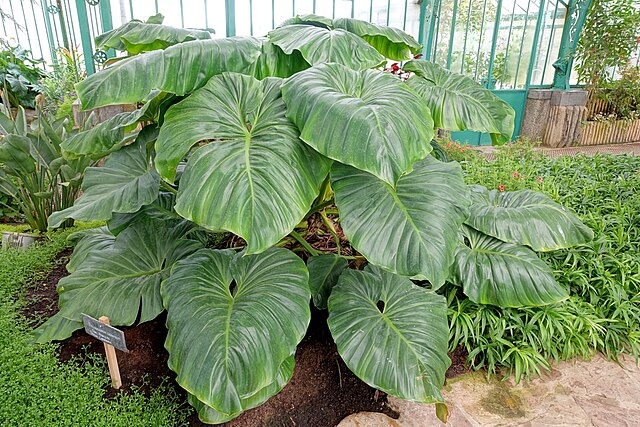
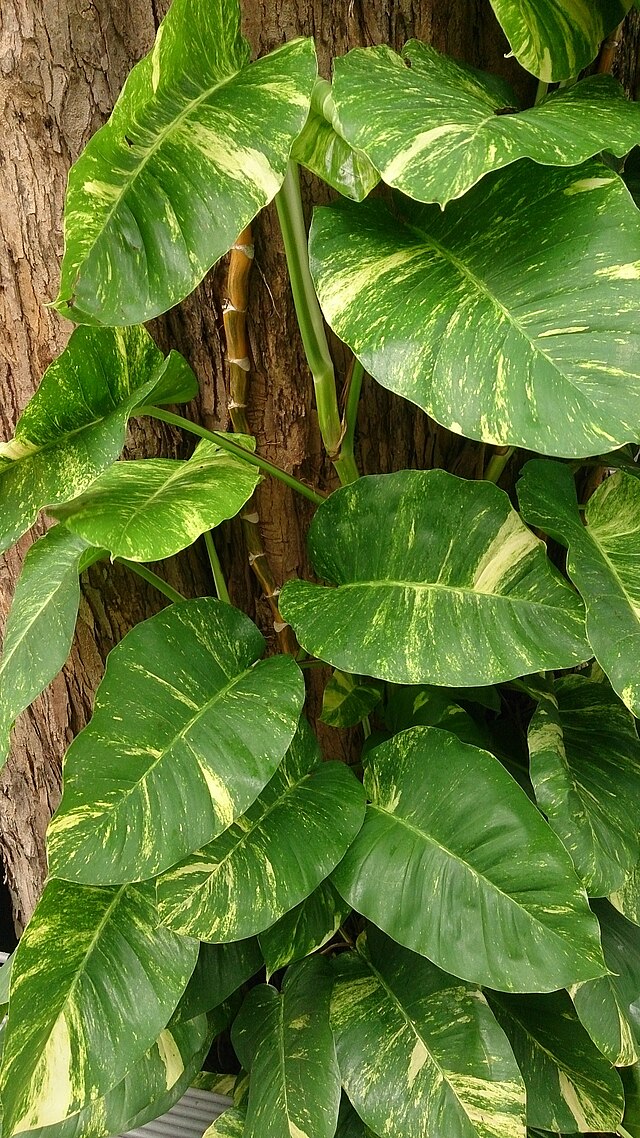
When growing foliage plants, you may encounter issues like yellowing leaves, lack of new growth, or plants becoming tall and spindly. In most cases, the root cause is a mismatch in light conditions. Light is an essential "nutrient" for plants, just like water and fertilizer. Understanding the light levels each species naturally prefers and selecting the optimal placement is the first step to healthy growth.
Three Light Level Tiers and Representative Plants
Foliage plants' light requirements fall into three broad categories: high light, medium light, and low light. Before purchasing, assess your room's natural light conditions and choose plants accordingly—this is key to long-term success.
Plants That Thrive in Bright Light (High Light)
These species prefer direct sunlight or bright windowsills. Indoors, place them within 1 meter of a south-facing window, ideally as close to the window as possible. Target light levels are 20,000 lux or higher. Many of these plants are accustomed to bright outdoor environments and easily suffer from insufficient indoor light.
- Agave, Yucca, Caudex plants
- All succulents and cacti
- Coffee plants, Croton
- Hibiscus, Bougainvillea
Intense direct summer sunlight can cause leaf scorch, so using sheer curtains to filter light during peak summer is effective.
Plants That Prefer Moderate Light (Medium Light)
These thrive in bright indirect light or soft light filtered through sheer curtains. A location 1–3 meters from the window works well, with light levels around 5,000–20,000 lux. This category includes many of the most popular foliage plant varieties.
- Monstera, Ficus (Rubber plant, Weeping fig, etc.)
- Pachira, Schefflera, Dracaena
- Anthurium, Bird of Paradise
- Calathea, Maranta
Plants in this range can develop pale, scorched-looking leaves if exposed to continuous direct sunlight. Sheer-curtain filtered light or east-facing windows are ideal for their growth.
Plants That Tolerate Low Light (Low Light)
These hardy varieties dislike direct sunlight and can be managed 3+ meters from the window, even in dimly lit interior areas. Target light levels are around 500–5,000 lux. While called "shade-tolerant," they still need a minimum level of ambient brightness and will not survive in complete darkness.
- Sansevieria (Snake plant)
- Pothos, Syngonium, Philodendron
- Aspidistra
- Zamioculcas (ZZ plant)
These are beginner-friendly and thrive in offices, hallways, and other low-light spaces. For more detailed variety comparisons, see Top 10 Low-Light Foliage Plants.
Window Direction and Light Characteristics
The direction your window faces dramatically affects the quality and intensity of light throughout the day. Check your window orientation before placing plants.
| Window Direction | Light Characteristics | Best Suited Plants |
|---|---|---|
| South-Facing | Maximum light throughout the day; can be too intense in summer | High to medium light plants |
| East-Facing | Soft morning sunlight | Medium light plants (ideal) |
| West-Facing | Strong afternoon and evening light; temperature rises easily in summer | Medium light plants (summer caution needed) |
| North-Facing | Minimal, consistent light year-round | Low light plants |
Even in a south-facing room, obstruction by neighboring buildings or obstacles changes actual light levels. Use a smartphone lux meter app to measure brightness—this makes plant selection much easier.
Recognize Signs of Insufficient or Excessive Light
Plants express stress through their leaves and form. Daily observation helps you identify when to adjust placement.
Signs of Insufficient Light
- Etiolation: Stems become thin, internodes stretch, and the plant becomes spindly
- Pale leaf color: Greens fade; variegated plants lose their pattern
- Smaller new leaves: Newly emerging leaves are noticeably smaller than before
- Lower leaves drop: Continuous leaf drop starting from the bottom
Signs of Excessive Light
- Leaf scorch: Leaf surfaces turn white or brown
- Leaf curling: Leaves curl inward to avoid light
- Faster water loss: Increased transpiration causes soil to dry quickly
Both conditions can be corrected by moving the plant. Scorched leaves won't recover, but new growth will be healthy. Prolonged low light can disrupt root water absorption, leading to secondary issues like foliage plant root rot causes, solutions, and recovery. Early placement adjustments are crucial.
Maximize Artificial Lighting (Plant Grow Lights)
For rooms with few windows or to supplement winter sunlight, plant grow light LEDs are highly effective. Modern options offer great design options that blend into décor. If you're unsure which product to choose, check out Top 5 Plant Grow Lights for use-case-specific recommendations.
Selection Tips
- Light Intensity (Lux): For medium-light plants, aim for 5,000–15,000 lux. High-light plants need 20,000+ lux
- Color Temperature: 5,000–7,000K (white to cool white) is ideal for photosynthesis. "Full-spectrum" LEDs that include red wavelengths offer versatility
- Duration: 12–16 hours daily is standard. Using a timer for automation reduces manual effort
- Distance: Effects diminish with excessive distance from plants. Follow the product's recommended placement distance
Grow lights supplement natural light rather than replace it entirely. Ideally, place plants near windows and use supplemental lighting only when natural light is insufficient.
Summary | Matching Light Conditions to Plant Choice is Key to Success
To keep foliage plants thriving long-term, the approach should be not just "fit the plant to the room," but "choose plants suited to your room's light environment." A bright south-facing window? Select light-loving plants. A dim north-side room? Choose Sansevieria or Pothos—this mindset dramatically reduces failure rates.
Develop an eye for reading light signals through observation and flexibly adjust placement as needed. This is the secret to a long-lasting relationship with your plants. Before purchasing, consulting with the grower about your home's light conditions for personalized advice is a smart strategy. The foliage plants category features many growers who provide detailed explanations about light requirements. Find the perfect plant for your home today.