[2026] Top 5 Plant Grow Lights | Best LED for Indoor Gardening
Compare grow lights for foliage plants, succulents, and agave. Choose by PPFD, power consumption, and spectrum.
![[2026] Top 5 Plant Grow Lights | Best LED for Indoor Gardening](https://img.botachoku.com/column-images/best-plant-grow-light/hero-1782973790155.jpg)
Key Takeaways
Compare grow lights for foliage plants, succulents, and agave. Choose by PPFD, power consumption, and spectrum.
Related Species
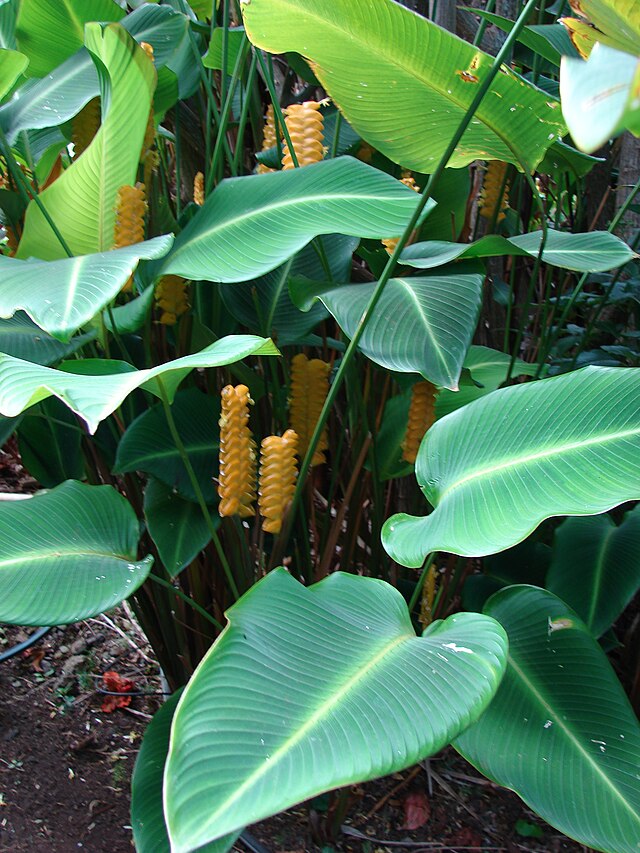
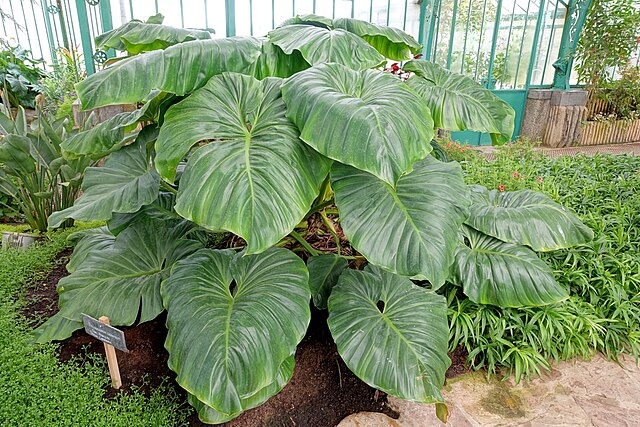
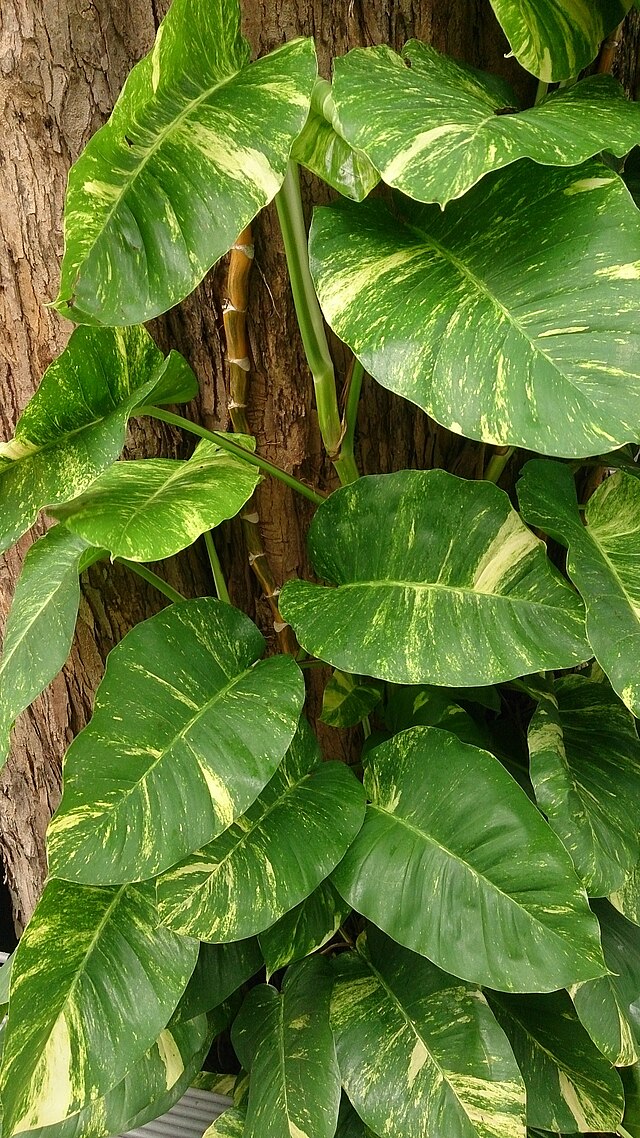
When growing plants indoors, the biggest obstacle you'll face is "insufficient light." Poor lighting in rooms or inadequate winter sunlight is a major cause of etiolation (thin, weak growth) and plant death in foliage plants. This is where plant grow lights come in handy. However, with so many products on the market and confusing specifications, many people struggle to know what to buy.
This article explains grow light selection basics through to five recommended products for 2026—all in terms easy for beginners to understand. If you'd first like to assess your home's natural light environment, check out the Foliage Plant Lighting & Placement Guide to learn light intensity targets for different locations, which will improve your selection accuracy.
Why Plant Grow Lights Are Necessary
Plants generate energy through photosynthesis. When light is too weak, photosynthesis cannot occur efficiently, and "light deficiency signs" appear: yellowing leaves and thin, elongated stems.
Even near windows, light passing through glass is UV-filtered and reaches only a fraction of outdoor light levels. Consider installing a grow light in these situations:
- Your plants are in a north-facing room or far from windows
- You live in an area with extremely short winter daylight hours
- You're growing succulents, agave, or other light-demanding species
- You want to maintain decorative indoor plants in healthy condition
How to Choose a Grow Light | Three Critical Factors
① Check light intensity by PPFD (Photosynthetic Photon Flux Density)
The most important metric when selecting a grow light is PPFD (Photosynthetic Photon Flux Density). Measured in "μmol/m²/s," higher values mean more light reaches your plants.
Target PPFD ranges by plant type:
- Shade-tolerant foliage plants (pothos, monstera, etc.): 50–150 μmol/m²/s
- Standard foliage plants (ficus, calathea, etc.): 150–300 μmol/m²/s
- Succulents, agave, cacti: 300–600 μmol/m²/s or higher
If a product page doesn't list PPFD, real-world measurements and reviews often include irradiance data at various distances, which can serve as a reference.
② Choose by light spectrum (color) based on intended use
Grow lights generally fall into two categories: full-spectrum (white) and pink/purple-tinted varieties.
Full-spectrum (white) closely mimics natural sunlight, appearing natural indoors without aesthetic disruption. You can accurately assess plant health by leaf color and shape, making it ideal for living rooms and offices.
Pink/purple (red + blue blend) offers high photosynthesis efficiency and prioritizes growth speed—suited for growing shelves or greenhouses. However, it distorts indoor colors, making it unsuitable for living spaces.
For beginners and those focusing on foliage plants, full-spectrum grow lights are strongly recommended.
③ Check for convenience features
- Timer function: Automatically manages daily light duration. Plants need rhythmic cycles of light (photoperiod) and darkness (scotophase); running lights continuously is harmful. Aim for 12–16 hours of daily illumination.
- Dimming capability: Adjusting light intensity lets you adapt to plant condition and season.
- Socket type and installation: Clip-on, panel, E26 standard base (like household bulbs), etc. Choose based on your setup location.
Five Recommended Plant Grow Lights
1. BRIM PANEL A | ~¥8,000
A Japanese-made panel-type light that combines aesthetic appeal with growing power. White full-spectrum that integrates seamlessly into living spaces; wide illumination area supports multiple plants simultaneously. High PPFD values suit supplemental lighting for succulents. Perfect if you want "style without compromising growth."
2. TSUKUYOMI LED 20W | ~¥12,000
High-quality LED delivering full-spectrum light nearly indistinguishable from natural sunlight. Boasts an exceptional color rendering index (Ra) of 97, making plant foliage appear natural so you can precisely track health changes. Particularly favored by agave and succulent enthusiasts, with many arranging multiple units on growing shelves. Premium-priced, but worth considering as a long-term quality investment.
3. Gentos IK-S72GWH | ~¥5,000
A clamp-type white LED light for those starting out. Clamps onto desk edges or shelf faces, offering flexible placement. Modest light output suits supplemental lighting for shade-tolerant foliage plants (pothos, philodendron, ivy, etc.). Excellent value for money and ideal as an entry point for grow light beginners.
4. AMATERAS LED 20W | ~¥10,000
Engineered specifically for plant cultivation and a long-standing bestseller among plant enthusiasts. E26 base compatibility lets it fit into standard clip sockets and pendant fixtures. Full-spectrum supports everything from foliage plants to succulents. Proven reliability in Japan's market; ideal for those prioritizing trustworthiness.
5. BARREL AMATERAS/TSUKUYOMI Compatible Model | ~¥6,000
A budget-friendly option compatible with AMATERAS and TSUKUYOMI designs. E26-compatible socket works with both brands' fixtures—suited for those planning multiple units or building a serious growing shelf on a budget. Individual performance slightly trails the originals, but using two to three units together compensates well.
Precautions When Using Grow Lights
Even with a grow light installed, incorrect usage can reduce effectiveness or damage plants. Keep these points in mind:
- Maintain proper distance: Too-close lighting causes leaf burn. Refer to the product's recommended distance (typically 20–40 cm) and adjust accordingly.
- Aim for 12–16 hours daily: Use a timer to establish a light-dark rhythm.
- Gradually acclimate plants to strong light: Plants unfamiliar with intense light need time; start with gentler illumination and increase gradually.
- Balance with watering: Increased light raises transpiration. When boosting light intensity, monitor soil moisture more carefully.
Summary
Plant grow lights are transformative for indoor plant care. Selection hinges on PPFD value, spectrum, and installation method. For living spaces, full-spectrum white-type lights are strongly recommended.
| Product | Price | Type | Best For |
|---|---|---|---|
| BRIM PANEL A | ~¥8,000 | Panel | Foliage & succulents |
| TSUKUYOMI LED 20W | ~¥12,000 | E26 base | Agave & succulents |
| Gentos IK-S72GWH | ~¥5,000 | Clip-on | Shade-tolerant foliage |
| AMATERAS LED 20W | ~¥10,000 | E26 base | General plant care |
| BARREL Compatible | ~¥6,000 | E26 base | Budget-conscious / multi-unit use |
Starting out? Consider Gentos or BARREL models. Ready to invest? TSUKUYOMI or AMATERAS are strong options. Find the right fit for your style. Once you've chosen your grow light, browse the Foliage Plants category to discover varieties suited to your lighting setup.