How to Choose Plant Grow Lights | Solving Light Deficiency with LED Lighting
How to use grow lights to cultivate vigorous houseplants in poorly lit rooms. This guide explains the recommended PPFD values, how to choose full-spectrum LEDs, lighting duration, and electricity cost calculations in detail.
Key Takeaways
How to use grow lights to cultivate vigorous houseplants in poorly lit rooms. This guide explains the recommended PPFD values, how to choose full-spectrum LEDs, lighting duration, and electricity cost calculations in detail.
Related Species
Why Indoor Plants Need Lighting
When growing houseplants indoors, it is not uncommon to face problems such as "yellowing leaves," "thin, spindly stems," or "new leaves failing to emerge." Most of these symptoms are caused by insufficient light.
Plants create energy for life through photosynthesis. Even when placed by a window, light passing through glass has some ultraviolet and near-infrared wavelengths filtered out, resulting in dramatically reduced illumination compared to direct outdoor sunlight. Particularly in winter or north-facing rooms, it is difficult to secure the necessary light throughout the day, and plants easily fall into a chronically light-deficient environment.
A solution that continues to receive attention as of 2026 is the "plant grow light (plant LED lighting)." With the right light, you can stably supply the light your plants need, regardless of season or room orientation.
Types and Characteristics of Plant Grow Lights
Plant grow lights can be broadly divided into four types: fluorescent, metal halide, HID (high-intensity discharge), and LED. LED is currently the mainstream choice, primarily due to its energy efficiency, long lifespan, low heat generation, and adjustable light spectrum.
There are multiple types of LED lights.
- Full-spectrum LEDs are designed to cover wavelengths close to natural sunlight and work well across growth and flowering stages. They offer the most versatility for routine houseplant care and are ideal for those using a plant grow light for the first time.
- Red-blue spectrum LEDs intensively emit the red wavelengths (650–660 nm) and blue wavelengths (440–460 nm) considered most critical for photosynthesis. They are effective for maximizing growth speed, but the light appears purple to pink, which can compromise the aesthetic value as interior décor.
- White LED types have a natural appearance and blend seamlessly into living spaces. They offer good balance between light output and color rendering and deliver sufficient performance for houseplant-focused use.
Selection Considerations: How to Read Specifications
The main specifications to check when selecting a plant grow light are as follows.
- Illuminance (lux) and PPFD (Photosynthetic Photon Flux Density): PPFD is the metric indicating the amount of light in wavelengths (400–700 nm) utilized by plants for photosynthesis. Measured in μmol/m²/s, most houseplants can be maintained with 50–200 PPFD. High-light-demanding species such as succulents and cacti typically require 200–500.
- Coverage area: Check the area one light can cover. If growing multiple plants side by side, panel or bar-type lights with wider coverage are suitable. For one or two pots, a compact clip-on type is adequate.
- Power consumption and heat: Although LEDs generate less heat than other types, high-output models do produce heat. Keeping the light too close to plants can cause leaf burn, so it is important to follow the manufacturer's recommended distance (listed in product specifications). Generally, maintaining a distance of 20–40 cm is advisable.
- Timer function: Daily lighting duration (photoperiod) deeply affects plant growth. Choosing a light with an integrated timer or using a plug timer ensures you can maintain a consistent daily light cycle.
PPFD Reference Chart — By Plant Type and Lighting Duration
Here we organize how much PPFD is needed by plant type. Values are measured at leaf height, not directly under the light.
| Plant Type | Minimum PPFD | Target PPFD | Examples |
|---|---|---|---|
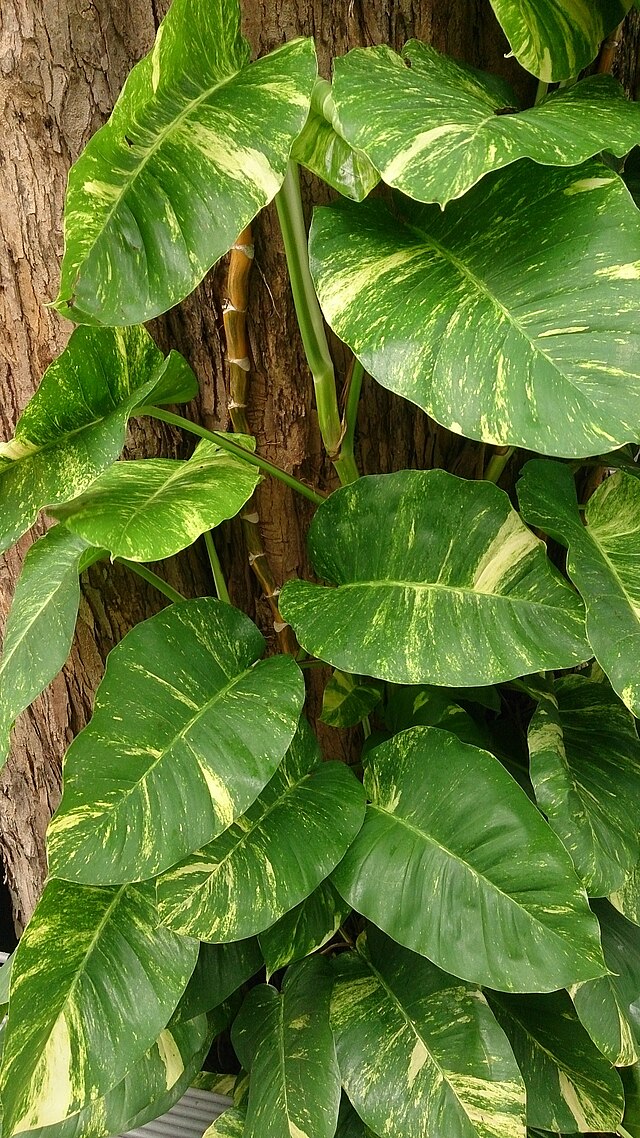
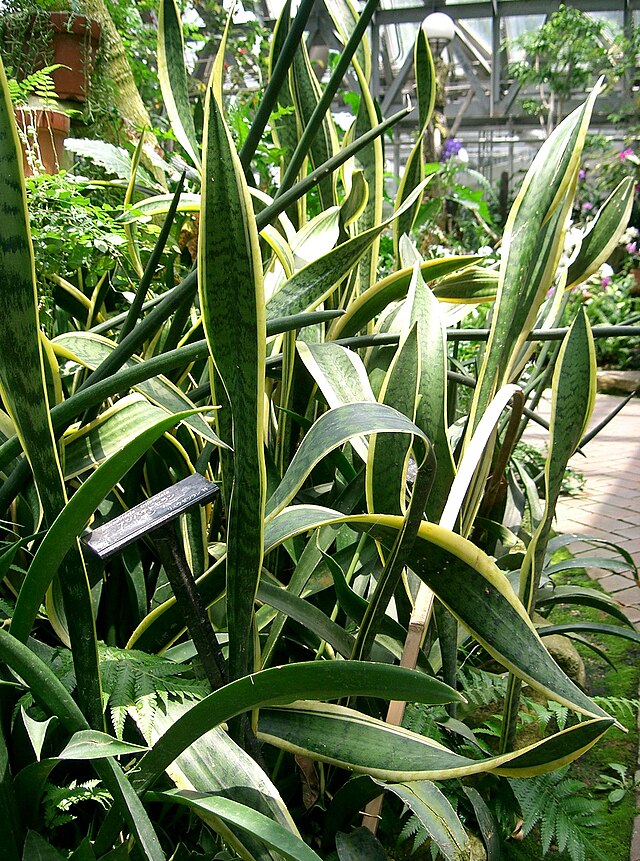
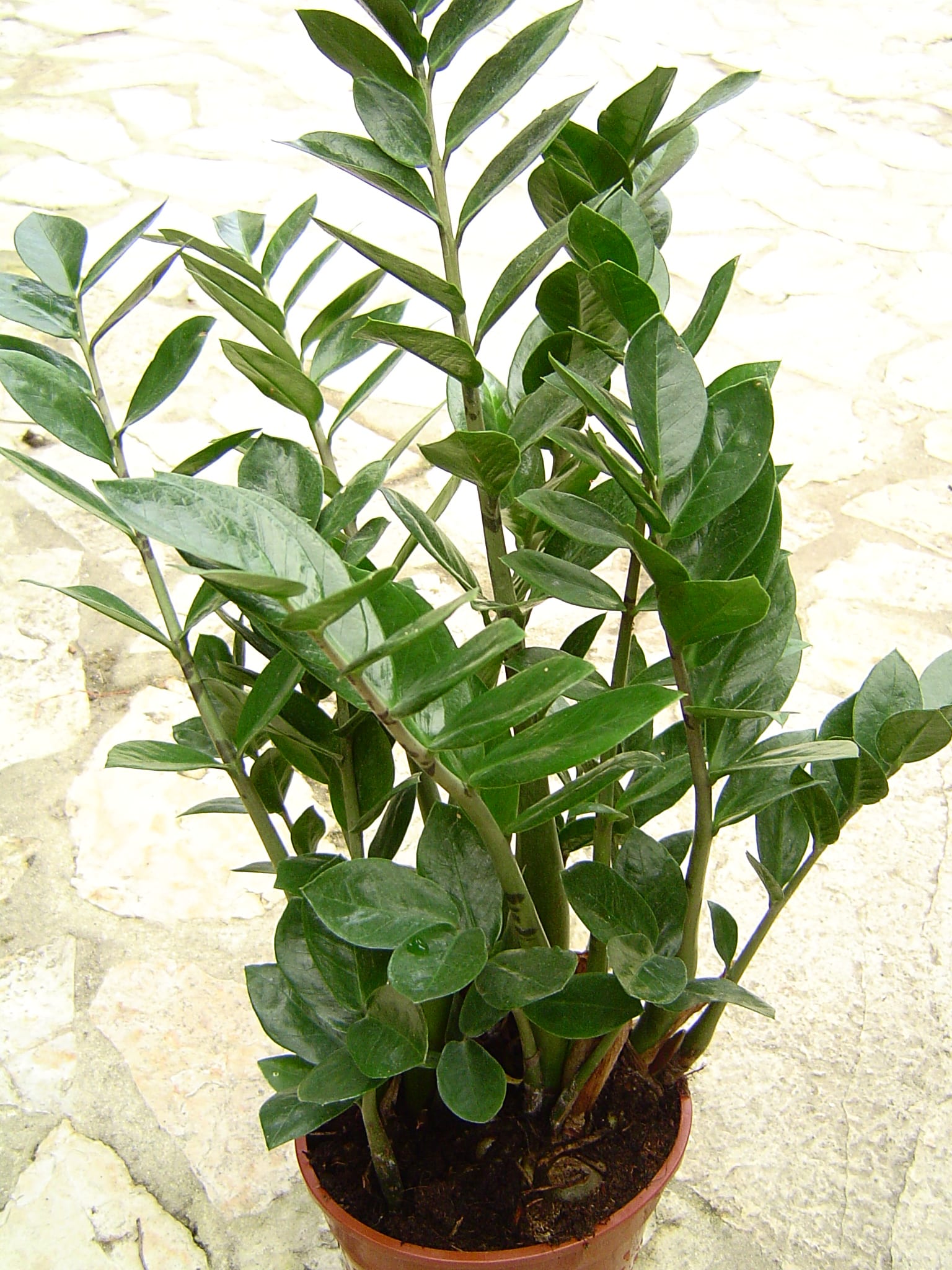
| Shade-tolerant houseplants | 30–50 | 80–150 | Pothos, Sansevieria, Aglaonema, Zamioculcas |
| Medium-light houseplants | 50–100 | 150–250 | Monstera, Ficus lyrata, Ficus, Calathea |
| High-light plants | 100–200 | 250–500 | Succulents, Cacti, Agave, Pachira |
| Flowering and seedlings | — | 300–600 | Herbs, vegetable seedlings, indoor roses |
PPFD should be considered together with lighting duration. Using the formula PPFD × lighting duration in seconds ÷ 1,000,000 = DLI (daily light integral, mol/m²/day), houseplants generally need DLI 4–8, and succulents require DLI 10 or higher. For example, PPFD 150 with 12 hours of lighting yields a DLI of approximately 6.5, which is sufficient for growing medium-light houseplants. Even PPFD 100 at 12 hours gives 4.3, exceeding the minimum maintenance level.
- Monstera can be maintained with PPFD 100–150, and applying approximately 200 PPFD for 12 hours encourages the characteristic leaf fenestration (though leaf splits are also influenced by plant maturity). See Monstera varieties and care guide for variety-specific differences.
- Distance effect: When the distance from the light source doubles, PPFD drops to roughly one-quarter (panel-type lights have gentler attenuation). Product PPFD ratings are measured at the center point at a specific distance, so plants at the edges may receive less than half that value.
- Estimating with light meter apps: For white LEDs, divide lux by approximately 70; for natural sunlight, divide by approximately 54 to get a rough PPFD value. Precise measurement requires a quantum meter (PAR meter).
FAQ: Wavelength, UV, and Fluorescent Lights
Do I need to worry about wavelength?
Photosynthesis uses light in the 400–700 nm range, with peak efficiency at red (around 660 nm) and blue (around 450 nm) wavelengths. Green light also penetrates deep into leaves and is utilized, so if you choose a full-spectrum white LED, you don't need to consider wavelengths individually.
Is UV necessary?
Most household grow LEDs contain little to no ultraviolet light. UV-A is said to influence coloration (reddening) in succulents and Agave, and products containing it are labeled "UV." It is unnecessary for houseplant growth, and it is important not to look directly at it to protect your eyes and skin.
Can light cause leaf burn?
Leaf burn is caused by excessive light intensity and heat from the light. Do not position the light close on the first day; start farther away than recommended and observe the plant's response. If new leaves become whitish or brown spots appear, increase the distance.
Can plants grow under fluorescent lights?
A desk fluorescent lamp typically provides PPFD of around 20–50. Shade-tolerant species like Pothos and Sansevieria can be sustained, but growth is difficult and it is insufficient for medium-light or higher-light plants.
How should I set the timer?
The basic setting is 12 hours on, 12 hours off. Running the light late into the night creates insufficient dark period, disrupting the plant's rhythm. Aligning it with natural light—for example, 7 a.m. to 7 p.m.—is more efficient.
Effective Use and Setup Tips
Even with a grow light installed, incorrect use can reduce its effectiveness. Let's cover a few basics.
- Lighting duration guideline: Houseplants generally need 8–12 hours of light per day. More light is not always better; the dark period (night) is also essential for plant physiology. Continuous lighting of 12 hours or more can cause flowering abnormalities, especially in short-day plants.
- Light height adjustment: New shoots and delicate leaves are prone to burn if the light is too close. It is safest to set it slightly farther than the recommended distance initially and gradually bring it closer as you observe the plant's response.
- Light direction: While uniform light from above is the basic approach, for plants in shelving or recessed spaces, combining side lighting improves coverage. Periodically rotating the pot ensures light reaches the undersides of leaves.
- Combining with natural light: Grow lights are not meant to completely replace natural light; they work best as a supplement. Adding light in spots that already receive window light efficiently addresses any light deficiency.
Plant-Specific Selection Guide
Light requirements vary significantly by plant type.
- High-shade-tolerance houseplants (Pothos, Aglaonema, Sansevieria, etc.): While these grow in low light, supplemental lighting improves leaf color and accelerates growth. A compact model consuming 15–30 W is sufficient.
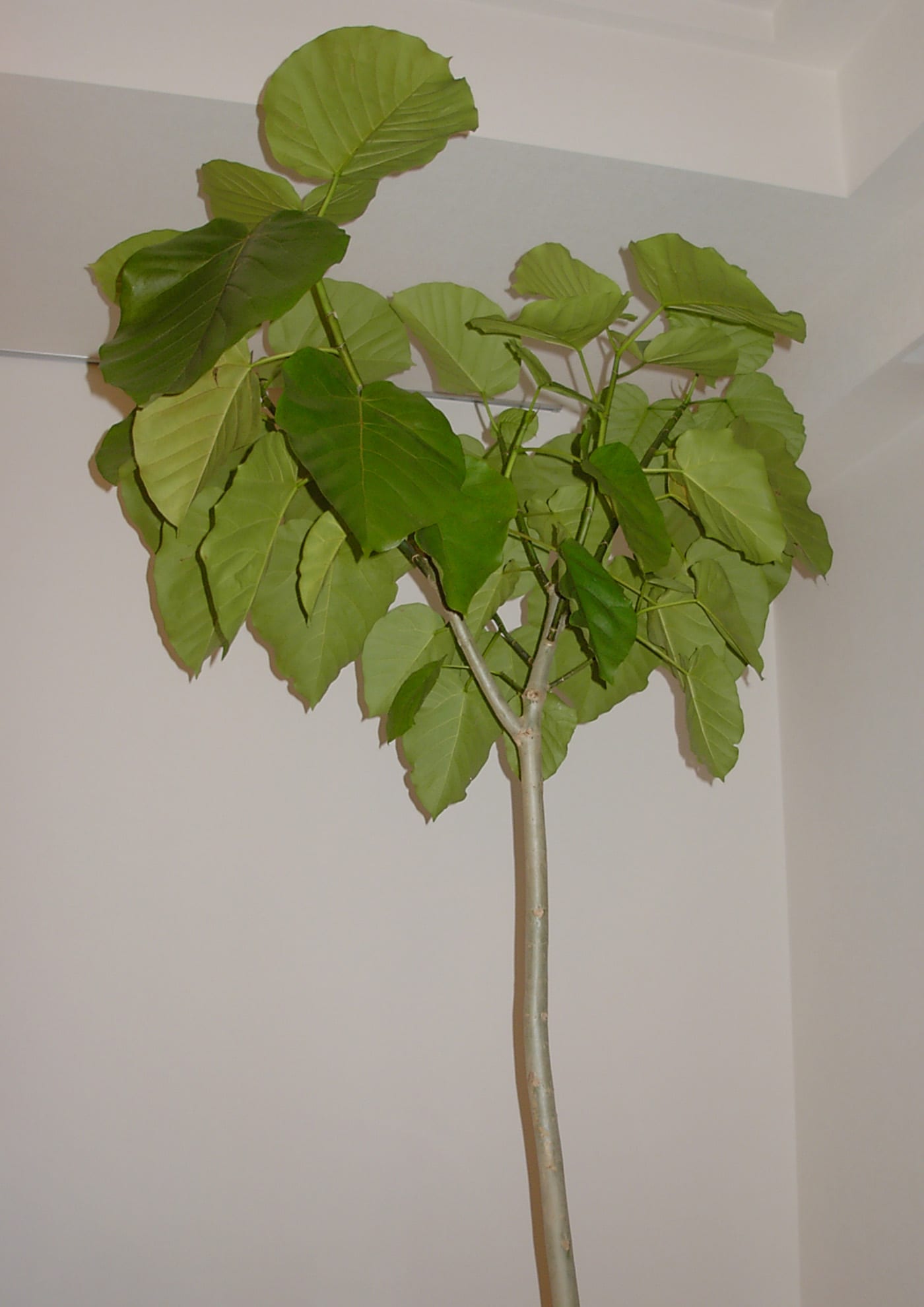
- Medium-light-preferring plants (Monstera, Ficus lyrata, Calathea, etc.): These require PPFD around 100–200. Using one or two panel or bar-type LEDs consuming 30–50 W is effective. Ficus lyrata, with its large round leaves, produces smaller new growth under low light, making it especially well-suited to supplemental lighting.
- High-light-demanding plants (succulents, cacti, Pachira, etc.): Many species require PPFD 200 or higher, necessitating high-output full-spectrum models or multiple lights. Pachira easily sheds leaves from mid-trunk under insufficient light, making supplemental grow light especially valuable in winter.
Summary: Expanding Plant Possibilities with Grow Lights
Plant grow lights once had an image of being professional or expert-level equipment, but today many affordable options are available, making them accessible to home gardeners.
Being able to grow plants without being constrained by sunlight exposure not only expands your interior design possibilities but also brings the significant benefit of enjoying plants year-round, regardless of season. Start by understanding your target plant's light requirements and selecting a light suited to your room's environment. With proper lighting, plants will regain their natural vitality, and watching their daily growth becomes a joy.