10 Shade-Tolerant Foliage Plants Recommended | Types That Grow in Dark and North-Facing Rooms and Care Methods
We introduce 10 highly shade-tolerant foliage plants that can grow in rooms with poor sunlight and north-facing windows. We explain in detail the characteristics of each type, recommended placement locations, and watering and fertilizer management methods. We've carefully selected varieties that are difficult to fail with, for those who want to enjoy green plants even in shade.
Key Takeaways
We introduce 10 highly shade-tolerant foliage plants that can grow in rooms with poor sunlight and north-facing windows. We explain in detail the characteristics of each type, recommended placement locations, and watering and fertilizer management methods. We've carefully selected varieties that are difficult to fail with, for those who want to enjoy green plants even in shade.
Related Species
Why You Can Enjoy Foliage Plants Even in Shade
Many people give up thinking "my room is dark, so plants won't grow," but in fact, there are many foliage plants that grow well even in shade. In tropical rainforests in nature, diverse plants thrive on the forest floor (near the ground) where the canopy of tall trees blocks out most light, and plants adapted to that environment grow well enough in indoor low-light conditions as well.
However, "shade tolerance" does not mean "able to grow with zero light," but rather "able to tolerate even with little light." A minimum level of brightness (indirect light from a north-facing window, approximately 500–1000 lux as a guideline) is necessary, and if there is enough brightness to read a book or magazine without difficulty, most of the plants introduced this time can be grown.
Additionally, in shaded environments, photosynthesis is reduced, so growth slows and water and fertilizer consumption decrease. This is also a benefit in that it reduces maintenance effort, and for those who are busy and tend to forget watering, or for those who want to enjoy plants as interior décor, shade-tolerant plants are an excellent choice.
10 Recommended Shade-Tolerant Foliage Plants
1. Sansevieria (Snake Plant)
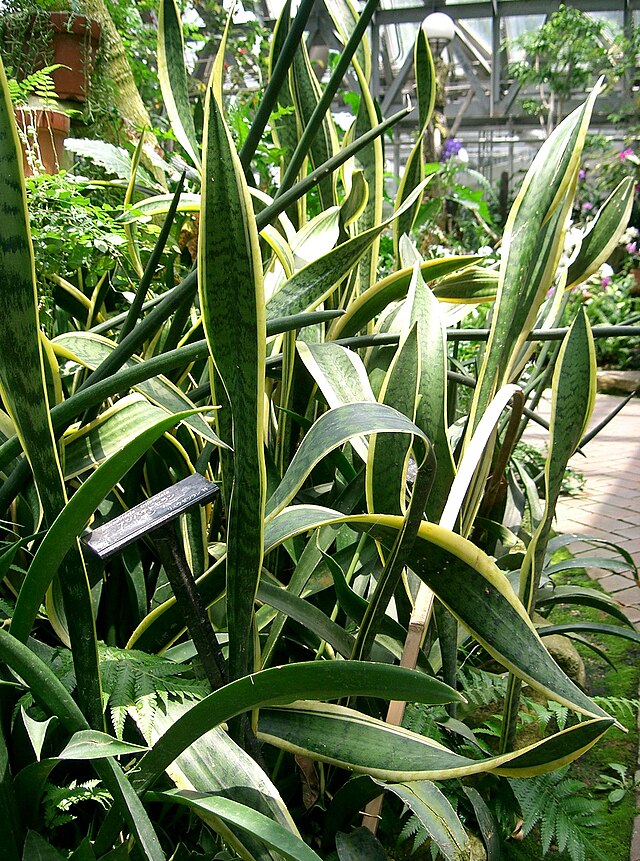
An "air-purifying plant" noted in NASA research. It is characterized by hard, pointed, upright leaves and has the unusual property of releasing oxygen at night. It is extremely drought-tolerant, requiring water only once every 2–3 weeks even in summer, and can go more than a month without water in winter without problems. Its only weakness is root rot, so choose soil with good drainage and a deeper pot.
2. Pothos (Epipremnum)
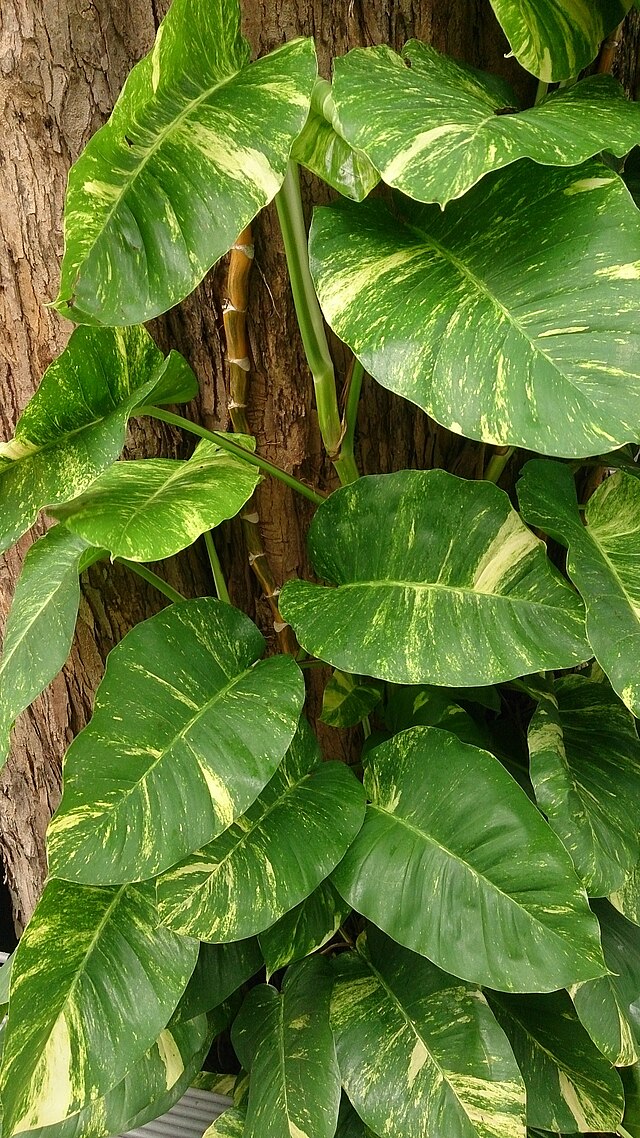
With its vining habit, it can be displayed hanging from shelves or trained to climb a support in many ways. It grows vigorously and is unlikely to fail even for beginners, and is easy to propagate in water. Yellowing leaves are a sign of excess moisture. Water only after the soil has dried 2–3 cm below the surface.
3. Ivy (Hedera)
An evergreen vining plant ideal for hanging baskets. With high shade tolerance and resilience to cool climates, it is well-suited to cooler areas such as hallways and entryways. Spider mites are prone to infest if foliage is too dense, so check the undersides of leaves regularly.
4. Asplenium (Bird's Nest Fern)
A fern with beautiful glossy, large leaves. It prefers humidity and is ideal for moist areas such as bathrooms and washrooms. If it becomes too dry, leaf tips turn brown, so misting the leaves regularly will keep it in good condition.
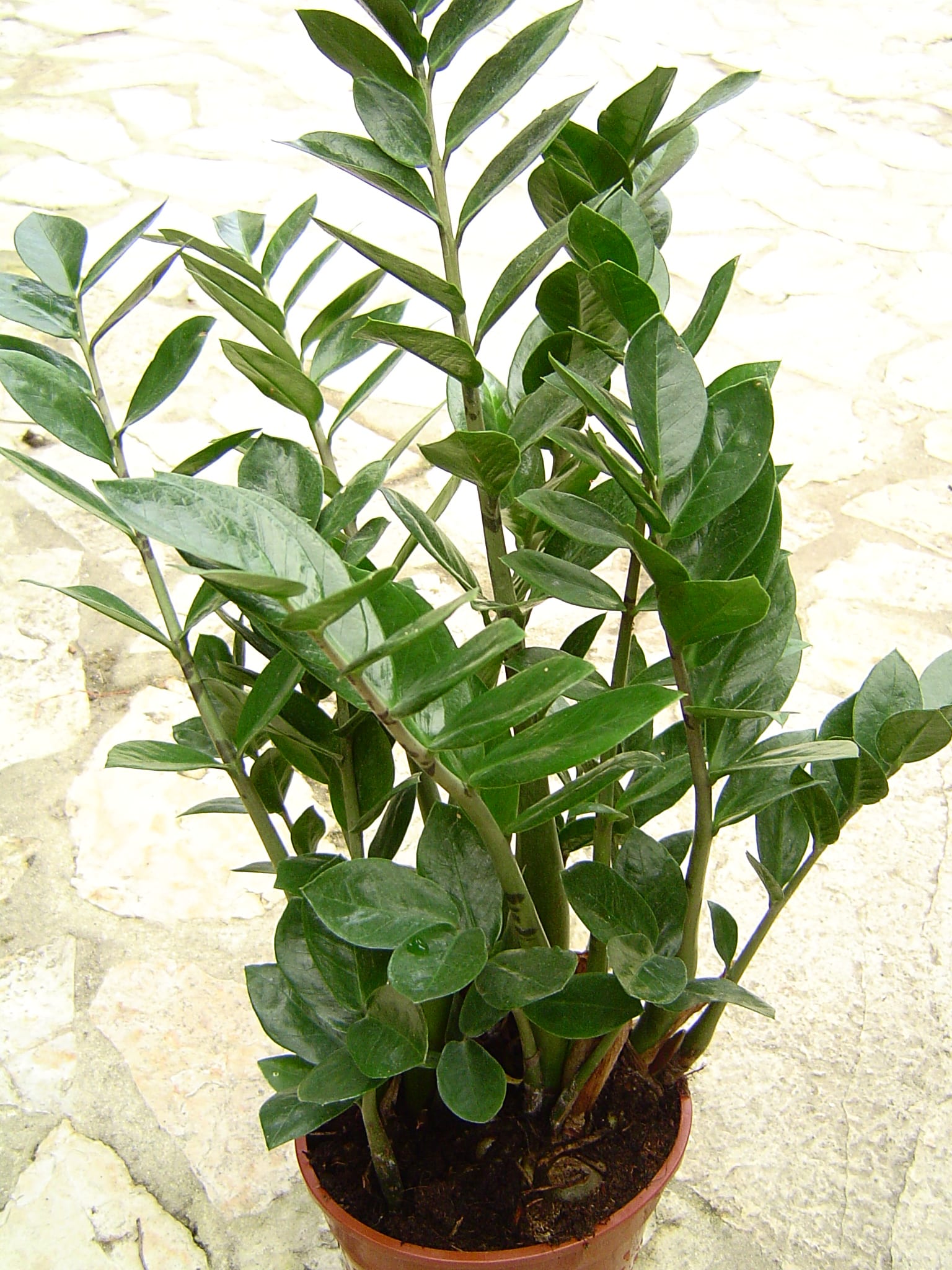
5. Zamioculcas (ZZ Plant)
Beautiful glossy deep-green leaves with slow growth requiring little care. It excels in both shade tolerance and drought resistance, making it an especially strong recommendation for those who tend to kill plants. However, all parts of the plant are toxic, so place it where small children cannot touch it.
6. Dracaena (Various Species)
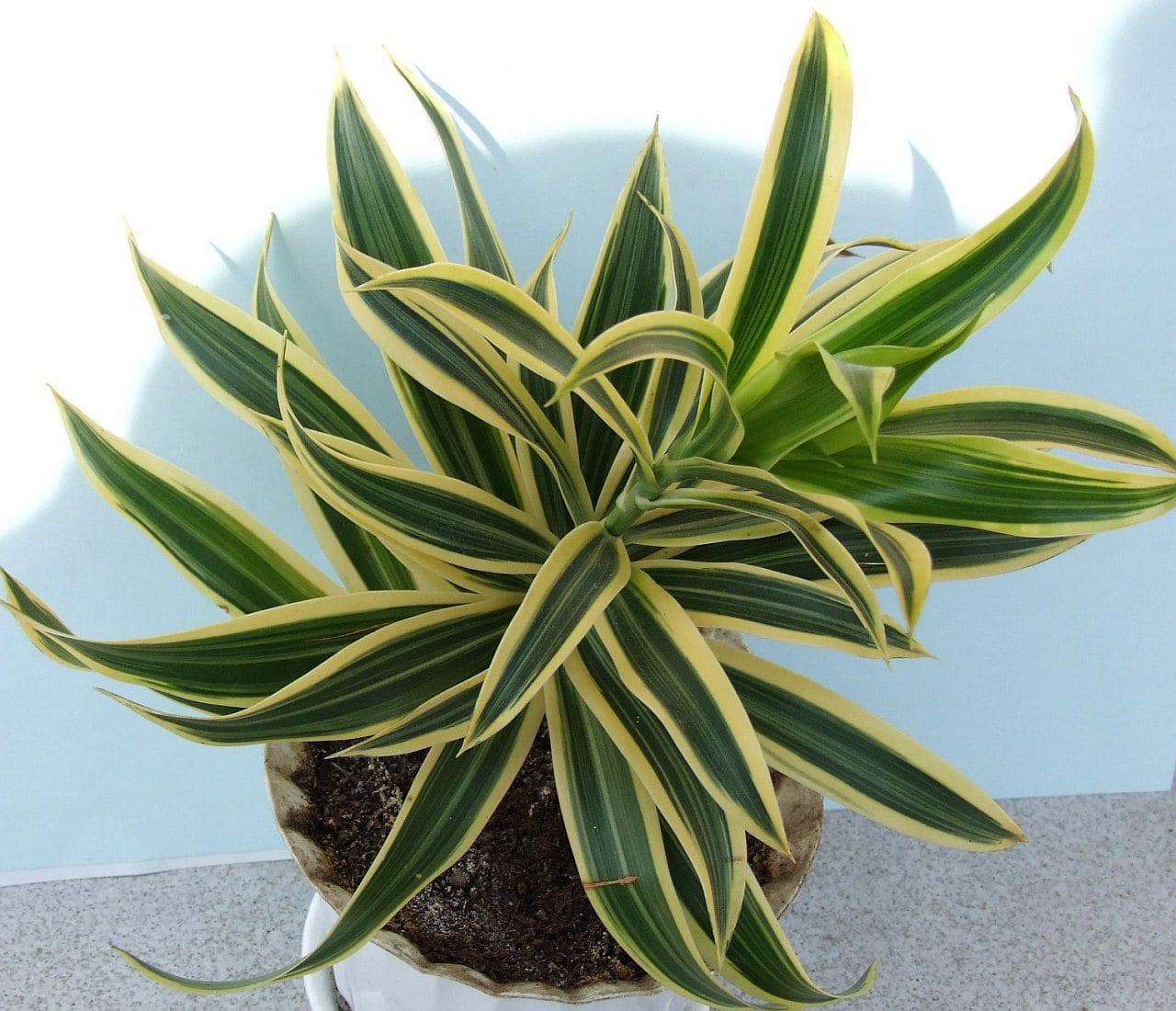
Notable for its narrow leaves spreading in a radial pattern, it comes in a wide variety of species. Dracaena massangeana, known as the "lucky tree," is especially popular. Leaf tips can brown from fluoride in tap water, so using filtered water or tap water left standing overnight will maintain its beauty longer.
7. Aglaonema
Also called "Chinese evergreen," it is a beautiful plant with a rich variety of leaf colors including green, red, and pink. It has high shade tolerance and is hardy enough to grow under fluorescent light alone. Temperatures of 15°C or below can damage leaves, so be careful of winter cold.
8. Staghorn Fern (Platycerium)
A unique-looking plant that can be mounted on a board or cork and hung on a wall. It has two types of leaves—flat spreading "water-storage leaves" and drooping "frond leaves"—with a unique mechanism where the water-storage leaves store moisture and nutrients. Watering by submerging the entire plant (called "soaking") is the basic method, done approximately once a week.
9. Hoya (Sweetheart Plant, etc.)
A charming vining plant with heart-shaped, fleshy leaves. It grows slowly and is easy to manage, and may also produce unique waxy flowers. With shade tolerance and relative drought resistance, it is well-suited to busy people.
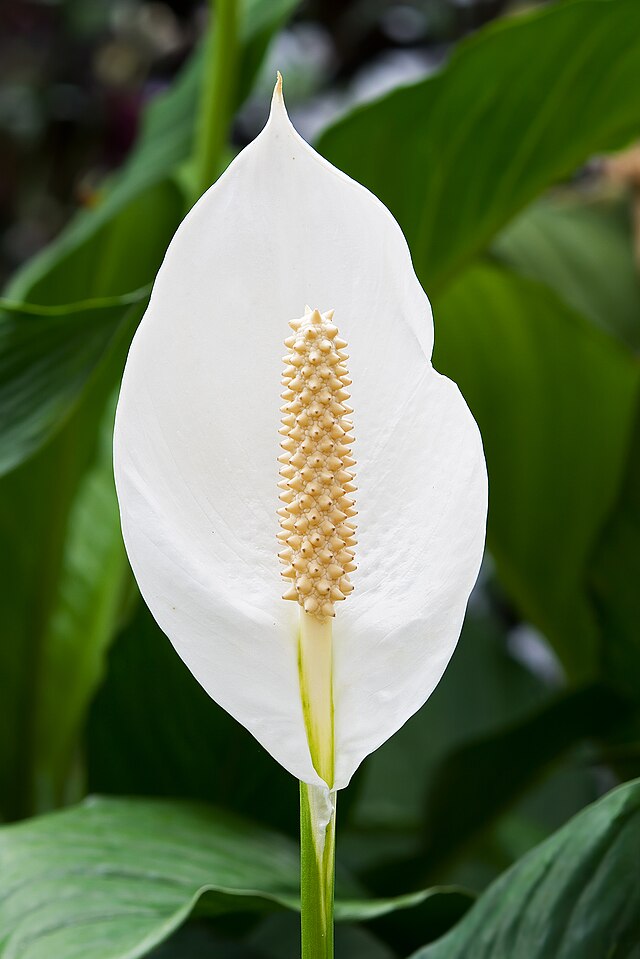
10. Spathiphyllum
A pure plant with white flower spikes (spathes) that bloom, and it is one of the few shade-tolerant plants that can flower. It prefers moisture, so manage it so the soil doesn't dry out too much. Wilting leaves are a sign of underwatering. NASA research has documented its ability to absorb formaldehyde and ammonia, contributing to improved air quality.
Common Management Tips for Shaded Environments
To keep shade-tolerant plants healthy, it is important to adjust management practices considering the low light levels.
- Reduce watering frequency: In shade, soil dries slowly and moisture stays around the roots. Manage with approximately 1.5 to 2 times the interval compared to plants in bright locations. The basic rule is to insert your finger into the soil up to the first joint, and water only when it feels dry.
- Go easy on fertilizer: Since growth is slow, fertilizer is consumed slowly, and excessive fertilizer can damage roots. Start liquid fertilizer at half the recommended amount, and apply approximately once a month during the growing season (spring through early fall).
- Remove dust from leaves regularly: Dust accumulation on leaf surfaces reduces photosynthetic efficiency. Once every 2–4 weeks, gently wipe with a damp soft cloth or rinse with a shower. This will make leaves glossy and improve appearance.
- Move to brighter locations periodically: Placing the plant in a bright spot by the window for just the daytime once or twice a week will help maintain the plant's metabolism. Sudden direct sunlight can cause leaf scorch, so soft light through a lace curtain is ideal.
Placement and Interior Design Ideas
Even in north-facing rooms, hallways, or indoor spaces without windows, incorporating shade-tolerant plants adds color to the space. There are many ways to use them as interior décor.
- Place tall dracaena in corners to create focal points
- Drape pothos or ivy from shelves to create a living curtain effect
- Display staghorn ferns as wall-mounted art
Placing plants close together also has the effect of increasing each other's humidity through transpiration. Especially for species that prefer humidity, such as ferns and spathiphyllum, grouping multiple plants together makes them easier to manage.
Although these species grow slowly, after 1–2 years of cultivation, roots may fill the entire pot. The method for repotting into a larger pot at that time is summarized in The Complete Guide to Repotting Foliage Plants, so please refer to it as well.
If you are growing foliage plants for the first time, start with either sansevieria or pothos. Both are easy to maintain and provide a clear sense of success, making them ideal introductory plants for starting a life with plants.