10 Shade-Tolerant Houseplants Recommended | Plant Species That Thrive in North-Facing or Windowless Rooms
Carefully selected shade-tolerant houseplants that thrive even in poorly lit rooms. This guide covers high shade-tolerance varieties such as Aglaonema, Zamioculcas, Sansevieria, and Schefflera, along with key management tips for dark environments.
Key Takeaways
Carefully selected shade-tolerant houseplants that thrive even in poorly lit rooms. This guide covers high shade-tolerance varieties such as Aglaonema, Zamioculcas, Sansevieria, and Schefflera, along with key management tips for dark environments.
Related Species
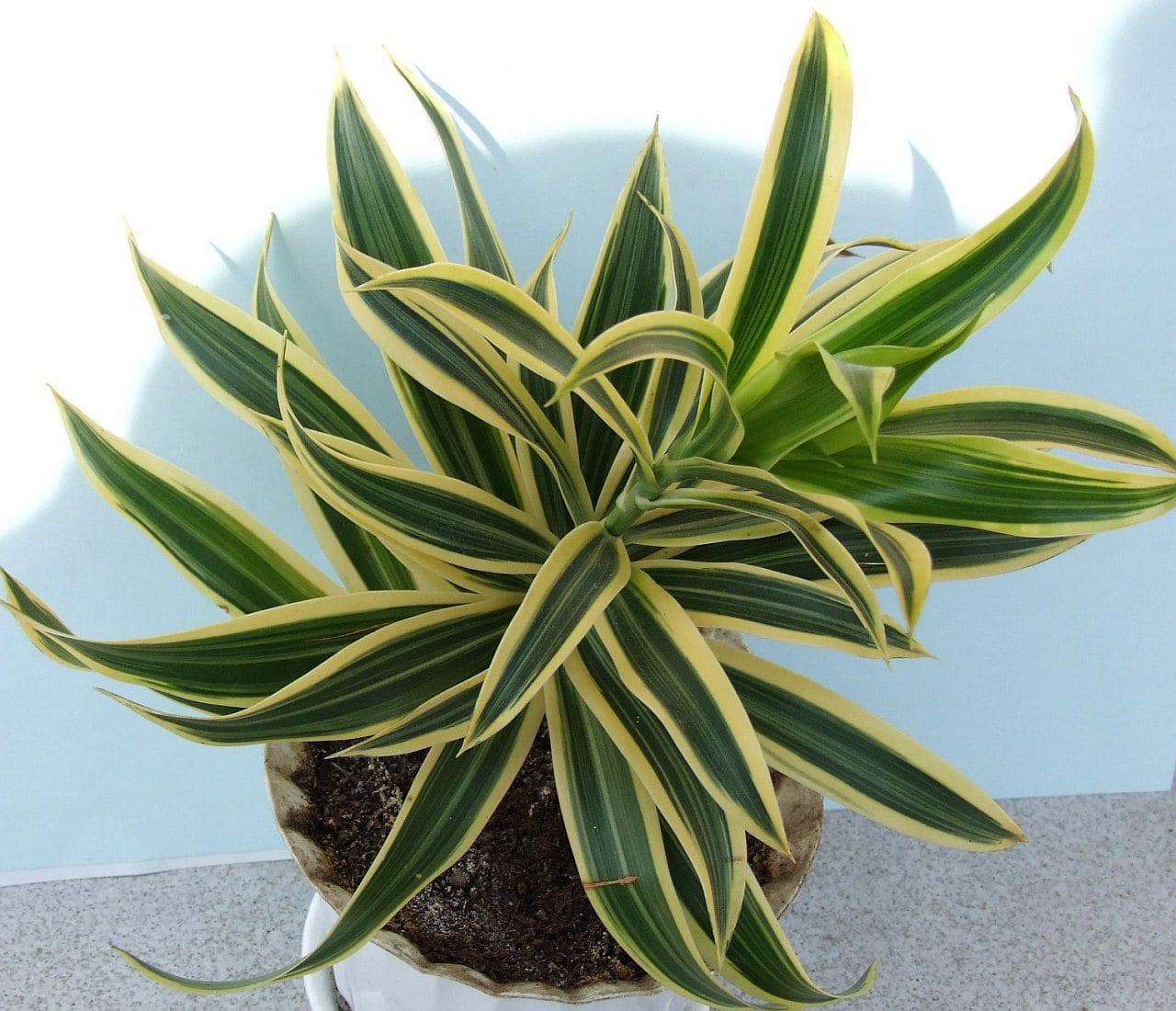
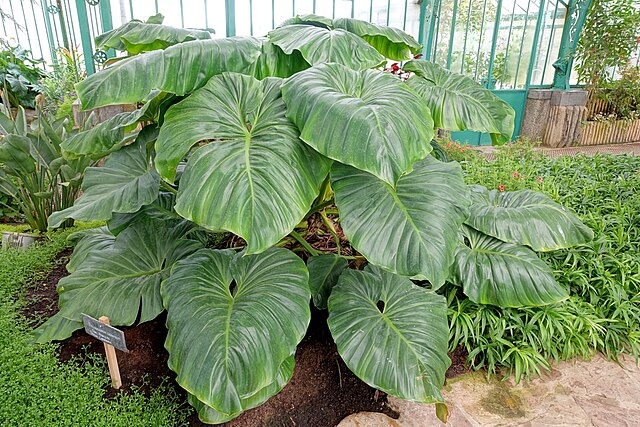
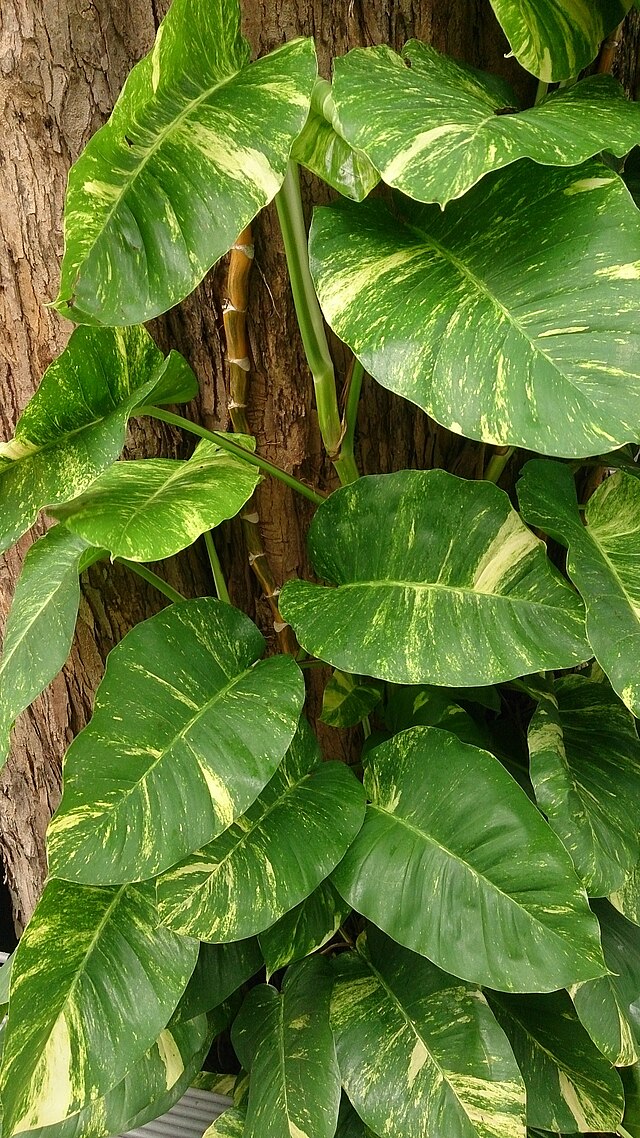
Even if you have "few windows," a "north-facing room," or want to "place plants in a hallway," shade-tolerant houseplants are unlikely to wither and can be enjoyed for a long time. Here, we've compiled 10 species with particularly strong shade tolerance and key management tips for dark environments.
How Shade Tolerance Works
There are two main reasons why plants can survive in dark places.
- High chlorophyll density: To photosynthesize efficiently with limited light, leaves contain high concentrations of chlorophyll. This is common in species that evolved on the forest floor of tropical rainforests.
- Slow metabolic rate: By slowing growth, plants can maintain life functions with less energy.
However, "able to grow in shade" does not mean "light is unnecessary." Plants will gradually weaken in places where no light reaches at all. It's important to choose species that can be maintained with indoor lighting such as fluorescent lights or LEDs, as long as there is adequate light intensity.
10 Recommended Species
1. Aglaonema (Aglaonema)
There are many colorful foliage varieties with rich leaf colors including red, pink, and silver. Native to the tropical Asian forest floor, these plants prefer low light intensity, warm temperatures, and high humidity. They dislike direct air conditioning drafts and cold temperatures (10℃ or below).
2. Zamioculcas (Zamioculcas zamiifolia) / ZZ Plant
This plant features beautiful glossy, deep green leaves and is extremely drought-tolerant because its rhizomes (tuber-like roots) store water. It's perfect for those who tend to forget watering. While growth is slow, it has strong adaptability to dark environments.
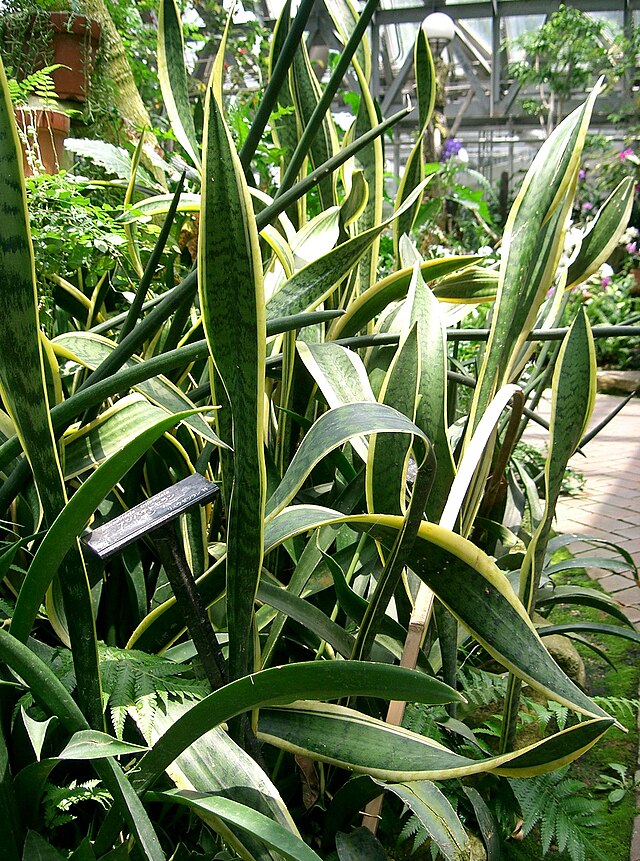
3. Sansevieria (Dracaena trifasciata)
Also called "Tiger's Tail," it's characterized by upright leaves with vertical stripe patterns. It excels in both drought and shade tolerance and is hardy enough to grow even with minimal care. However, in winter, it must be kept drier to prevent root rot.
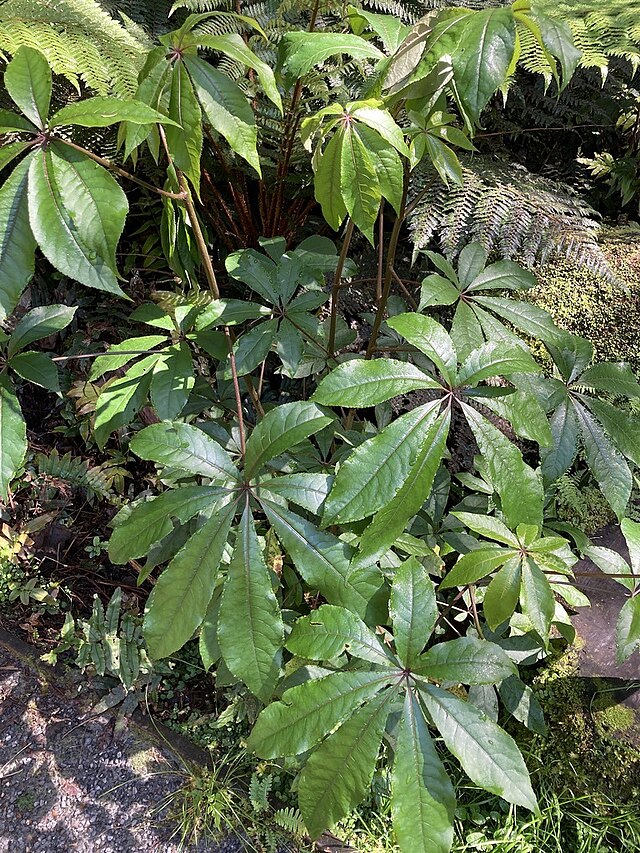
4. Schefflera (Schefflera)
The radiating, palm-shaped leaves create a cool impression. It has shade tolerance, and while variegated varieties prefer brighter locations, green varieties can be maintained under indoor lighting.
5. Asplenium (Asplenium) / Bat Wing Fern and Shield Fern Species
A fern species that prefers dark places. It's sensitive to direct sunlight and dislikes dryness, so it can be grown in humid places like bathrooms and washrooms. Provide regular misting to the leaves.
6. Pothos (Epipremnum aureum)
It has top-class shade tolerance and is unlikely to wither even under lighting alone. However, weak light tends to fade the variegation in variegated varieties.
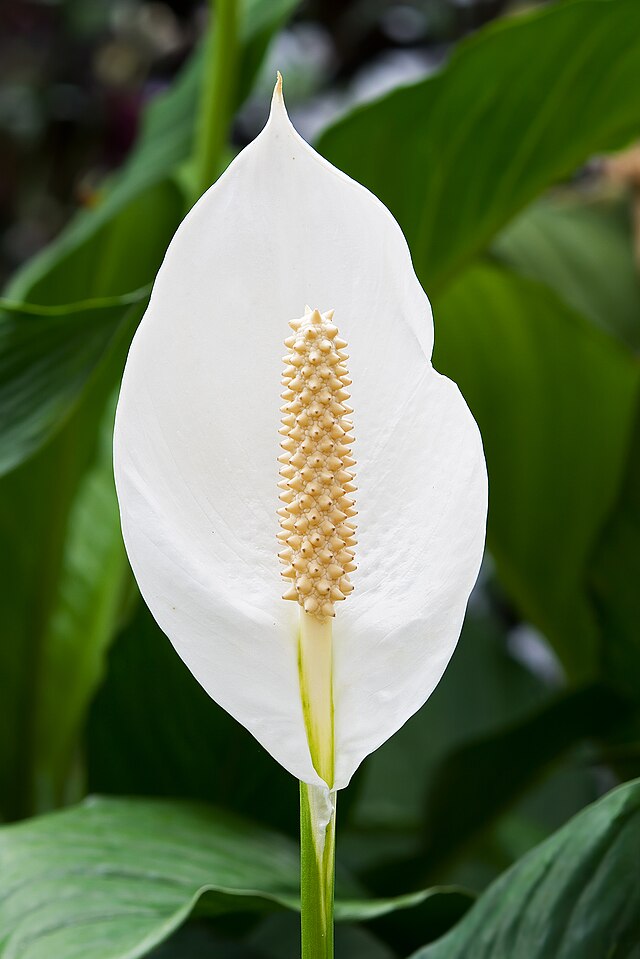
7. Spathiphyllum (Spathiphyllum)
Characterized by white spathes (flowers) and dark green leaves, it flowers relatively well even in shade. It prefers warm, humid conditions and dislikes dryness and direct sunlight. Watering before the soil surface dries helps maintain good condition.
8. Dracaena (Dracaena)
Characterized by an upright trunk form, many varieties have shade tolerance. D. marginata and D. fragrans are hardy varieties commonly used in offices.
9. Philodendron 'Birkin' (Philodendron 'Birkin')
A Philodendron variety featuring beautiful white stripe patterns, it grows well even in relatively low light. With gentle growth and easy care, it's popular as a decorative houseplant.
10. Maranta (Maranta leuconeura)
Known as "prayer plant" because its leaves fold upward at night, it has high shade tolerance because it originates from dark forest floors. It's sensitive to direct sunlight and prefers humid, temperature-stable environments.
Watering Tips for Dark Environments
Plants in shade have less photosynthesis and slower growth, so soil dries more slowly. Maintaining normal watering frequency increases the risk of overwatering and root rot.
- Always check soil moisture before watering: Check with your finger whether the soil is dry not just on the surface, but halfway down the pot.
- Reduce watering especially in winter: Since growth stops in winter, reduce watering frequency further. Sansevieria and ZZ Plants may need water only about once a month.
- Water until it drains from the pot bottom: Watering in small amounts frequently prevents roots from reaching the bottom of the pot, weakening the plant long-term.
- Discard water in saucers: To prevent root rot, discard any water collected in saucers within 30 minutes to an hour after watering.
Additionally, when managing plants under indoor lighting alone, periodically moving them to a bright windowsill for supplemental photosynthesis—a practice called "rotation management"—is effective for maintaining plant health.
Purchase with Confidence on GrowerDirect
Even with shade-tolerant houseplants, selecting healthy specimens is the foundation of long-term care. On GrowerDirect, you can purchase directly from growers who carefully cultivate houseplants and consult with them in advance about placement and care methods.