Recommended Hanging Plants: 10 Best Choices for Enjoying Foliage Plants While Suspended
10 recommended foliage plants that can be displayed while suspended. We explain the selection of hanging pots, watering techniques, and pruning methods for overgrown plants, featuring pothos, hoya, dischidia, aeschynanthus, and more.
Key Takeaways
10 recommended foliage plants that can be displayed while suspended. We explain the selection of hanging pots, watering techniques, and pruning methods for overgrown plants, featuring pothos, hoya, dischidia, aeschynanthus, and more.
Related Species
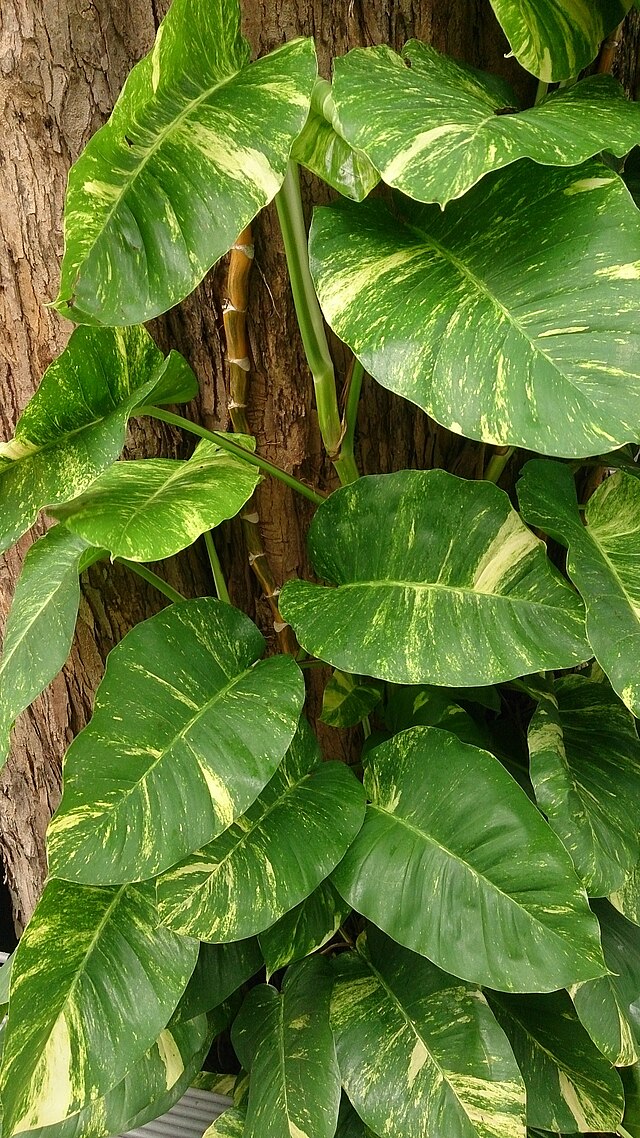
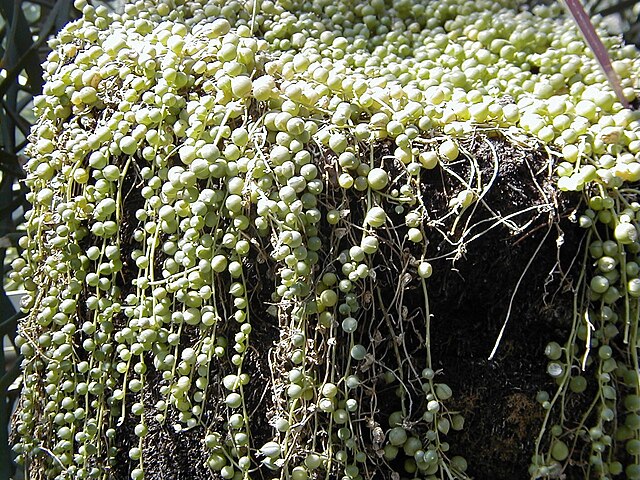
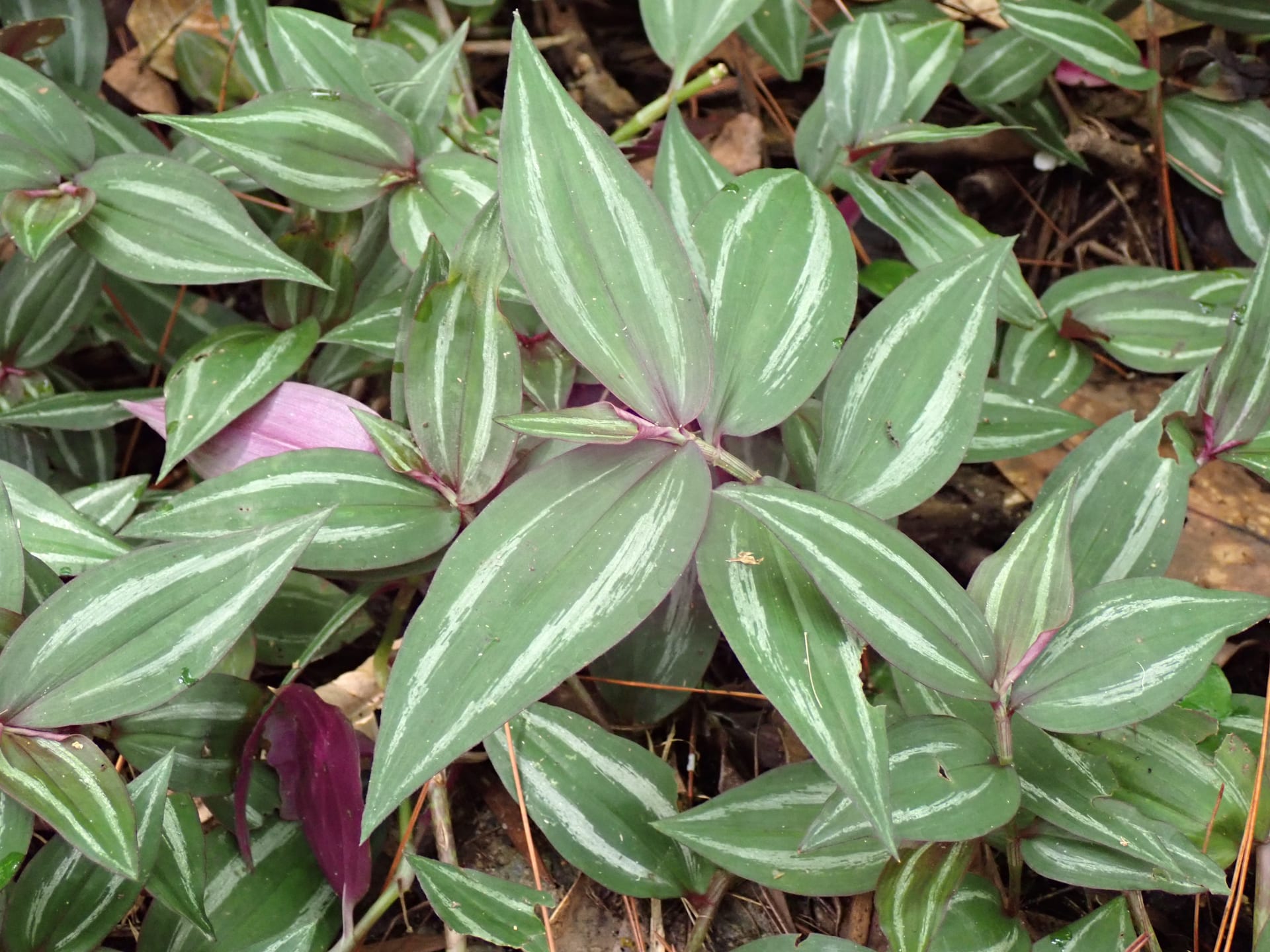
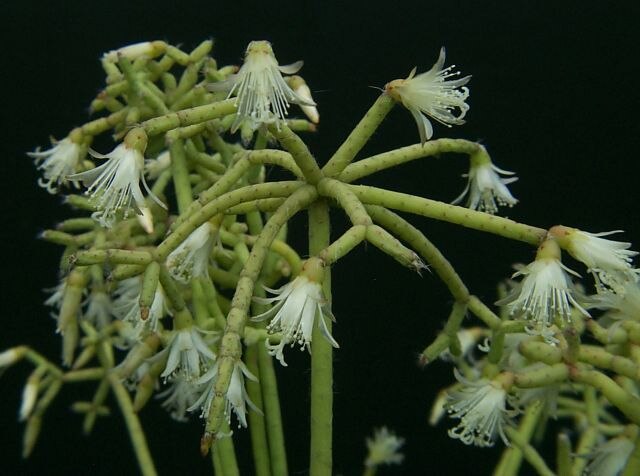
Hanging plants with beautiful trailing or pendant foliage are popular as interior greenery that adds three-dimensional color to a space. Here we summarize 10 easy-to-grow varieties with good appearance, along with key points for selecting hanging pots and watering.
Top 10 Recommended Varieties
1. Pothos (Epipremnum aureum)
One of the most popular species as an introduction to foliage plants. It has high shade tolerance, with long trailing vines that hang beautifully. There are many variety options including Green, Marble Queen, Golden, and Neon. It roots easily in water, making it simple to propagate.
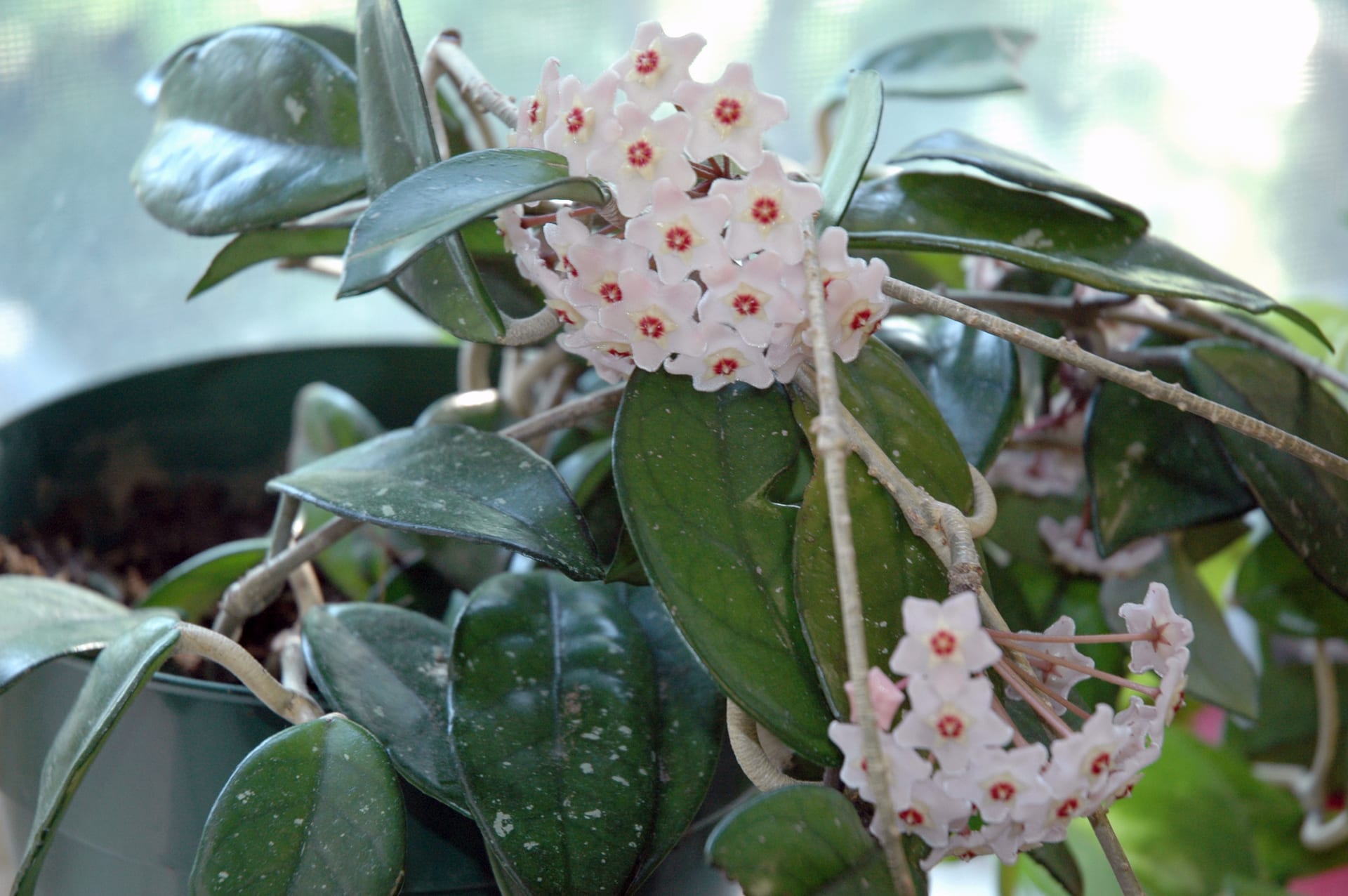
2. Hoya carnosa (Hoya carnosa)
A succulent foliage plant characterized by thick, fleshy leaves and star-shaped fragrant flowers. It is drought-tolerant, with the basic rule being to water only after the potting soil has completely dried. Cutting the vine in the middle may reduce flowering, so it is best to leave the flowering stems and their peduncles intact.
3. Dischidia (Dischidia)
A tropical Asian plant in the Asclepiadaceae family that grows epiphytically on tree trunks. The 'Million Hearts' variety, with its succession of small round leaves, is popular. As an epiphytic plant, it thrives best when grown on sphagnum moss or cork bark.
4. Aeschynanthus (Aeschynanthus)
Characterized by vibrant red or orange tubular flowers and deep green glossy leaves. It prefers high temperatures and humidity, and grows best in bright locations away from direct sunlight. When in bloom, it creates a more dramatic display.
5. Rhipsalis (Rhipsalis)
Despite being a cactus (Cactaceae), it is an epiphytic cactus with delicate, pendant stems. It is sensitive to direct sunlight and prefers bright shade. Since it naturally grows on trees in tropical rainforests rather than deserts, it has good adaptability to humid environments.
6. Sugar Vine (Cissus striata)
A charming trailing plant with small five-leafed stems and a cool, fresh appearance. It has shade tolerance and lasts longer when kept on the drier side. While growth slows in winter, it has relatively good cold tolerance.
7. String of Pearls (Curio rowleyanus)
A succulent plant with round, bead-like leaves arranged in a string. Well-draining soil and drier management are essential. High humidity during the rainy season can cause rot, so maintaining good air circulation is critical.
8. Ivy (Hedera helix)
A long-cherished trailing plant with excellent shade and cold tolerance, making it a hardy variety. Many variegated cultivars are available, with leaf shapes varying by variety. As it is prone to spider mites, regular leaf rinsing is effective for prevention.
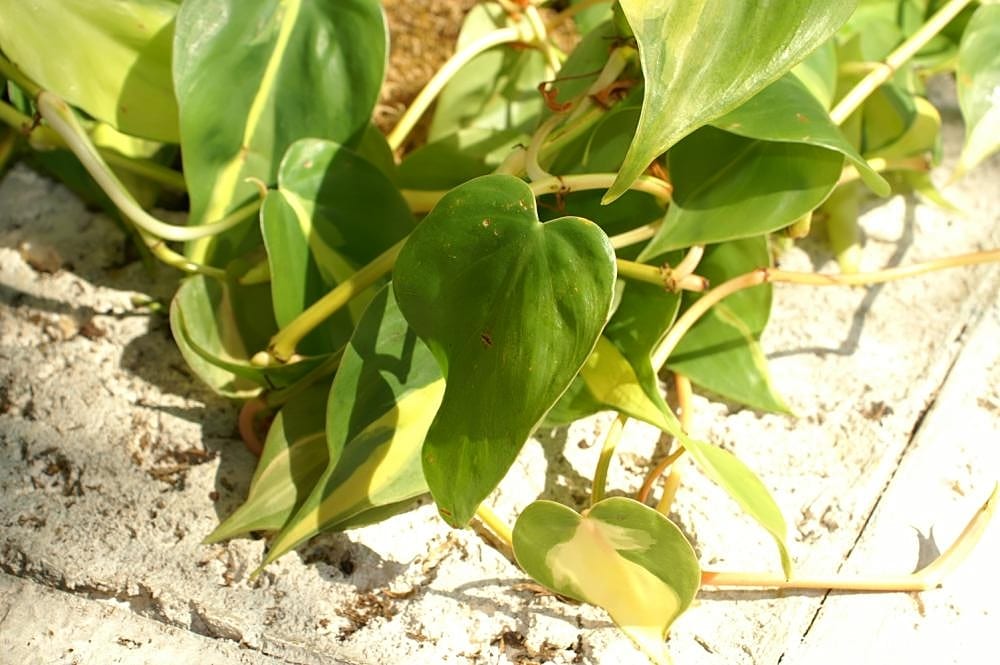
9. Philodendron Brasil (Philodendron hederaceum 'Brasil')
A variegated cultivar of heart-leaf philodendron, with green and lime-green bicolor tones that create a bright impression. It prefers high temperatures and humidity, and can be grown with care similar to pothos.
10. Tradescantia (Tradescantia)
A perennial with the appeal of vibrant colored foliage in purple, pink, white, and other shades. It grows rapidly and propagates easily from cuttings. Direct sunlight causes leaf burn, so bright indirect light is ideal.
How to Choose a Hanging Pot
Characteristics by Material
- Plastic pots: Lightweight with good water retention. Ideal for species that prefer moisture (such as aeschynanthus and pothos)
- Terracotta pots: Good air circulation and less prone to excess moisture. Suitable for succulent species like hoya and string of pearls
- Basket-type (coconut fiber): Excellent air circulation and drainage, ideal for epiphytic plants (such as dischidia and rhipsalis)
Size The basic rule is to choose a size one step larger than the root zone of the plant. Pots that are too large make soil dry slowly, increasing the risk of root rot.
Drainage Holes Hanging pots must always have drainage holes. If there are no holes, place 2–3 cm of perlite or gravel at the bottom. If using a saucer, ensure water does not accumulate.
Watering Tips
Hanging pots dry out more easily than pots on the ground and, being at an elevated height, can be inconvenient to water.
- Use a long-spouted watering can: It reaches elevated pots more easily.
- For basket-type pots, soak the entire pot in a bucket: This allows water to be absorbed evenly from the bottom.
- Watering frequency guide: This varies depending on room temperature, light levels, and season. The basic rule is to water when the top 2–3 cm of soil has dried.
- Avoid moisture issues in summer: In air-conditioned rooms, soil dries quickly; outdoors and in sunny windows, watch for both excessive drying and leaf scorch.
Placement and Seasonal Care
Most hanging plants prefer bright shade rather than direct sunlight, such as light filtered through lace curtains. When hanging plants by a window, be aware that the angle and intensity of sunlight changes seasonally. To be safe, soften the light with curtains or other measures during periods when leaf scorch or drying is a concern.
Locations where air-conditioning air blows directly cause leaf drying and stress the plant. Hang the pot away from the air outlet or adjust the airflow. Similarly, avoid places near heating sources, as they promote drying.
When temperatures drop, windowsills become cold and drafts have more impact, so moving the plant between day and night positions or relocating it away from the window reduces stress on the plant.
Good air circulation also helps prevent pests and diseases. For plants with dense, moisture-prone foliage, tidying overgrown stems and increasing spacing between leaves is beneficial.
Common Problems and Solutions
Yellowing Leaves This is often a sign of root rot from overwatering. Check whether the soil remains constantly wet and whether water drains properly from the pot bottom.
Brown Leaf Tip Burn The main causes are dry air and underwatering. In air-conditioned rooms, drying is especially common, so misting the leaves can sometimes help improve the condition.
Leggy Growth (Excessive Stem Elongation) This indicates insufficient light. Even shade-tolerant species become leggy if kept too long in dim conditions. Move the plant to a brighter location or prune overgrown stems and reshape the plant.
Small Insects or Spots on Leaf Undersides This may indicate sap-sucking pests common to foliage plants, such as spider mites or scale insects. Upon discovery, rinse the leaves with water and improve air circulation to prevent the problem from spreading.
Buying Confidently on GrowerDirect
Selecting healthy hanging plants is the first step to enjoying them for a long time. On GrowerDirect, you can purchase directly from plant growers and select your favorite specimen.