10 Shade-Tolerant Houseplants Recommended | Plant Varieties That Thrive in Low Light
We introduce 10 shade-tolerant houseplants. The ZZ plant needs watering only once every 2–3 weeks, and the windmill palm (shuro-chiku) can withstand temperatures down to about 5°C. Pothos loses its variegation in dim light. We also explain tips for watering and fertilizing in shade, as well as common mistakes beginners make.
Key Takeaways
We introduce 10 shade-tolerant houseplants. The ZZ plant needs watering only once every 2–3 weeks, and the windmill palm (shuro-chiku) can withstand temperatures down to about 5°C. Pothos loses its variegation in dim light. We also explain tips for watering and fertilizing in shade, as well as common mistakes beginners make.
Related Species
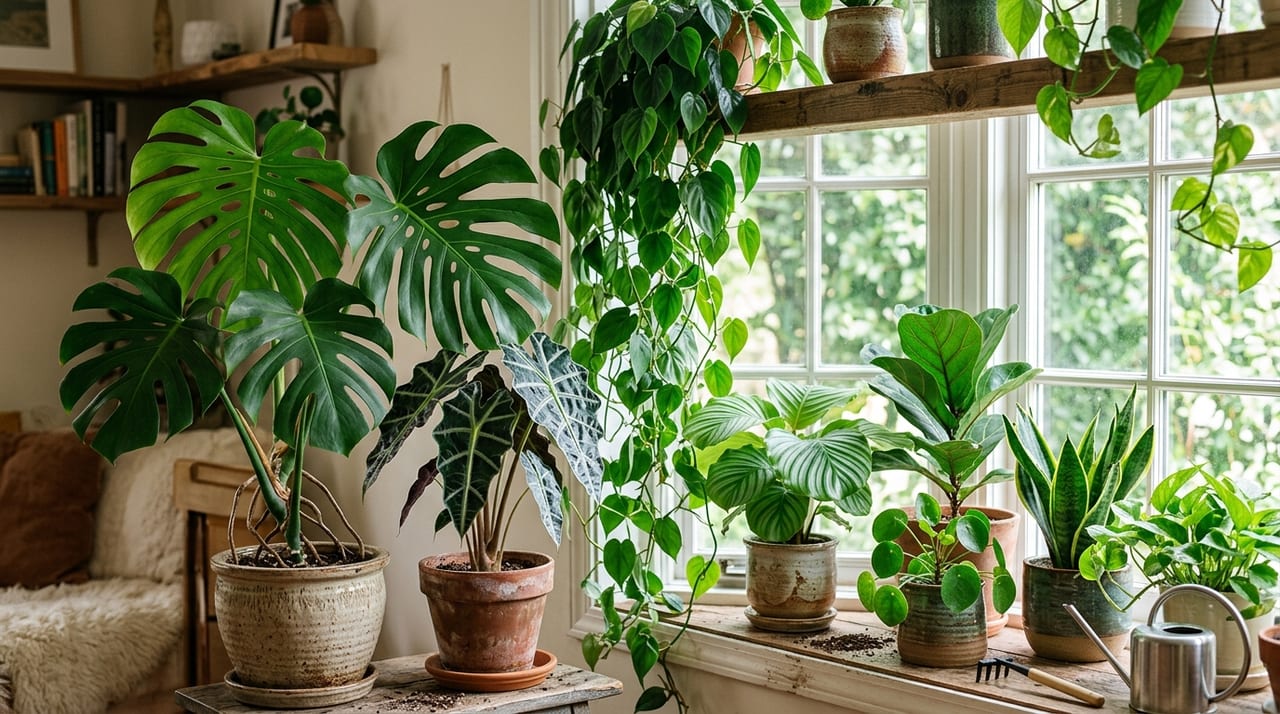
Many houseplants grow beautifully even in north-facing rooms and deep office corners—environments with limited sunlight. Here we introduce 10 carefully selected plants that excel in shade tolerance.
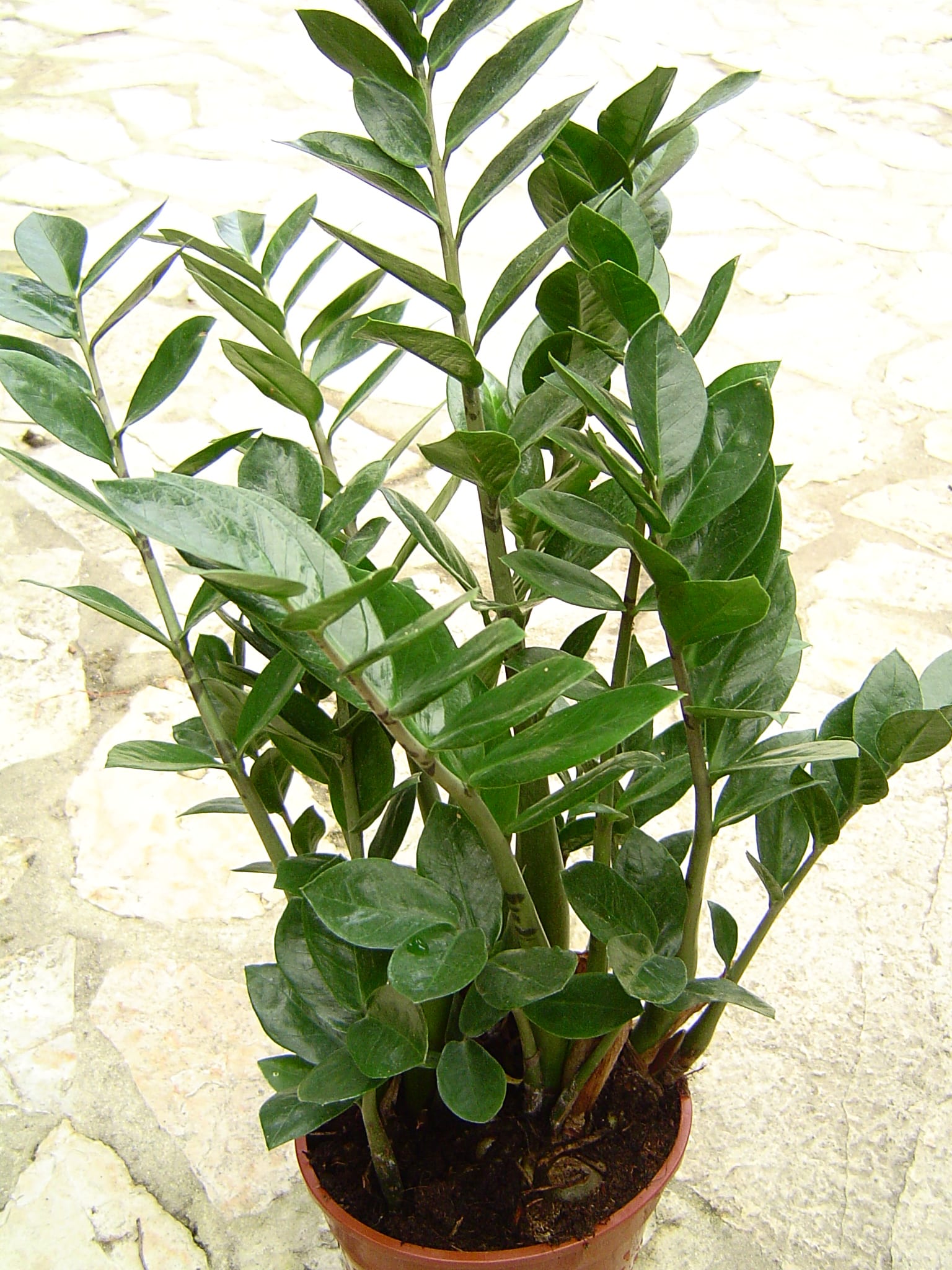
1. Zamioculcas (ZZ Plant)
Native to East Africa and a member of the Araceae family, it is characterized by fleshy, glossy leaves. It has exceptional shade tolerance and can grow with only fluorescent light. With an underground bulbous root and strong drought tolerance, it is the ultimate low-maintenance plant, requiring watering only once every 2–3 weeks.
2. Aglaonema
Native to Southeast Asia, its main appeal is the beautiful variegated foliage. With abundant varieties such as Silver Queen and Maria, the silver and red patterns brighten any indoor space. Many varieties retain beautiful variegation even in low light, combining decorative appeal with shade tolerance. It is sensitive to cold, so maintain temperatures above 15°C in winter.
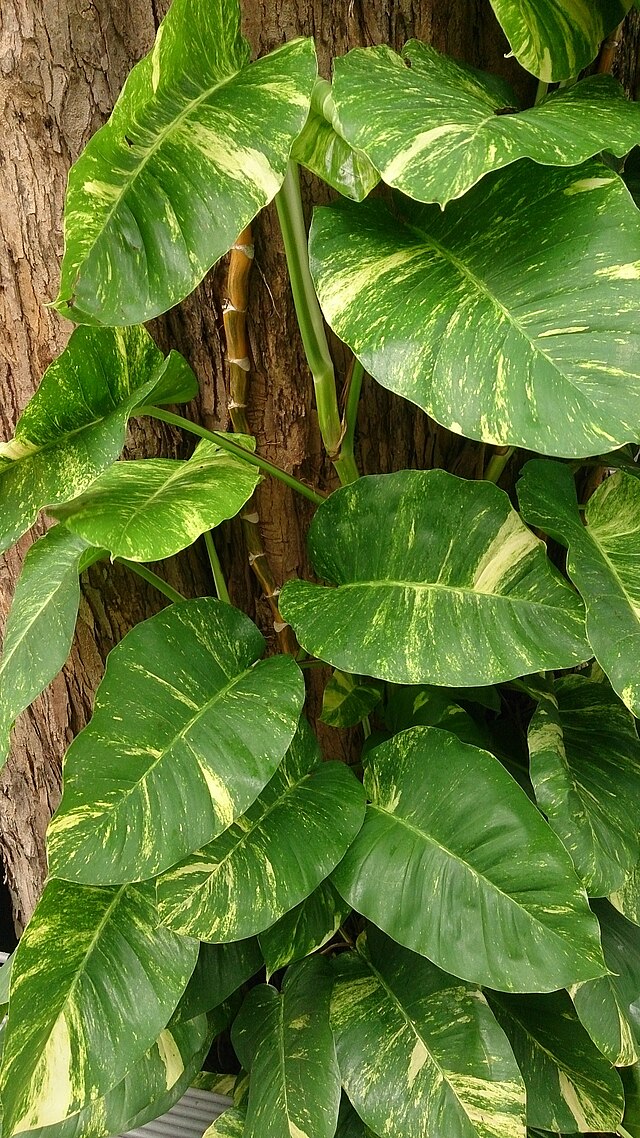
3. Pothos
One of the most well-known houseplants. Its vining foliage grows readily and can be easily propagated in water. There are many varieties such as Golden Pothos, Marble Queen, and Lime Pothos. In dim locations, variegation becomes less pronounced, but it rarely dies. It can be displayed in many ways—hanging baskets, climbing poles—and is highly versatile.
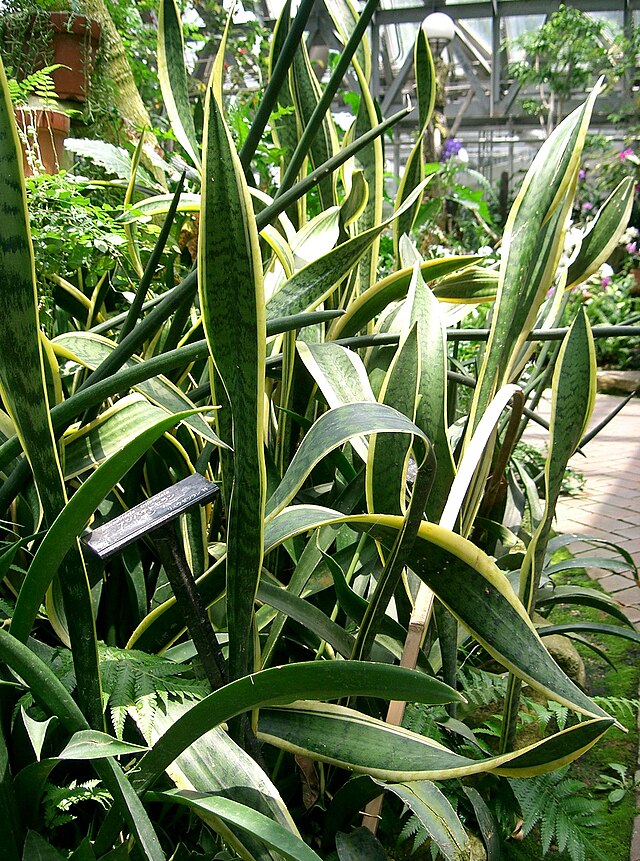
4. Sansevieria
Popular for its distinctive upright, sword-like leaves. It is also known for having had air-purifying effects documented in NASA research. It has strong shade and drought tolerance, tough enough to survive a month without watering. However, be careful of root rot from overwatering.
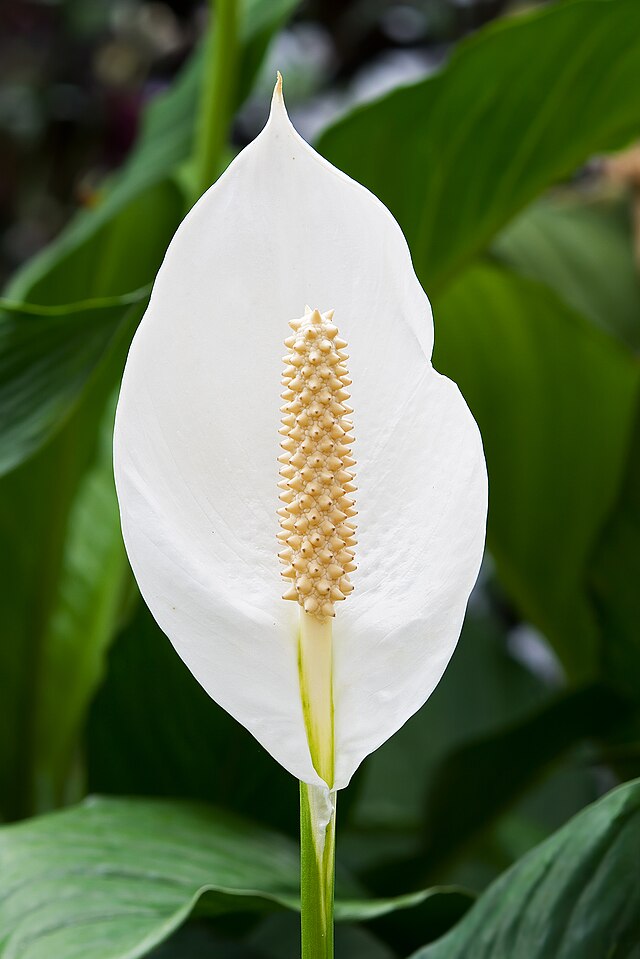
5. Spathiphyllum
One of the few shade-tolerant plants that produce flowers with white spathes. It grows robustly even in shade, and will flower indoors in bright shade conditions. While the leaves will wilt if water is withheld, they quickly revive when watered again—a testament to its resilience.
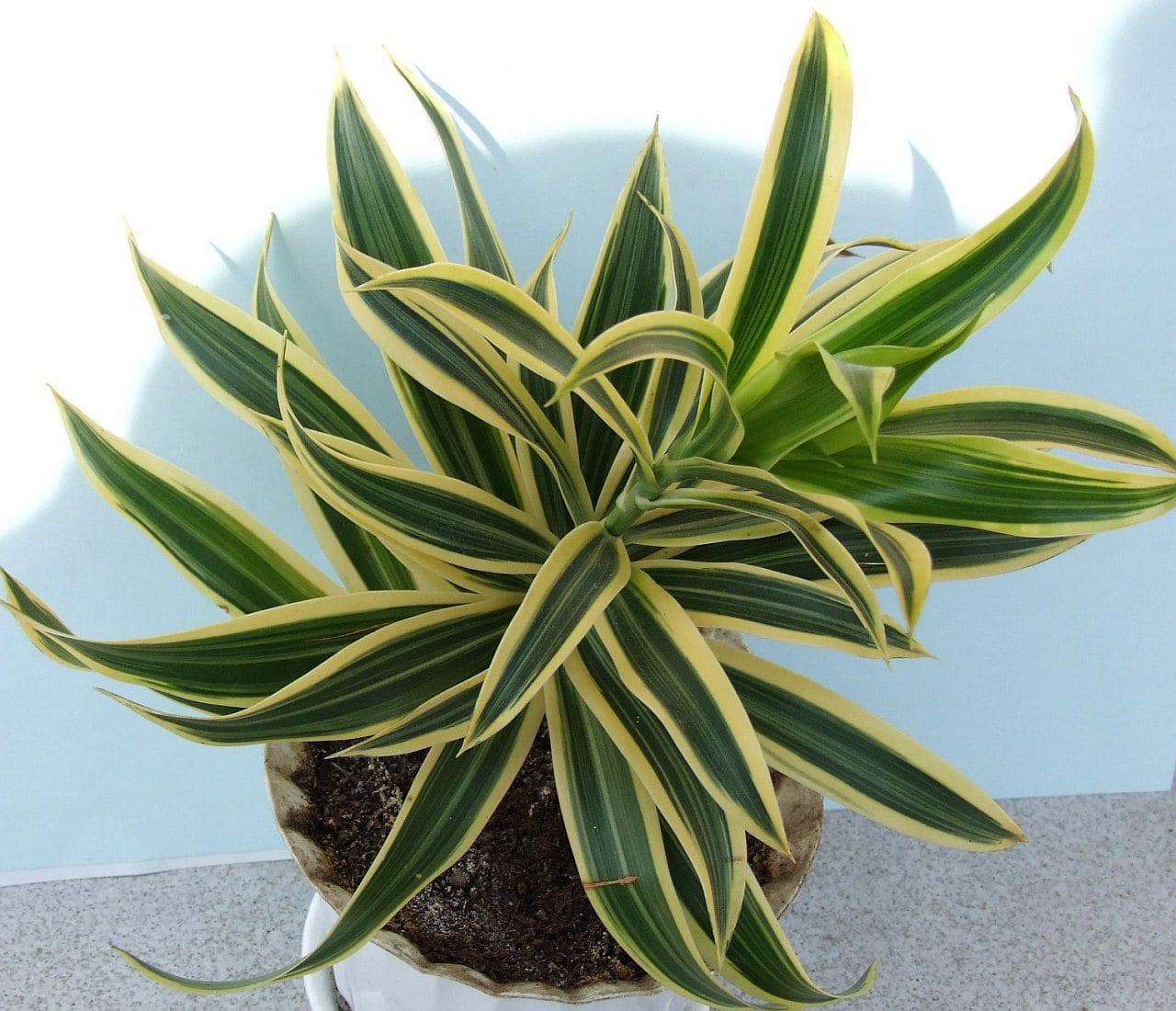
6. Dracaena (Fortune Tree)
A popular houseplant with many varieties including Massangeana. It has high shade tolerance and is widely used in office plantings. As it grows large, it makes an impressive statement tree for living rooms. Manage it in a location where winter temperatures do not drop below 10°C.
7. Asplenium (Bird's Nest Fern)
A fern relative with large, glossy leaves arranged radially. It prefers shade and humidity, making it ideal for placement near bathrooms or kitchens. Direct sunlight causes leaf burn, so always manage it in shade to partial shade.
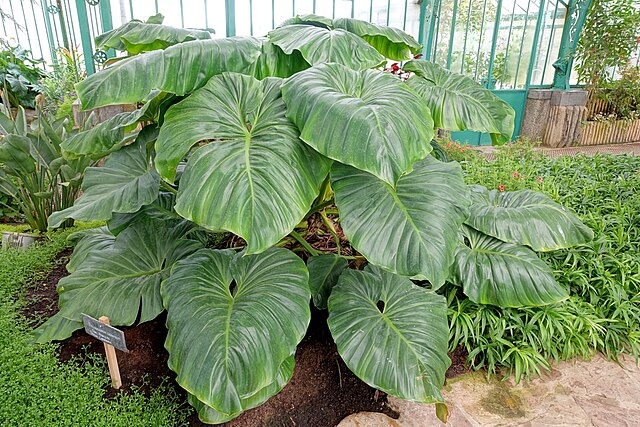
8. Philodendron
Characterized by heart-shaped leaves, varieties such as Selloum and Birkin are popular. It has high shade tolerance and grows well in bright shade. Its growth habit of developing aerial roots makes it an attractive accent for interior design.
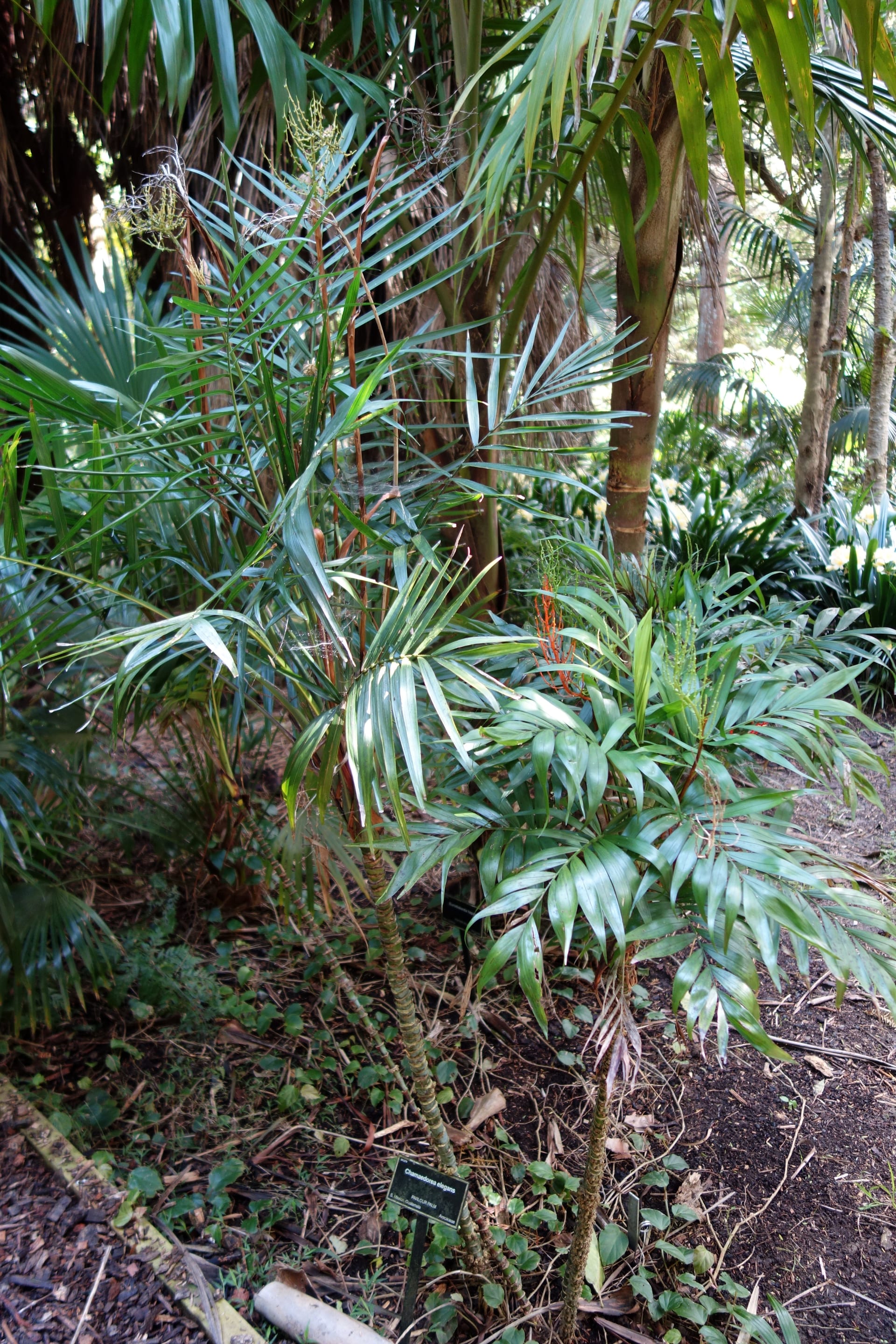
9. Table Palm (Chamaedorea)
A small palm popular for its compact size that fits on tabletops. It has high shade tolerance and grows well even on office desks. Direct sunlight causes leaf burn, making it an unusual variety that actually thrives better in shade. Mist the leaves regularly to prevent spider mites during dry periods.
10. Rhapis Palm (Goddess Palm)
A palm relative with an Oriental aesthetic, its appeal lies in its graceful form with thin, fan-like leaves. It has both high shade and cold tolerance, withstanding temperatures around 5°C, making it easy to manage through Japanese winters. It complements both Japanese and Western-style rooms.
Tips for Growing in Shade
Even highly shade-tolerant varieties cannot survive in complete darkness. Keep the following points in mind.
- Ensure minimum light: Choose a location with fluorescent or LED light
- Reduce watering frequency: In low-light environments, water consumption decreases, so water at longer intervals than usual
- Weekend sunbathing: Keeping plants on desks on weekdays and moving them near windows on weekends is also effective
- Keep leaves clean: Dust buildup reduces photosynthetic efficiency, so wipe leaves once a month
- Use fertilizer sparingly: In slow-growing environments, half the normal amount is sufficient
Common Beginner Mistakes and How to Avoid Them
Mistake 1: Confusing "shade-tolerant" with "thrives in darkness" Shade tolerance means able to endure darkness, not that darker is better. Every variety will develop a tighter, more compact form when placed in bright shade rather than deep shade. Understand that growth stops in locations far from windows.
Mistake 2: Not adjusting watering frequency in dark locations With weak light, transpiration decreases and soil dries more slowly. Watering at the same intervals as in bright locations will certainly cause root rot. The only guide is to lift the pot and water only when it feels light.
Mistake 3: Fertilizing plants in dark locations Excess fertilizer relative to photosynthetic output damages roots. For shade-managed plants, it is safer to reduce or stop fertilizing altogether.
Find Shade-Tolerant Houseplants on GrowerDirect
On GrowerDirect, you can consult directly with growers while selecting varieties suited to your growing environment. GrowerDirect's strength is that when you communicate your light conditions, growers can recommend varieties ideal for your space.