Humidity Management Guide for Foliage Plants | Using Humidifiers and Terrariums
A detailed explanation of humidity management for foliage plants. Covers ideal humidity levels by variety, how to choose and place humidifiers, how to use terrariums and glass cloches, and practical winter drying countermeasures.
Key Takeaways
A detailed explanation of humidity management for foliage plants. Covers ideal humidity levels by variety, how to choose and place humidifiers, how to use terrariums and glass cloches, and practical winter drying countermeasures.
Related Species
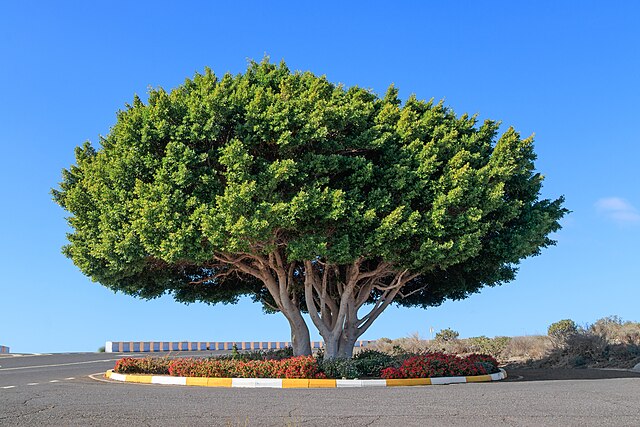
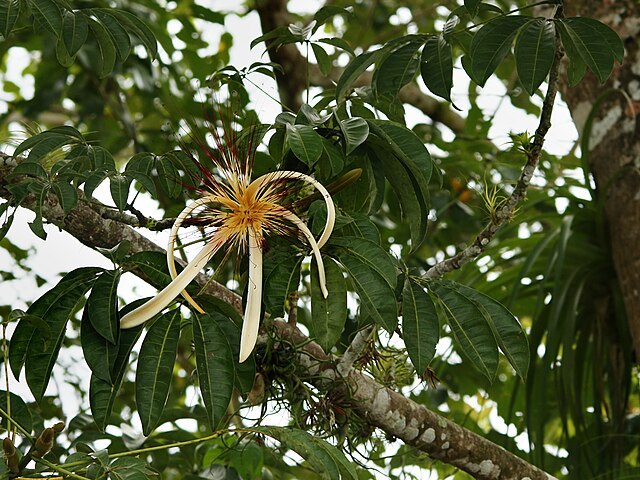
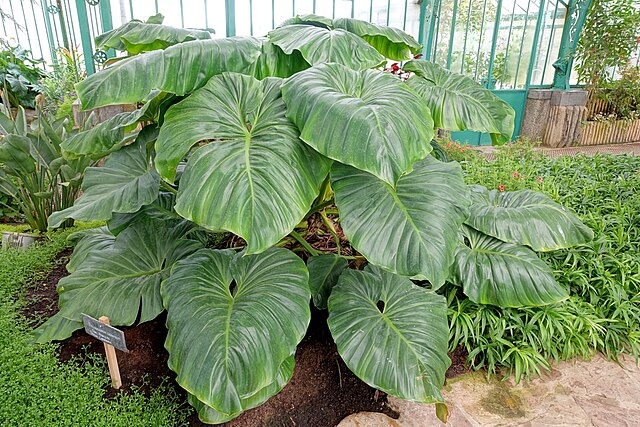
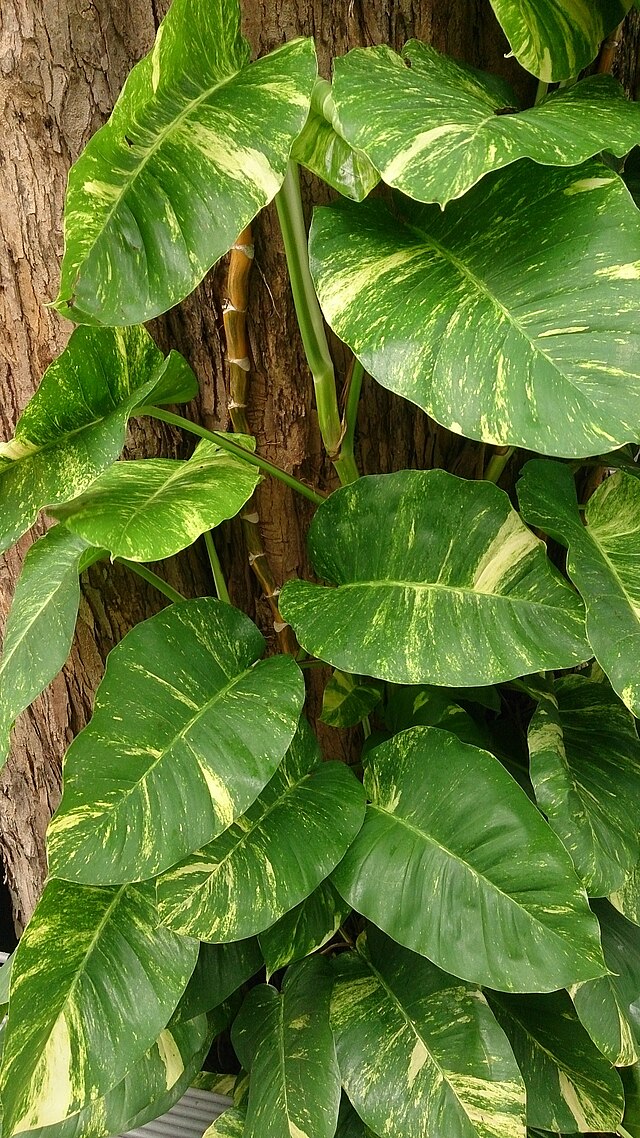
Most foliage plants originate from tropical regions and tend to lack sufficient humidity in typical Japanese indoor environments. Especially when air conditioning is used during winter, indoor humidity can drop to 30% or below, creating harsh conditions for plants. This article explains humidity management for foliage plants, from ideal humidity levels by variety to specific countermeasures.
The Relationship Between Foliage Plants and Humidity
Tropical rainforest humidity reaches 80–90%. Many foliage plants have evolved in such high-humidity environments, so in typical Japanese indoor settings (usually 40–60%) they may experience insufficient humidity. When humidity is lacking, symptoms appear such as browning and die-back of leaf tips, curled leaves, delayed emergence of new growth, and dull foliage.
However, not all foliage plants require high humidity. The humidity level needed varies considerably by variety.
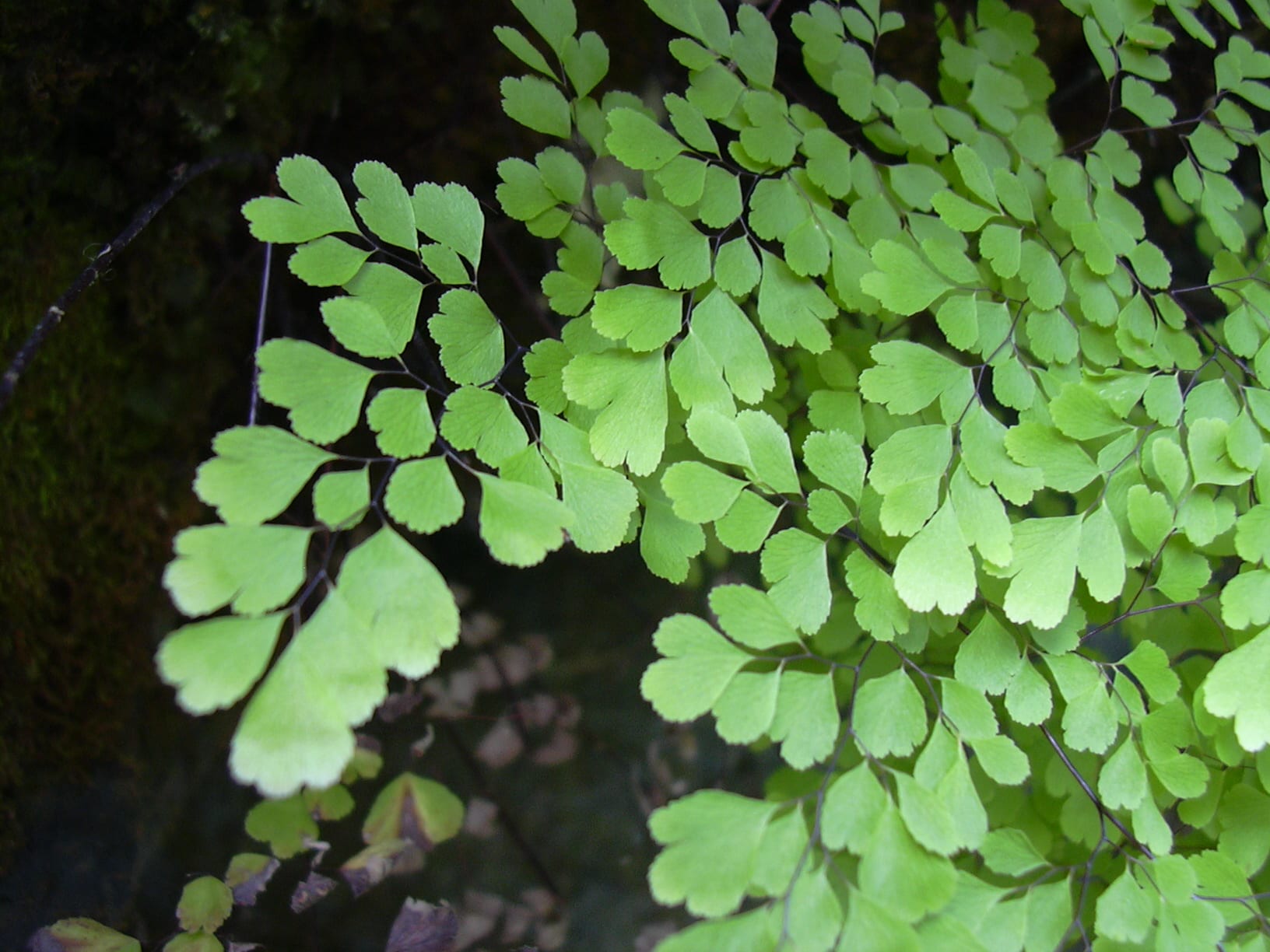
Varieties requiring high humidity (60% or higher) Calathea, Anthurium, Fittonia, Adiantum, ferns, and some begonias. These varieties show obvious leaf damage when humidity remains at 40% or below.
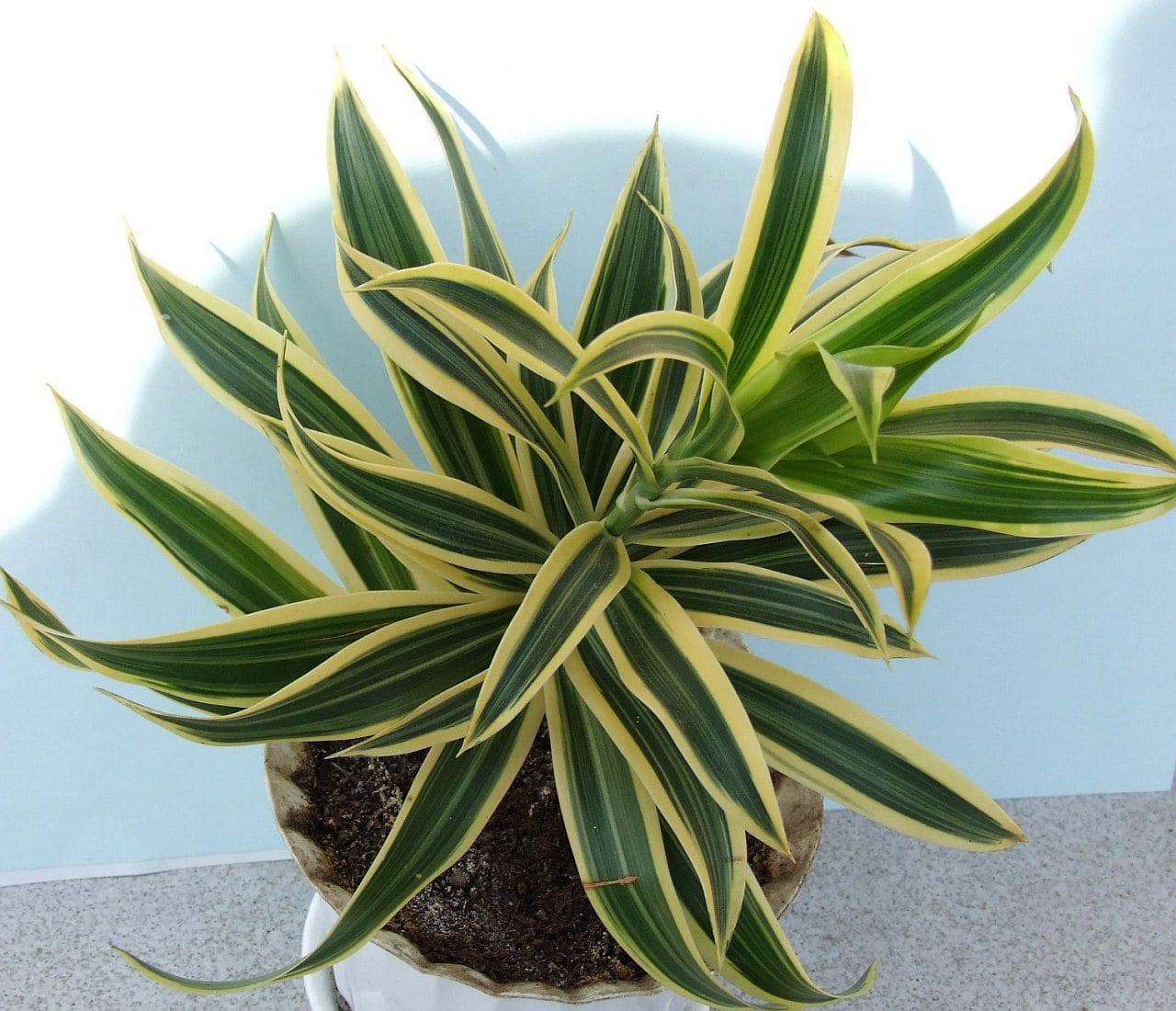
Varieties thriving in moderate humidity (40–60%) Monstera, Pothos, Philodendron, Spathiphyllum, and Dracaena. These generally thrive in typical indoor environments but require careful attention to winter dryness.
Varieties tolerant of dryness (viable at 40% or lower) Sansevieria, Zamioculcas, Pachira, and Ficus retusa. These tolerate some dryness, but prolonged extreme dryness is not ideal.
Humidity Management Using Humidifiers
More people are introducing humidifiers for their plants. Here is how to use them effectively.
Types and features of humidifiers Ultrasonic humidifiers are attractive for their convenience and low cost, but mineral content in the mist can leave white powder residue on furniture and leaves. Evaporative humidifiers are economical and have no white powder issues, but their humidifying capacity is somewhat modest. Steam humidifiers have high humidifying power and are hygienic, but consume more electricity. For plant use, ultrasonic or evaporative models are popular; choosing one with a large tank capacity reduces the frequency of refilling and makes maintenance easier.
Key points for placement Placing the humidifier near plants is effective, but avoid positioning it so mist falls directly on leaves. Water droplets remaining on leaves can cause disease. Ideally, install it 50 cm to 1 m away from plants to raise overall humidity in the surrounding area. Keep a hygrometer near the plants to monitor readings while operating.
Operating time and humidity targets A realistic goal is to maintain 40–60% humidity during daytime hours when at home. There is no need to run it 24 hours; it is more efficient to concentrate operation during periods of heavy heating-related dryness. Many homes turn off heating at night, when humidity naturally rises, so turning off the humidifier is often fine.
Effects and methods of foliar misting
Foliar misting—spraying water on leaves with a mister—is an easy humidity measure. However, the effect is temporary and does not raise humidity throughout the room. It temporarily compensates for water loss from transpiration by moistening the leaf surface and also helps prevent spider mites.
Key points for foliar misting
- Perform it in the morning. Evening misting leaves wet leaves that dry slowly and increases disease risk
- Spray the undersides of leaves thoroughly. Since spider mites parasitize leaf undersides, this has preventive effect
- Tap water can be used directly, but if mineral content is a concern, use water that has been left to stand
- Avoid foliar misting on velvety-textured leaves (such as African violets). It can cause spotting
Using terrariums and glass cloches
For varieties requiring high humidity, using terrariums or glass cloches (glass covers) is extremely effective. In sealed or partially sealed glass containers, plant transpiration naturally maintains humidity above 80%.
Varieties suitable for terrariums Fittonia, Selaginella (spike moss), small ferns, young Platycerium (staghorn fern), some begonias, and jewel orchids. These varieties display their natural beauty in terrarium environments.
Tips for terrarium care
- If the lid is sealed completely, condensation will fog the glass, so leave it slightly open to allow air circulation
- Avoid direct sunlight and place in bright indirect light. Direct sunlight causes temperatures inside the glass to rise
- Water in small amounts with a mister. Provide a drainage layer at the bottom to prevent water from accumulating
- Remove mold immediately if it appears and increase ventilation to address it
Pebble trays and plant grouping
One non-electric humidity method is the "pebble tray." Line a shallow tray with small stones or pebbles, add water to about half the height of the stones, and place pots on top. Evaporating water slightly raises humidity around the pots. It is not as effective as a humidifier, but allows managing multiple pots together and looks neat. Pay attention to stone height so pot bottoms do not sit directly in water.
Plant grouping—placing plants together—is also an effective method. Arranging multiple plants close together naturally raises surrounding humidity through each plant's transpiration. It is especially effective to place small humidity-loving plants near large-leaved plants.
Winter drying countermeasures
Winter heating causes the most severe dryness. Combine the following measures to prevent plant damage.
- Move plants to a location where air conditioning airflow does not hit them directly
- Use a humidifier alongside heating to maintain indoor humidity above 40%
- Hang laundry indoors to gain natural humidifying effect
- Use humid areas of the home, such as near the bathroom
- Keep plants away from window sills to avoid cold drafts and condensation risk
Ideal humidity and drought tolerance by variety
Humidity requirements vary greatly by variety. Use the following as reference to choose management methods suited to your environment and variety.
| Variety | Ideal humidity | Drought tolerance |
|---|---|---|
| Monstera | 60–80% | Moderate (grows even if somewhat dry) |
| Calathea | 70–80% | Weak (high humidity essential) |
| Platycerium (staghorn fern) | 60–80% | Moderate |
| Pothos | 40–60% | Strong (relatively drought tolerant) |
| Ficus lyrata | 50–70% | Moderate |
| Dracaena | 40–60% | Strong |
| Adiantum | 70–90% | Very weak |
Calathea and Adiantum are notoriously difficult to manage for humidity and are typical examples of varieties beginners often fail with. The greatest tip for long-term healthy growth is to check your home's humidity with a hygrometer before purchasing and choose varieties within a humidity range you can manage.
Seasonal humidity management calendar
Humidity management is needed year-round, but certain seasons require special attention.
Winter (November–March): The most critical season. Heating can lower indoor humidity to 30–40%. Make running a humidifier constantly and misting once daily a habit.
Summer (June–September): During the rainy season, humidity is naturally high and easy to manage, but overuse of air conditioner dehumidifying can cause localized drying. Take care that air conditioner airflow does not hit plants directly.
Spring and autumn (April–May, October): Relatively easy seasons to manage. You can maintain appropriate humidity while opening windows for natural ventilation. However, be mindful of sudden temperature swings, and close windows on days when temperatures drop sharply to preserve warmth.
Consulting on humidity management with GrowerDirect
With GrowerDirect, you can consult foliage plant growers about growing conditions. It is reassuring to hear humidity management advice tailored to your region's climate and indoor environment directly from growers who cultivate many varieties. If you want to try varieties that are difficult to manage for humidity, look for growers on GrowerDirect.