Aroid (Araceae) Potting Mix Guide | Optimal Soil Preparation and Material Selection
Aroids are a general term for Araceae family plants, including Monstera, Philodendron, and Anthurium. Many are epiphytic and prone to root rot in standard potting soil. Explains soil material characteristics and potting soil mixing recipes by plant variety.
Key Takeaways
Aroids are a general term for Araceae family plants, including Monstera, Philodendron, and Anthurium. Many are epiphytic and prone to root rot in standard potting soil. Explains soil material characteristics and potting soil mixing recipes by plant variety.
Related Species
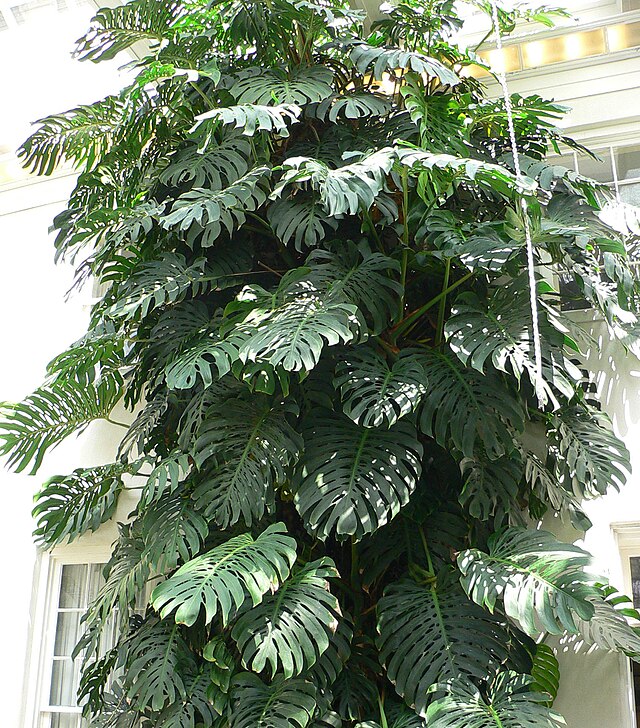
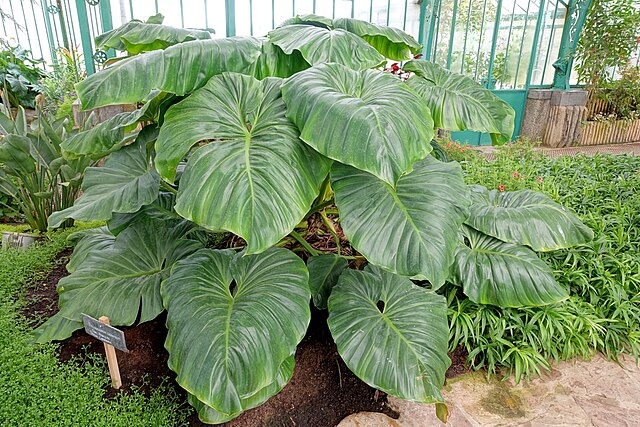
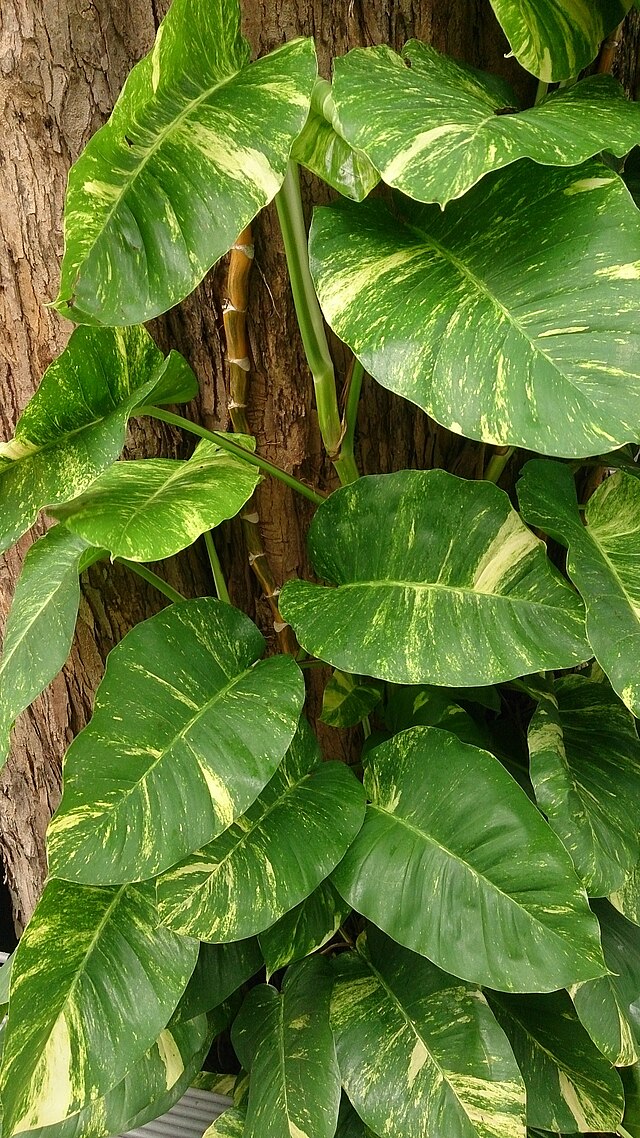
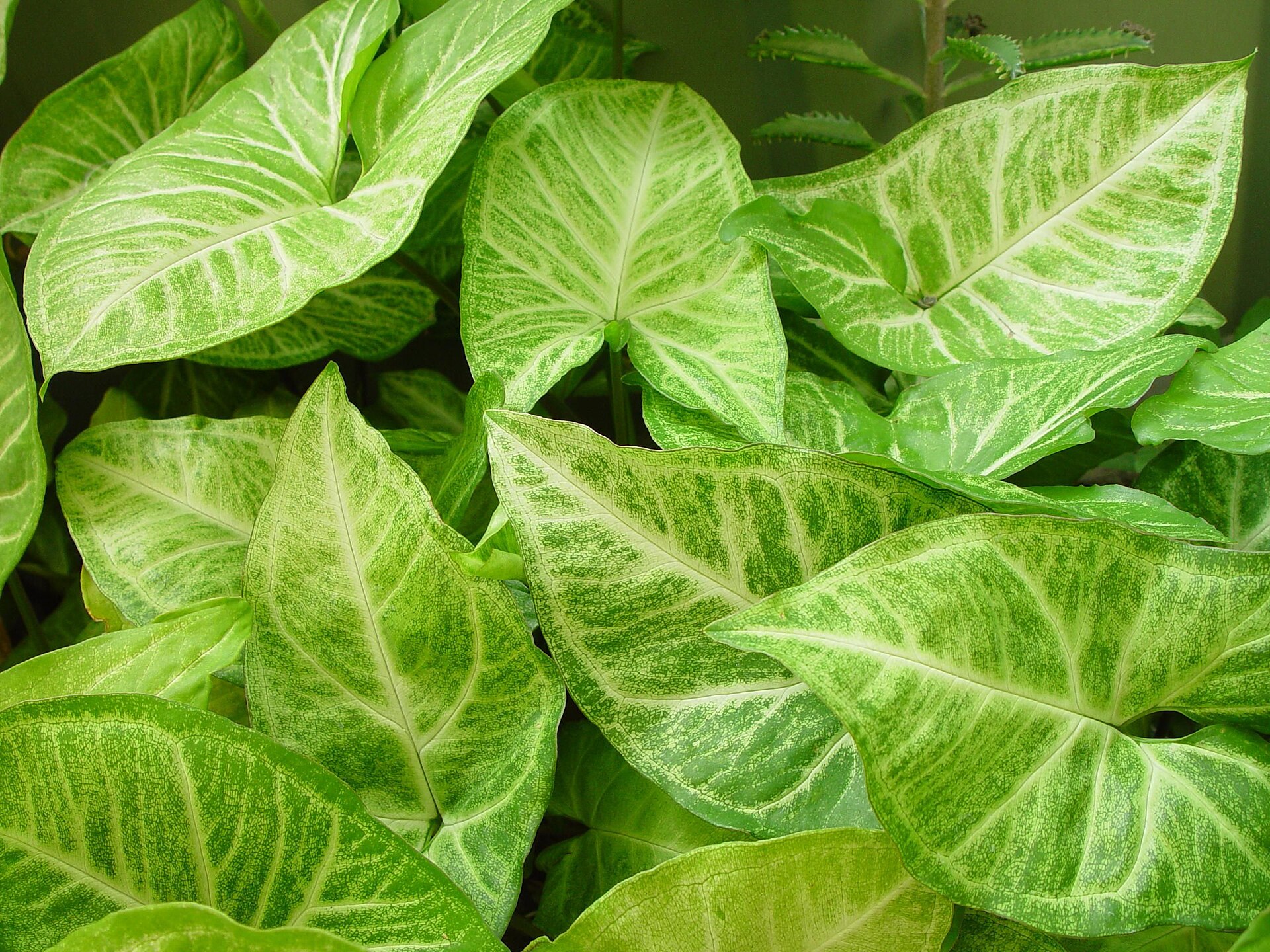
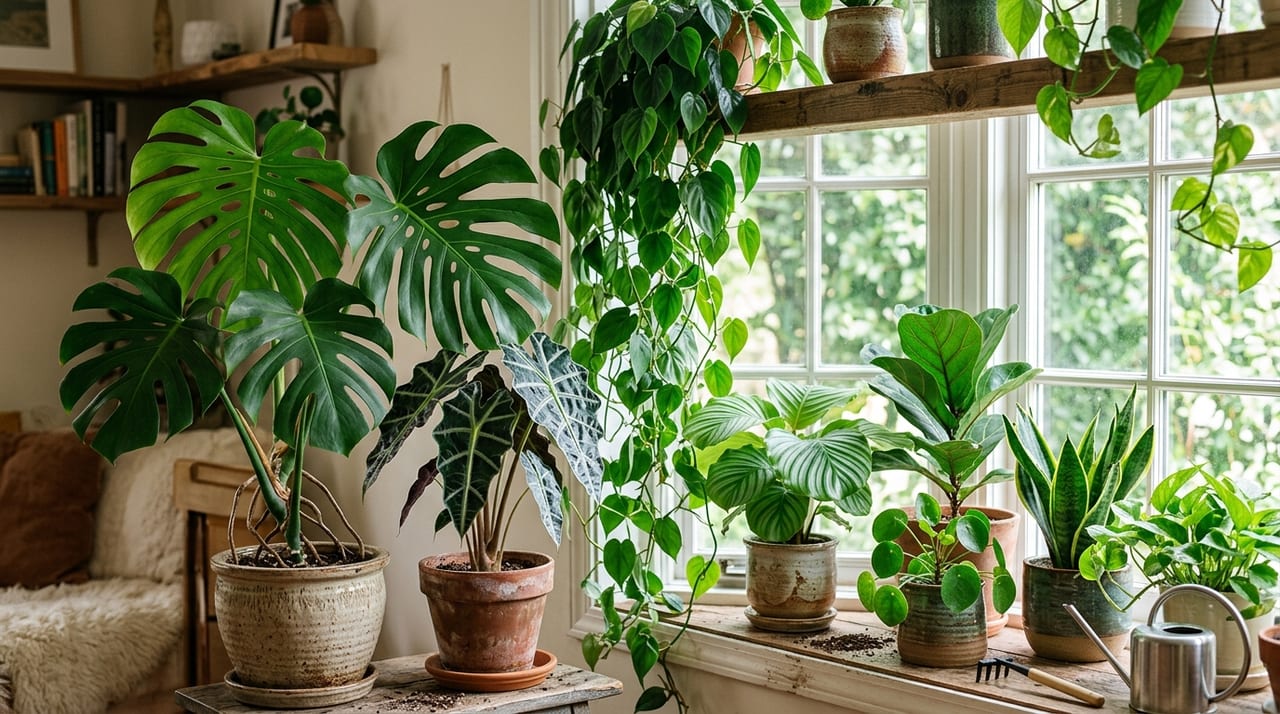
Aroid (Araceae) foliage plants are a group featuring popular species such as Monstera, Philodendron, Anthurium, and Pothos. Many of these plants are epiphytic or semi-epiphytic, living in nature by rooting on trees and rocks. As a result, general garden potting soil drains poorly and is prone to root rot. Creating potting soil suited to aroids can greatly improve root health. Here we explain in detail the potting soil materials and mixing recipes for aroids.
Aroids (Aroid Group)
Aroid (aroid) is a general term for plants belonging to the Araceae family. In the foliage plant world, "aroid group" refers to the group of Araceae that circulates for ornamental use. Since it is a grouping by "family" rather than a specific genus name, plants with completely different appearances are included in the same aroid group.
Representative aroid foliage plants are as follows.
| Genus | Representative Species |
|---|---|
| Monstera | Deliciosa, Adansonii, Borsigiana |
| Philodendron | Burkin, Pink Princess, Gloriosum |
| Anthurium | Clarinervium, Warocqueanum, Regale |
| Epipremnum | Pothos (Golden, Marble Queen) |
| Aglaonema | Silver Queen, Pictum Tricolor |
| Alocasia / Colocasia | Amazonica, Zebrina, Cuprea |
| Syngonium | White Butterfly, Pink Spot |
What is common to Araceae is the unique flower structure consisting of the spathe and spadix. The "white petal-like part" of Symplocarpus and Calla is the spathe, and aroid foliage plants also produce the same shaped flowers when conditions are right.
An even more important common feature for cultivation is that many species are epiphytic or semi-epiphytic. In their native habitats, they cling to tree trunks rather than the ground, extending thick aerial roots into the air. Since their roots are constantly exposed to air in their natural environment, planting them in general potting soil that retains water causes oxygen depletion and root rot. This is why specialized aroid potting soil composition is necessary.
Soil Conditions Aroid Roots Require
Aroid plant roots in nature often develop as aerial roots that are exposed to air. Understanding this characteristic clarifies the soil conditions required.
The first condition is aeration. The roots need an environment where sufficient oxygen is supplied, and soil with a structure that allows excess water to drain quickly after watering and air to circulate around the roots is ideal.
The second condition is moderate water retention. Completely dry soil will cause roots to dry out. Soil with good drainage but retains adequate moisture between particles is best.
The third condition is cleanliness. Potting soil with too much organic matter is prone to mold and bacteria growth during decomposition, leading to root rot. Especially in the hot, humid summer, organic matter decomposes quickly and easily becomes anaerobic.
The fourth condition is pH suitability. Most aroids prefer slightly acidic conditions (pH 5.5–6.5). If it becomes alkaline, iron and manganese absorption is hindered, and leaf yellowing occurs easily.
Commercially available general potting soil for foliage plants often fails to meet these conditions adequately. Peat moss-based formulations with high water retention are not suitable for aroids.
Types and Characteristics of Potting Soil Materials
Understand the characteristics of the main materials used in aroid potting soil.
Bark chips (tree bark chips) are the core material for aroid potting soil. Used in orchid cultivation as well, this material has an excellent balance of aeration and water retention. A small size (5–10 mm) is easy to use for aroids. New Zealand radiata pine bark has stable quality.
Perlite is a white granular material made by heat-treating pumice. It increases aeration and drainage. Water retention is almost nil, and it also lightens the entire soil. Aim for 2–3% of the mixture.
Pumice stone is natural volcanic rock that improves aeration and drainage. It is heavier than perlite and also contributes to stabilizing the pot of large aroids. Hyuga stone has similar effects.
Coir chips (coconut coir chips) are chips made from processed coconut fiber and combine water retention and aeration. Although an organic material, it decomposes slowly and maintains a stable structure over the long term. Some aroid enthusiasts grow aroids with this material alone, showing how well it suits aroids.
Sphagnum moss has high water retention but lower aeration. Use it partially for plants during root development or species that especially prefer humidity (some Anthurium, etc.). Long-term use causes decomposition, worsening aeration, so regular replacement is necessary.
Red soil is a standard material in Japanese gardening, with moderate water retention and drainage. However, since it crumbles easily, it is safer to choose hard red soil or use it sparingly.
Recommended Mixing Recipes by Variety
Aroid species have slightly different environmental preferences, and adjusting the composition will improve growth.
For Monstera deliciosa, a mixture of bark chips 4: perlite 2: pumice stone 2: leaf mold 2 is recommended. Because it is a large species with thick roots, using slightly larger bark chips (10–15 mm) will improve root passage. Some water retention is necessary, so adjust with leaf mold.
For Philodendron in general, bark chips 3: coir chips 2: perlite 2: pumice stone 2: charcoal 1 is suitable. Philodendrons often have fine roots, so use small bark chips. Adding coir chips ensures adequate water retention.
Anthurium is especially epiphytic, so aeration is the top priority. Use sphagnum moss alone or a mixture of bark chips 4: perlite 3: sphagnum moss 2: pumice stone 1 is good. It prefers high humidity, so make the ratio of sphagnum moss somewhat higher.
Pothos and Scindapsus are relatively hardy and don't require fussy composition. Adding perlite and pumice stone each at about 20% to standard foliage plant potting soil is sufficient.
For rare aroids (Alocasia, Rhaphidophora, etc.), a drainage-prioritized mixture of bark chips 3: perlite 2: pumice stone 2: coir chips 2: charcoal 1 is safe. The more valuable the plant, the more you want to minimize root rot risk, so keep organic matter modest.
Potting Soil Preparation and Planting Tips
Once you have purchased potting soil materials, conduct preparation work before planting.
Soak bark chips in water overnight to allow water absorption before use. If used dry, they will repel water after watering, and moisture will not reach evenly. After soaking, drain through a colander and mix with other materials.
When mixing, put the materials in a large container and mix thoroughly by hand. Since the materials have different specific gravities, lightweight perlite tends to settle at the top. Take time to mix evenly.
At the pot bottom, lay 2–3 cm of large pumice stone or hydroton to ensure drainage. This can be omitted if using a slit pot, but having one is safer.
When planting, insert the soil around the roots with a stick so it fills the gaps. If air pockets form, root development will be uneven, so work carefully. However, if pressed too firmly, aeration is compromised, so appropriate pressure is needed.
After planting, water thoroughly until water flows from the pot bottom, washing away fine dust.
Potting Soil Deterioration and Replacement Timing
Potting soil containing organic matter deteriorates over time. Judging the right time to replace it is also an important management skill.
Bark chips decompose within 1–2 years, and the edges of particles become rounded and finer. This reduces aeration, increasing root rot risk. When the soil surface becomes sticky, it is a sign to replace it.
If water drains more slowly after watering, the drainage of the entire soil has declined. Consider replacing with fresh potting soil. The ideal repotting time is spring through early summer (April–June), when it is best to transition to a new environment before the growth period.
Aroid plants are popular with many varieties available. At GrowerDirect, specialist aroid growers cultivate and sell plants using soil optimized for each variety. When purchasing, asking the grower which soil composition they use can serve as a reference for your own cultivation.