Syngonium Varieties and Care Guide | A Beginner-Friendly Introduction to Aroids
A guide to Syngonium varieties and care techniques. Features of popular pink and white variegated varieties, watering and light management, and how leaves change through growth stages and styling methods.
Key Takeaways
A guide to Syngonium varieties and care techniques. Features of popular pink and white variegated varieties, watering and light management, and how leaves change through growth stages and styling methods.
Related Species
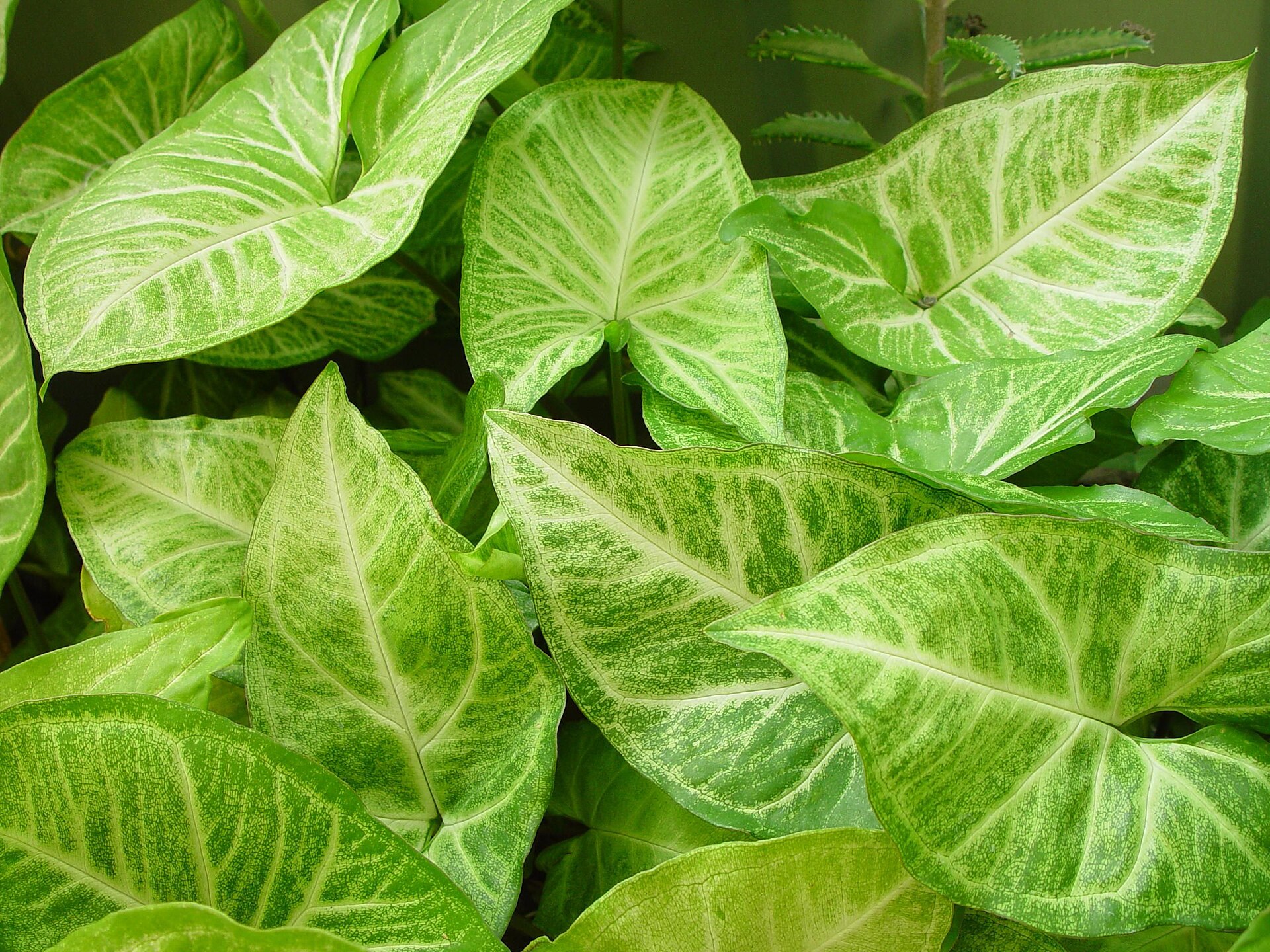
Syngonium is a climbing foliage plant in the Araceae family. In recent years, with the diversification of varieties and rising popularity on SNS, it has garnered attention as a beginner-friendly introduction to aroids. Hardy and easy to grow, varieties offer abundant color variations including pink, white, and deep green depending on the type. The interesting aspect of leaves changing shape as the plant grows allows both beginners and collectors to enjoy it. Here we provide a detailed explanation of Syngonium varieties and management tips.
Syngonium Popular Varieties
Syngonium is available in numerous species from wild varieties to garden hybrids. We introduce representative varieties.
| Variety Name | Characteristics |
|---|---|
| Syngonium Pink Splash | A popular variety with irregular pink variegation on green leaves. The variegation pattern varies significantly between individuals, and those with more pink are considered to have higher ornamental value. When grown in bright conditions, the pink coloration becomes more vivid. |
| Syngonium Neon Robusta (Pink Neon) | A variety where the entire leaf becomes pink. New leaves are particularly vivid pink, and as they mature, some green gradually blends in. It is one of the most popular Syngonium varieties. |
| Syngonium Albolineatum | A white variegated variety with a fresh, clean appearance. Also distributed under the name White Butterfly. Relatively hardy and easy to grow even for beginners. |
| Syngonium Maria | A classic variety with silvery-white patterns on deep green leaves. Long established in distribution, it stands out for ease of availability and hardiness. It can also be recommended as a first aroid plant. |
| Syngonium Chocolate | A unique variety with brown to chocolate-colored leaves. The subdued coloring has a distinctive personality unlike other foliage plants and serves as an interior accent. |
| Syngonium Macrophyllum | A species-type Syngonium with beautiful deep green velvety leaves. Somewhat rare but popular among collectors. |
Light and Placement Management
Syngonium is a highly adaptable plant, but light preferences vary by variety.
Green varieties (such as Maria) have high shade tolerance and grow well even in dim light. They can thrive under fluorescent or LED indoor lighting and can be managed in offices or rooms without windows. However, in extremely dark conditions they will become leggy and sparse, so ensure some light is provided.
Pink and white variegated varieties require bright conditions. The variegated portions have less chlorophyll, resulting in lower photosynthetic efficiency, and insufficient light can cause the variegation to disappear, with the whole leaf turning green. On the other hand, direct sunlight can cause leaf burn, so bright indirect light is ideal.
As a placement guideline, a windowsill with sheer curtains is suitable for most varieties. An east-facing window provides soft morning light, which is ideal for Syngonium. Even with a north-facing window, as long as there is light through the glass, green varieties will grow without issue.
When using plant growth LED lighting, illumination for 8–12 hours per day is appropriate. In pink varieties, the color temperature of the lighting affects coloration, so white-spectrum LEDs promote natural color.
Watering and Humidity Management
Watering Syngonium, like other aroids, follows the basic principle of watering when the soil surface dries out.
| Season | Watering Guide |
|---|---|
| Spring–Autumn (Growing Season) | Water thoroughly when the soil surface dries out. Water abundantly until water flows from the drainage holes, then discard water in the saucer. During vigorous growth, water consumption is rapid, so watering often occurs at a pace of 1–2 times per week. |
| Winter | Growth slows, so reduce watering frequency. It is safest to wait 2–3 days after the soil surface dries before watering. Excess moisture in winter is the leading cause of root rot. |
Humidity should be moderately high, though not as particular as Calathea. 50–70% humidity is sufficient for good growth. Avoid direct air from air conditioning, and if dryness is a concern, mist the leaves with a spray bottle.
A watering tip: Syngonium clearly shows signs of underwatering. When water is insufficient, leaves droop and wilt. Watch for this sign. After watering, the plant recovers noticeably within hours, but chronic underwatering causes leaf yellowing and leaf drop.
It can also be grown in hydroculture (hydroponic cultivation). Since soil is not used, it is hygienic and reduces pest outbreaks. Using a container with a water level indicator simplifies management.
Growth Stages, Leaf Change, and Styling
An interesting characteristic of Syngonium is that the leaf shape changes significantly through different growth stages.
In the juvenile stage, small arrow-shaped (heart-like shaped) leaves are characteristic. The plant has a compact bushy form and is typically enjoyed as a potted plant in this stage. At this stage, the plant has a strong self-supporting nature, and no stake is needed.
In the intermediate stage, stems begin to elongate, and the plant's true climbing nature appears. Leaves become somewhat larger, and depending on the variety, 5–7 lobes begin to appear. From this stage onward, staking or trellis support becomes effective.
In the mature stage, leaves become larger with deep lobes, forming a palmate leaf shape. Similar to Monstera leaves, it has an impressive presence. Mature leaves are difficult to obtain without using a stake to direct growth upward, so for those who want to enjoy large leaves, moss pole cultivation is recommended.
Styling methods fall into three main patterns.
- Compact Bush Type: Trim back extended vines to keep the plant compact. Cut vines can be propagated by cuttings.
- Hanging Type: Allow vines to trail naturally for a cascading appearance.
- Climber Type: Train upward using a moss pole or trellis to achieve mature leaves.
Propagation and Troubleshooting
Syngonium is extremely easy to propagate, with high success rates even for beginners.
Stem cuttings are the most common method.
- Cut a stem section that includes a node (where leaves are attached) to 5–10 cm.
- Insert in water or moist soil.
- In water, roots begin to emerge within 1–2 weeks.
- Once roots reach 3–5 cm, transplant into soil.
Division is done by splitting a large plant during repotting. Gently untangle the roots and divide so each section has sufficient roots and leaves.
Common problems are as follows.
| Symptom | Cause and Treatment |
|---|---|
| Leaf tip browning | Caused by low humidity or fertilizer burn. Review the environment and take corrective measures. |
| Yellowing leaves | Caused by overwatering (root rot) or natural senescence of old leaves. Yellowing of lower leaves only is normal, but overall yellowing requires checking the roots. |
| Variegation loss in variegated varieties (reversion) | Insufficient light is the most common cause. Move to a brighter location, cut back stems that have turned completely green, and prioritize new shoots from areas where variegation remains. |
Syngonium varieties increase year by year. In particular, popular pink varieties have limited distribution, so when you find a listing on GrowerDirect, check the condition of the plant carefully through the photos and description. Try consulting with growers about variety identification and care tips.