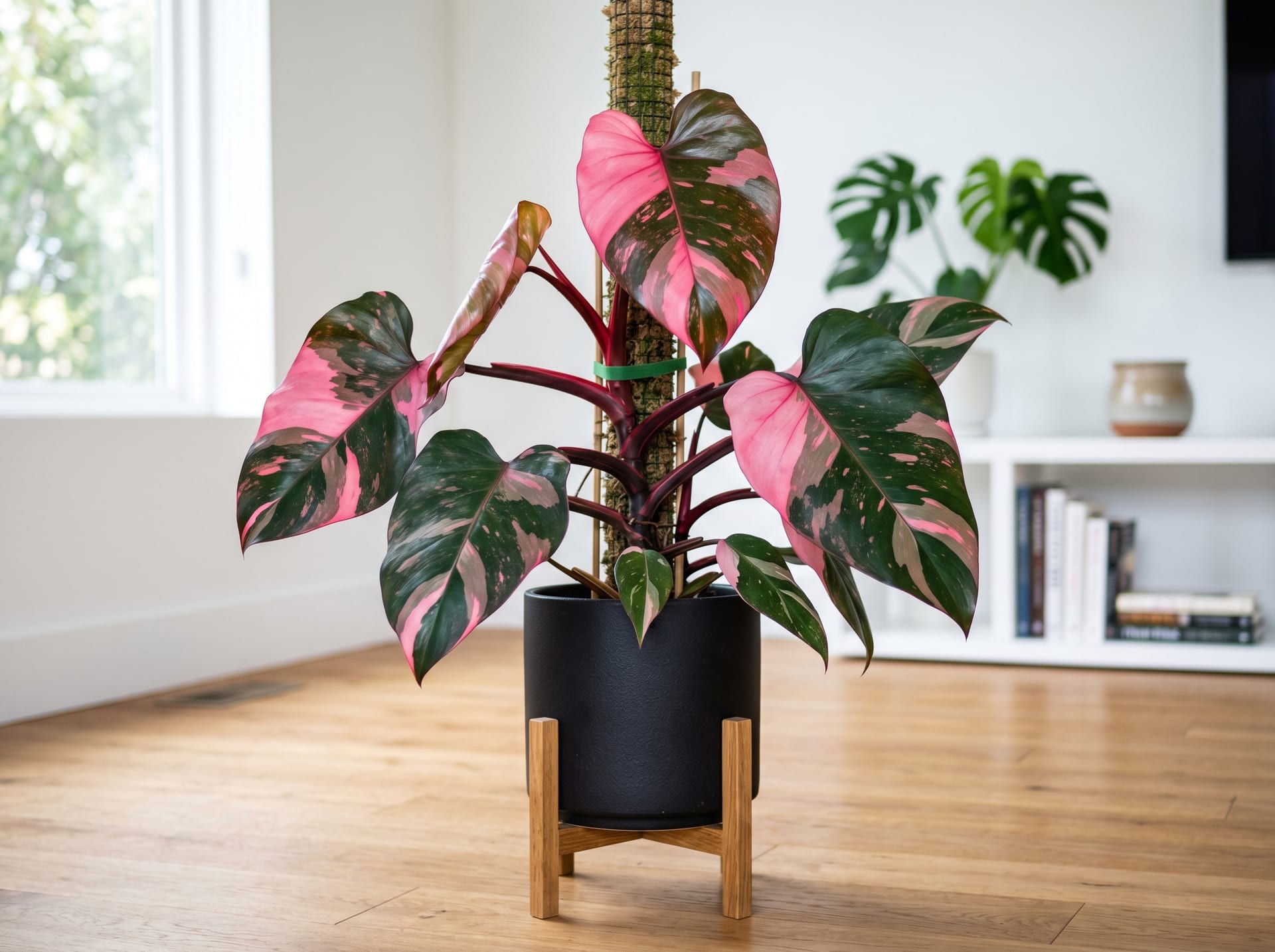
Philodendron
A massive genus of ~500 species ranging from vining to rosette forms. Rare species and variegated specimens are popular with collectors. Thrives in warm, humid indoor conditions.
View Philodendron encyclopedia →Grower Wanted!
List your plants on GrowerDirect and sell directly to customers nationwide!
6 Transparency Commitments from GrowerDirect
Every Grower selling Foliage Plants provides complete transparency: variety, origin, light requirements, and care difficulty.
- Variety Information
- Real Photos
- True Colors
- Origin Information
- Light Requirements
- Care Difficulty
Browse all 139 varieties
Light Requirements
Care Difficulty
Verified growers wanted for Foliage Plants
Growers are signing up now ahead of launch. Subscribe to be notified when new listings go live.
Getting alerts is free with a member account. When new listings match your saved search, we'll notify you by email and in-app.
Browse other categories
Verified growers (preview)
Are you growing foliage plants?
Register as a grower and connect with buyers directly.
Apply as a growerPhilodendron key facts
- Growing Difficulty
- Beginner-friendly
- Lifespan
- 15+ years
- Size
- 30cm-2m (varies by species)
- Temperature
- 18〜30℃
- Humidity
- 60〜80%
- Watering
- Liquid fertilizer twice monthly in spring-fall
- Placement
- Bright indirect light. Train vining types on poles or tree fern boards
- Watering
- Water when topsoil dries. Use well-draining mix to prevent root rot
- Temperature & Overwintering
- Optimal range is 22-28°C, growing actively above 20°C. In winter keep a minimum of 15°C and maintain 60-80% humidity.
- Fertilizer
- Feed liquid fertilizer twice a month from spring to autumn. Growth is moderate to fast, so do not let it run short during this period.
- Propagation
- Easy via stem or water cuttings. Cut to include a node
- Notes
- Contains calcium oxalate throughout. Keep away from pets and children
About Philodendron
Philodendron is a large genus in the family Araceae, native primarily to the tropical rainforests of Central and South America. Its name derives from the Greek words meaning "tree lover." The genus encompasses an extraordinary range of forms — trailing, semi-climbing, and self-heading — from small heart-leaf types to large specimens whose leaves can span several dozen centimeters at maturity. Leaf shapes vary dramatically, from deeply lobed to heart-shaped to elongated, making philodendrons highly versatile as interior plants. They are relatively resilient and, with bright indirect light and consistent but careful watering, can be grown successfully by beginners. In recent years, variegated cultivars featuring pink or white patterning have attracted intense interest from collectors worldwide. Their vigorous growth and the satisfaction of watching new leaves unfurl make philodendrons a rewarding choice for anyone starting out with houseplants.
7 things to know before growing Philodendron
1Bright Indirect Light
Direct sunlight can scorch philodendron leaves, so bright indirect light filtered through a sheer curtain is ideal. Tolerance to low light varies by species, with some handling shadier spots better than others. When relocating a plant, adjust light levels gradually to avoid stress.
2Warmth and Humidity
Philodendrons grow best between 18–30°C and are at risk of cold damage below 10°C. Aim for 50–70% humidity; misting leaves or using a humidifier helps in dry indoor air. Be especially mindful of heating-induced dryness during winter months.
3Water When Soil Dries
Water thoroughly once the top layer of soil has dried out, and always discard excess water from the saucer to prevent root rot. Overwatering is the most common cause of decline in philodendrons. In winter, reduce watering frequency as growth slows.
4Toxic to Pets and Children
Philodendron leaves and stems contain calcium oxalate crystals, which can cause mouth irritation and vomiting if ingested. Keep plants out of reach of dogs, cats, and young children. Wear gloves when pruning or repotting to avoid contact with the sap.
5Size Varies by Species
Philodendrons range from compact tabletop plants to large specimens that can reach ceiling height at maturity. Always check the expected adult size before purchasing to ensure it suits your space. Climbing varieties benefit from a moss pole or support stake to grow in their natural form.
6Fertilize During Growth
Apply a diluted liquid fertilizer once or twice a month during the growing season (spring through autumn) to support healthy leaf color and growth. Over-fertilizing can burn roots and leaf tips, so use a weaker concentration than recommended. Withhold fertilizer in winter when the plant is near dormant.
7Rare Varieties Cost More
Common philodendron varieties can be found for just a few hundred yen, while rare variegated forms and wild-type species can command tens of thousands of yen or more. Before purchasing, check the plant's overall condition, including root health and leaf quality, to ensure it is worth the price. Buying from a reputable breeder or specialist shop reduces the risk of receiving unhealthy stock.
Frequently asked questions about Philodendron
- Q.Can philodendrons grow in a room with low light?
- A.Philodendrons have some tolerance for low light, but insufficient brightness leads to leggy growth and pale leaves. Placing them where they receive as much bright indirect light as possible will keep them healthy.
- Q.Why are variegated philodendrons so expensive?
- A.Variegation is often genetically unstable and cannot be reliably reproduced from seed, so propagation relies mainly on cuttings. Limited supply combined with high collector demand tends to push prices up significantly.
- Q.Why are the leaves turning yellow?
- A.The most common cause is root rot from overwatering. Check whether water is pooling in the saucer or the soil is staying constantly wet. Insufficient light and excessive fertilizing can also cause yellowing leaves.
- Q.How do you propagate philodendrons?
- A.Cut a stem section of around 5–10 cm that includes at least one node, then root it in water or moist potting mix. Propagating during the warmer months of spring and summer encourages faster rooting and higher success rates.
- Q.Is it safe to grow philodendrons in homes with pets or children?
- A.Philodendrons contain calcium oxalate, which can cause oral irritation and gastrointestinal symptoms if ingested. It is recommended to display them in elevated positions or other locations out of reach of pets and young children to prevent accidental ingestion.
Handy Growing Tools for Philodendron
Learn more about Philodendron in the encyclopedia
View Philodendron encyclopedia entry →
Care difficulty, size, origin and light needs — all basics covered.
Philodendron related articles
Aerial Root Management and Utilization in Houseplants | Cultivation Techniques for Aerial Root-Bearing Plants like Philodendron and Monstera
This guide explains how to understand and manage the characteristics of aerial roots in houseplants. We introduce cultivation techniques that leverage aerial roots, from growth promotion to aesthetic expression.
Growing Philodendron Pink Princess from Seed | From Sowing to Mature Plant, Pink Variegation Development Conditions and Artificial Pollination
Explaining how to grow Pink Princess Philodendron from seed, the conditions for pink variegation development, and the procedure for artificial pollination.
Houseplants 2026 Trends | Complete Market Analysis & 15 Must-Watch Species Explained
Comprehensive analysis of 2026 houseplant trends. Based on SNS and domestic/global market movements, we've curated 15 must-watch species. Detailed guide to the houseplants to prioritize this year—including Philodendrons, Hoyas, and rare Aroids—plus purchasing methods and price ranges.
Trending Houseplant Guide 2026 | Latest Trends in Rare Varieties and How to Obtain Them
An explanation of the latest trends in rare houseplants to watch in 2026. We introduce the characteristics of rare varieties such as Philodendron, Alocasia, and Monstera, price trends, and methods for obtaining them from specialist growers.
A Beginner's Guide to Rare Aroids (Araceae) | How to Choose and Grow Monstera, Philodendron, and Anthurium
Focusing on rare Monstera, Philodendron, and Anthurium, this guide explains the characteristics of popular aroid (Araceae) species, basic care methods (light, water, soil, and humidity), and propagation tips for beginners.
Philodendron Care Complete Guide | Characteristics of Popular Varieties and Cultivation Tips
A detailed explanation of how to care for Philodendrons, a popular foliage plant in the Araceae family. We introduce the characteristics of popular varieties, watering and light management methods, soil care, and tips for propagation.
More in this category
Can't find the plant you're looking for?
Post your wishes for free and growers with matching plants will contact you with introductions.