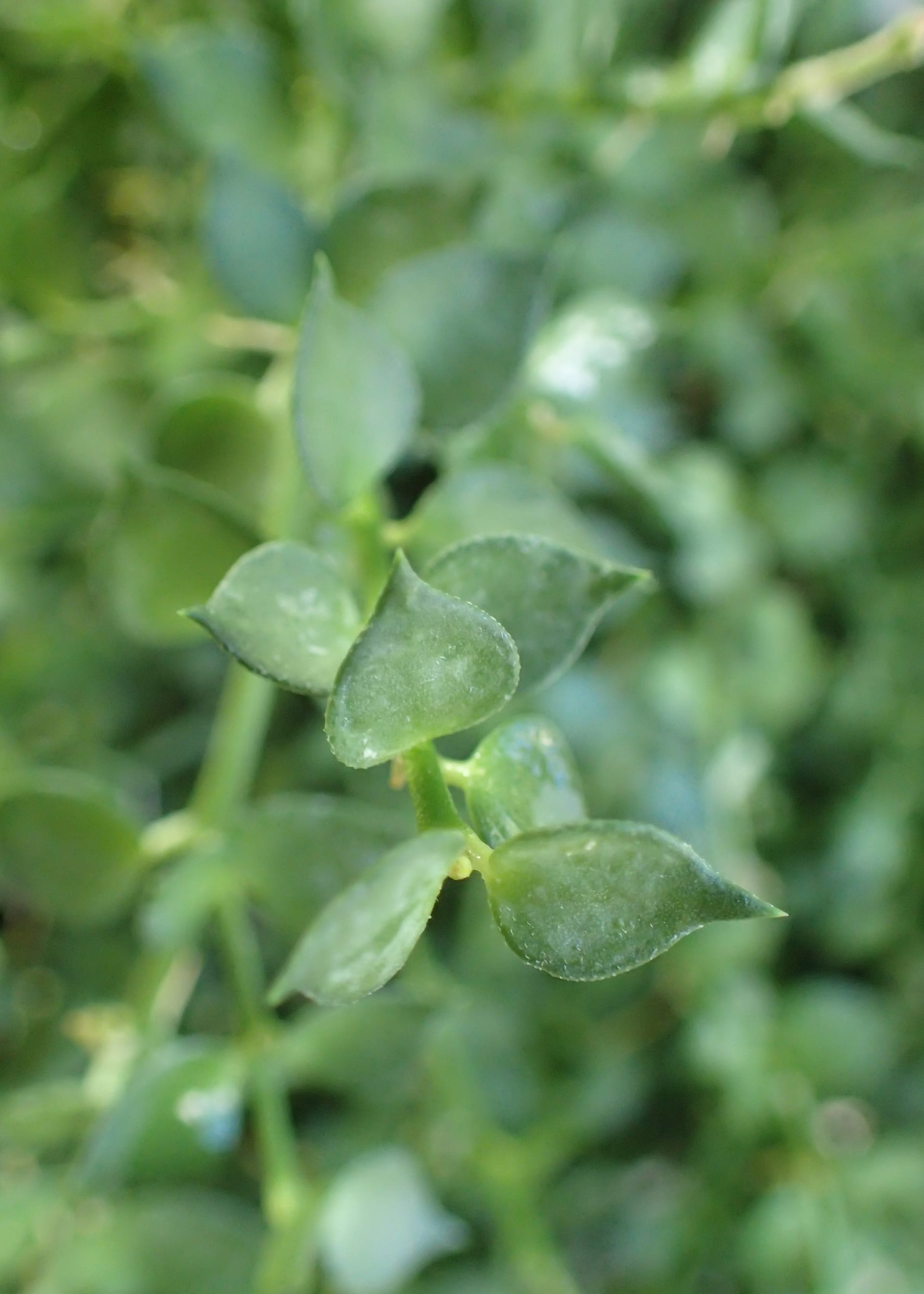
 © Krzysztof Ziarnek, Kenraiz / CC BY-SA 4.0
Million Hearts
Dischidia ruscifolia is an epiphytic plant native to the Philippines, prized for the rows of small, plump, heart-shaped leaves that line its slender trailing stems. Widely sold under the nickname "Million Hearts," it can send out stems up to about a meter long, making it a natural fit for hanging pots where it can cascade freely. Its succulent leaves store water, giving it decent tolerance for drying out between waterings, and it is generally considered an easy, beginner-friendly houseplant. Let it trail from a shelf or window for a soft, textural touch of greenery indoors.
View Million Hearts encyclopedia →0% commission on your first sales!Register by September 30, 2026 and your first 2 plants are commission-free!
Grower Wanted!
List your plants on GrowerDirect and sell directly to customers nationwide!
6 Transparency Commitments from GrowerDirect
Every Grower selling Foliage Plants provides complete transparency: variety, origin, light requirements, and care difficulty.
- Variety Information
- Real Photos
- True Colors
- Origin Information
- Light Requirements
- Care Difficulty
Browse all 139 varieties
Light Requirements
Care Difficulty
Verified growers wanted for Foliage Plants
Growers are signing up now ahead of launch. Subscribe to be notified when new listings go live.
Getting alerts is free with a member account. When new listings match your saved search, we'll notify you by email and in-app.
Browse other categories
Verified growers (preview)
Are you growing foliage plants?
Register as a grower and connect with buyers directly.
Apply as a growerMillion Hearts key facts
- Growing Difficulty
- Beginner-friendly
- Lifespan
- Perennial (epiphyte)
- Size
- Stems grow to about 1 m long
- Watering
- Light, dilute liquid feed in the growing season
- Light & Placement
- Semi-shade; indoors, light through a sheer curtain.
- Watering
- Moderate watering. The succulent leaves store water, so water after the mix dries and avoid waterlogging.
- Temperature & Overwintering
- Tropical and tender. Keep it in a warm room in winter.
- Soil & Repotting
- As an epiphyte it suits well-drained mixes, sphagnum or orchid media. Grow it trailing from a hanging pot.
- Propagation
- Very easily propagated from stem cuttings.
- Pests & Cautions
- The sap may irritate skin and the plant is considered toxic if eaten, so wear gloves when handling it and hang it out of reach of children and pets.
About Million Hearts
Dischidia ruscifolia, nicknamed Million Hearts, is an easy-care epiphyte with tiny heart-shaped leaves on trailing stems up to about a meter long, ideal for hanging pots.
7 things to know before growing Million Hearts
1Bright, Filtered Light
Direct, intense sun can scorch the leaves, so a bright spot with filtered light, such as behind a sheer curtain, suits this plant best. If moving it outdoors, keep it out of harsh midday sun and choose a well-ventilated, partly shaded spot.
2Water After It Dries Out
Because the succulent leaves store water, it is best to water thoroughly only once the soil surface has dried out. Keeping the soil constantly wet can lead to root rot, so avoid overwatering.
3Choose a Well-Draining Mix
As an epiphyte, it prefers a well-draining, airy growing medium. Mixing pumice or perlite into standard houseplant soil helps prevent water from pooling around the roots.
4Repot When Roots Fill the Pot
Repot once roots start emerging from the drainage holes or drainage noticeably slows down. Choose a warm, actively growing season and move the plant into a slightly larger pot.
5Keep Warm in Winter
This plant is not cold-hardy, so bring it indoors to a warm spot once temperatures start to drop. Growth slows in winter, so cut back on watering frequency during that time as well.
6Pick Plants With Firm Leaves
Look for a plant with thick, firm leaves and little discoloration or damage. Sturdy stems densely lined with paired leaves are a good sign of healthy growth.
7Show It Off in a Hanging Pot
Its trailing stems are well suited to hanging pots or baskets, where the heart-shaped leaves can cascade attractively. You can also mount it on a fern-fiber board or cork slab for a wall-mounted display.
Frequently asked questions about Million Hearts
- Q.Where should I place it?
- A.A bright spot with filtered light, such as behind a sheer curtain, works well. Direct, intense sunlight can scorch the leaves, so avoid harsh midday sun if keeping it outdoors.
- Q.How often should I water it?
- A.Water thoroughly once the soil surface has dried out. Since the leaves already store some water, watering too frequently can lead to root rot.
- Q.Should I bring it indoors in winter?
- A.Yes, it is not very cold-hardy, so it is best kept in a warm indoor spot once temperatures drop. Growth slows in winter, so water less frequently during that season too.
- Q.Why are the leaves dropping or shriveling?
- A.This is often caused by root rot from overwatering, extreme dryness, or a sudden change in environment. Try reviewing both the plant's location and your watering routine.
- Q.How can I propagate it?
- A.It is commonly propagated by stem cuttings. A common method is to cut a stem section with a few leaves attached and root it in well-draining soil.
Handy Growing Tools for Million Hearts
Learn more about Million Hearts in the encyclopedia
View Million Hearts encyclopedia entry →
Care difficulty, size, origin and light needs — all basics covered.
More in this category
Can't find the plant you're looking for?
Post your wishes for free and growers with matching plants will contact you with introductions.