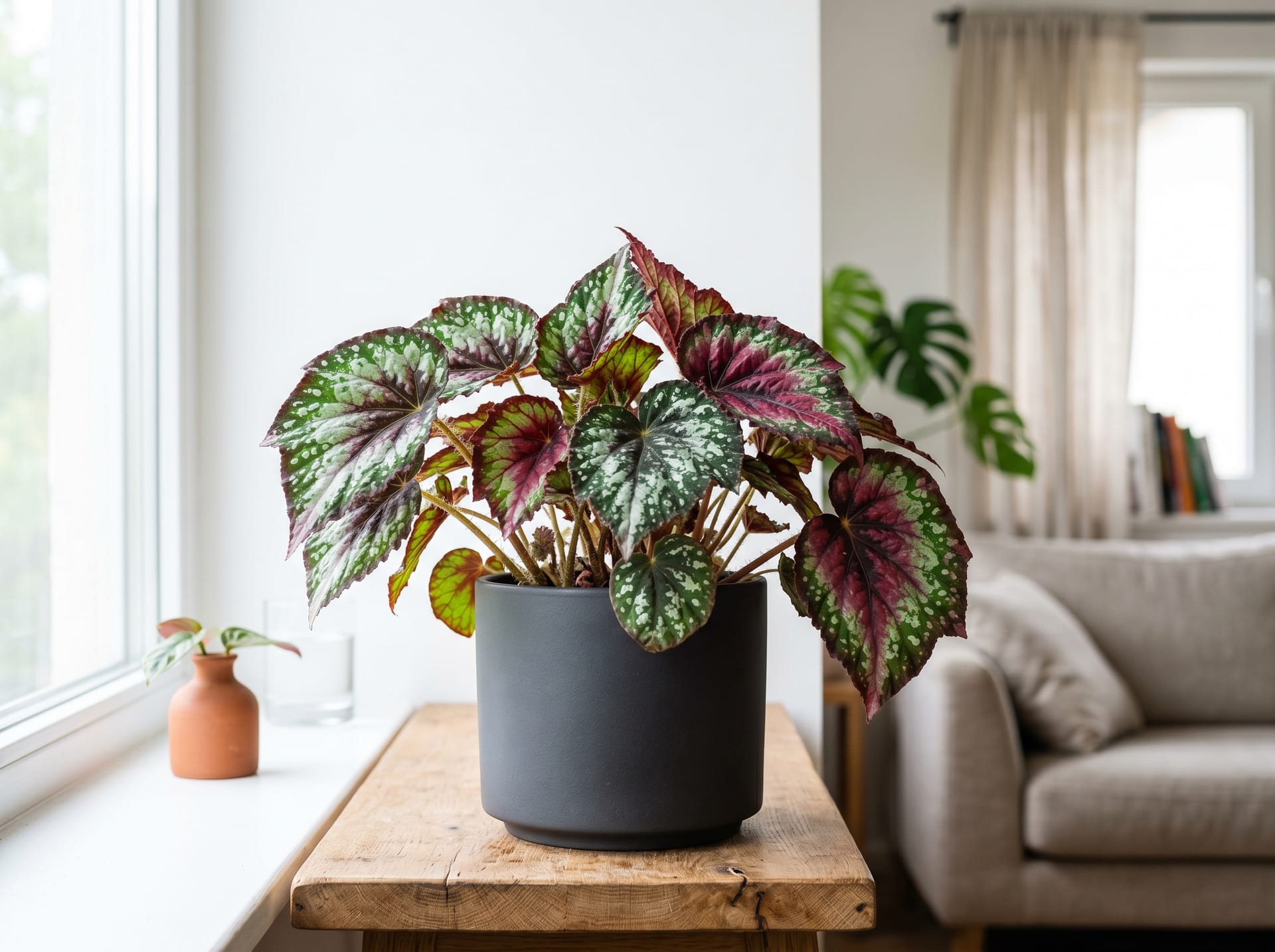
Begonia
Begonias are versatile plants prized for their vibrant flower colors and decorative foliage, suitable for both indoor and outdoor settings. With hundreds of varieties ranging from beginner-friendly sturdy types to more delicate collector's specimens, there is a begonia for every level of experience. Their ability to produce beautiful leaves and blooms year-round makes them a popular choice for interior greenery.
View Begonia encyclopedia →Grower Wanted!
List your plants on GrowerDirect and sell directly to customers nationwide!
6 Transparency Commitments from GrowerDirect
Every Grower selling Foliage Plants provides complete transparency: variety, origin, light requirements, and care difficulty.
- Variety Information
- Real Photos
- True Colors
- Origin Information
- Light Requirements
- Care Difficulty
Browse all 139 varieties
Light Requirements
Care Difficulty
Verified growers wanted for Foliage Plants
Growers are signing up now ahead of launch. Subscribe to be notified when new listings go live.
Getting alerts is free with a member account. When new listings match your saved search, we'll notify you by email and in-app.
Browse other categories
Verified growers (preview)
Are you growing foliage plants?
Register as a grower and connect with buyers directly.
Apply as a growerBegonia key facts
- Growing Difficulty
- Intermediate
- Lifespan
- Perennial
- Size
- 30-100cm
- Light & Placement
- Bright indirect light brings out the polka dots. It likes humidity but needs airflow, so avoid direct sun and sealed enclosures.
- Watering
- Water once the soil is slightly dry; overwatering causes root rot. Keep water off the leaves, ideally by bottom-watering from the saucer.
- Pruning & Shaping
- It grows fairly fast to 0.3-1 m, so prune leggy stems to keep the shape. The cuttings can be used for propagation.
- Propagation
- Easily propagated from cuttings. Insert pruned stems in a well-draining mix and keep humidity up until they root.
- Soil & Repotting
- It dislikes soggy soil, so plant in a well-draining mix and repot one size up once roots fill the pot.
About Begonia
Begonia maculata is a perennial native to the Brazilian rainforest, with dark green leaves marked by white polka dots. The contrast with the reddish-purple leaf undersides is striking, and mature plants reach about 30–100 cm. Bright indirect light makes the pattern stand out.
7 things to know before growing Begonia
1Choosing the Right Type
Begonias fall into four main groups—tuberous, rhizomatous, cane-stemmed, and rex—each requiring different care routines. Identifying which type suits your environment before purchasing is the key first step to long-term success.
2Bright Indirect Light
Begonias thrive in bright indirect light but are prone to leaf scorch under prolonged direct sun. A spot near a window filtered by a sheer curtain, or a partially shaded outdoor area, provides ideal conditions.
3Water When Soil Dries Out
Overwatering is the leading cause of root rot, so always allow the top layer of soil to dry before watering thoroughly. Tuberous types in particular need significantly reduced watering during dormancy, requiring you to adjust frequency by season.
4Watch Humidity and Airflow
While begonias appreciate moderate humidity, poor airflow encourages botrytis (gray mold). After watering, ensure good ventilation and avoid letting water sit on the leaves to reduce disease risk.
5Winter Temperature Care
Begonia maculata is a perennial, and 15–30°C is a good temperature range for growing it. In winter, keep it where the room temperature does not drop too low, and water more sparingly in the cold season to avoid excess moisture.
6Fertilize Lightly During Growth
During the spring and summer growing season, apply a diluted liquid fertilizer at half the recommended strength two to three times a month. Over-fertilizing can damage roots and cause leaf burn, so err on the side of less.
7Regular Pest Inspection
Begonias are susceptible to spider mites, aphids, and whiteflies, making early detection essential to preventing infestations. Check the undersides of leaves regularly and act promptly by rinsing with water or applying an appropriate treatment if pests are found.
Frequently asked questions about Begonia
- Q.Are begonias suitable for beginners?
- A.Begonia maculata is best suited to intermediate growers, as watering and humidity take some care. The basics are to water once the soil has dried a little and to keep it in bright indirect light. Start by focusing on watering in a way that avoids root rot.
- Q.Why isn't my begonia blooming?
- A.Insufficient light, excess nitrogen in the fertilizer, or an oversized pot are common causes of poor flowering. Try moving the plant to a brighter spot with indirect light, switching to a fertilizer with a good phosphorus-potassium balance, and reassessing pot size. If the plant is root-bound, repotting into a slightly larger container may encourage blooming.
- Q.White powder has appeared on the leaves
- A.This is likely powdery mildew, commonly caused by poor air circulation and overcrowded foliage. Remove affected leaves and relocate the plant to a spot with better airflow. If symptoms spread, consider applying a fungicide labeled for powdery mildew according to the product instructions.
- Q.Can I keep growing begonias indoors through winter?
- A.Yes, it can be grown year-round near a bright indoor window. Aim for 15–30°C and keep it where the room temperature does not drop too low in winter. Avoid placing it directly in the path of heating vents, as the air becomes too dry.
- Q.Are begonias toxic to pets or children?
- A.Begonias contain soluble oxalates, with the highest concentrations found in the rhizomes; ingestion by dogs or cats can cause vomiting and excessive drooling. It is advisable to place plants out of reach of young children as well. If accidental ingestion occurs, consult a doctor or veterinarian promptly.
Handy Growing Tools for Begonia
Learn more about Begonia in the encyclopedia
View Begonia encyclopedia entry →
Care difficulty, size, origin and light needs — all basics covered.
Begonia related articles
See more Begonia articles →More in this category
Can't find the plant you're looking for?
Post your wishes for free and growers with matching plants will contact you with introductions.