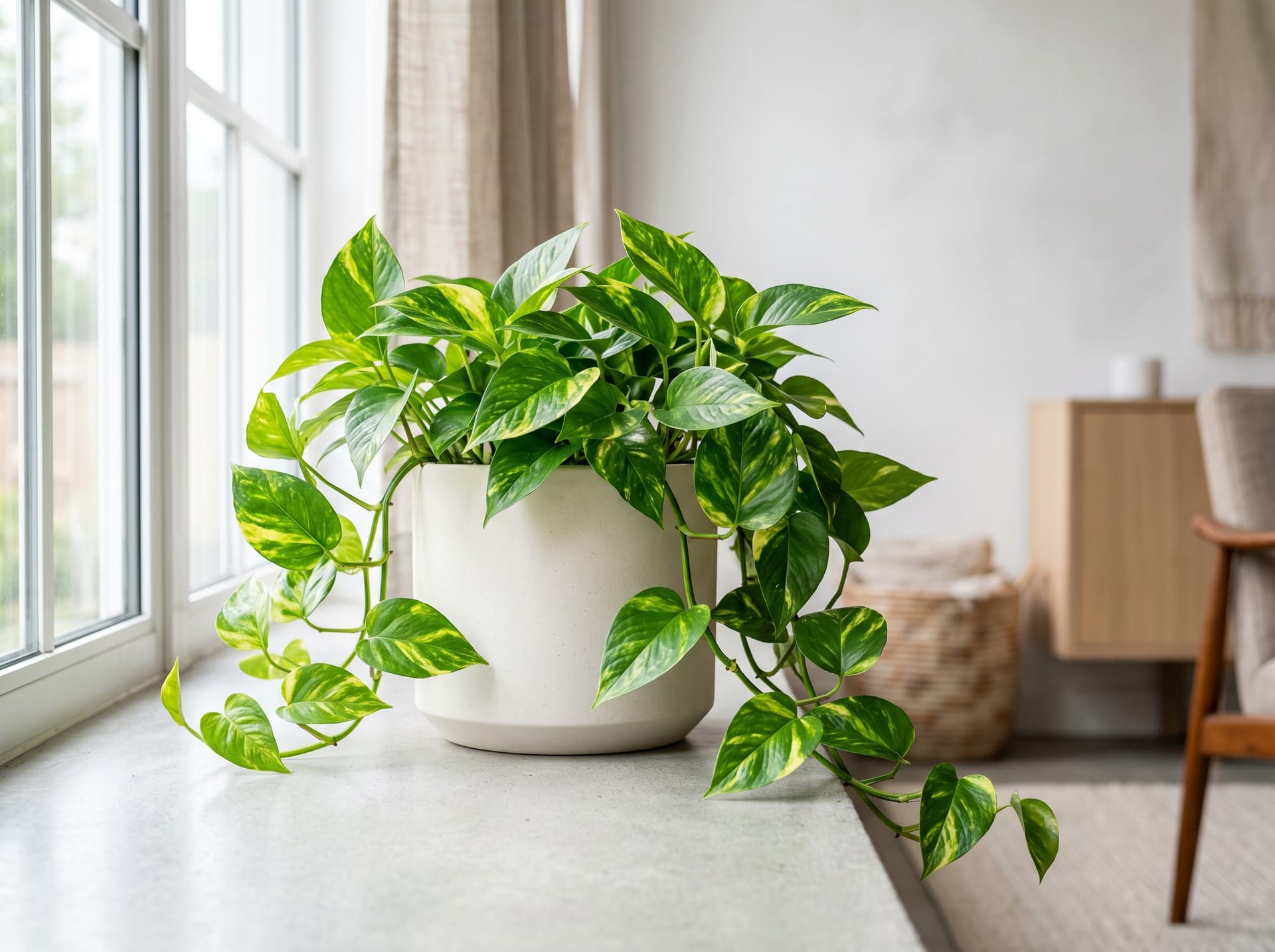
Pothos
One of the hardiest houseplants. Perfect for hanging or trailing. Many varieties including Golden, Marble Queen, and Neon. Grows in water.
View Pothos encyclopedia →0% commission on your first sales!Register by September 30, 2026 and your first 2 plants are commission-free!
Grower Wanted!
List your plants on GrowerDirect and sell directly to customers nationwide!
6 Transparency Commitments from GrowerDirect
Every Grower selling Foliage Plants provides complete transparency: variety, origin, light requirements, and care difficulty.
- Variety Information
- Real Photos
- True Colors
- Origin Information
- Light Requirements
- Care Difficulty
Browse all 139 varieties
Light Requirements
Care Difficulty
Verified growers wanted for Foliage Plants
Growers are signing up now ahead of launch. Subscribe to be notified when new listings go live.
Getting alerts is free with a member account. When new listings match your saved search, we'll notify you by email and in-app.
Browse other categories
Verified growers (preview)
Are you growing foliage plants?
Register as a grower and connect with buyers directly.
Apply as a growerPothos key facts
- Growing Difficulty
- Beginner-friendly
- Lifespan
- 10+ years
- Size
- Vine (1-10m+)
- Temperature
- 15〜30℃
- Watering
- Liquid fertilizer monthly in spring-fall
- Placement
- Shade tolerant. Variegated types need more light
- Watering
- Allow to dry between waterings. Overwatering causes root rot
- Temperature & Overwintering
- Optimal range is 15-30°C. It is cold-sensitive, so keep it in a warm room in winter and away from cold windows.
- Fertilizer
- Feed liquid fertilizer once a month from spring to autumn. It grows very fast, so keep feeding while you want it to extend.
- Propagation
- Cut at nodes and root in water
- Pests & Cautions
- Toxic to pets, so place it where cats and dogs cannot chew the leaves. Root rot from overwatering is the most common failure.
About Pothos
Native to the Solomon Islands in the South Pacific, pothos grows naturally by climbing the trunks and canopies of tropical rainforest trees. Its scientific name is Epipremnum aureum, though the common name "pothos" stuck after early botanists mistakenly classified it within the Pothos genus. In the wild, its leaves can grow impressively large, but indoors the plant stays at a manageable size. Glossy and heart-shaped, the leaves vary dramatically by variety: Golden shows bold yellow-green splashes, Marble Queen displays creamy white marbling, and Neon glows in vivid chartreuse. Celebrated for its toughness, visual appeal, and reputation as an air-purifying plant, pothos has spread to homes and offices worldwide. It is an ideal first plant for beginners and an endlessly collectible species for enthusiasts who enjoy building a varied indoor garden.
Featured Growers Selling Pothos
Browse all Pothos growers (1 total) →7 things to know before growing Pothos
1Bright Indirect Light Is Best
Direct sun can scorch pothos leaves, especially in variegated varieties like Marble Queen. A bright spot behind a sheer curtain or a few feet from a sunny window keeps colors vivid. Very low light will not kill the plant, but variegated leaves tend to revert to solid green over time.
2Water Only When Soil Dries Out
Water thoroughly once the top few centimeters of soil feel dry, then let the pot drain fully without leaving water sitting in the saucer. Overwatering is the most common cause of failure; yellowing leaves are often the first warning sign. Check soil moisture with your finger rather than watering on a fixed schedule, as frequency changes with the seasons.
3Toxic to Pets and Small Children
Pothos contains calcium oxalate crystals throughout its leaves and stems, which can cause oral irritation, drooling, and vomiting if ingested by cats, dogs, or young children. In pet households, hang the plant high or choose a pet-safe alternative. Seek veterinary or medical advice immediately if ingestion is suspected.
4Fertilize Lightly During Growing Season
Apply a balanced liquid fertilizer at half the recommended strength once or twice a month during spring and summer to encourage lush growth and vibrant leaf color. Skip fertilizing in autumn and winter when growth slows. Excess nitrogen can reduce variegation in patterned varieties, so a balanced N-P-K formula is a safer choice.
5Prune Vines to Control Shape
Left unpruned, pothos vines can extend several meters, so trim just below a node to keep the plant at your preferred length. Cut stems root easily in water or moist soil, making propagation straightforward. Regular pruning also encourages bushier growth and helps replace older, faded leaves with fresh new ones.
6Use a Moss Pole for Upward Growth
In its natural habitat, pothos climbs trees using aerial roots, and this behavior carries over indoors. Attaching a damp moss pole or wooden support encourages the roots to grip, often resulting in noticeably larger leaves over time. Training the plant upward is also a space-efficient way to add height without the vines spreading across the floor.
7Know the Differences Between Varieties
Golden Pothos features yellow-green marbling and is the most widely available variety. Marble Queen has heavy white variegation and needs more light to maintain its pattern. Neon Pothos is a uniform bright chartreuse that stands out even in dimmer rooms. Cebu Blue has slender silvery-blue leaves and is considered slightly more demanding. Check the light and care requirements for your specific variety before purchasing.
Frequently asked questions about Pothos
- Q.How often should I water my pothos?
- A.Water when the top two to three centimeters of soil feel dry. As a general guide, this works out to roughly once a week in spring and summer, and every ten to fourteen days in autumn and winter, though conditions vary by environment.
- Q.Why are my pothos leaves turning yellow?
- A.Yellowing leaves are most commonly caused by overwatering and resulting root rot. Nutrient deficiency or prolonged exposure to direct sunlight are also possible causes. First check the moisture level of the soil, and if it is consistently wet, allow it to dry out before watering again.
- Q.Can I keep pothos if I have pets?
- A.Pothos is considered toxic to cats and dogs, and ingestion can cause oral irritation, drooling, and vomiting. It can still be grown in pet households, but should be placed on high shelves or in hanging planters well out of reach of animals.
- Q.Can pothos be grown in water only?
- A.Yes, pothos can be grown in water long-term. Simply place a cutting with at least one node in clean water and it will develop roots. Change the water every two weeks or so, and add a small amount of diluted liquid fertilizer to maintain healthy foliage color.
Handy Growing Tools for Pothos
Learn more about Pothos in the encyclopedia
View Pothos encyclopedia entry →
Care difficulty, size, origin and light needs — all basics covered.
Pothos related articles
Foliage Plant Propagation Guide: How to Propagate Pothos, Monstera, and Rubber Plants by Cuttings and Water Propagation
A guide to propagating foliage plants through cuttings and water propagation. We explain how to make proper cuts on popular varieties like Pothos, Monstera, Rubber Plant, and Spathiphyllum, create environments that promote root development, and provide practical timing for transitioning from water to soil.
Root Rot Causes and Recovery Methods for Houseplants | Steps from Early Detection to Plant Revival
Explains the causes, symptoms, and prevention of root rot in houseplants. Introduces early warning signs of root rot from overwatering and poor ventilation, methods for removing and disinfecting rotted roots, post-recovery repotting procedures, and care tips for popular varieties like Monstera, Pothos, and Ficus.
Pothos Care Guide | Hardy Beginner-Friendly Foliage Plant Management and Interior Styling
A guide to growing Pothos, a popular foliage plant easy enough for beginners. Covers variety characteristics (Golden Pothos, Marble Queen, etc.), basics of light, watering, and fertilizer, and interior styling ideas including hanging and shelf displays.
A Guide to Pet-Safe Houseplants | Plant Varieties Safe for Dogs and Cats
A guide to choosing houseplants for homes with dogs and cats. We cover toxic plants like Pothos and Monstera that require caution, pet-safe recommended varieties, tips for keeping plants out of reach, soil and mulching safety measures, and what to do if your pet accidentally ingests them.
Pothos Variety Encyclopedia | 13 Varieties Explained from Marble Queen to Global Green
We've compiled a comparison table of 13 Pothos varieties, organizing their light requirements and availability. This guide explains how to distinguish between Marble Queen, Snow Queen, and Pearls and Jade, the differences from Satin Pothos (a separate genus), and propagation methods.
Houseplant Guide | Characteristics and Selection Guide for Popular Species
Featured here are popular houseplant varieties including Monstera, Pothos, Ficus, Aglaonema, and Platycerium. This guide provides detailed explanations of each species' characteristics, ease of cultivation, recommended placement, and interior design compatibility.
More in this category
Can't find the plant you're looking for?
Post your wishes for free and growers with matching plants will contact you with introductions.