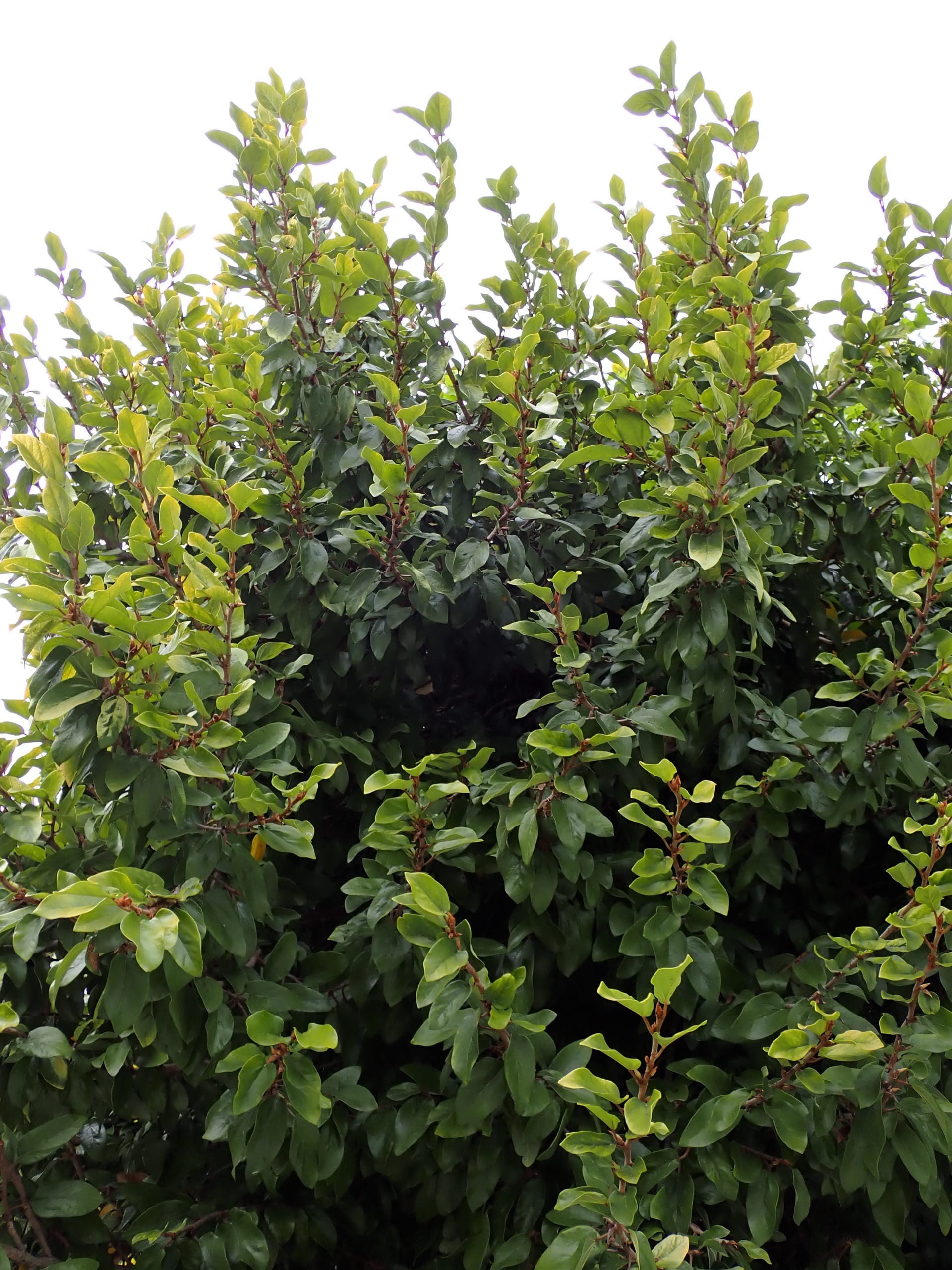
 © Krzysztof Ziarnek, Kenraiz / CC BY-SA 4.0
Creeping Fig
Ficus pumila, commonly known as creeping fig, is an evergreen climbing plant with small, heart-shaped leaves about 2 cm long. Known in Japan as oitabi, it is hardy enough to grow wild in the country's warmer regions. Aerial roots sprout along its stems, letting it cling to walls and rocks as it climbs — a trait you can enjoy indoors by training it up a moss pole or trellis, or letting it trail from a hanging basket. On mature, flowering branches the leaves become larger and thicker at 5 to 10 cm, but potted plants indoors almost never produce this adult foliage, so you can enjoy the small-leaved form. With numerous variegated varieties available and forgiving care needs, it's an evergreen houseplant that beginners can enjoy for years.
View Creeping Fig encyclopedia →0% commission on your first sales!Register by September 30, 2026 and your first 2 plants are commission-free!
Grower Wanted!
List your plants on GrowerDirect and sell directly to customers nationwide!
6 Transparency Commitments from GrowerDirect
Every Grower selling Foliage Plants provides complete transparency: variety, origin, light requirements, and care difficulty.
- Variety Information
- Real Photos
- True Colors
- Origin Information
- Light Requirements
- Care Difficulty
Browse all 139 varieties
Light Requirements
Care Difficulty
Verified growers wanted for Foliage Plants
Growers are signing up now ahead of launch. Subscribe to be notified when new listings go live.
Getting alerts is free with a member account. When new listings match your saved search, we'll notify you by email and in-app.
Browse other categories
Verified growers (preview)
Are you growing foliage plants?
Register as a grower and connect with buyers directly.
Apply as a growerCreeping Fig key facts
- Growing Difficulty
- Beginner-friendly
- Lifespan
- Evergreen woody climber (long-lived)
- Size
- Stems climb 4 m or more; juvenile leaves about 2 cm, adult leaves 5-10 cm
- Watering
- Liquid feed about every two months from spring to autumn
- Light & Placement
- Prefers bright shade to part shade; strong light and afternoon sun damage the leaves.
- Watering
- Water generously from spring to autumn and less in winter without letting it dry out.
- Temperature & Overwintering
- Hardy to about 1°C but not frost-tolerant. It can be grown outdoors in warm parts of central and southern Japan; bring it indoors in colder regions.
- Soil & Repotting
- Use a houseplant mix that balances drainage and moisture retention.
- Propagation
- Easily propagated from stem cuttings or by layering at the nodes.
- Pests & Cautions
- Watch for scale, aphids, mealybugs and spider mites. Outdoors its clinging roots can damage fragile mortar. Figs exude a milky latex containing ficin and furanocoumarins that can irritate skin, especially in sunlight, and upset the stomachs of dogs and cats. Wear gloves when pruning and keep it away from pets.
About Creeping Fig
Ficus pumila (creeping fig) is a hardy, beginner-friendly climbing houseplant with small heart-shaped leaves and aerial roots, ideal for trellises or hanging baskets.
7 things to know before growing Creeping Fig
1Light and Placement
Ficus pumila thrives in bright, indirect light to partial shade, and strong direct sun can scorch its leaves. Variegated varieties benefit from slightly brighter light to keep their leaf coloring vivid.
2Watering Basics
Water thoroughly once the topsoil has dried out. The plant tolerates humidity reasonably well, but prolonged dryness can cause smaller leaves or leaf drop, so avoid letting it dry out completely.
3Choosing Soil
A standard, well-draining houseplant potting mix works well. Since the plant readily produces aerial roots, avoiding an overly water-retentive mix helps prevent root rot.
4Choosing a Growing Style
A classic way to grow it is training the vine up a moss pole or trellis, letting its aerial roots cling as it climbs. It's also popular trailing from a hanging basket or used as groundcover in mixed planters.
5When to Repot
Because the vine grows vigorously, repotting roughly every one to two years helps prevent the roots from becoming pot-bound. Spring, as new growth begins, is the best time to repot.
6Pruning to Shape
Because the vine grows fast, trimming back overgrown stems during the growing season keeps the plant compact and tidy. Cuttings from pruning can also be propagated to grow new plants.
7Winter Care
Although it's a hardy evergreen, keep it away from cold drafts near windows or direct airflow from air conditioners during colder months. Growth slows in winter, so reduce watering frequency accordingly.
Frequently asked questions about Creeping Fig
- Q.How large does it grow?
- A.It's a vigorous climber whose vines keep growing readily. Depending on training and pruning, it can be kept compact or allowed to grow into a much larger display.
- Q.Can it be grown indoors?
- A.Yes, it grows well in pots indoors. Placed in a bright spot, it can be trained up a support or trellis, or grown trailing in a hanging basket, giving you several styling options indoors.
- Q.Will the aerial roots damage walls?
- A.The aerial roots are what let the plant cling to and climb surfaces like walls or rocks. Depending on the material, they can leave marks behind, so when growing it indoors it's best to guide it onto a designated support, moss pole, or pot rather than a wall.
- Q.Why do the young and mature leaves look different?
- A.The plants sold as houseplants are in their juvenile stage, with small leaves about 2 cm long. On mature, flowering branches the leaves become larger and thicker at 5 to 10 cm, but potted plants grown indoors almost never produce this adult foliage.
- Q.When and how should I prune it?
- A.The best time to prune is during the active growing season from spring to summer. Cutting back overly long vines or stems that disrupt the shape with clean scissors helps keep the plant compact.
Handy Growing Tools for Creeping Fig
Learn more about Creeping Fig in the encyclopedia
View Creeping Fig encyclopedia entry →
Care difficulty, size, origin and light needs — all basics covered.
More in this category
Can't find the plant you're looking for?
Post your wishes for free and growers with matching plants will contact you with introductions.