 © Hladac / CC BY-SA 4.0
English Ivy
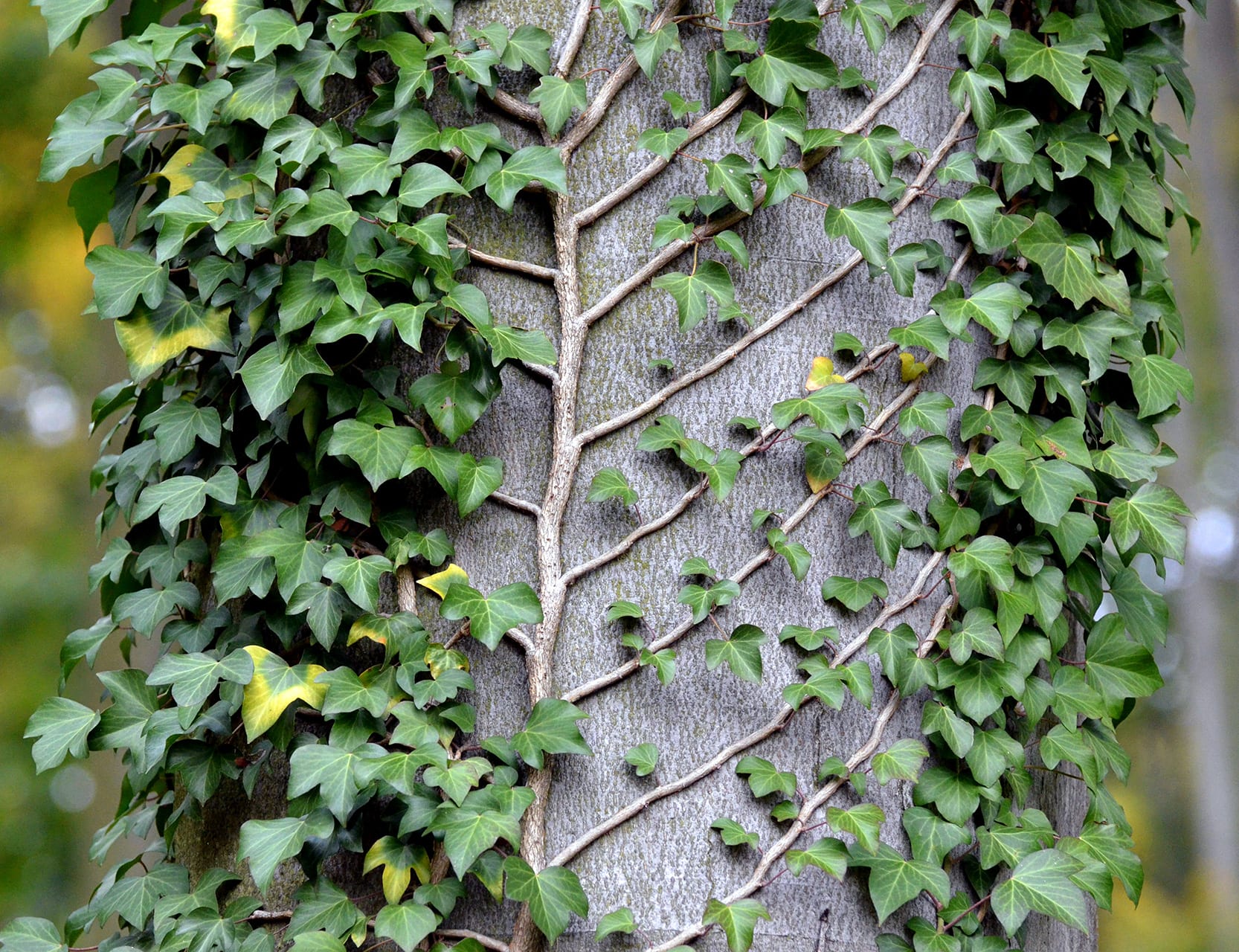
English Ivy (Hedera helix) is an evergreen climbing vine that clings to walls and trees using clusters of aerial roots. Its huge range of leaf shapes and variegation patterns, from classic lobed green leaves to white- or gold-edged cultivars, gives it real personality. Tough and forgiving, it's a great pick for beginners and a staple for hanging baskets and mixed container displays. Outdoors it can climb to impressive heights, but potted plants are easily kept in check by trimming back the vines. Because it's toxic to dogs and cats, think carefully about placement if pets share your home.
View English Ivy encyclopedia →0% commission on your first sales!Register by September 30, 2026 and your first 2 plants are commission-free!
Grower Wanted!
List your plants on GrowerDirect and sell directly to customers nationwide!
6 Transparency Commitments from GrowerDirect
Every Grower selling Foliage Plants provides complete transparency: variety, origin, light requirements, and care difficulty.
- Variety Information
- Real Photos
- True Colors
- Origin Information
- Light Requirements
- Care Difficulty
Browse all 139 varieties
Light Requirements
Care Difficulty
Verified growers wanted for Foliage Plants
Growers are signing up now ahead of launch. Subscribe to be notified when new listings go live.
Getting alerts is free with a member account. When new listings match your saved search, we'll notify you by email and in-app.
Browse other categories
Verified growers (preview)
Are you growing foliage plants?
Register as a grower and connect with buyers directly.
Apply as a growerEnglish Ivy key facts
- Growing Difficulty
- Beginner-friendly
- Lifespan
- Perennial (evergreen vine)
- Size
- Outdoors it can climb 6-24 m or more; in pots, trim the vines to size
- Watering
- Light houseplant feed in the growing season
- Light & Placement
- Adapts to anything from full sun to deep shade. Indoors, a bright position gives the fullest growth.
- Watering
- Water when the surface dries. Soggy soil leads to root and stem rot.
- Temperature & Overwintering
- Very hardy and able to overwinter outdoors; winter care indoors is also easy.
- Soil & Repotting
- Use a well-drained mix. Planted in the ground it can spread into walls, gutters and nearby trees and become impossible to remove, so pots or containers are safer.
- Propagation
- Easily propagated from vine cuttings. Some named cultivars are registered varieties, so check registration status before propagating for sale or transfer.
- Pests & Cautions
- Watch for aphids, mealybugs, spider mites, scale, leaf spots and powdery mildew. Saponins in the foliage cause vomiting, abdominal pain, drooling and diarrhoea if eaten by dogs or cats. The sap can irritate skin, so wear gloves when pruning.
About English Ivy
English Ivy (Hedera helix) is a hardy evergreen vine that climbs with aerial roots, prized for its wide variety of leaf shapes and variegation. Easy for beginners and popular in hanging baskets.
7 things to know before growing English Ivy
1Bright, Indirect Light
Direct, intense sun can scorch the leaves, so a bright spot with indirect light, such as near a sheer-curtained window, works best. Variegated cultivars need slightly brighter light than solid green types, or their patterning tends to fade.
2Water When Topsoil Dries
Water thoroughly once the top of the soil feels dry, letting excess drain freely from the pot. Always empty the saucer afterward, since sitting in water can lead to root rot.
3Well-Draining Soil
English Ivy prefers well-draining soil, so mixing perlite or pumice into a standard houseplant potting mix helps prevent soggy roots. It dislikes both waterlogging and extreme dryness, so aim for a mix that balances drainage with moisture retention.
4Repot Every 1-2 Years
Because it grows vigorously and fills its pot quickly, repot into a slightly larger container roughly every one to two years. Early spring through early summer, when temperatures are stable, is the best time to repot.
5Winter Care Indoors
It's fairly cold-tolerant, but keep it away from cold drafts and dry heating vents in winter. Growth slows during the colder months, so cut back on watering and check that the soil has dried before watering again。
6Choosing a Healthy Plant
Leaf shape and variegation vary enormously between cultivars, so it helps to look at the actual foliage before choosing a plant you like. Pick one with healthy, undamaged leaves and vines that look vigorous all the way to the tips.
7Toxic to Dogs and Cats
English Ivy is considered toxic to dogs and cats, so place it on a high shelf or in a hanging basket out of pets' reach. Households with small children should also make sure the leaves aren't put in the mouth.
Frequently asked questions about English Ivy
- Q.Is English Ivy easy for beginners?
- A.Yes, English Ivy is a tough, adaptable plant that's considered one of the easier houseplants to grow. Give it bright indirect light and well-draining soil, and it should thrive without much fuss.
- Q.How big does English Ivy get?
- A.Outdoors, it's a vigorous climber that uses its aerial roots to scale walls and trees to considerable heights. In a pot, regular pruning keeps it at whatever size suits your space.
- Q.Is it safe to keep around pets?
- A.English Ivy is considered toxic to dogs and cats. It's best displayed somewhere pets can't reach, such as a hanging basket or a high shelf, rather than at floor level.
- Q.Why are there so many different leaf types?
- A.English Ivy has been bred into an enormous number of cultivars, resulting in wide variation in leaf shape and variegation. You'll find rounded leaves, deeply lobed leaves, and forms with white or gold variegation, so there's plenty of choice.
- Q.What should I do if the vines get too long?
- A.Simply trim the vines back to whatever length keeps the plant looking balanced. Cuttings root easily in water, so you can propagate new plants from the trimmings if you'd like.
Handy Growing Tools for English Ivy
Learn more about English Ivy in the encyclopedia
View English Ivy encyclopedia entry →
Care difficulty, size, origin and light needs — all basics covered.
More in this category
Can't find the plant you're looking for?
Post your wishes for free and growers with matching plants will contact you with introductions.