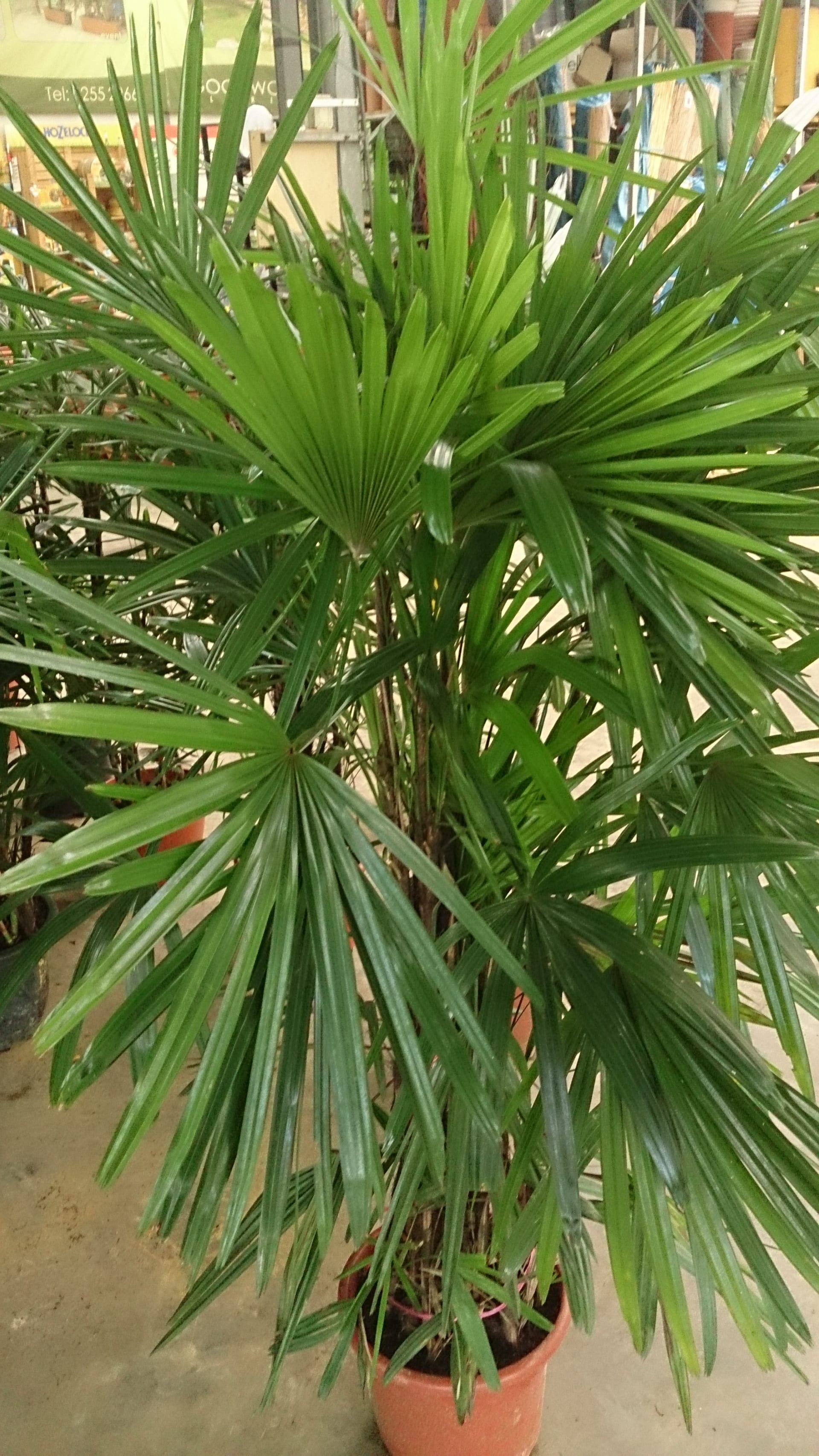
 © Mokkie / CC BY-SA 3.0
Lady Palm
Lady Palm (Kannonchiku) is an evergreen, clumping palm whose slender, bamboo-like stems are wrapped in dark brown fiber. Its deeply lobed, hand-shaped leaves give it a refined silhouette that suits both traditional and modern interiors. Highly shade-tolerant, it thrives in spots away from direct sun, such as near a window or in an office, making it a beginner-friendly houseplant. Potted specimens typically stay around 1.8m tall, and with both solid-green and variegated varieties available, there is plenty of room to find a look you love.
View Lady Palm encyclopedia →0% commission on your first sales!Register by September 30, 2026 and your first 2 plants are commission-free!
Grower Wanted!
List your plants on GrowerDirect and sell directly to customers nationwide!
6 Transparency Commitments from GrowerDirect
Every Grower selling Foliage Plants provides complete transparency: variety, origin, light requirements, and care difficulty.
- Variety Information
- Real Photos
- True Colors
- Origin Information
- Light Requirements
- Care Difficulty
Browse all 139 varieties
Light Requirements
Care Difficulty
Verified growers wanted for Foliage Plants
Growers are signing up now ahead of launch. Subscribe to be notified when new listings go live.
Getting alerts is free with a member account. When new listings match your saved search, we'll notify you by email and in-app.
Browse other categories
Verified growers (preview)
Are you growing foliage plants?
Register as a grower and connect with buyers directly.
Apply as a growerLady Palm key facts
- Growing Difficulty
- Beginner-friendly
- Lifespan
- Perennial (evergreen, clumping)
- Size
- About 1.8 m in pots; around 4 m tall and similarly wide outdoors
- Watering
- Balanced slow-release fertiliser in the growing season
- Light & Placement
- Bright light out of direct sun is ideal. It tolerates deep shade, but strong sun scorches the leaves.
- Watering
- Water regularly in the growing season, especially in summer, and reduce watering in winter. Established plants tolerate some drought.
- Temperature & Overwintering
- Thrives around 20°C in summer and prefers somewhat cooler conditions above about 13°C in winter. Bring it indoors before temperatures drop below 10°C.
- Soil & Repotting
- Use a well-drained mix. It spreads by rhizomes, so repot when the pot is full.
- Fertiliser
- Apply a balanced slow-release fertiliser in the growing season.
- Propagation
- Propagate by dividing the rhizome offshoots.
- Pests & Cautions
- Watch for spider mites, mealybugs, scale and leaf spot diseases.
About Lady Palm
Lady Palm (Kannonchiku) is a shade-tolerant, beginner-friendly houseplant with bamboo-like clumping stems and hand-shaped leaves, staying around 1.8m tall in a pot.
7 things to know before growing Lady Palm
1Place in Bright Shade
Thanks to its strong shade tolerance, Lady Palm grows well indoors near a bright window or in an office without direct sun. Strong summer sun can scorch the leaves, so filtered light through a curtain or a partly shaded spot outdoors works best.
2Water When the Soil Dries
During the growing season from spring to fall, water thoroughly once the soil surface has dried out. In winter, growth slows down, so watering less frequently and keeping the soil slightly drier helps prevent root rot.
3Choose Well-Draining Soil
Since Lady Palm is prone to root rot in overly wet conditions, well-draining soil is essential. A standard houseplant potting mix with added perlite or coarse sand improves aeration and drainage.
4Repot Every Few Years
Because its clumping growth habit fills the pot with roots over time, repot into a slightly larger container roughly every two to three years. Spring to early summer, when temperatures stabilize and growth is active, is the best time to do this.
5Keep It Cool but Protected in Winter
In winter, Lady Palm prefers slightly cool conditions of 13°C or above, and it can even handle a spot near an entrance that gets the occasional cold draft. If you keep it outdoors, bring it inside before temperatures drop below 10°C. Avoid placing it directly in the path of air conditioner drafts, which can dry out and damage the leaves.
6Wipe Leaves Regularly
Dust that accumulates on the leaves not only dulls their appearance but can also hinder photosynthesis. Wiping the leaves periodically with a damp cloth and removing old, discolored fronds at the base keeps the plant looking tidy.
7Check the Stems When Selecting
When choosing a plant, look for one with intact, healthy dark brown fiber wrapped around the stems and leaves free of damage or yellowing. A plant with more stems in its clump will give you a fuller look sooner.
Frequently asked questions about Lady Palm
- Q.Is Lady Palm easy to grow for beginners?
- A.Yes, Lady Palm is shade-tolerant and considered beginner-friendly, making it a good choice even for those new to houseplants. As long as you place it in bright shade and water when the soil dries, it's unlikely to give you much trouble.
- Q.How large does Lady Palm eventually grow?
- A.Indoors in a pot, it usually stays at around 1.8m tall. It sends up new stems from underground runners to form a clump, so repot it once it fills the container.
- Q.Will it survive in a room with little sunlight?
- A.Lady Palm is highly shade-tolerant, so it can grow well even in rooms without direct sunlight. In fact, strong direct sun is more likely to scorch its leaves, so bright shade is actually the better environment.
- Q.How often does Lady Palm need repotting?
- A.Since the roots tend to fill the pot over time, repotting into a slightly larger container roughly every two to three years is recommended. Doing this in spring to early summer, when growth is active, puts less stress on the plant.
- Q.What's the difference between green-leaf and variegated types?
- A.Both types share the same basic growth habits, but variegated varieties have white or yellow patterning on their leaves for a more distinctive look. Basic care, like placement and watering, is the same for either type.
Handy Growing Tools for Lady Palm
Learn more about Lady Palm in the encyclopedia
View Lady Palm encyclopedia entry →
Care difficulty, size, origin and light needs — all basics covered.
More in this category
Can't find the plant you're looking for?
Post your wishes for free and growers with matching plants will contact you with introductions.