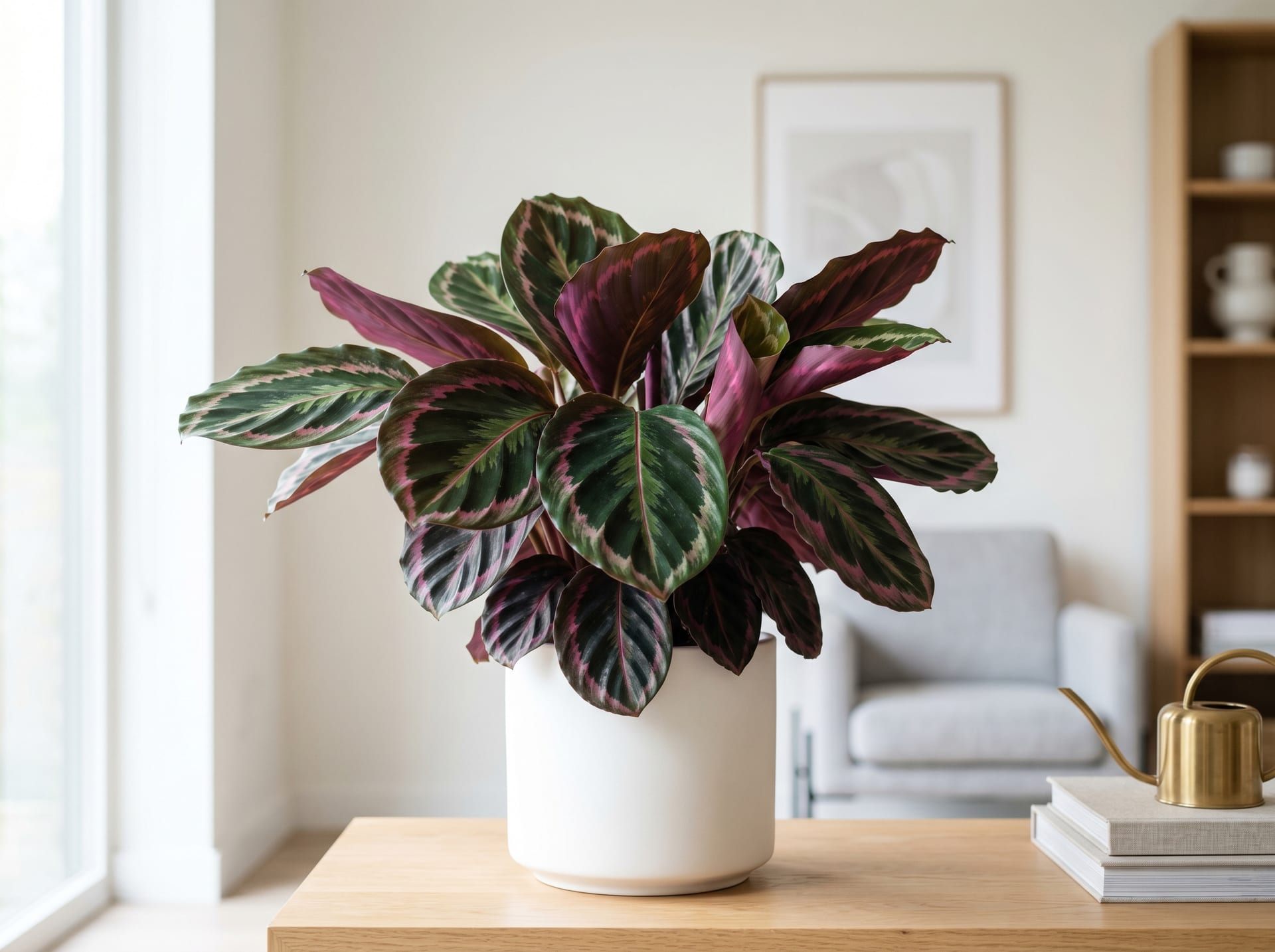
Calathea
Interior plant with beautifully patterned leaves. Characteristic nyctinastic movement (leaves close at night). Prefers humidity.
View Calathea encyclopedia →Grower Wanted!
List your plants on GrowerDirect and sell directly to customers nationwide!
6 Transparency Commitments from GrowerDirect
Every Grower selling Foliage Plants provides complete transparency: variety, origin, light requirements, and care difficulty.
- Variety Information
- Real Photos
- True Colors
- Origin Information
- Light Requirements
- Care Difficulty
Browse all 139 varieties
Light Requirements
Care Difficulty
Verified growers wanted for Foliage Plants
Growers are signing up now ahead of launch. Subscribe to be notified when new listings go live.
Getting alerts is free with a member account. When new listings match your saved search, we'll notify you by email and in-app.
Browse other categories
Verified growers (preview)
Are you growing foliage plants?
Register as a grower and connect with buyers directly.
Apply as a growerCalathea key facts
- Growing Difficulty
- Intermediate
- Lifespan
- 5+ years
- Size
- 30-80cm
- Temperature
- 15〜28℃
- Humidity
- 50〜80%
- Placement
- Bright shade. Direct sun causes leaf burn
- Watering
- Keep the soil slightly moist at all times. Leaves curl and tips brown when dry, and use rested or filtered water instead of straight tap water.
- Temperature & Overwintering
- Ideal range is 15-28°C and it is cold-sensitive. In winter keep it in a room that stays above 15°C, away from direct heater air.
- Soil & Repotting
- Use a mix that balances drainage and moisture retention. It likes high humidity (50-70%), so mist often to keep the air moist.
- Notes
- Leaf tips dry easily. Avoid dry air and chlorinated water
About Calathea
Calathea is a perennial plant native to the tropical rainforests of tropical America (Central and South America), and belongs to the family Marantaceae. Its name derives from the Greek word for "basket," reflecting the plant's long history of having its leaves used in weaving. The defining appeal of Calathea lies in its strikingly patterned foliage — geometric and painterly combinations of green, white, deep purple, and cream that vary dramatically across the many cultivated varieties. Many varieties also feature purple undersides, adding a layered visual effect that shifts with the angle of light. The plant's nyctinastic movement — folding its leaves upward in the evening and reopening them by morning — gives it a lively, almost animated personality unlike most houseplants. While Calathea does require higher humidity, indirect light, and careful watering, making it more suitable for attentive growers, the reward is the daily pleasure of observing subtle changes in its living, breathing leaves. It is a distinctive houseplant that blends decorative beauty with a tangible sense of vitality.
7 things to know before growing Calathea
1Avoid Direct Sunlight
Direct sunlight causes leaf scorch and fades Calathea's distinctive patterns. A bright spot away from direct sun — such as near a window with a sheer curtain — works best. East- or north-facing windowsills provide suitable light conditions.
2High Humidity Is Essential
Calathea thrives in humidity around 50–70%; dry air causes the leaf tips to brown and crisp. Placing it near a humidifier or setting the pot on a tray of moist gravel helps maintain moisture levels. Misting the leaves frequently can also help, but avoid leaving standing water on the foliage.
3Water Quality Matters
Calathea can be sensitive to fluoride and chlorine in tap water, which may cause leaf tip damage over time. Using water left overnight to off-gas, filtered water, rainwater, or soft water helps keep the foliage healthy.
4Don't Let Soil Dry Out
The basic rule is to keep the soil lightly moist at all times; if it dries out, the leaves curl and the tips turn brown. To prevent root rot, though, make sure water does not collect at the bottom of the pot: use a well-draining potting mix and a pot with drainage holes. In winter, adjust watering according to how quickly the soil dries.
5Enjoy the Nyctinasty
Calathea raises and closes its leaves at night, reopening them in the morning — a phenomenon called nyctinasty. This movement is a sign of a healthy plant and can also serve as an indicator of its light and moisture conditions. If the leaves stay closed during the day, consider adjusting its placement or watering routine.
6Fertilize Lightly in Growing Season
During the growing season from spring to summer, apply a diluted liquid fertilizer at half the recommended strength once or twice a month. Over-fertilizing can damage roots and foliage, so err on the side of less. Withhold fertilizer during the dormant period in autumn and winter.
7Repot Every Two Years
When roots begin to emerge from the drainage holes or water drains poorly, it is time to repot. Move to a pot one size larger in spring, handling the roots gently to minimize stress. After repotting, keep the plant out of direct sun for a few days while it adjusts to its new container.
Frequently asked questions about Calathea
- Q.Why are the tips of my Calathea's leaves turning brown?
- A.The most common cause is low humidity. Using a humidifier or misting the leaves regularly often resolves the issue. Chlorine in tap water or over-fertilizing can also contribute to browning tips.
- Q.How often should I water my Calathea?
- A.The basic rule is to keep the soil lightly moist at all times. Water thoroughly, until it drains from the bottom, before the top of the soil dries out completely. The frequency varies with season and room temperature, so adjust by checking the soil rather than following a fixed schedule.
- Q.Can Calathea grow in a room with low light?
- A.Calathea prefers indirect light and avoids harsh sun, so it adapts reasonably well to lower-light rooms. However, insufficient light may cause the leaf patterns to fade and slow overall growth.
- Q.My Calathea's leaves stopped moving at night. Is something wrong?
- A.When the sleep movement stops, it often signals insufficient light, a root-bound pot, or overall stress. Try adjusting the plant's position to improve light exposure, and consider repotting or fertilizing if needed.
- Q.How should I care for Calathea in winter?
- A.Calathea is sensitive to cold, so keep it indoors where the temperature stays at 15°C or above in winter. Avoid direct drafts from heaters and maintain humidity to prevent dryness. Since growth slows in winter, adjust watering according to how dry the soil is and go easy on fertilizer.
Handy Growing Tools for Calathea
Learn more about Calathea in the encyclopedia
View Calathea encyclopedia entry →
Care difficulty, size, origin and light needs — all basics covered.
Calathea related articles
See more Calathea articles →More in this category
Can't find the plant you're looking for?
Post your wishes for free and growers with matching plants will contact you with introductions.