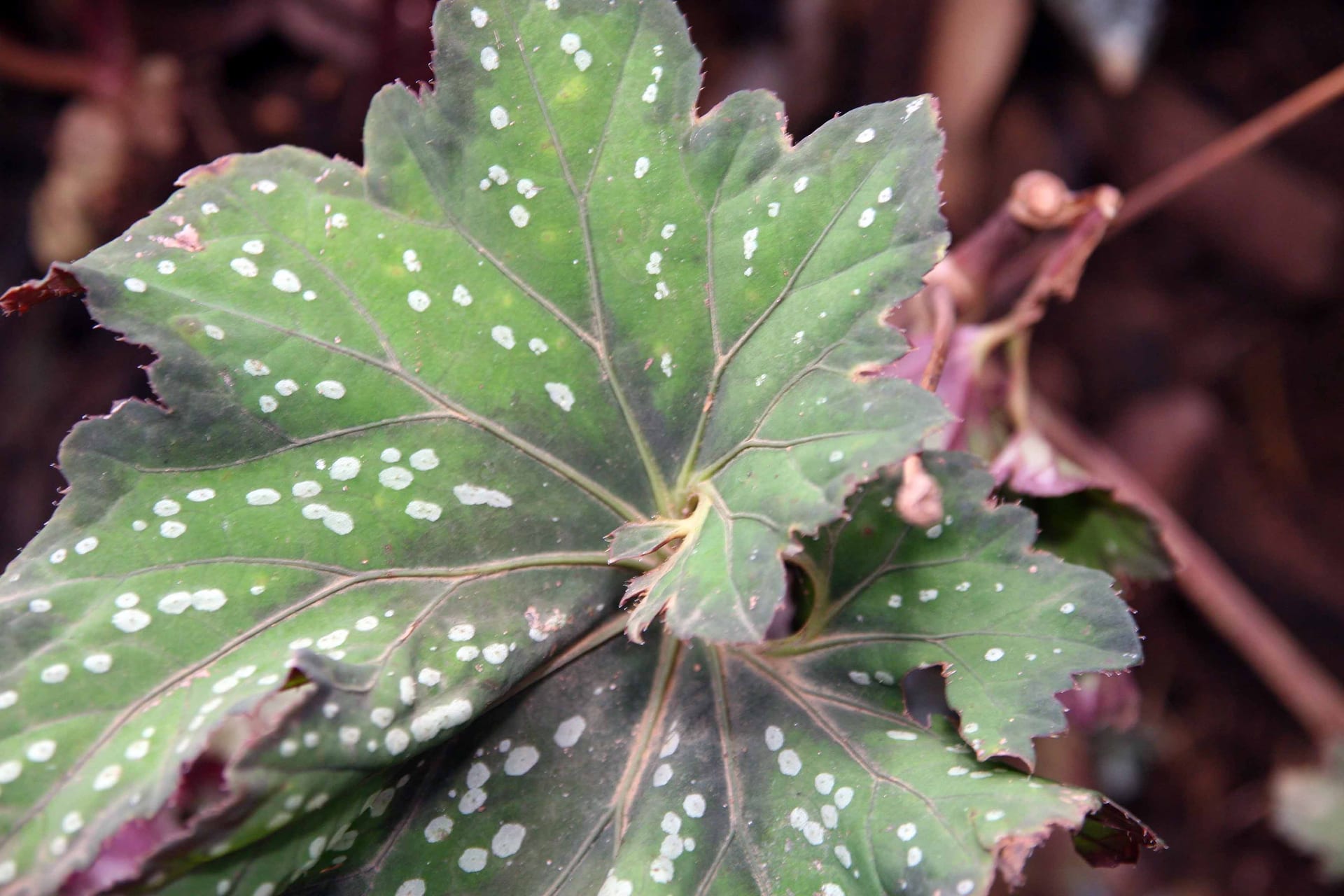
 © Photo by David J. Stang / CC BY-SA 4.0
Rex Begonia
Rex begonias are a group of hybrid rhizomatous begonias prized for the striking silver, red, purple, and green patterns that swirl across their leaves. Bred from the species Begonia rex, more than 500 cultivars exist today, each with its own distinctive leaf shape and coloring. Grown for their foliage rather than their flowers, they bring understated color to indoor spaces year-round. As perennials, they can be enjoyed for years, though they're best suited to gardeners with some experience, so it helps to understand their care basics before bringing one home.
View Rex Begonia encyclopedia →0% commission on your first sales!Register by September 30, 2026 and your first 2 plants are commission-free!
Grower Wanted!
List your plants on GrowerDirect and sell directly to customers nationwide!
6 Transparency Commitments from GrowerDirect
Every Grower selling Foliage Plants provides complete transparency: variety, origin, light requirements, and care difficulty.
- Variety Information
- Real Photos
- True Colors
- Origin Information
- Light Requirements
- Care Difficulty
Browse all 139 varieties
Light Requirements
Care Difficulty
Verified growers wanted for Foliage Plants
Growers are signing up now ahead of launch. Subscribe to be notified when new listings go live.
Getting alerts is free with a member account. When new listings match your saved search, we'll notify you by email and in-app.
Browse other categories
Verified growers (preview)
Are you growing foliage plants?
Register as a grower and connect with buyers directly.
Apply as a growerRex Begonia key facts
- Growing Difficulty
- Intermediate
- Lifespan
- Perennial
- Size
- About 30-45 cm tall and wide
- Temperature
- 16〜21℃
- Watering
- Weak liquid feed about every two weeks in growth; taper in autumn and stop in winter
- Light & Placement
- Give plenty of indirect light but avoid hot direct sun. If light comes from one side, turn the pot weekly for an even shape.
- Watering
- Water when the surface is almost dry and avoid overwatering. Some cultivars go dormant and drop leaves in autumn or winter; water sparingly until new leaves appear in spring.
- Temperature & Overwintering
- Best at about 21°C by day and 16°C at night; growth stalls below this. Prefers humidity above 50%, and some cultivars need more.
- Soil & Repotting
- Plant in a light, porous mix in a shallow pot. Repot when the rhizome outgrows the container.
- Propagation
- Root rhizome cuttings or leaf cuttings. Cutting back an overlong rhizome encourages new leaves.
- Pests & Cautions
- Wet foliage invites powdery mildew. Begonias contain soluble oxalates, mostly in the underground parts, which can cause vomiting and drooling in dogs and cats. Some named cultivars may be registered under Japan's Plant Variety Protection Act, so check before propagating them for sale or transfer.
About Rex Begonia
Discover rex begonias, hybrid rhizomatous begonias grown for their striking silver, red, and purple leaf patterns. With over 500 cultivars, learn their key care basics here.
7 things to know before growing Rex Begonia
1Bright, Indirect Light
Rex begonias dislike direct sun, which can scorch their leaves. Place them in bright, indirect light, such as near a window filtered by a sheer curtain. Too much direct sun can also dull the vivid colors and patterns on the leaves.
2Water After the Soil Dries
Water thoroughly once the surface of the soil has dried out. Because rex begonias grow from rhizomes, constantly wet soil can lead to root rot, while letting the plant dry out too much causes the leaves to wilt. Avoid leaving standing water in the saucer beneath the pot.
3Well-Draining Soil
Choose a soil mix that drains well and allows good airflow around the roots to help prevent rot. A general houseplant potting mix combined with perlite or pumice works well. Avoid pots that tend to trap water at the bottom.
4Size Depends on the Cultivar
Rex begonias are a group of more than 500 cultivars, so leaf shape, color, and size vary widely. Plant in a light, airy mix in a fairly shallow pot, and repot when the rhizome starts to spill over the edge.
5Repot When Rootbound
Repot into a slightly larger container when you notice signs of being rootbound, such as roots emerging from the drainage holes or water draining poorly. Repotting while the plant is actively growing, rather than during its slower periods, puts less stress on the roots.
6Watch Temperature in Winter
It prefers about 21°C by day and 16°C at night, and growth stops below that. Keep it in a warm spot indoors as temperatures drop. Raise humidity with a humidifier or a tray of wet gravel, and keep the leaves dry.
7Choosing a Healthy Plant
When choosing a plant, look for firm leaves with clear, vivid color and pattern. Avoid plants with browning leaf edges or a loose, unstable base at the soil line, as these can be harder to care for afterward.
Frequently asked questions about Rex Begonia
- Q.Can beginners grow rex begonias?
- A.Rex begonias are generally considered suitable for gardeners with some experience, since they're a bit particular about light and watering. A first-time grower can still succeed by carefully following the basic light and watering guidelines, though more attention may be needed than with easier houseplants.
- Q.Why are the leaves turning brown?
- A.Browning leaves are commonly caused by sunscorch from direct light, over- or under-watering, or overly dry air. Reviewing the plant's light exposure and watering schedule can often help improve the condition.
- Q.Do rex begonias flower?
- A.Rex begonias do produce flowers, but they're grown primarily for their colorful, patterned foliage rather than their blooms. Most growers treat them as foliage plants first and foremost.
- Q.How should I keep humidity up?
- A.Rex begonias like humidity of 50 percent or more, and some cultivars need even higher. Leaves left wet are prone to powdery mildew, though, so raise humidity with a humidifier or a tray of wet gravel rather than by misting.
- Q.If the plant loses leaves in winter, has it died?
- A.It's common for growth to slow and leaf count to decrease as temperatures drop, but this doesn't necessarily mean the plant has died. Keeping it warm and simply monitoring it often leads to renewed leaf growth once the weather warms again.
Handy Growing Tools for Rex Begonia
Learn more about Rex Begonia in the encyclopedia
View Rex Begonia encyclopedia entry →
Care difficulty, size, origin and light needs — all basics covered.
More in this category
Can't find the plant you're looking for?
Post your wishes for free and growers with matching plants will contact you with introductions.