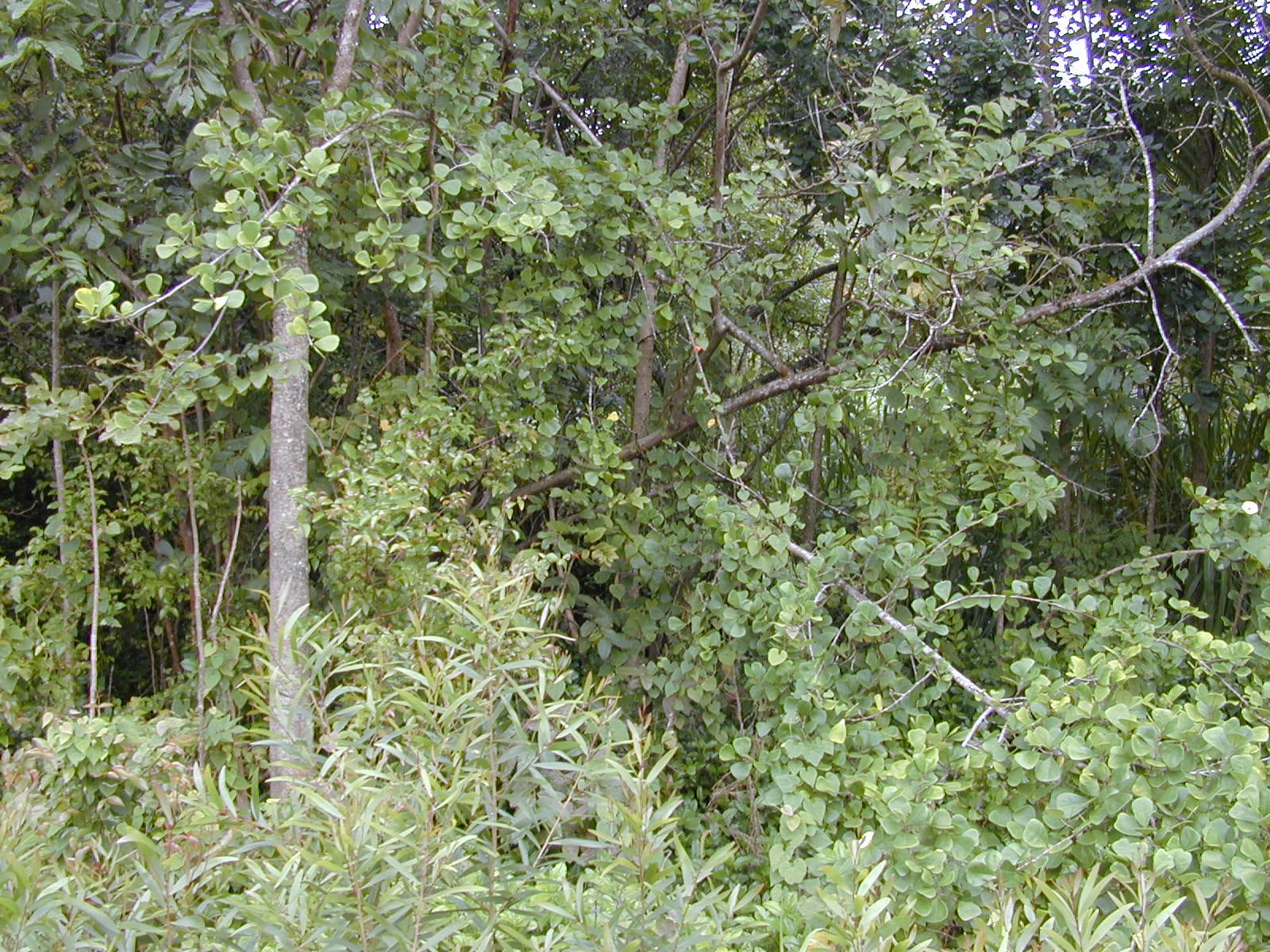
 © Forest & Kim Starr / CC BY 3.0
Triangle Fig
Ficus triangularis, often sold under its distinctive triangle-fig name, is an African native ficus prized for the striking triangular leaves that line its branches in a near-geometric pattern. Though still widely known in the trade as 'triangularis,' botanists now classify it as a subspecies of Ficus natalensis. Its glossy foliage brings a graphic, sculptural quality to any indoor space, and variegated forms are also available, offering extra pattern and color variety. As an evergreen, it can be enjoyed for many years, with its branching shape gradually developing over time. Considered easy to grow, this ficus suits beginners looking for a resilient, low-fuss houseplant that still makes a strong visual statement.
View Triangle Fig encyclopedia →0% commission on your first sales!Register by September 30, 2026 and your first 2 plants are commission-free!
Grower Wanted!
List your plants on GrowerDirect and sell directly to customers nationwide!
6 Transparency Commitments from GrowerDirect
Every Grower selling Foliage Plants provides complete transparency: variety, origin, light requirements, and care difficulty.
- Variety Information
- Real Photos
- True Colors
- Origin Information
- Light Requirements
- Care Difficulty
Browse all 139 varieties
Light Requirements
Care Difficulty
Verified growers wanted for Foliage Plants
Growers are signing up now ahead of launch. Subscribe to be notified when new listings go live.
Getting alerts is free with a member account. When new listings match your saved search, we'll notify you by email and in-app.
Browse other categories
Verified growers (preview)
Are you growing foliage plants?
Register as a grower and connect with buyers directly.
Apply as a growerTriangle Fig key facts
- Growing Difficulty
- Beginner-friendly
- Lifespan
- Evergreen tree (long-lived)
- Size
- Little data on potted size; it can be kept in shape by pruning
- Watering
- Slow-release fertiliser in the growing season
- Light & Placement
- Keep in bright indoor light. Figs tend to drop leaves when moved suddenly, so find a spot and leave it there.
- Watering
- Water thoroughly when the surface dries and empty the saucer. Keep drier in winter.
- Temperature & Overwintering
- A tropical African plant that dislikes cold; keep it in a warm room in winter.
- Soil & Repotting
- Plant in a free-draining houseplant mix and repot in warm weather when root-bound.
- Propagation
- Propagate by cuttings or air layering.
- Pests & Cautions
- Watch for spider mites, scale and mealybugs. Figs exude a milky latex containing ficin and furanocoumarins that can irritate skin, especially in sunlight, and upset the stomachs of dogs and cats. Wear gloves when pruning and keep it away from pets. F. natalensis has current registered varieties in Japan ('HANFICVAR1', No. 28345; 'ESPE1903', No. 31017), so named or variegated plants may be protected. Registered varieties cannot be propagated for sale or transfer without permission, so check first.
About Triangle Fig
Ficus triangularis is an African ficus known for its triangular leaves, classified as a subspecies of Ficus natalensis. This easy-care evergreen suits beginners and is also available in variegated forms.
7 things to know before growing Triangle Fig
1Keep it in bright indoor light
Ficus triangularis is a light-loving member of the fig family, so place it near a bright window, ideally behind a sheer curtain. Good light keeps the leaves richly colored and glossy. Avoid sudden direct sun or the intense heat of a summer windowsill, as this can scorch the leaves.
2Water once the soil dries
Water thoroughly until it drains from the bottom of the pot once the soil surface has dried out. Avoid keeping the soil constantly wet, as overwatering can lead to root rot. Growth slows in winter, so space out watering a little more during the colder months.
3Use a well-draining soil mix
A standard houseplant potting mix with good drainage and airflow works well for this ficus. Because the roots dislike staying wet, avoid soil that retains too much moisture. Adding pumice or drainage stones to the bottom of the pot further improves drainage.
4Repot every few years
When roots fill the pot, growth slows down, so repot into a slightly larger container roughly every few years. Doing this during a period of stable, active growth minimizes stress on the plant. After repotting, keep it out of direct sun for several days to a week while it settles in.
5Protect it from cold in winter
Although it's an evergreen, this ficus isn't cold-hardy, so move it to a warm spot indoors once temperatures drop. Windowsills can get chilly at night, so placing it behind a curtain helps buffer the cold. Also keep it away from direct airflow from air conditioners, which can dry out and damage the leaves.
6Prune to shape the plant
Trimming overly long shoots during the growing season lets you shape the plant to your liking. Detailed records on typical potted size are limited, but pruning makes it easy to control the plant's overall size. The sap released from cuts can irritate the skin of some people, so wearing gloves while pruning is a good idea.
7Choosing a healthy plant
Look for a plant with undamaged, unfaded leaves that look fresh and lively. Variegated forms vary quite a bit from plant to plant, so it's worth checking the actual leaf pattern to find one you like. A sturdy plant with a stem and branches that don't wobble will generally be easier to care for going forward.
Frequently asked questions about Triangle Fig
- Q.Is Ficus triangularis suitable for beginners?
- A.Yes, it's generally considered an easy plant for beginners. As long as you give it bright light and water it once the soil dries out, it's not difficult to keep healthy.
- Q.How large does it grow in a pot?
- A.There isn't much detailed data on typical potted size, but this plant responds well to pruning, so you can shape and size it to fit your space over time.
- Q.Do variegated plants need different care than plain green ones?
- A.The basic approach to light and watering is the same for both. Variegated forms tend to prefer slightly brighter light to help maintain their leaf pattern.
- Q.What does the name 'triangularis' refer to?
- A.It's a trade name that refers to the roughly triangular shape of the leaves. Botanically, it's currently classified as a subspecies of Ficus natalensis.
- Q.How long can this plant be kept?
- A.As an evergreen, it can be grown for many years under the right conditions. Regular pruning to maintain its shape helps it stay healthy over the long term.
Handy Growing Tools for Triangle Fig
Learn more about Triangle Fig in the encyclopedia
View Triangle Fig encyclopedia entry →
Care difficulty, size, origin and light needs — all basics covered.
More in this category
Can't find the plant you're looking for?
Post your wishes for free and growers with matching plants will contact you with introductions.