 © Cbaile19 / CC0
Iron Cross Begonia
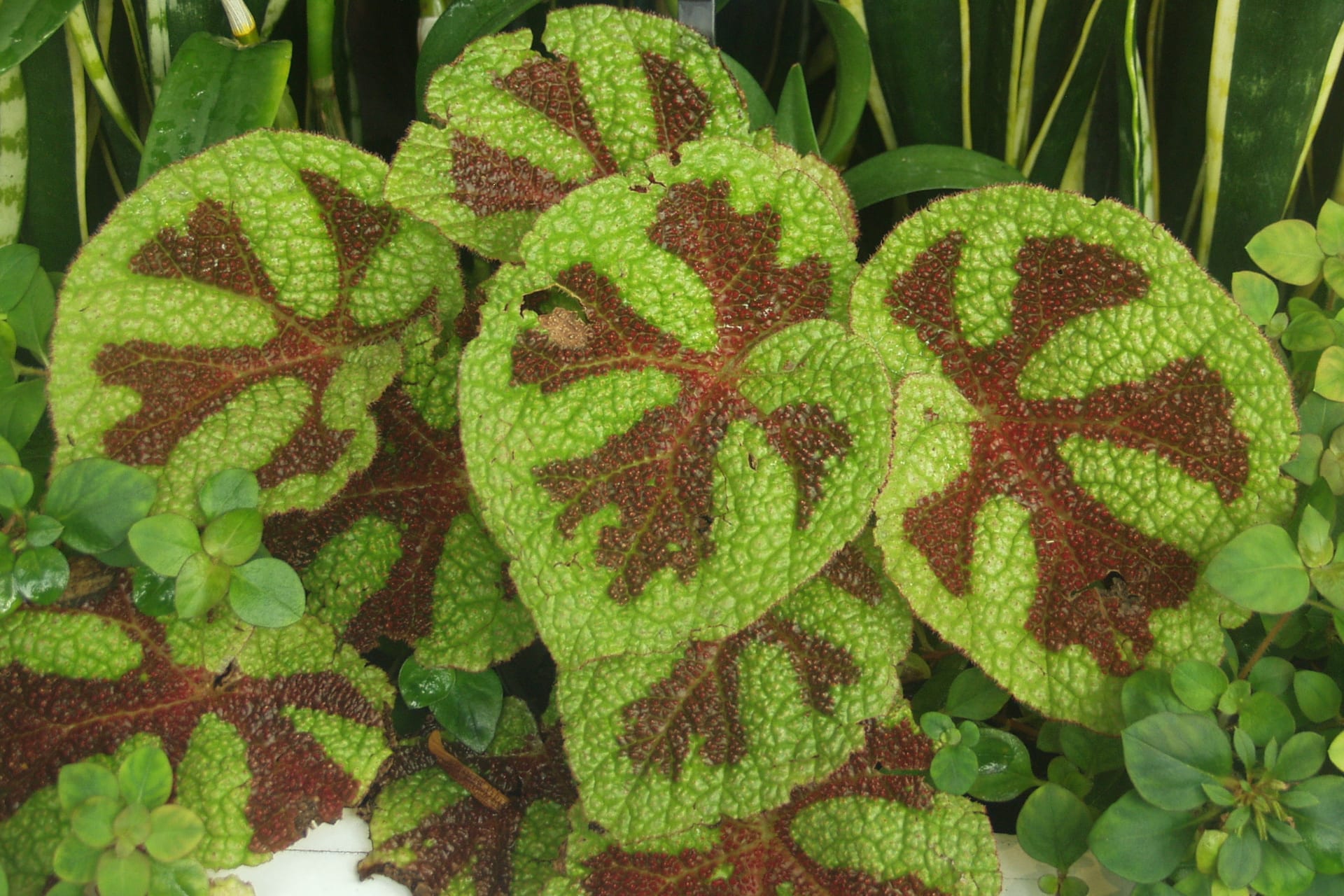
Begonia masoniana is a rhizomatous begonia named for the dark brown, cross-shaped marking that sits at the center of each wrinkled green leaf — the pattern behind its English name, Iron Cross Begonia. The leaf surface is covered in fine texture and reddish hairs, so its look shifts subtly with the light. Native to southern China and northern Vietnam, it's a perennial that grows to about 30–50cm tall. Grown mainly for the sculptural beauty of its foliage rather than flowers, it suits anyone looking for a distinctive houseplant with real character. It's generally considered a variety for intermediate growers, which makes the process of raising it part of the appeal.
View Iron Cross Begonia encyclopedia →0% commission on your first sales!Register by September 30, 2026 and your first 2 plants are commission-free!
Grower Wanted!
List your plants on GrowerDirect and sell directly to customers nationwide!
6 Transparency Commitments from GrowerDirect
Every Grower selling Foliage Plants provides complete transparency: variety, origin, light requirements, and care difficulty.
- Variety Information
- Real Photos
- True Colors
- Origin Information
- Light Requirements
- Care Difficulty
Browse all 139 varieties
Light Requirements
Care Difficulty
Verified growers wanted for Foliage Plants
Growers are signing up now ahead of launch. Subscribe to be notified when new listings go live.
Getting alerts is free with a member account. When new listings match your saved search, we'll notify you by email and in-app.
Browse other categories
Verified growers (preview)
Are you growing foliage plants?
Register as a grower and connect with buyers directly.
Apply as a growerIron Cross Begonia key facts
- Growing Difficulty
- Intermediate
- Lifespan
- Perennial
- Size
- 30-50 cm tall
- Temperature
- 21〜23℃
- Watering
- Dilute liquid feed in the growing season
- Light & Placement
- Bright indirect or filtered light, such as an east, south or west window.
- Watering
- Keep evenly moist while growing; when growth slows, let the surface nearly dry before watering. Keep water off the leaves.
- Temperature & Overwintering
- Prefers about 21-23°C and will not survive below about 13°C. Keep it in a warm room in winter.
- Soil & Repotting
- Use a moisture-retentive mix but avoid waterlogging. Raise humidity by standing the pot on a tray of wet gravel.
- Propagation
- Propagate by stem or leaf cuttings.
- Pests & Cautions
- Keeping the leaves dry helps prevent powdery mildew. Also watch for bacterial leaf spot, crown rot, aphids, mealybugs and spider mites. Begonias contain soluble oxalates that can cause vomiting and drooling in dogs and cats.
About Iron Cross Begonia
Begonia masoniana, the Iron Cross Begonia, is known for the dark cross-shaped mark on its wrinkled, hair-covered leaves. A rhizomatous perennial reaching 30–50cm, it's an intermediate-level houseplant grown for its distinctive foliage.
7 things to know before growing Iron Cross Begonia
1Bright, Indirect Light
Bright, indirect light suits this begonia best — direct sun can scorch its textured leaves. Too much sun can also dull the contrast of the cross-shaped pattern, while a spot that's too dark leaves the coloring weak. Aim for somewhere between a sheer curtain and a shaded windowsill.
2Adjust Watering by Season
Keep the mix evenly moist while it is actively growing, and when growth slows, water once the surface is nearly dry. Wet leaves invite powdery mildew, so water at the base rather than over the foliage.
3Moisture-Retentive Soil
Use a moisture-retentive mix, but avoid waterlogging. If humidity is low, set the pot on a tray of wet gravel.
4Plant the Rhizome Shallow
The rhizome of Begonia masoniana spreads horizontally along the soil surface, so it does best in a shallow pot rather than being planted deep. Once the rhizome reaches the edge of the pot, it's time to move it into a slightly larger, similarly shallow container. Handle the rhizome gently when repotting, loosening the soil rather than pulling at it.
5Warmth and Humidity in Winter
This begonia is cold-sensitive, so keep it in a warm spot indoors through winter and away from cold windowsills or drafts. Rather than misting the leaves directly, raising humidity around the plant — with a humidifier or a pebble tray — helps it through dry spells. Growth slows in the cooler months, so ease off on watering frequency as well.
6Choosing a Healthy Plant
When choosing a plant, look for one with plenty of leaves showing a crisp, well-defined cross pattern — that's the look this variety is known for. Check that the leaves are free of dark blotches or water-soaked patches, and that the rhizome feels firm. Even a plant with fewer leaves will fill out over time as long as the rhizome itself is healthy.
7Propagating by Leaf or Division
Propagation is usually done by leaf cuttings or rhizome division. For leaf cuttings, nick the main veins of a leaf and lay it flat on soil — new plantlets emerge from the cuts. Division involves cutting a rhizome that has grown long enough into sections, each planted in its own pot, which tends to establish as a new plant more quickly.
Frequently asked questions about Iron Cross Begonia
- Q.Is this begonia suitable for beginners?
- A.Begonia masoniana is generally considered a variety for intermediate growers, since watering and placement need a bit of fine-tuning. That said, anyone with some houseplant experience should be able to manage it once they get the basics down.
- Q.Does it produce flowers?
- A.Under good growing conditions it can produce small whitish flowers, though this variety is grown mainly for its leaf pattern and texture rather than its blooms. Focusing your care on leaf health, rather than trying to encourage flowering, tends to keep it looking its best.
- Q.Does the cross-shaped pattern change as the plant grows?
- A.The intensity and contrast of the cross pattern can shift somewhat depending on the plant's condition and how much light it receives. Strong light or prolonged dryness can make the pattern look faded, so keeping placement and watering consistent helps preserve its markings.
- Q.Why are the leaves turning brown and dying back?
- A.This can happen from overwatering and root rot, from letting the soil dry out too much, or from leaf scorch caused by direct sunlight. Start by checking the soil moisture and light exposure, and remove any damaged leaves while you adjust conditions.
- Q.Can it be kept alongside other houseplants?
- A.Since it shares a preference for bright indirect light and moderate humidity with many houseplants, it can usually be grouped with others in a similar spot. It dislikes staying too wet, though, so it's safer to water it separately from plants that need more frequent watering.
Handy Growing Tools for Iron Cross Begonia
Learn more about Iron Cross Begonia in the encyclopedia
View Iron Cross Begonia encyclopedia entry →
Care difficulty, size, origin and light needs — all basics covered.
More in this category
Can't find the plant you're looking for?
Post your wishes for free and growers with matching plants will contact you with introductions.