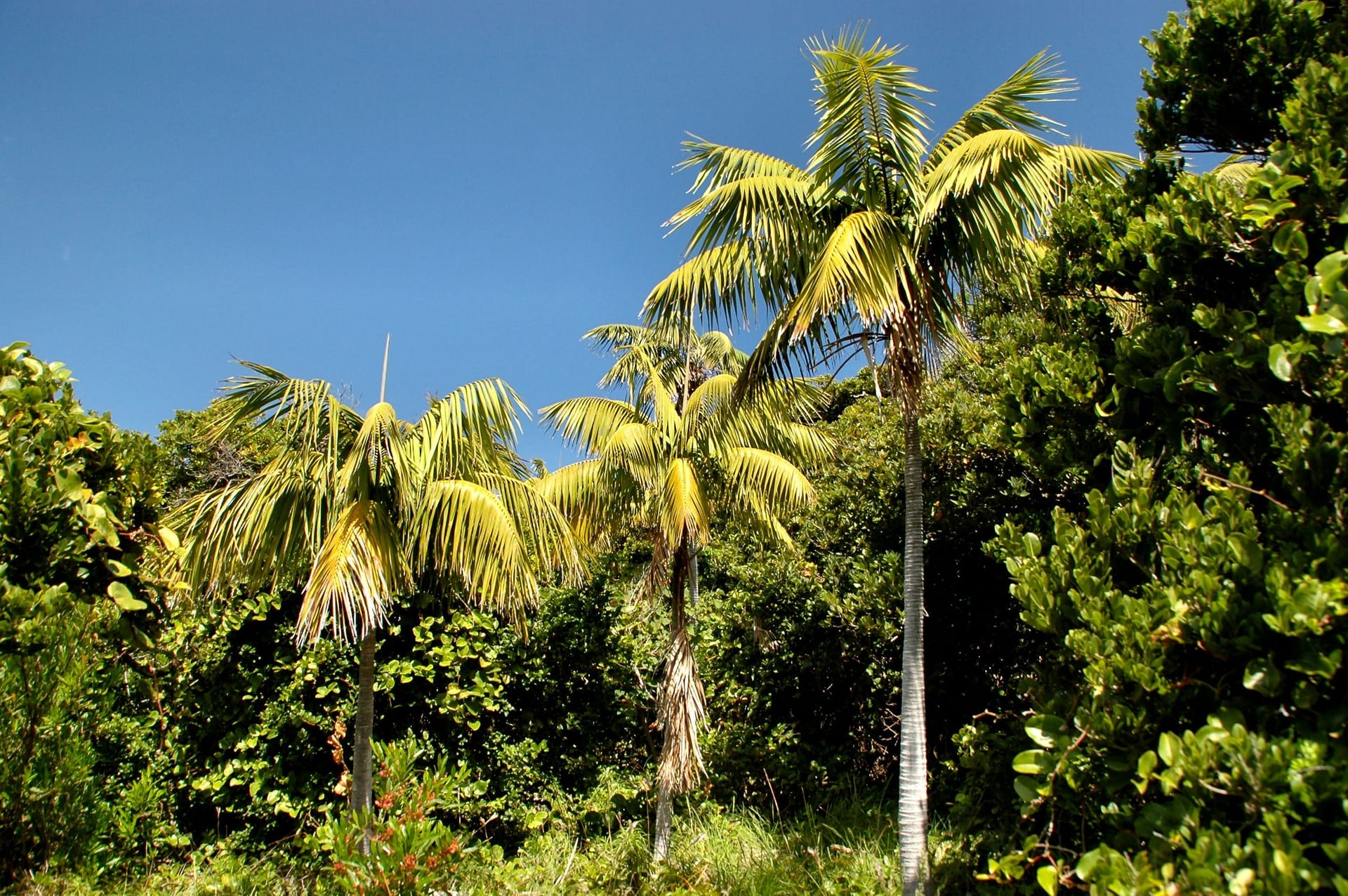
 © Black Diamond Images / CC BY 2.0
Kentia Palm
The Kentia Palm is the classic indoor palm, prized for the graceful, arching fronds it sends out from a single slender trunk. Native only to Lord Howe Island off the coast of Australia, it has evolved to handle the low light and dry air typical of indoor spaces, which is why it's considered easy enough for beginners. As a long-lived evergreen, it can be part of a home for many years. In the wild it can reach 10 meters tall with a 6-meter spread, but potted specimens grow slowly and stay a comfortable size for indoor rooms. Its soft, fountain-like silhouette, with fronds curving outward rather than standing stiffly upright, adds a relaxed elegance to any space.
View Kentia Palm encyclopedia →0% commission on your first sales!Register by September 30, 2026 and your first 2 plants are commission-free!
Grower Wanted!
List your plants on GrowerDirect and sell directly to customers nationwide!
6 Transparency Commitments from GrowerDirect
Every Grower selling Foliage Plants provides complete transparency: variety, origin, light requirements, and care difficulty.
- Variety Information
- Real Photos
- True Colors
- Origin Information
- Light Requirements
- Care Difficulty
Browse all 139 varieties
Light Requirements
Care Difficulty
Verified growers wanted for Foliage Plants
Growers are signing up now ahead of launch. Subscribe to be notified when new listings go live.
Getting alerts is free with a member account. When new listings match your saved search, we'll notify you by email and in-app.
Browse other categories
Verified growers (preview)
Are you growing foliage plants?
Register as a grower and connect with buyers directly.
Apply as a growerKentia Palm key facts
- Growing Difficulty
- Beginner-friendly
- Lifespan
- Perennial evergreen (long-lived)
- Size
- Up to 10 m tall and 6 m wide with 3 m fronds in the wild; slow growing and manageable indoors
- Watering
- Sparing: occasional houseplant fertiliser, or a little slow-release feed
- Light & Placement
- Tolerates low light well, but a bright indoor spot out of direct sun is best. Avoid direct sun if moved outdoors.
- Watering
- Do not let the mix dry out completely. It tolerates some drought, but avoid poorly drained, soggy conditions.
- Temperature & Overwintering
- Temperatures comfortable for people suit it. It is not cold hardy, so in winter keep it in a warm room away from cold draughts.
- Soil & Repotting
- Use a well-drained, humus-rich mix that does not dry out. Growth is slow, so repotting is infrequent.
- Fertiliser
- Feed sparingly with houseplant fertiliser; slow-release feed is ideal. Dead tips on older leaflets can signal potassium deficiency, and distorted new leaves boron deficiency.
- Propagation
- It is single-stemmed and produces no suckers, so it cannot be divided; propagation is from seed.
- Pests & Cautions
- Watch for spider mites, mealybugs, scale and fungal leaf spot. It is listed as non-toxic to dogs and cats.
About Kentia Palm
Kentia Palm is a classic indoor palm with graceful, arching fronds. Native to Australia, it tolerates low light and dry air, making it an easy, long-lived choice for beginners.
7 things to know before growing Kentia Palm
1Choose a Bright Shade Spot
Kentia Palms naturally grow under a forest canopy, so they prefer bright, indirect light rather than direct sun. A spot near a window with a sheer curtain works well, keeping the fronds from scorching. Because they tolerate low light, they can also be placed a little further from a window and still do fine.
2Water When Soil Dries
Water thoroughly, until it drains from the bottom of the pot, but wait until the topsoil has dried out before doing so again. The plant tolerates dry air well, but constantly soggy soil can harm the roots, so empty any water left in the saucer. In winter, growth slows, so it's fine to let the soil dry out a bit longer between waterings.
3Use Well-Draining Soil
Good drainage is essential to prevent root rot. A standard houseplant potting mix, lightened with perlite for extra airflow, helps the roots stay healthy. Adding a layer of drainage material at the bottom of the pot also keeps excess water from pooling around the roots.
4Repot Every 2-3 Years
Because Kentia Palms grow slowly, repotting once every two to three years is usually enough. Roots showing through the drainage holes or slower drainage than before are good signs it's time. Spring to early summer, when temperatures are stable and growth is active, is the best window to repot.
5Adjust for the Seasons
As a long-lived evergreen, the Kentia Palm keeps its fronds year-round, but small seasonal adjustments help it stay healthy. In summer, good air circulation keeps it comfortable, while in winter it's important to watch for both cold drafts and the dry air from heating. Keep it out of the direct airflow from air conditioners or heaters.
6Check Leaves and Trunk
Look for a plant with firm, deep-green fronds and no dried or browning tips, as this makes it easier to care for afterward. It's also worth checking that the trunk feels stable at the base and that the soil surface is free of mold or pests. A plant with plenty of fronds and a balanced shape will also look its best on display.
7Embrace Slow Growth
Kentia Palms grow slowly, so indoors they stay far more compact than the large specimens found in their native habitat. This means less frequent repotting or pruning, and once you've found a good spot, you can enjoy the same look for years. It's best approached with a bit of patience, appreciating the gradual changes over time.
Frequently asked questions about Kentia Palm
- Q.Can beginners grow a Kentia Palm?
- A.Yes, the Kentia Palm is generally considered an easy plant for beginners. It tolerates low light and dry indoor air well, so it's forgiving even for those new to growing houseplants.
- Q.Will it outgrow my room?
- A.In its native habitat it can reach around 10 meters, but as a potted plant it grows slowly and stays a manageable size for indoor spaces. Repotting every few years is enough to keep it comfortable as it develops.
- Q.Is it okay for a room with little natural light?
- A.Kentia Palms tolerate low light well, making them suitable for rooms that don't get much direct sun. That said, they still do best with some brightness, such as light filtered through a sheer curtain, rather than a completely dark corner.
- Q.How long does a Kentia Palm live?
- A.The Kentia Palm is a long-lived, evergreen perennial. With a suitable spot and consistent watering, it can be kept as a houseplant for many years.
- Q.Is it a problem that the fronds arch downward?
- A.No, the graceful arching shape of the fronds is completely natural for this species. Fronds curving outward in an arc from a single trunk, rather than standing upright, is simply the Kentia Palm's characteristic form.
Handy Growing Tools for Kentia Palm
Learn more about Kentia Palm in the encyclopedia
View Kentia Palm encyclopedia entry →
Care difficulty, size, origin and light needs — all basics covered.
More in this category
Can't find the plant you're looking for?
Post your wishes for free and growers with matching plants will contact you with introductions.