 © Rudolphous / CC BY-SA 4.0
Anthurium regale
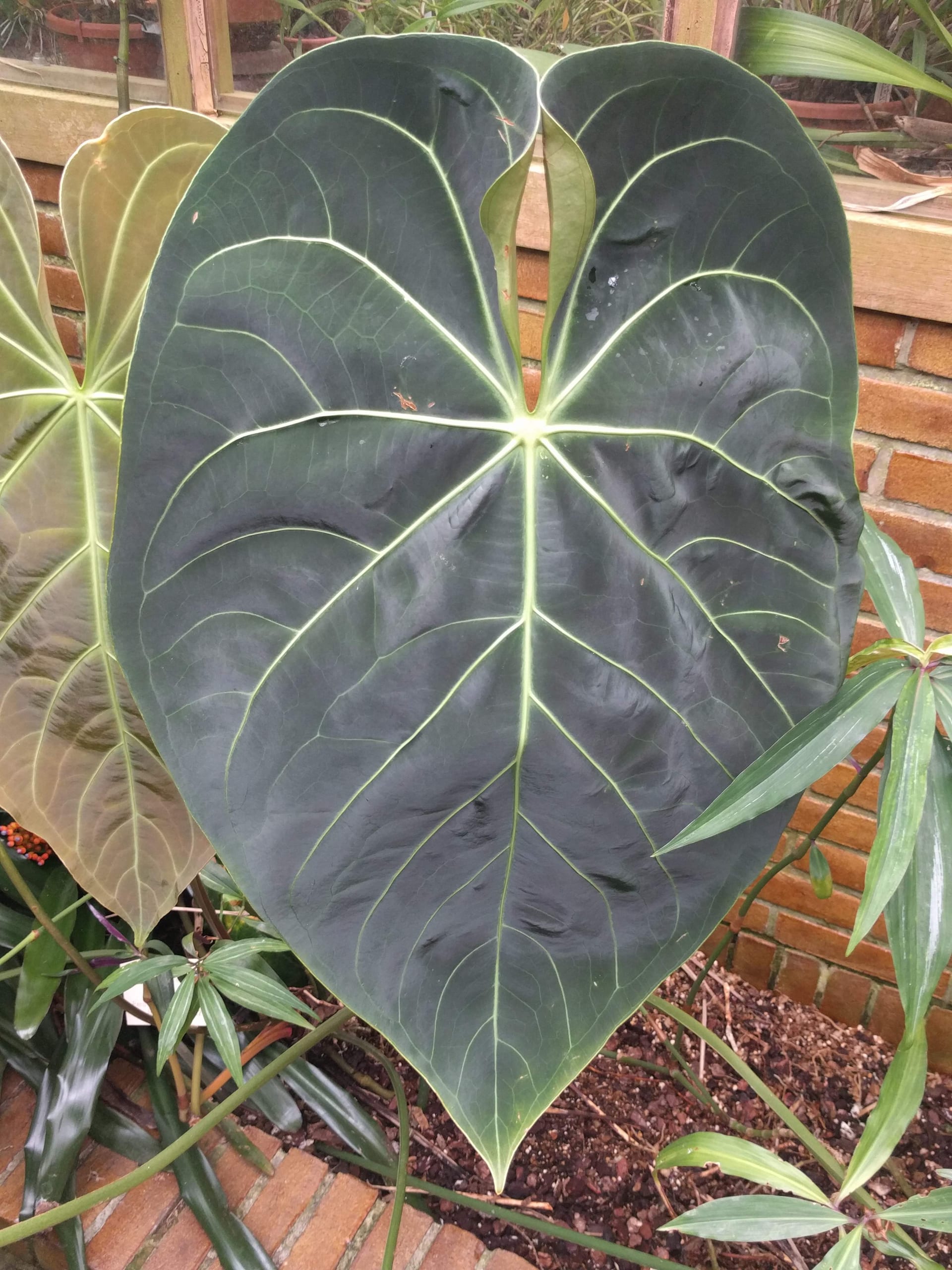
Anthurium regale is a striking foliage plant native to Peru, prized for its large, heart-shaped leaves. The leaf surface has a subtle velvety texture, with white veins tracing the midrib and lateral veins in bold contrast. Those lateral veins curve along the leaf margin and converge with the midrib near the tip, creating a distinctive venation pattern. According to the original description, the leaf blade reaches 30 to 40 cm in length with a petiole of 30 to 35 cm, so mature plants develop real presence. As a long-lived perennial suited to intermediate growers, it's a rewarding choice for anyone with some houseplant experience looking to take on something a bit more special.
View Anthurium regale encyclopedia →0% commission on your first sales!Register by September 30, 2026 and your first 2 plants are commission-free!
Grower Wanted!
List your plants on GrowerDirect and sell directly to customers nationwide!
6 Transparency Commitments from GrowerDirect
Every Grower selling Foliage Plants provides complete transparency: variety, origin, light requirements, and care difficulty.
- Variety Information
- Real Photos
- True Colors
- Origin Information
- Light Requirements
- Care Difficulty
Browse all 139 varieties
Light Requirements
Care Difficulty
Verified growers wanted for Foliage Plants
Growers are signing up now ahead of launch. Subscribe to be notified when new listings go live.
Getting alerts is free with a member account. When new listings match your saved search, we'll notify you by email and in-app.
Browse other categories
Verified growers (preview)
Are you growing foliage plants?
Register as a grower and connect with buyers directly.
Apply as a growerAnthurium regale key facts
- Growing Difficulty
- Intermediate
- Lifespan
- Perennial
- Size
- Blades 30-40 cm long; petioles 30-35 cm (original description)
- Temperature
- 15〜27℃
- Watering
- Dilute liquid feed in the growing season
- Light & Placement
- Bright light without direct sun; the velvety leaves are easily damaged by strong light.
- Watering
- Water when the surface dries; constantly wet roots lead to rot.
- Temperature & Overwintering
- Temperatures in its habitat stay at about 15-27°C. Avoid sudden changes and keep it warm and humid indoors in winter.
- Soil & Repotting
- Use an airy, free-draining mix with bark chips or pumice.
- Propagation
- Propagate by division, stem cuttings or seed.
- Pests & Cautions
- Leaf tips suffer in low humidity. Anthuriums contain calcium oxalate crystals; chewing causes mouth pain, swelling and drooling. Keep out of reach of pets and small children.
About Anthurium regale
Anthurium regale is a Peru-native foliage plant with heart-shaped leaves and striking white veins. A perennial suited to intermediate growers—here's what to know before you start.
7 things to know before growing Anthurium regale
1Prefers Bright, Indirect Light
Anthurium regale thrives in bright, indirect light, similar to what you'd get behind a sheer curtain, and should be kept out of direct sun. Strong direct sunlight can scorch the leaves, so position it near a window where direct rays don't reach. A bright spot indoors is usually enough for healthy growth.
2Water When the Soil Dries
Wait until the surface of the soil feels dry before watering thoroughly, letting water drain freely from the bottom of the pot. Constantly soggy soil can lead to root rot, so avoid overwatering. Misting the leaves during dry periods helps keep the plant looking its best.
3Use Well-Draining Soil
In the wild, Anthurium regale roots into the forest floor. In cultivation, use a well-draining, airy mix with bark chips and pumice, and avoid heavy soils that stay wet.
4Repot When Roots Fill the Pot
Roots emerging from the drainage holes or slower drainage are signs it's time to repot. Move the plant into a slightly larger pot during its active growing season, handling the roots gently. Keep it out of direct sun in a bright spot for a while after repotting.
5Likes Warmth and Humidity
Native to Peru, Anthurium regale prefers warm, humid conditions. Cold temperatures and dry winter air can slow its growth, so keep it indoors where temperatures stay stable, and use a humidifier or regular misting to maintain humidity.
6Check Leaves and Base
When choosing a plant, look for leaves that are free of damage or discoloration, with clear white veining. Also check that the base is sturdy and well-rooted, which makes the plant easier to care for going forward.
7Wipe Leaves Gently
Dust that builds up on the large leaves can interfere with photosynthesis. Wipe the leaf surface gently with a soft cloth to preserve its velvety texture and the beauty of the white veins. Avoid rubbing too hard, as this can damage the leaves.
Frequently asked questions about Anthurium regale
- Q.Where is Anthurium regale originally from?
- A.It's native to Peru. The species is known for its large, heart-shaped leaves and the striking white veining that stands out against the leaf surface.
- Q.Is it suitable for beginners?
- A.Its cultivation difficulty is rated as intermediate, so it suits growers who already have some houseplant experience. If you're comfortable with basic watering and light placement, it's a manageable plant to take on.
- Q.How large does it grow?
- A.According to the original description, the leaf blade reaches 30 to 40 cm in length, with a petiole of 30 to 35 cm. Mature plants develop large, heart-shaped leaves with real presence.
- Q.What's distinctive about the white veining on the leaves?
- A.White veins trace boldly along the midrib and lateral veins. The lateral veins curve along the leaf margin and converge with the midrib near the tip, forming a distinctive venation pattern.
- Q.How long can you keep growing this plant?
- A.As a perennial, Anthurium regale can be grown and enjoyed over many years with proper care. Adjusting its placement and watering with the seasons helps keep it healthy long-term.
Handy Growing Tools for Anthurium regale
Learn more about Anthurium regale in the encyclopedia
View Anthurium regale encyclopedia entry →
Care difficulty, size, origin and light needs — all basics covered.
More in this category
Can't find the plant you're looking for?
Post your wishes for free and growers with matching plants will contact you with introductions.