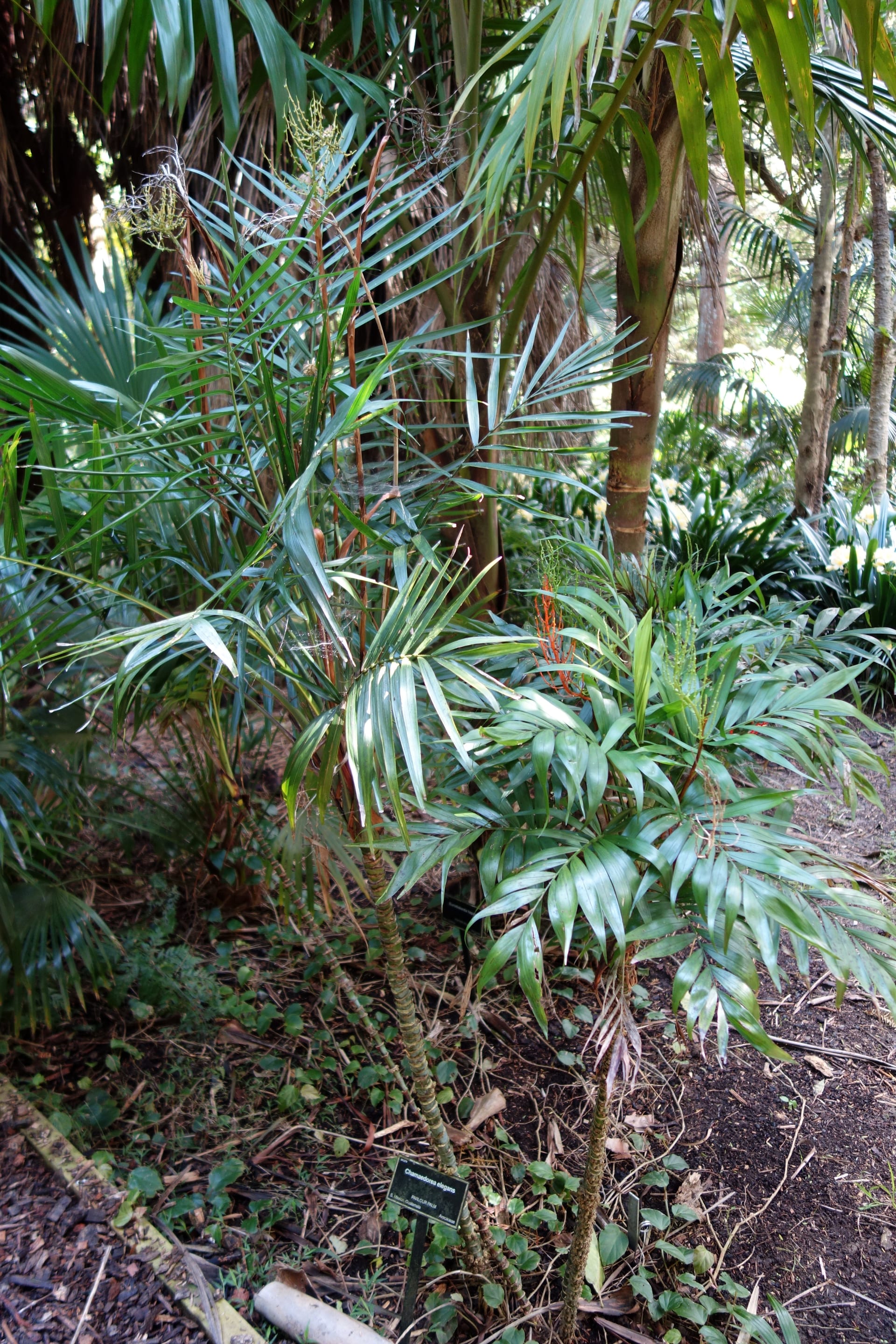
 © Daderot / CC0
Parlor Palm
Parlor Palm is a compact, delicate-looking palm with slender green stems and feathery fronds lined with narrow leaflets. It's remarkably tolerant of dim interiors and dry indoor air, making it a great fit for rooms that don't get much direct sunlight. With a low difficulty rating, it's an approachable choice for first-time houseplant owners. Its slow, tidy growth habit keeps the plant looking neat over time, and it's generally considered safe to have around dogs and cats. It's sold in sizes ranging from small tabletop specimens to larger floor plants, so there's a size to suit almost any spot in your home.
View Parlor Palm encyclopedia →0% commission on your first sales!Register by September 30, 2026 and your first 2 plants are commission-free!
Grower Wanted!
List your plants on GrowerDirect and sell directly to customers nationwide!
6 Transparency Commitments from GrowerDirect
Every Grower selling Foliage Plants provides complete transparency: variety, origin, light requirements, and care difficulty.
- Variety Information
- Real Photos
- True Colors
- Origin Information
- Light Requirements
- Care Difficulty
Browse all 139 varieties
Light Requirements
Care Difficulty
Verified growers wanted for Foliage Plants
Growers are signing up now ahead of launch. Subscribe to be notified when new listings go live.
Getting alerts is free with a member account. When new listings match your saved search, we'll notify you by email and in-app.
Browse other categories
Verified growers (preview)
Are you growing foliage plants?
Register as a grower and connect with buyers directly.
Apply as a growerParlor Palm key facts
- Growing Difficulty
- Beginner-friendly
- Lifespan
- Perennial (evergreen)
- Size
- About 0.6-1.5 m in pots; around 2 m outdoors in warm climates
- Watering
- Occasionally in the growing season; none in winter
- Light & Placement
- Bright indirect light is best, though it tolerates low light. A north- or east-facing window suits it.
- Watering
- In a well-drained mix, water once the surface has dried slightly. It tolerates short dry spells but grows more lushly in moist soil. Avoid overwatering.
- Temperature & Overwintering
- Protect it from cold draughts from windows, doors and vents. Keep it in a warm room in winter.
- Soil & Repotting
- Use a humus-rich houseplant or container mix. Repot only when needed; every other year is usually enough.
- Fertiliser
- Feed occasionally in the growing season and not in winter.
- Pests & Cautions
- Watch for spider mites and mealybugs; misting and wiping the leaves with a damp cloth help prevent them. The plant is listed as non-toxic to dogs and cats, but the fruit pulp can irritate skin.
About Parlor Palm
Parlor Palm is an easy-care, compact houseplant with delicate feathery fronds that tolerates low light and dry indoor air well. Here's how to place, water, and repot it, plus answers to common questions.
7 things to know before growing Parlor Palm
1Choose Bright Shade
Parlor Palm's leaves can scorch in direct sun, so a spot with soft, filtered light behind a sheer curtain works best. It tolerates dim interiors reasonably well, but very low light can cause leggy growth, so place it as close to a window as practical.
2Water When Soil Dries
Wait until the top of the soil feels dry, then water thoroughly until it drains from the bottom of the pot. Overwatering can lead to root rot, so empty any water left in the saucer and avoid keeping the soil constantly damp.
3Use Well-Draining Soil
A standard houseplant potting mix amended with perlite gives roots the drainage they need to stay healthy. Soil that retains too much moisture raises the risk of root rot, so adding drainage material at the bottom of the pot also helps.
4Repot Every 2-3 Years
Because it grows slowly, Parlor Palm doesn't need frequent repotting. When roots start showing through the drainage holes or water drains poorly, move it into a slightly larger pot roughly every two to three years.
5Ease Off Watering in Winter
Growth slows in winter, so the soil dries out more slowly and watering should be reduced accordingly. Leaves can also be damaged by cold drafts near windows, so it helps to move the plant slightly away from the glass on cold nights.
6Check the Leaf Tips
When choosing a plant, look for leaf tips that aren't browned or dried out, and check that the base feels stable rather than loose in the soil. Firm, evenly deep-green fronds are a good sign of a healthy plant.
7Mist to Prevent Dryness
Although Parlor Palm tolerates dry indoor air well, it's best kept away from direct air-conditioner drafts, and occasional misting can help prevent dry leaf tips and discourage spider mites. Wiping dust off the fronds also keeps them photosynthesizing efficiently.
Frequently asked questions about Parlor Palm
- Q.Is Parlor Palm easy for beginners?
- A.Yes, Parlor Palm is a hardy, low-difficulty houseplant that's well suited to first-time growers. It tolerates low light and dry indoor air reasonably well, making it manageable even in rooms with limited sunlight.
- Q.How big does it grow?
- A.Indoors, the stems usually stay under 1.5 meters. Potted plants often have three or more stems planted together, and over time some may be crowded out and die.
- Q.Is it safe to keep around pets?
- A.Parlor Palm is generally considered non-toxic to dogs and cats. That said, individual animals can react differently, so it's a good idea to consult a veterinarian if you have any concerns.
- Q.How often should I water it?
- A.Rather than following a fixed schedule, water thoroughly whenever the surface of the soil feels dry, until water drains from the bottom of the pot. How quickly the soil dries depends on the season and location, so adjust based on what you observe.
- Q.How long does it live, and can it be grown long-term?
- A.Parlor Palm is an evergreen perennial that can be enjoyed for many years with proper care. Since it grows slowly, patience with repotting and adjusting its placement over time pays off.
Handy Growing Tools for Parlor Palm
Learn more about Parlor Palm in the encyclopedia
View Parlor Palm encyclopedia entry →
Care difficulty, size, origin and light needs — all basics covered.
More in this category
Can't find the plant you're looking for?
Post your wishes for free and growers with matching plants will contact you with introductions.