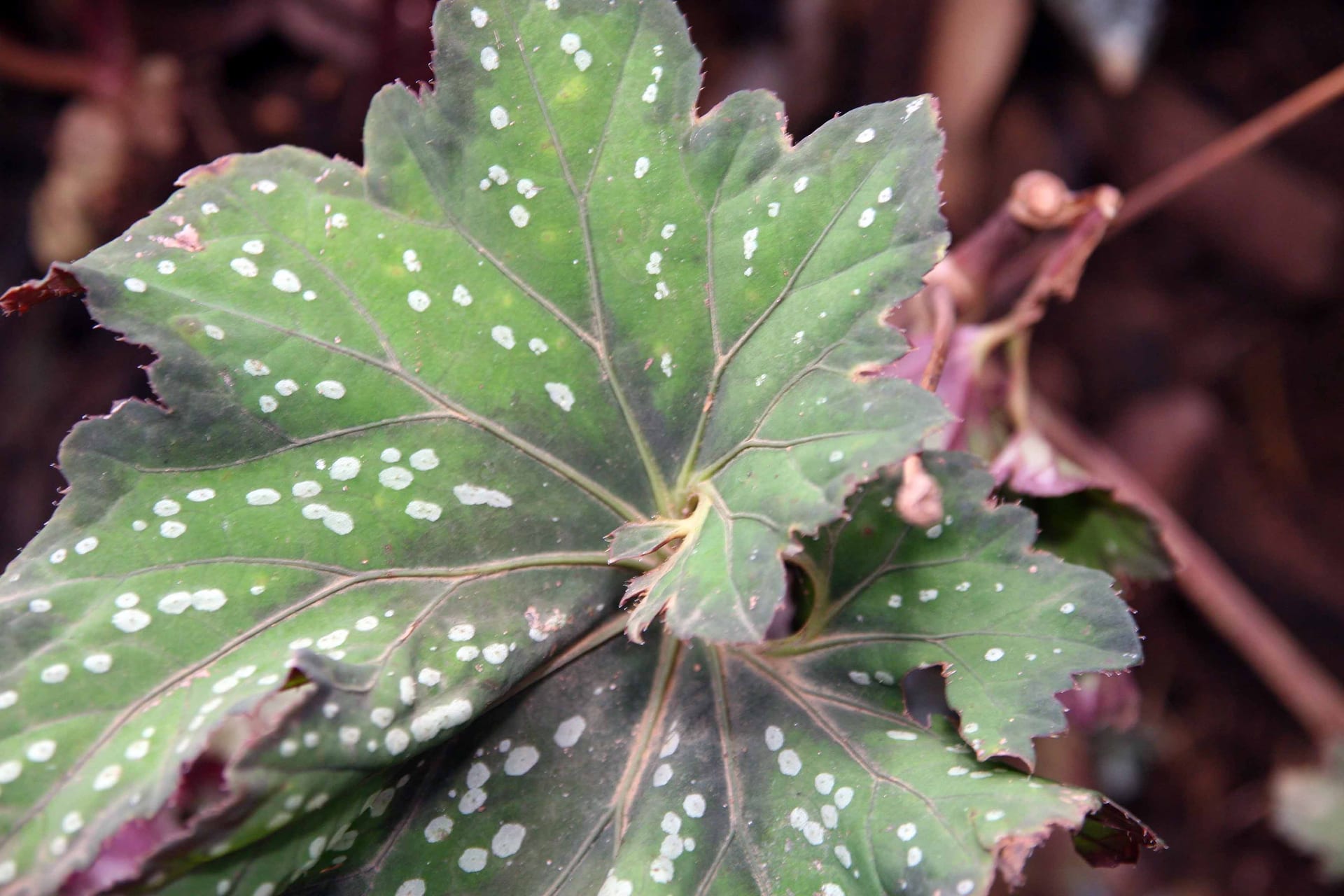
Source: Wikimedia Commons
Rex Begonia
IntermediateBegonia Rex Cultorum Group
A group of rhizomatous hybrid begonias grown for leaves patterned in silver, red, purple and green. Over 500 cultivars descend from Begonia rex, varying widely in leaf shape and colour.
About
Rex begonias (Begonia Rex Cultorum Group) are rhizomatous hybrid begonias that all include the species Begonia rex in their parentage. B. rex is native to the eastern Himalaya, from southern Bhutan to northern Myanmar, and reached England from Assam in 1857, becoming popular for its dark leaves with silvery-grey bands. Because it hybridises freely, breeding started early, with species such as B. annulata, B. decora, B. diadema, B. dregei, B. palmata and B. xanthina also used, and there are now more than 500 cultivars. Molecular work suggests B. rex itself is one member of a complex of closely related species. Cultivars differ widely in leaf shape, colour and size, and also in how easy they are to grow. Flowers are small; the plants are grown for their foliage. The cross-marked B. masoniana is not a Rex begonia but belongs to another section. Many named cultivars are sold in Japanese garden centres and online.
Source: Wikipedia (CC BY-SA 4.0)
Size of the Rex Begonia
The Rex Begonia grows to About 30-45 cm tall and wide.
Temperature & humidity for the Rex Begonia
The ideal temperature for the Rex Begonia is 16〜21℃.
Basic Info
Origin
Hybrid group (the species B. rex is from the eastern Himalaya)
Lifespan
Perennial
Size
About 30-45 cm tall and wide
Temperature
16〜21℃
Humidity
50〜70%
Watering & Fertilizer
Weak liquid feed about every two weeks in growth; taper in autumn and stop in winter
Growing Tips
Light & Placement
Give plenty of indirect light but avoid hot direct sun. If light comes from one side, turn the pot weekly for an even shape.
Watering
Water when the surface is almost dry and avoid overwatering. Some cultivars go dormant and drop leaves in autumn or winter; water sparingly until new leaves appear in spring.
Temperature & Overwintering
Best at about 21°C by day and 16°C at night; growth stalls below this. Prefers humidity above 50%, and some cultivars need more.
Soil & Repotting
Plant in a light, porous mix in a shallow pot. Repot when the rhizome outgrows the container.
Propagation
Root rhizome cuttings or leaf cuttings. Cutting back an overlong rhizome encourages new leaves.
Pests & Cautions
Wet foliage invites powdery mildew. Begonias contain soluble oxalates, mostly in the underground parts, which can cause vomiting and drooling in dogs and cats. Some named cultivars may be registered under Japan's Plant Variety Protection Act, so check before propagating them for sale or transfer.
Rex Begonia FAQ
QWhat is the growing difficulty level for Rex Begonia?
Intermediate. A variety suitable for intermediate growers. Requires some cultivation experience and knowledge of environment management. Pay careful attention to temperature and humidity control.
QWhat is the ideal temperature for Rex Begonia?
The ideal temperature for Rex Begonia is 16〜21℃. Avoid sudden temperature changes and maintain a stable environment.
QHow large does Rex Begonia get?
The mature size of Rex Begonia is About 30-45 cm tall and wide. This may vary slightly depending on cultivation environment and individual differences.
QHow should I water and fertilize Rex Begonia?
Rex Begonia: watering & fertilizer — Weak liquid feed about every two weeks in growth; taper in autumn and stop in winter. Aim for appropriate frequency and amount.
QWhat is the typical price for Rex Begonia?
The price of Rex Begonia varies significantly by variety, characteristics, size, and lineage. Please check GrowerDirect's price guide for the latest market information.
Last updated: September 23, 2026
References & Sources
Edited & verified by: GrowerDirect Editorial Team
The classifications, regulations, and growing data on this page are created and verified based on the primary information database below.
Primary sources
Taxonomy & Authority
Accepted name: Begonia Rex Cultorum Group (交配品種群。基本種 Begonia rex Putz.)
Synonyms: Begonia ×rex-cultorum
Authority databases: GBIF · GBIF(Begonia rex)
Nomenclature follows global taxonomic authority databases.
Regulations & Conservation Status
Not listed in the CITES Appendices. Not a designated invasive alien species in Japan, nor a nationally rare species under the Act on Conservation of Endangered Species.This page covers a cultivar group rather than a registered variety, but many Begonia varieties are registered in Japan. Named cultivars may be protected, so check the MAFF database before propagating; registered varieties cannot be propagated for sale or transfer without the breeder's permission.
Sources: Species+ (CITES listing check) / Ministry of the Environment: List of Invasive Alien Species / MAFF Plant Variety Registration Database
Regulations may change. Always verify the latest information with the relevant authorities.
Related Species
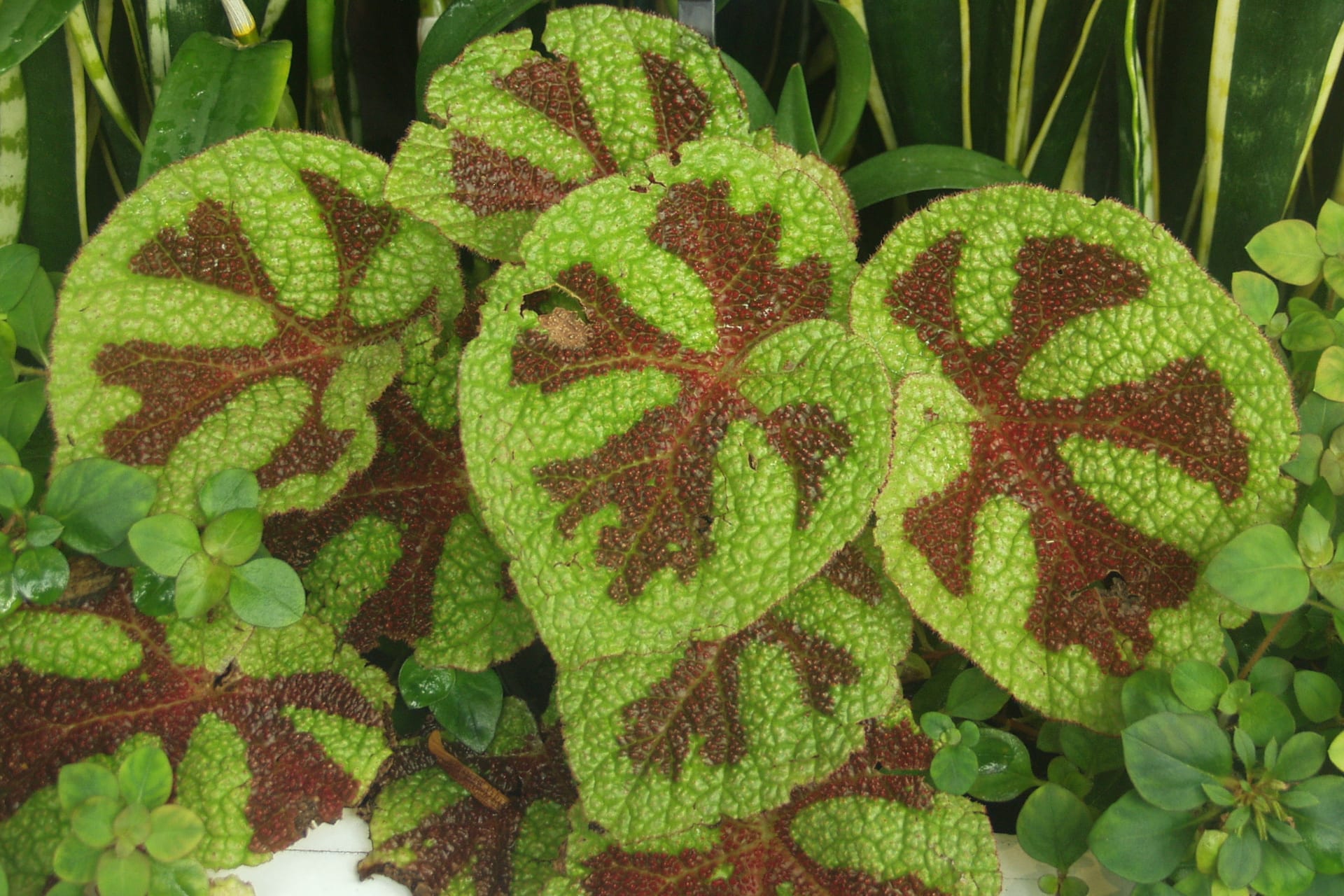
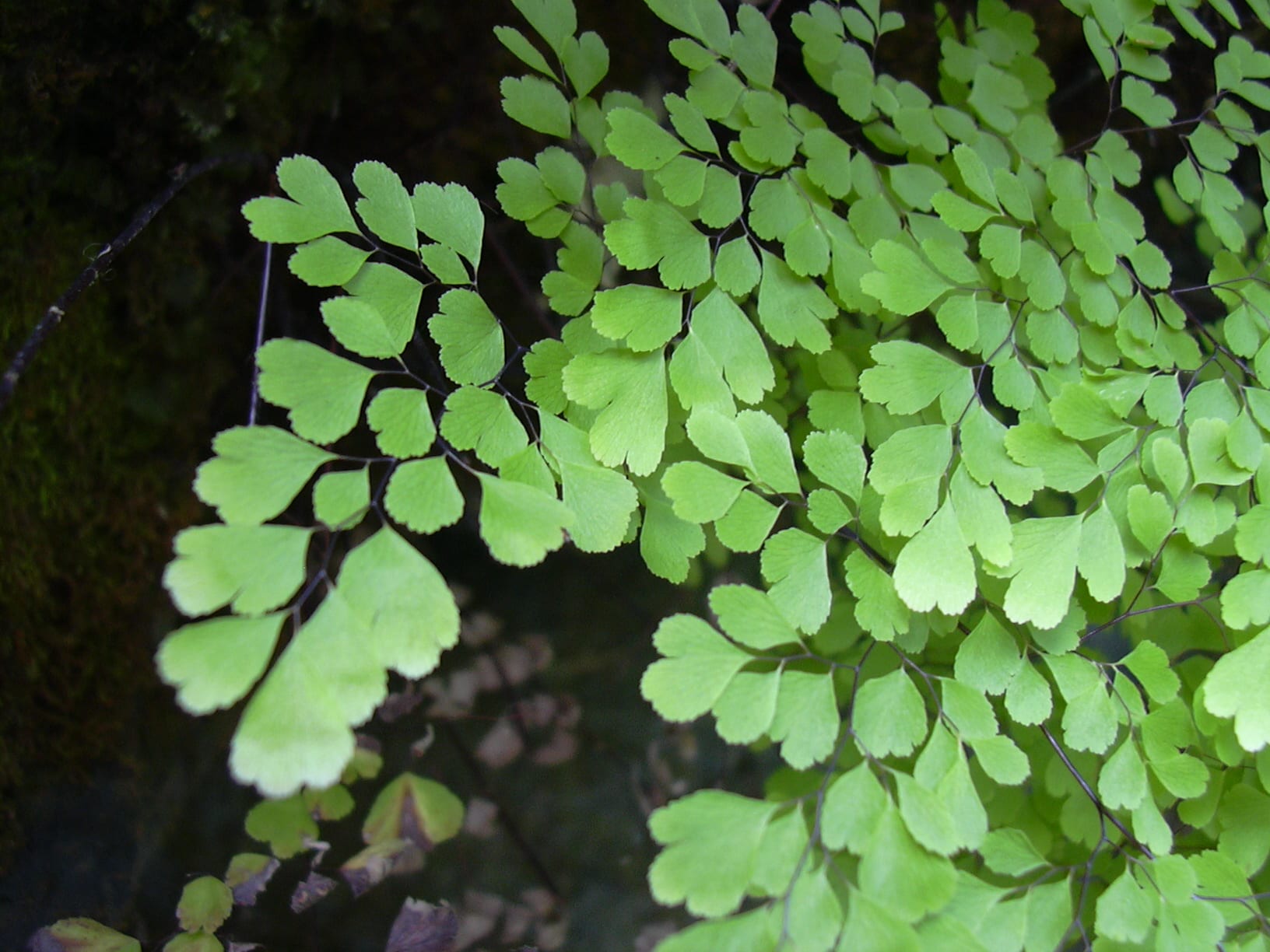
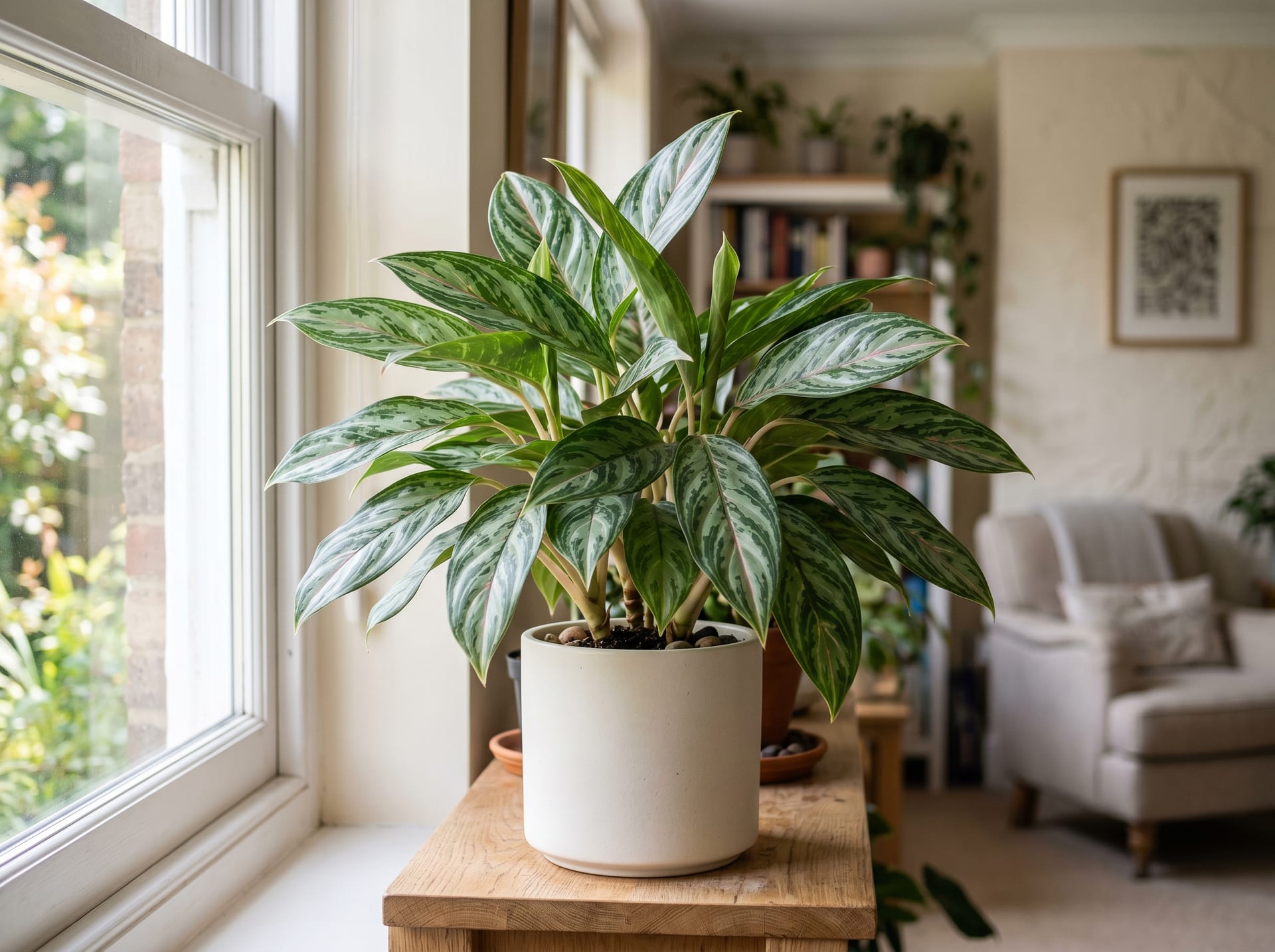
Find listings for this species
Related Articles
Complete Guide to Begonia Types and Care | Tips for Long-Lasting Enjoyment of Foliage Begonias with Beautiful Leaves
Begonias with diverse leaf patterns are appealing. We provide a comprehensive explanation of popular foliage varieties, placement, watering, soil, and division methods for growing them beautifully at home.
Why New Leaves on Foliage Plants Are Smaller — Practical Solutions for Light, Humidity, and Nutrition
We analyze the causes behind stunted growth and smaller new leaves on foliage plants. From light environment and humidity management to fertilization strategy and root health, we explain each factor based on empirical data and introduce methods to restore new leaf size.
Spider Mite and Scale Insect Control: Practical Pest Prevention
Learn to identify spider mites and scale insects on houseplants and recognize damage signs, master practical spider mite control methods, discover effective scale insect elimination techniques, create pest-resistant environments with seasonal management, understand pesticide safety precautions, and discover early detection and prevention strategies.
Root Rot Prevention and Root Zone Regeneration Management in Foliage Plants | Soil Selection, Watering, and Early Diagnosis & Recovery Techniques
Root rot is the greatest threat to foliage plants. This article covers practical knowledge from the mechanisms of root rot development to prevention, early-stage diagnosis and treatment methods, and ensuring long-term plant health through soil and watering management.
🩺 Common diseases
Can't find the plant you're looking for?
Post your wishes for free and growers with matching plants will contact you with introductions.