A Guide to Pet-Safe Houseplants | Plant Varieties Safe for Dogs and Cats
A guide to choosing houseplants for homes with dogs and cats. We cover toxic plants like Pothos and Monstera that require caution, pet-safe recommended varieties, tips for keeping plants out of reach, soil and mulching safety measures, and what to do if your pet accidentally ingests them.
Key Takeaways
A guide to choosing houseplants for homes with dogs and cats. We cover toxic plants like Pothos and Monstera that require caution, pet-safe recommended varieties, tips for keeping plants out of reach, soil and mulching safety measures, and what to do if your pet accidentally ingests them.
Related Species
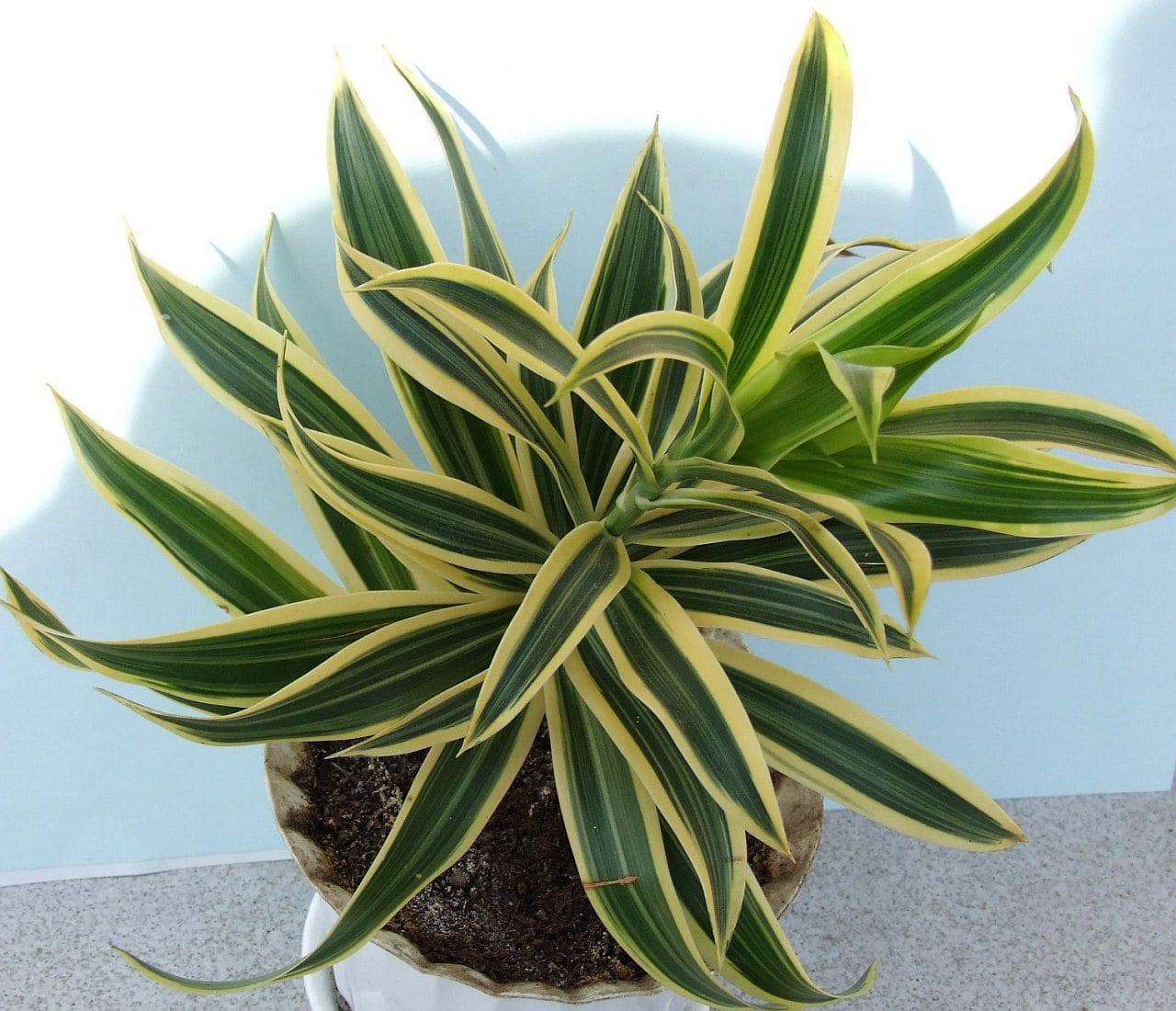
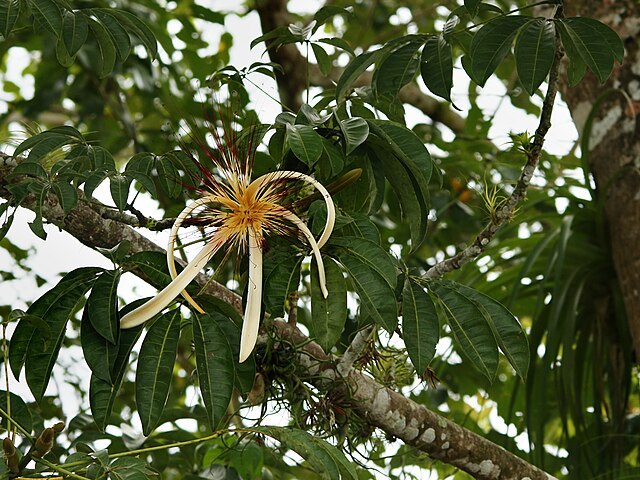
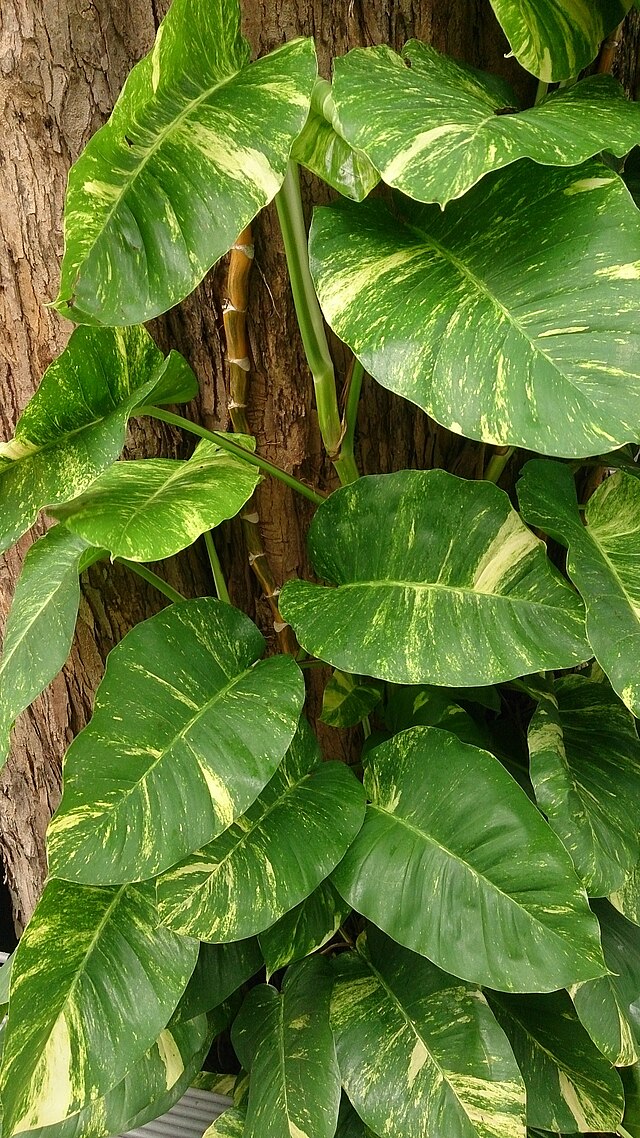
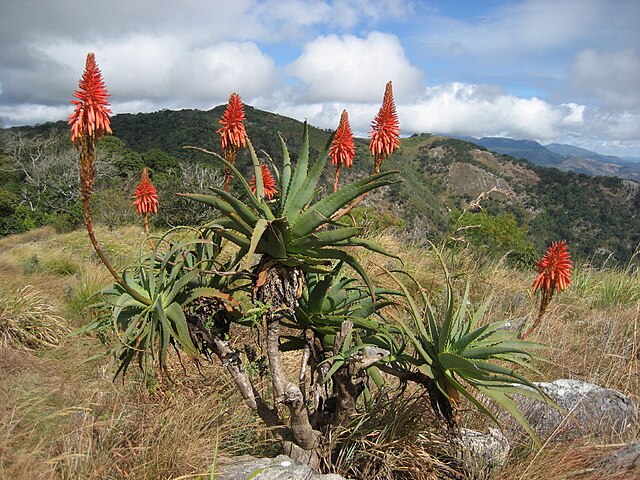
Many people want to enjoy houseplants while living with pets. However, many common houseplants contain toxic compounds that can harm dogs and cats. This guide provides detailed tips for keeping your beloved pet safe while enjoying the beauty of plants in your home.
Plants That Require Caution (Toxic Plants)
First, it's important to know that many popular houseplants pose dangers to pets. The following plants require particular attention:
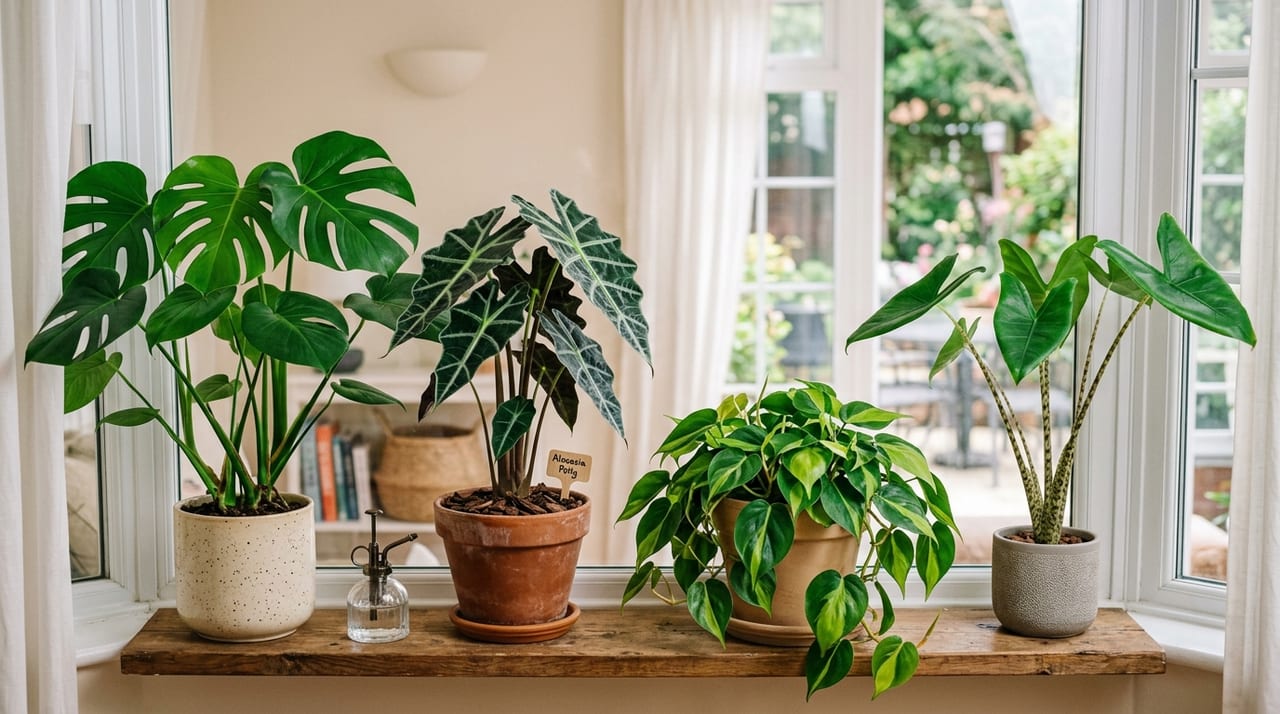
- Pothos: Contains calcium oxalate; when dogs and cats chew it, it causes oral inflammation and vomiting
- Monstera: Like pothos, contains calcium oxalate, which can lead to swelling of the mouth and tongue, and excessive drooling
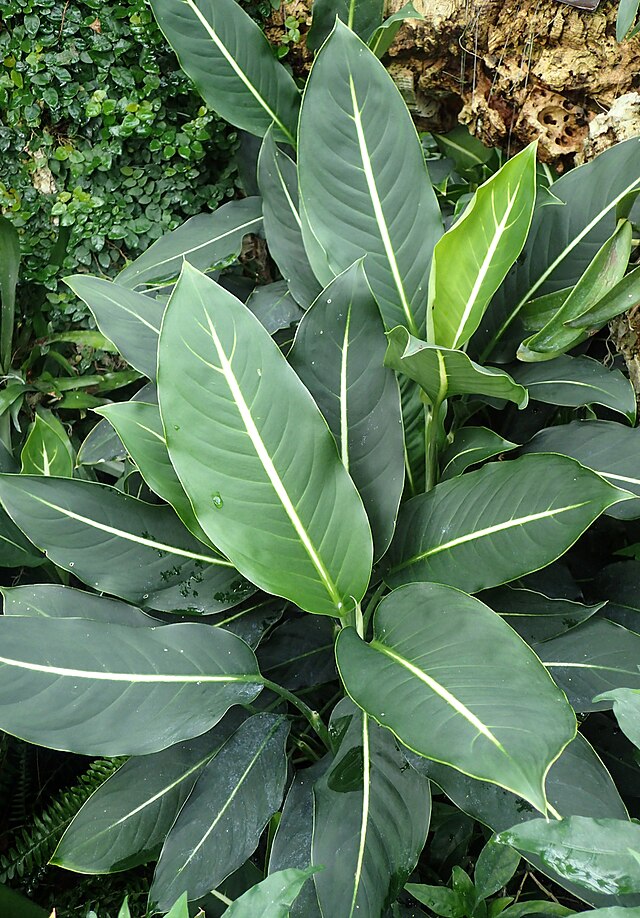
- Dieffenbachia: Also called Dumb Cane; the juice in stems and leaves strongly irritates oral mucous membranes
- Lilies: Extremely dangerous for cats; just licking the pollen can potentially cause acute kidney failure
- Dracaena: Can cause vomiting and loss of appetite in dogs and cats
- Cycad (Sago Palm): All parts are toxic; seeds particularly risk causing liver failure
- Aloe: The rind contains saponins and aloin, which can cause diarrhea and vomiting
For safety, limit these plants to rooms without pets or completely out of reach, or avoid them altogether.
Recommended Pet-Safe Houseplants
We introduce plants safe for households with dogs and cats, focusing on varieties listed as "non-toxic" in the ASPCA toxicity database.
- Everfresh (Red Acacia): Beautiful with delicate leaves and the unique trait of closing them at night. No reports of toxicity make it safe to grow
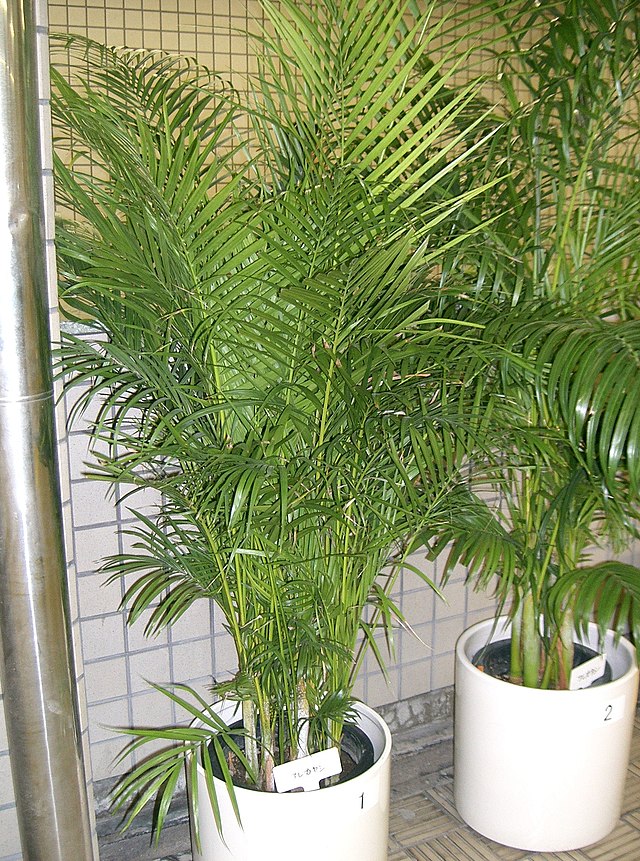
- Areca Palm: A popular palm that evokes a tropical feel; has no toxicity to dogs and cats and offers air-purifying benefits
- Pachira: Popular for its braided trunk, classified as non-toxic by ASPCA, and very easy to grow
- Peperomia: Small with many varieties; cute thick leaves and no reported toxicity to dogs and cats
- Calathea: Houseplant with beautiful leaf patterns; may be chewed as a cat grass alternative but poses little toxicity concern
- Echeveria: A representative succulent; very safe even if accidentally nibbled
- Boston Fern: Can be displayed in hanging pots in high places; a reliable variety with no toxicity
Cats and Dogs Safe vs. Dangerous Plants Reference Table
A quick reference based on ASPCA toxicity data (confirm using scientific names, as common names vary by region):
| Plant | Cat | Dog | Notes |
|---|---|---|---|
| Pachira | ✓ | ✓ | Non-toxic, easy to grow |
| Areca Palm | ✓ | ✓ | Air-purifying effect |
| Everfresh | ✓ | ✓ | ASPCA unlisted, no toxicity reports |
| Peperomia | ✓ | ✓ | Small, many varieties |
| Calathea | ✓ | ✓ | Beautiful leaf patterns |
| Boston Fern | ✓ | ✓ | Ideal for hanging pots |
| Echeveria (succulent) | ✓ | ✓ | High safety rating |
| Pothos | ✗ | ✗ | Contains calcium oxalate |
| Monstera | ✗ | ✗ | Mouth and tongue swelling |
| Dieffenbachia | ✗ | ✗ | Strongly irritates mucous membranes |
| Lilies | ✗ (extremely dangerous) | ✗ | Cats at risk of acute kidney failure from small amounts |
| Cycad (Sago Palm) | ✗ | ✗ | Risk of liver failure |
| Dracaena | ✗ | ✗ | Vomiting and loss of appetite |
| Aloe | ✗ | ✗ | Diarrhea and vomiting |
Lilies are extremely dangerous for cats, as they can be life-threatening even from a small amount.
Placement Strategies Beyond Pet Reach
Even with safe varieties, placement requires careful planning since some pets dig in soil or knock over pots.
- Hanging planters: Hanging from ceiling or wall ensures distance from floor; install in positions cats cannot jump to
- Top of tall shelves or cabinets: Identify places where cats cannot climb, and be careful with furniture arrangements that could serve as jumping platforms
- Wall-mounted planters: Using wall shelves or macramé hangers utilizes wall surfaces effectively
- Dedicated plant shelf: A display case with glass doors ensures both aesthetic appeal and safety
- Terrarium: Growing small plants in a glass container prevents pets from directly touching them
Cats especially can climb high places, so hanging from the ceiling is the most reliable method. Wall-mounted types reduce the risk of cats knocking them down.
Safe Soil and Mulching Practices
Beyond the plant itself, soil and fertilizers pose risks if pets ingest them.
- Mulching with decorative sand or stones: Covering the soil surface prevents dogs and cats from digging; white decorative sand is also visually appealing
- Coco fiber: Laying it on the soil surface reduces pet interest; peace of mind with natural materials
- Fertilizer management: Organic fertilizers have strong odors and dogs may eat them, so it's safer to mix synthetic fertilizers into the soil
- Saucer water: Dogs and cats may drink saucer water where fertilizer has leached; empty frequently or consider using bottom-watering systems that don't require saucers
- Hydroculture: Growing with hydroponic medium instead of soil fundamentally eliminates the soil-digging problem
What to Do if Your Pet Ingests a Plant
No matter how much you plan, there's always a chance your pet will eat a plant. Know these emergency steps:
- Check for symptoms: Watch for vomiting, diarrhea, excessive drooling, oral swelling, loss of appetite, lethargy, and other signs
- Determine what and how much was eaten: Identify the type and quantity of plant consumed as best you can; taking a photo helps when explaining to the veterinarian
- Do not force vomiting: Inducing vomiting without professional guidance can backfire; always follow your veterinarian's instructions
- Contact an animal hospital: Immediately reach out to your regular veterinarian or emergency animal hospital; it's important to tell them the plant name
- Japan Poison Information Center: Professional consultation on poisoning is available; keep this as an emergency contact for peace of mind
If your cat ingests lilies, this is a medical emergency. Even small amounts pose acute kidney failure risk, so seek veterinary care immediately regardless of visible symptoms.
Tips When Choosing Plant Varieties
A checklist for prioritizing pet safety while maintaining indoor beauty:
- Always check ASPCA's toxicity list: Develop a habit of checking ASPCA's official website for toxicity to dogs and cats before purchasing plants
- Confirm using scientific names: Common names vary by region, so checking toxicity using scientific names yields accurate information
- Be especially careful with young pets: Puppies and kittens are curious and tend to put everything in their mouths; particularly careful variety selection is needed
- Provide cat grass: If your cat wants to chew plants, providing dedicated cat grass separately can reduce interest in other plants
Choosing Plants With Confidence on GrowerDirect
Living with both pets and plants can be achieved with proper knowledge. By selecting safe varieties and implementing thoughtful placement, you can enjoy both the beauty of plants and a happy life with your pets. On GrowerDirect, you can purchase plants directly from trustworthy growers and get detailed consultations on characteristics of each variety. If you let growers know you have pets, they can also suggest safe varieties for your home.