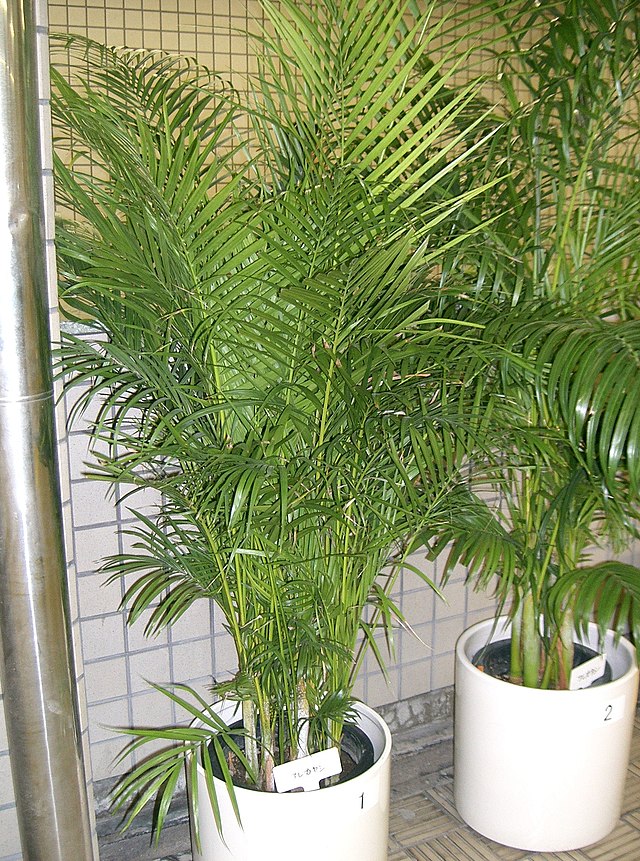
Source: Wikimedia Commons
Areca Palm
BeginnerDypsis lutescens
Most popular indoor palm. Feathery fronds create resort atmosphere. Also provides natural humidifying effect.
About
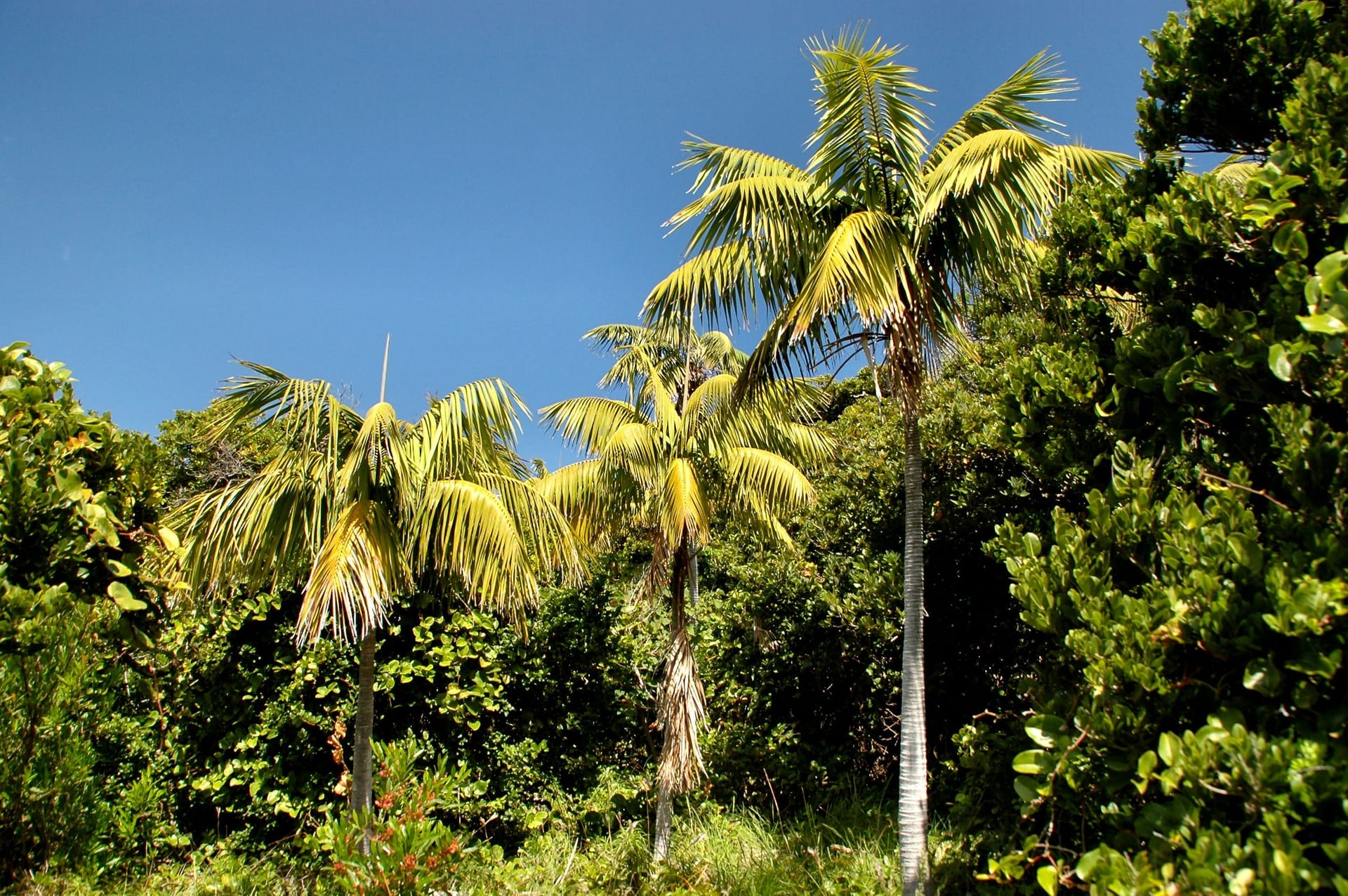
Dypsis lutescens, commonly known as the areca palm, golden cane palm, or butterfly palm, is an evergreen palm native to Madagascar. The most popular indoor palm in the world, it is admired for its graceful, feathery fronds that instantly create a tropical resort atmosphere. In cultivation it typically reaches 1–2.5 m, though it can grow to 6–9 m in the wild. Growth is relatively slow, with new stems emerging from the base as a clumping habit. It thrives in bright indirect light; direct sunlight may cause leaf scorch. Water when the soil surface dries, as prolonged drought causes browning of leaf tips. The areca palm has among the highest transpiration rates of any houseplant, functioning as a natural humidifier in dry environments. Listed in NASA's Clean Air Study for its air-purifying properties, it is both decorative and functional.
Lifespan of the Areca Palm
The Areca Palm lives 10+ years.
Size of the Areca Palm
The Areca Palm grows to 1-2.5m (potted).
Temperature & humidity for the Areca Palm
The ideal temperature for the Areca Palm is 10〜30℃. Ideal humidity is 50〜80%.
Basic Info
Origin
Madagascar
Lifespan
10+ years
Size
1-2.5m (potted)
Temperature
10〜30℃
Humidity
50〜80%
Growing Tips
Light & Placement
Prefers bright indirect light. Direct sun can scorch the fronds, so filter window light through a sheer curtain.
Watering
When surface dries. Avoid too much drying
Temperature & Overwintering
Tolerates 10-30°C, but keeping it above 15°C in winter is safer. Avoid spots hit by cold drafts or direct heater air.
Soil & Repotting
Plant in a well-draining mix. New shoots emerge from the base and form a clump, so move up one pot size when it gets crowded.
Notes
Leaf tips brown easily. Avoid dry air and direct sun
Areca Palm FAQ
QWhat is the growing difficulty level for Areca Palm?
Beginner. A variety suitable for beginners. No special equipment or experience is required—you can grow it without problems by setting up a basic cultivation environment.
QWhat is the ideal temperature for Areca Palm?
The ideal temperature for Areca Palm is 10〜30℃. Recommended humidity is 50〜80%. Avoid sudden temperature changes and maintain a stable environment.
QWhat is the lifespan of Areca Palm?
The average lifespan of Areca Palm is 10+ years. With proper cultivation environment and nutrient management, you can keep it healthy for a long time.
QHow large does Areca Palm get?
The mature size of Areca Palm is 1-2.5m (potted). This may vary slightly depending on cultivation environment and individual differences.
QWhat is the typical price for Areca Palm?
The price of Areca Palm varies significantly by variety, characteristics, size, and lineage. Please check GrowerDirect's price guide for the latest market information.
Last updated: June 24, 2026
Growing Specifications
- USDA Zone
- 10–11
Sources: Missouri Botanical Garden Plant Finder - Dypsis lutescens
References & Sources
Edited & verified by: GrowerDirect Editorial Team
The classifications, regulations, and growing data on this page are created and verified based on the primary information database below.
Taxonomy & Authority
Regulations & Conservation Status
Foliage plant. Confirmed by document review to be non-applicable to CITES Appendix (Flora), designated invasive species, or designated animals (the genus does not appear in the CITES flora section; Dracaena spp. listings in CITES refer to a reptile genus of the same name; the plant Dracaena is not applicable).
Sources: CITES Appendices I/II/III (flora section, grepped via dbca mirror) / CITES Appendices (official) / Ministry of the Environment List of Specified Invasive Alien Species
Regulations may change. Always verify the latest information with the relevant authorities.
Related Species
Find listings for this species
Related Articles
Why New Leaves on Foliage Plants Are Smaller — Practical Solutions for Light, Humidity, and Nutrition
We analyze the causes behind stunted growth and smaller new leaves on foliage plants. From light environment and humidity management to fertilization strategy and root health, we explain each factor based on empirical data and introduce methods to restore new leaf size.
Spider Mite and Scale Insect Control: Practical Pest Prevention
Learn to identify spider mites and scale insects on houseplants and recognize damage signs, master practical spider mite control methods, discover effective scale insect elimination techniques, create pest-resistant environments with seasonal management, understand pesticide safety precautions, and discover early detection and prevention strategies.
Root Rot Prevention and Root Zone Regeneration Management in Foliage Plants | Soil Selection, Watering, and Early Diagnosis & Recovery Techniques
Root rot is the greatest threat to foliage plants. This article covers practical knowledge from the mechanisms of root rot development to prevention, early-stage diagnosis and treatment methods, and ensuring long-term plant health through soil and watering management.
Aerial Root Management and Utilization in Houseplants | Cultivation Techniques for Aerial Root-Bearing Plants like Philodendron and Monstera
This guide explains how to understand and manage the characteristics of aerial roots in houseplants. We introduce cultivation techniques that leverage aerial roots, from growth promotion to aesthetic expression.
🩺 Common diseases
Can't find the plant you're looking for?
Post your wishes for free and growers with matching plants will contact you with introductions.