Office & Workplace Foliage Plant Guide | Easy-Care Variety Selection
Explains how to choose foliage plants suitable for offices and workplaces. Introduces easy-to-care foliage plants ideal for offices, including varieties that grow under fluorescent lights and LEDs, varieties requiring less frequent watering, and varieties with air-purifying effects.
Key Takeaways
Explains how to choose foliage plants suitable for offices and workplaces. Introduces easy-to-care foliage plants ideal for offices, including varieties that grow under fluorescent lights and LEDs, varieties requiring less frequent watering, and varieties with air-purifying effects.
Related Species
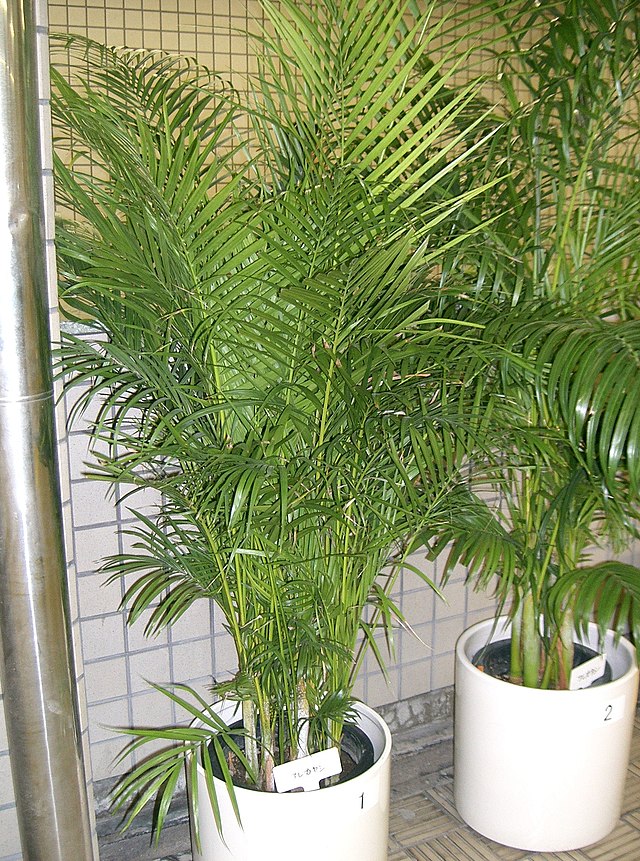
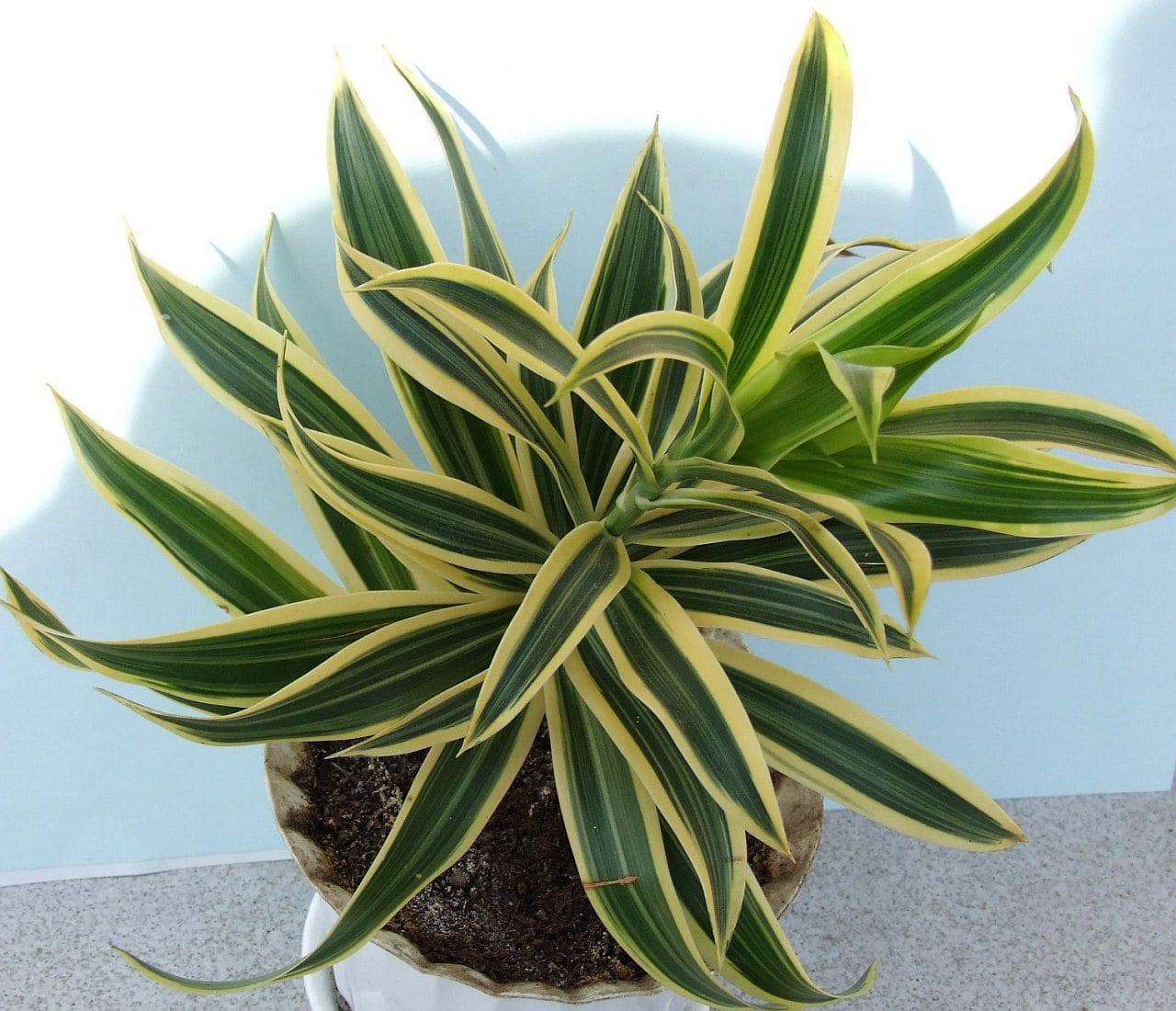
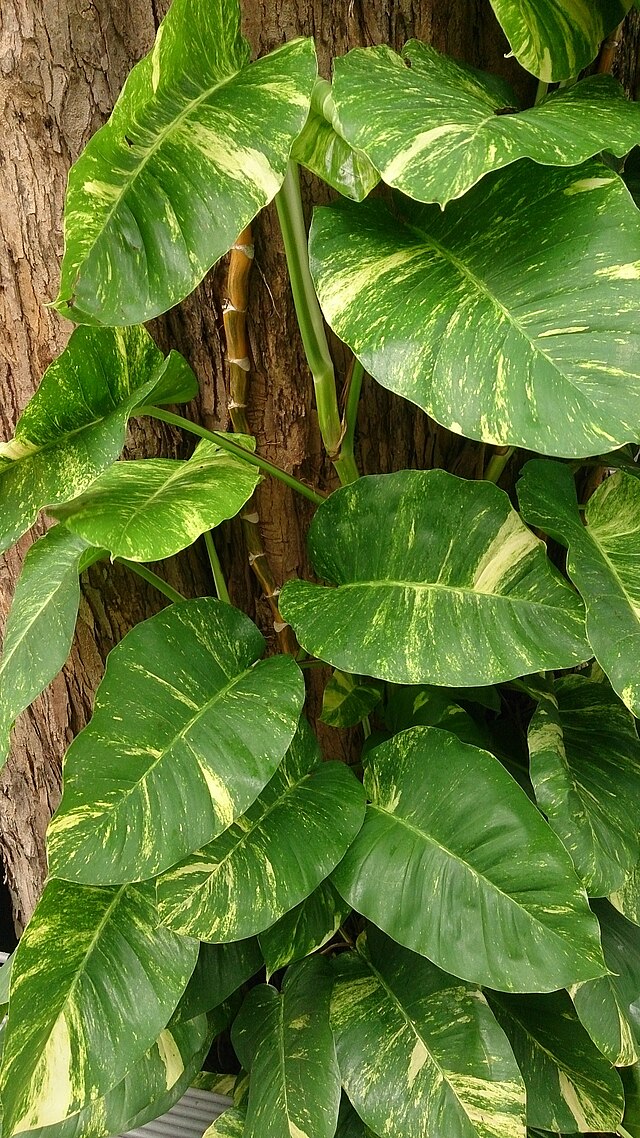
Adding foliage plants to an office or workplace brings not only color to the space, but also offers potential relaxation and air-purifying effects. However, workplaces often lack dedicated caregivers, and unlike homes, they present different conditions such as the inability to water plants during weekends or extended holidays. This article explains how to select varieties suited to office environments and offers management tips.
Characteristics of Office Environments and Their Effects on Plants
When placing plants in an office, you need to consider several conditions that differ from home environments.
Lighting Environment In most offices, natural light is minimal in areas away from windows. Many spaces rely only on fluorescent lights or LED lighting, which often results in insufficient light for plants. Even near windows, light levels vary significantly depending on the direction and condition of blinds.
Effects of Air Conditioning Office air conditioning systems often run year-round, causing the air to become very dry. Especially during winter heating, humidity can drop below 30%. Additionally, areas with direct air conditioning airflow create harsh conditions for plants.
Unmanaged Periods During Weekends and Holidays Not only during weekends, but during Golden Week and year-end holidays, there are periods lasting a week or more when plants cannot be watered. It is important to select varieties that can withstand these unmanaged periods.
Temperature Stability Offices are often maintained at 20–26°C by air conditioning, and the minimal temperature fluctuation is beneficial for plants. However, temperature may vary when air conditioning is turned off during evenings or holidays.
Recommended Varieties for Low-Light Offices
Here are shade-tolerant varieties that can thrive under fluorescent lights or LED lighting alone.
Pothos It is one of the most durable foliage plants. There are countless examples of pothos thriving for years under only fluorescent light. Its vining growth makes it versatile for display, whether cascading from shelves or wrapped around poles. Watering can wait until the soil is completely dry, and it is remarkably resilient—it rarely dies even if watering is occasionally forgotten.
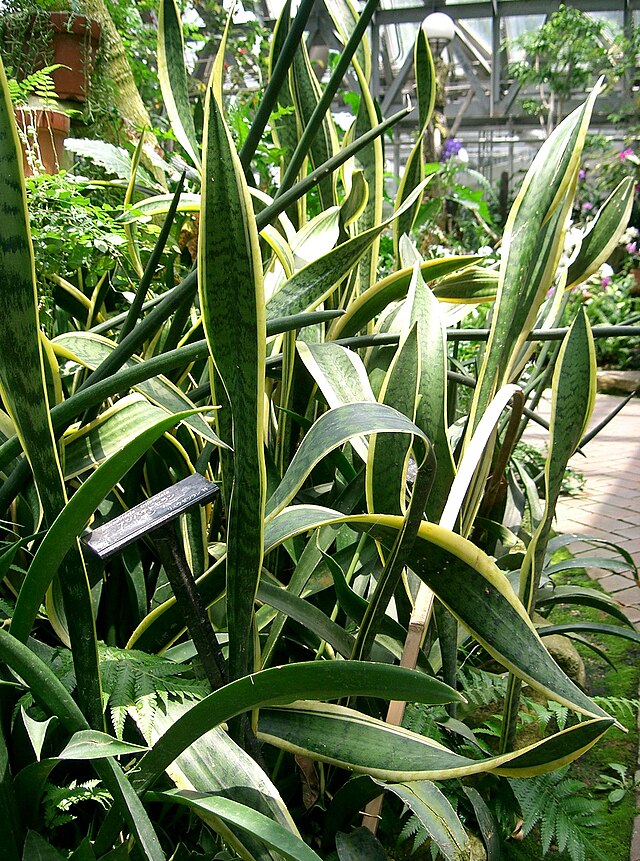
Sansevieria Upright, sword-like leaves give it a stylish appearance that suits modern offices well. It is extremely drought-tolerant, requiring watering only once or twice per month. It easily endures extended holidays. It is also one of the plants identified by NASA research as having high air-purifying effects. While it has good shade tolerance, note that in overly dark locations, leaves may become leggy.
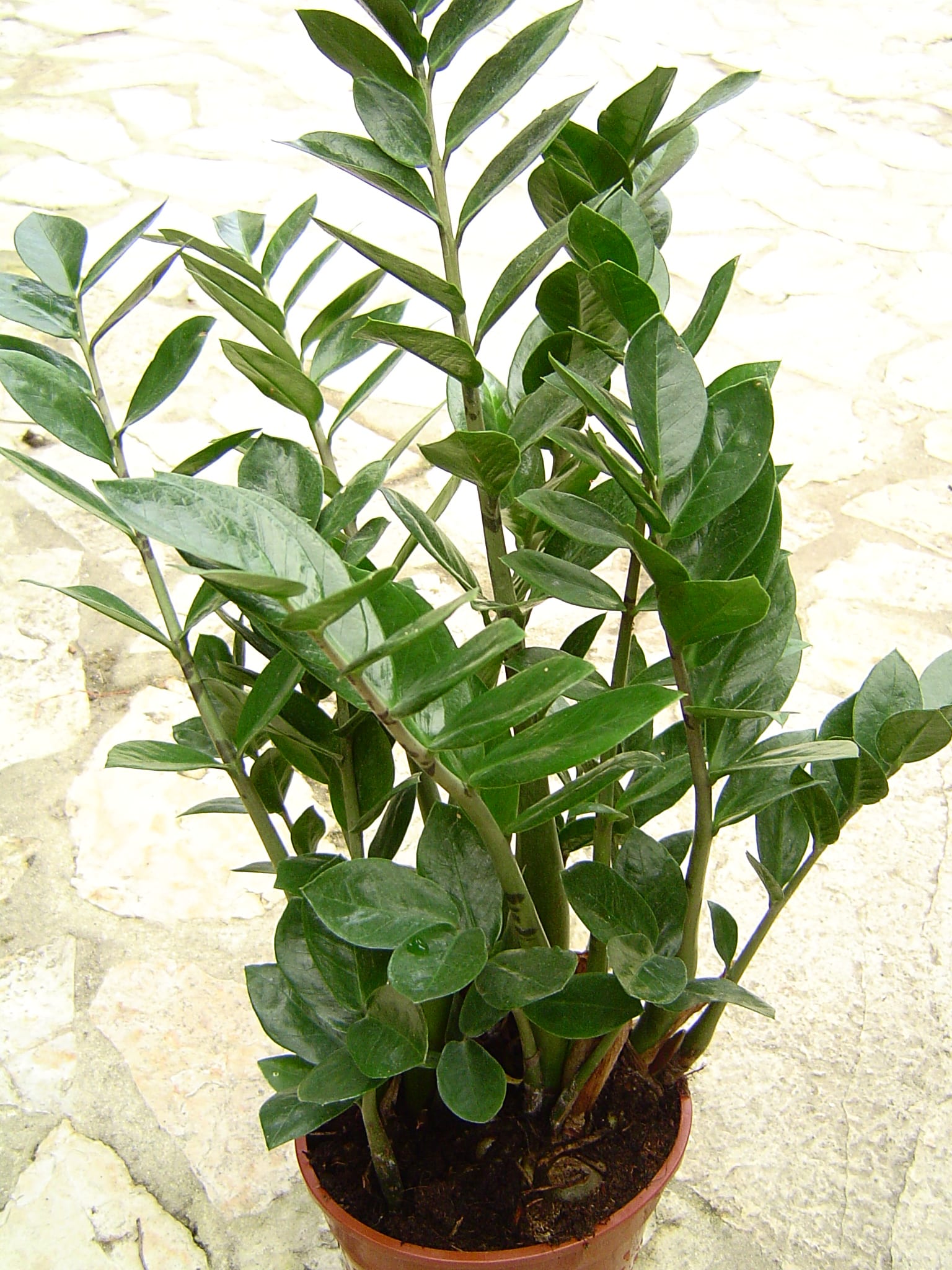
Zamioculcas (ZZ Plant) This variety features glossy, dark green leaves and excels in both shade and drought tolerance. It stores water in underground tubers, allowing it to thrive for 3–4 weeks without watering. While growth is slow, this also means it requires minimal care.
Aglaonema A Southeast Asian native with exceptionally high shade tolerance. It is characterized by beautiful leaves with green and silver contrast, with patterns varying by variety. Watering after the soil dries is straightforward, making it ideal for office management.
Various Dracaena Species The Dracaena genus, including Massangeana (Lucky Bamboo) and Concinna, offers many varieties with good shade tolerance. Tall varieties serve as focal points when placed on the floor. Water about once a week, keeping the soil on the dry side as these plants dislike excess moisture.
Tips for Easier Management
Using Automatic Watering Devices For solving watering problems during extended holidays, automatic watering caps that attach to plastic bottles and bottom-watering pots are useful. Bottom-watering pots work through capillary action, drawing water from the saucer into the soil, and can cover unmanaged periods of 1–2 weeks.
Use Larger Pots Larger pots hold more soil and retain water better. Small pots dry out quickly, so choosing slightly larger pots for office use reduces watering frequency.
Designate a Watering Schedule In multi-person offices, establishing a weekly rotating watering schedule or noting watering dates on a calendar prevents oversight. Using smartphone reminders is also effective.
Consider Hydroculture Hydroculture, which uses hydrobeads or sphagnum moss instead of soil, is clean and rarely attracts pests, making it ideal for offices. Water level indicators make watering timing clear at a glance, eliminating the need to rely on caregiver experience.
Varieties with Air-Purifying Potential
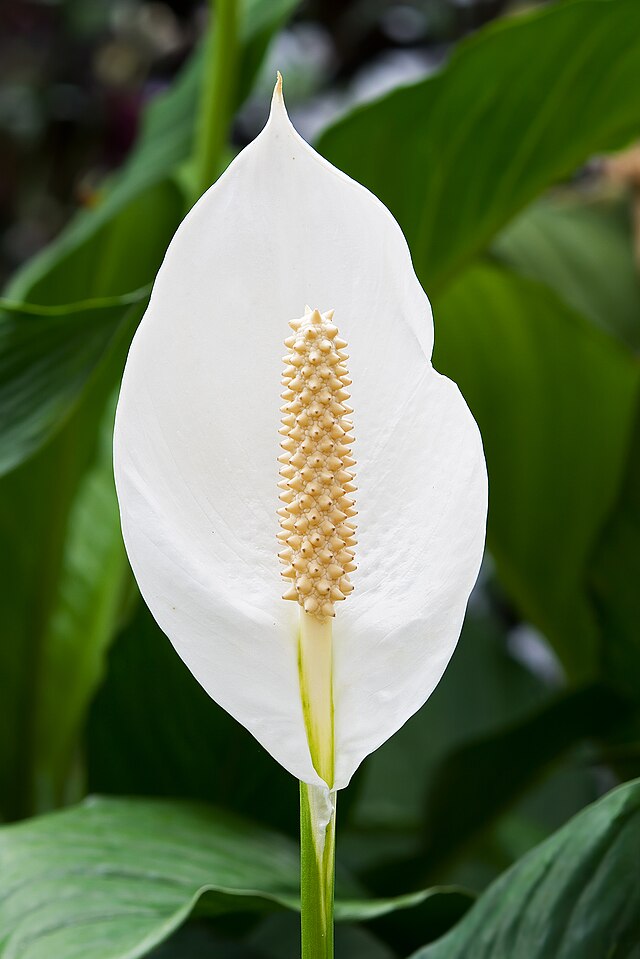
NASA's Clean Air research has identified foliage plants that absorb harmful airborne substances. Varieties believed to absorb volatile organic compounds such as formaldehyde and benzene in offices include Sansevieria, Pothos, Spathiphyllum, Dracaena, and Areca Palm. Of course, plants alone cannot completely purify indoor air, but including their psychological benefits in working in green spaces, they contribute to improving workplace environments.
Precautions When Placing Plants in Offices
- Avoid areas with direct air conditioning airflow: Plants weaken easily due to dryness and temperature fluctuations
- Avoid proximity to copiers or printers: Heat discharge and toner particles can affect plants
- Arrange plants so they do not obstruct traffic flow: Also consider the risk of pots falling over
- Allergen considerations: For pollen-producing varieties or environments where soil fungi develop easily, confirm there is no impact on coworkers
- Handoff upon resignation or relocation: Create simple care notes so management can continue even if caregivers change
Office Plant Maintenance Schedule
To enjoy office plants long-term, it is important to establish a simple, sustainable maintenance schedule.
Weekly Tasks
- Monday, Wednesday, Friday: Check soil moisture and water as needed
- Wipe dust from leaf surfaces with a soft cloth if accumulated
- Remove yellowed or dead leaves
Monthly Tasks
- Empty water pooled in saucers (prevents root rot)
- Apply liquid fertilizer at about half the recommended rate (during growing season only)
- Check the undersides of leaves and stems for pests
Quarterly Tasks
- Review plant placement to accommodate growth
- Clean pot surfaces
- Clean air conditioner filters (dust affects plants)
In offices, watering often stops during weekends and extended holidays. Using automatic waterers or gel-type water retention materials provides peace of mind during absences.
Finding Office Plants on GrowerDirect
On GrowerDirect, you can consult with foliage plant growers about varieties suited to office environments. If you share details about your window direction, lighting type, and air conditioning conditions, they can recommend the best varieties. If you're looking for easy-to-care, attractive plants, check out grower listings on GrowerDirect.