10 Best Houseplants for Office Spaces | Easy to Manage Varieties with Air-Purifying Benefits
Introducing 10 houseplant varieties suitable for office environments. We explain shade-tolerant, easy-to-manage varieties with air-purifying benefits, along with placement tips and care advice.
Key Takeaways
Introducing 10 houseplant varieties suitable for office environments. We explain shade-tolerant, easy-to-manage varieties with air-purifying benefits, along with placement tips and care advice.
Related Species
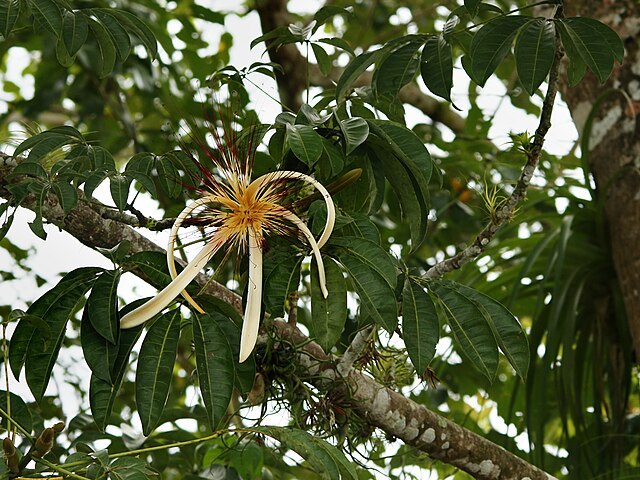
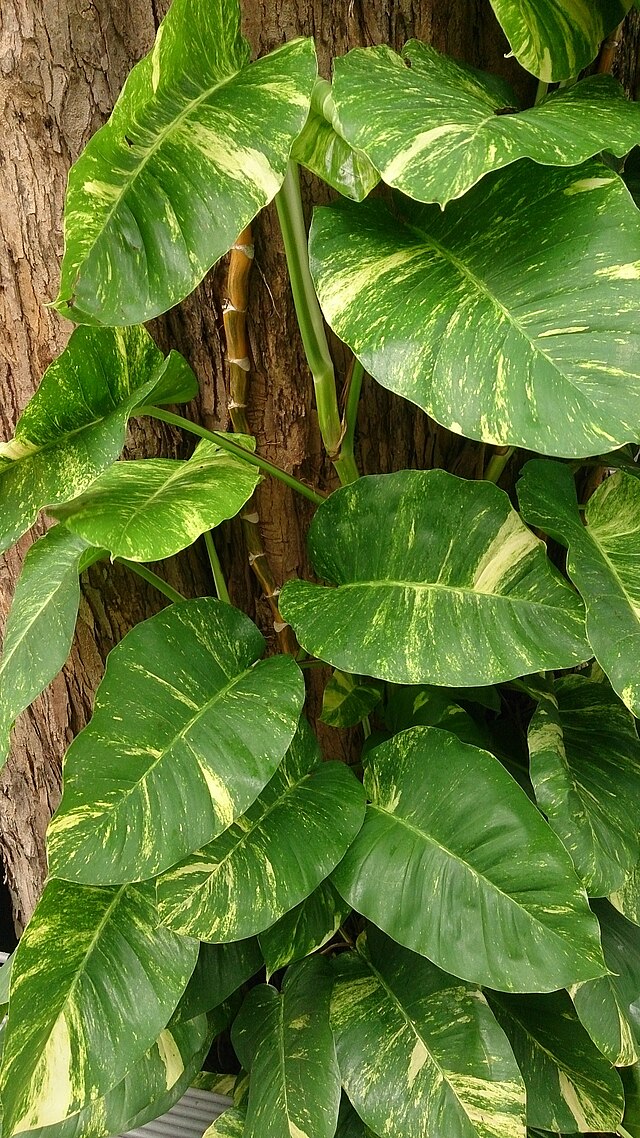
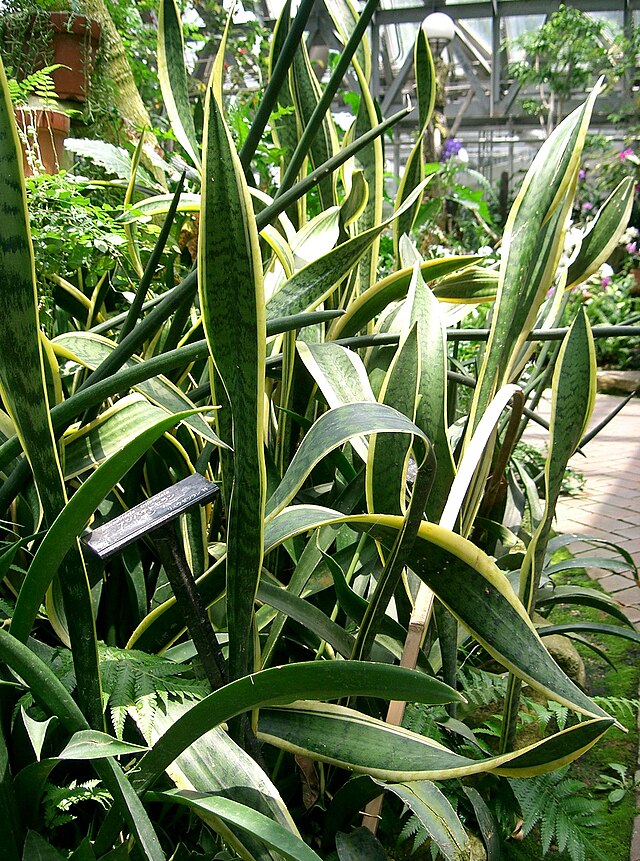
Placing houseplants in your office not only brings moisture and vitality to the space but also offers relaxation and air-purifying effects. However, since offices face constraints in lighting conditions and maintenance capacity, selecting the right varieties is crucial. This article introduces 10 easy-to-manage houseplants suited to office environments.
Benefits of Placing Plants in Office Spaces
The benefits of placing houseplants in offices are scientifically supported. NASA research has confirmed that certain houseplants can absorb and decompose volatile organic compounds (VOCs) such as formaldehyde and benzene. Additionally, studies show that in spaces with plants, employee stress levels decrease, and concentration and productivity improve. Visually, the presence of greenery in otherwise sterile office environments also creates a better impression on visitors. The secondary benefit of interpersonal communication that grows through plant care should not be overlooked either. However, offices present harsh conditions for plants: weekends when the space is unoccupied, dry air from air conditioning, and low-light environments with only fluorescent or LED lighting. Selecting varieties suited to these conditions is the key to success.
Recommended 10 Varieties (Part 1)
The characteristics of the first set of varieties are as follows.
| No. | Variety | Features |
|---|---|---|
| 1 | Pothos | A vining plant with impressive hardiness that survives under fluorescent light alone. It tolerates missed watering relatively well, and creates visual interest when draped from shelves. |
| 2 | Sansevieria (Snake Plant) | Featuring succulent leaves, it requires very infrequent watering—just once or twice monthly. NASA research has also rated it highly for air-purifying ability. |
| 3 | Zamioculcas (ZZ Plant) | With glossy, thick leaves and exceptional toughness, it tolerates both dryness and shade simultaneously. |
| 4 | Aglaonema | Many varieties feature silver or red patterns and maintain leaf color even in low-light environments. |
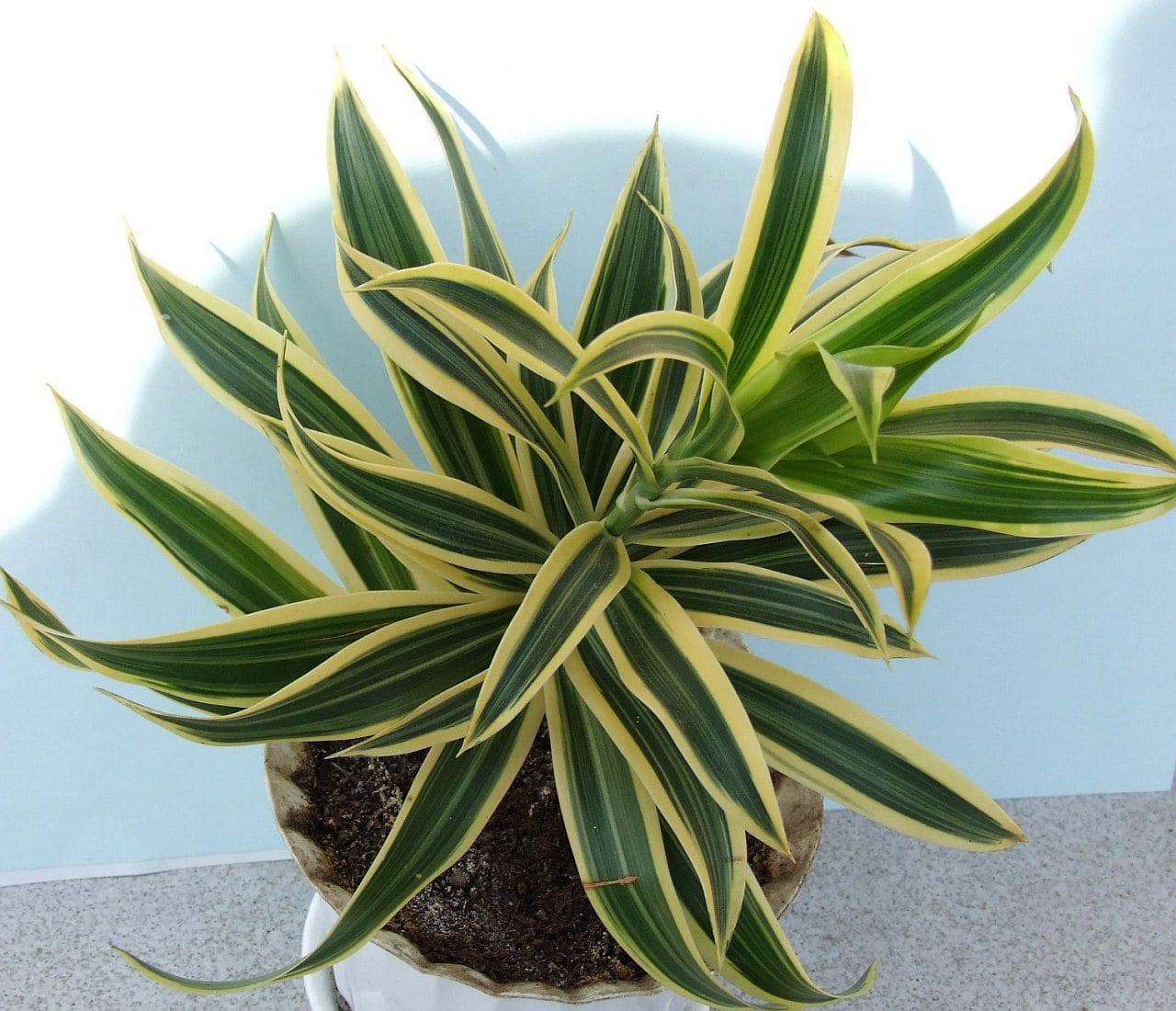
| 5 | Dracaena Compacta | Dense, dark-green foliage with a vertical silhouette that fits neatly into office corners. |
Recommended 10 Varieties (Part 2)
The characteristics of the second set of varieties are as follows.
| No. | Variety | Features |
|---|---|---|
| 6 | Spathiphyllum | Blooms with white spathes even in shaded conditions—one of the few plants that flowers indoors. Drooping leaves signal when watering is needed, making the timing obvious. |
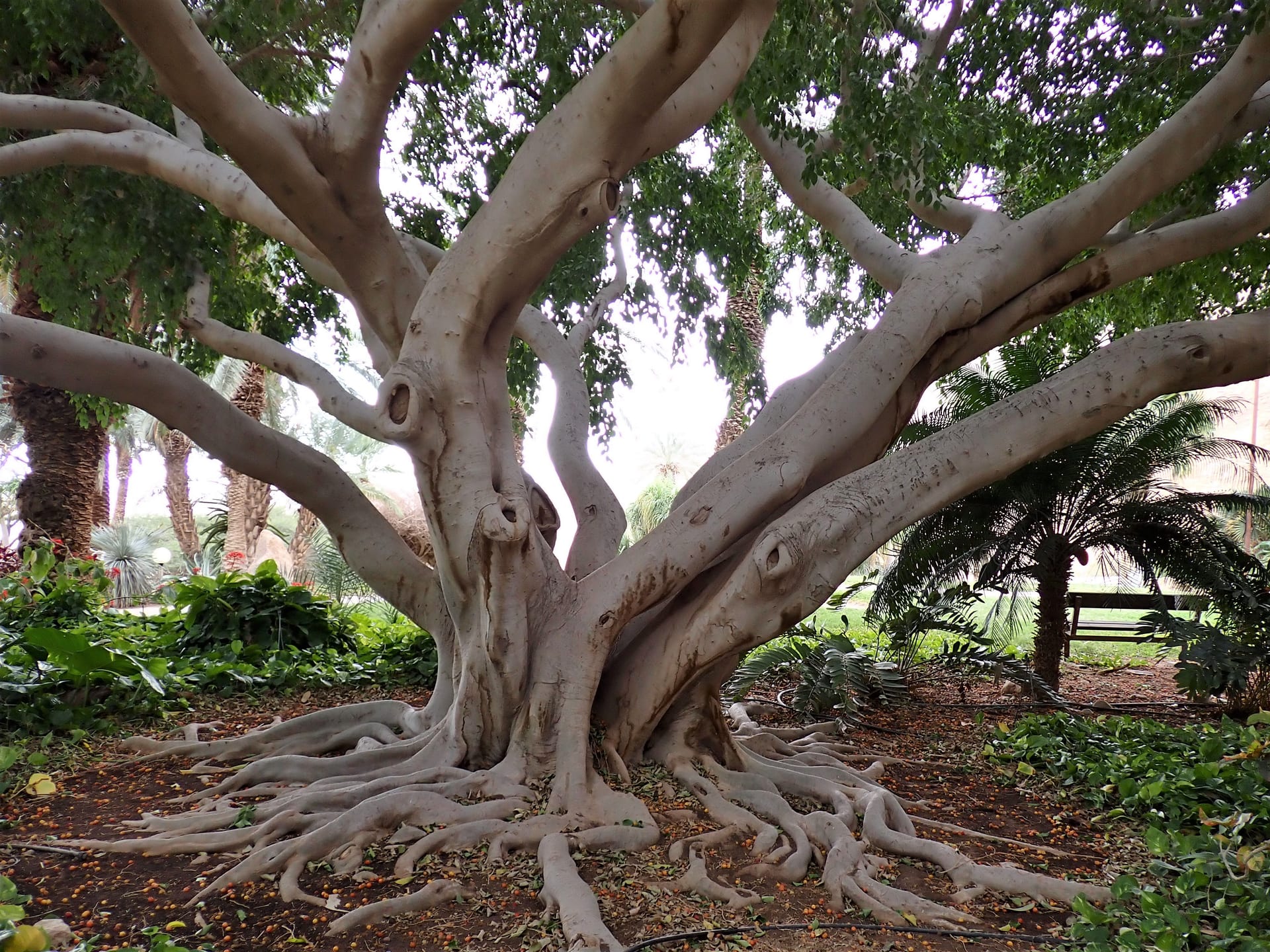
| 7 | Ficus Benjamina | Small leaves densely cover the plant, creating an attractive form popular as an office focal tree. However, it drops leaves easily with environmental changes, so avoid moving it frequently. |
| 8 | Pachira | Distinctive braided trunk, also known as the "Money Tree" and valued as good luck. Prefers bright light but tolerates moderate shade. |
| 9 | Schefflera (Umbrella Plant) | Characterized by palm-like leaves and outstanding hardiness. Tolerates some watering neglect and insufficient light. |
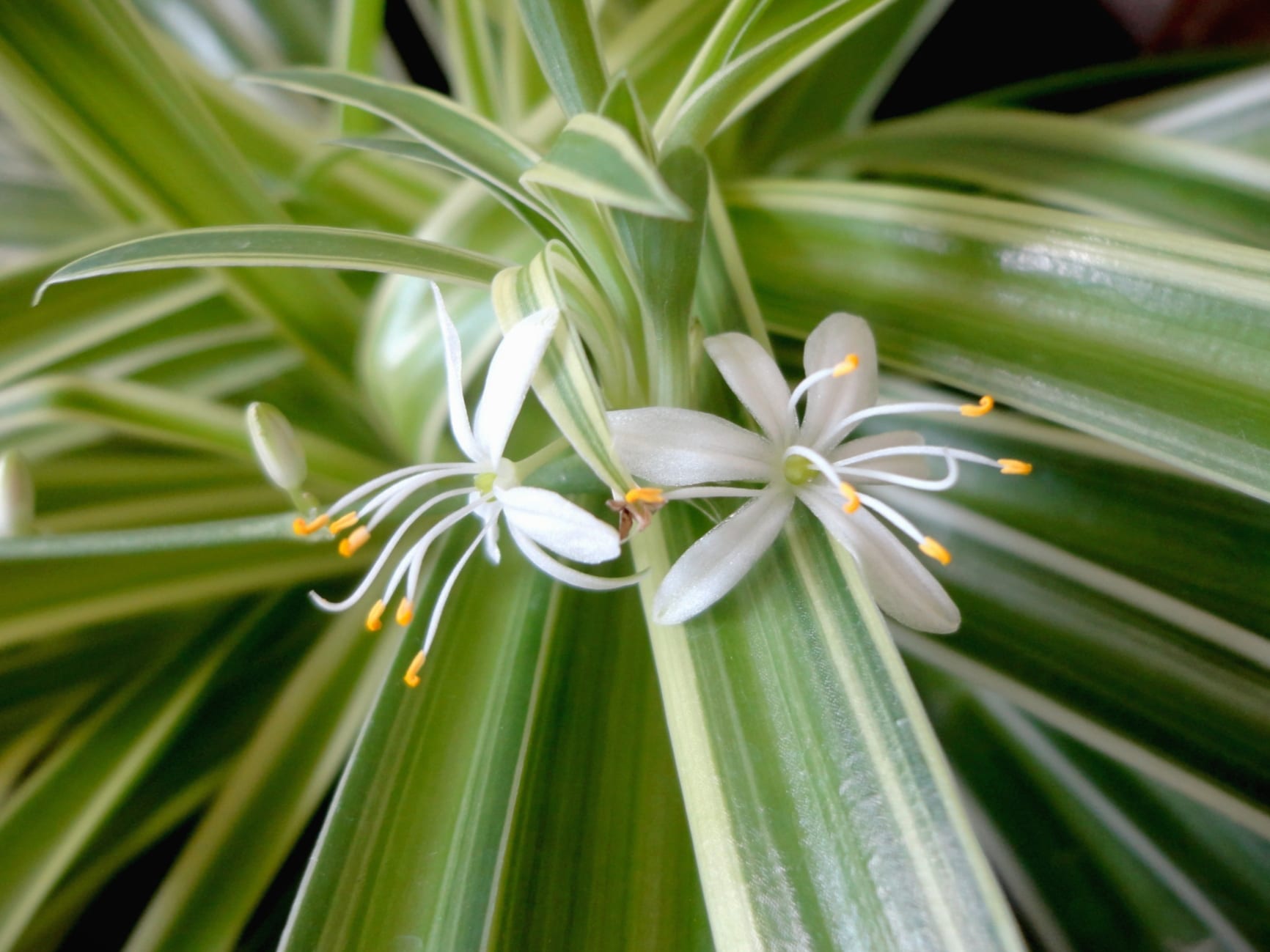
| 10 | Chlorophytum (Spider Plant) | Produces baby plantlets along runners (stolons) in an interesting form; hanging displays in suspended pots add visual depth. Also known for high air-purifying ability. |
Office Plant Care Tips
Here are tips for managing plants in an office setting.
- Assign a rotation of watering duties with a designated responsible person to prevent overwatering or neglect.
- For most office-suitable varieties, watering 2–3 days after the soil surface dries is appropriate.
- Never leave water pooling in saucers, as this causes root rot; remove excess water about 30 minutes after watering.
- Since watering is impossible during weekends and holidays, choose varieties tolerant of dryness as your baseline.
- Before extended time off, water thoroughly until water drains from the pot bottom for peace of mind.
- Avoid placing plants where air-conditioning air blows directly, as this dries and damages leaves.
- In offices without windows, using a plant-specific LED light helps maintain long-term plant health.
- Once monthly, wipe leaf surfaces with a damp cloth to remove dust, which boosts photosynthetic efficiency and improves appearance.
Common Questions and Practical Advice
Q. Can plants thrive in a windowless conference room? A. In environments with only fluorescent or LED lighting, even shade-tolerant varieties struggle to survive long term. Either plan to rotate plants every few months, or add a dedicated grow light. Sansevieria and Zamioculcas won't merely "survive without dying" in the dark.
Q. No one can water plants on weekends. A. This actually works in your favor in an office setting. Select drought-tolerant varieties and standardize watering to once weekly, so the system doesn't break down if staff changes. Bottom-watering pots allow even longer intervals.
Q. We're concerned about pests. A. Avoid potting soil high in organic matter; switch to inorganic media like akadama or hydroponse balls. Preventing water from pooling in saucers is also critical to avoid fungus gnats.
Choosing Office Plants on GrowerDirect
Office conditions vary significantly by location, so selecting varieties suited to your specific environment is essential. GrowerDirect connects you directly with growers who specialize in houseplant cultivation; share your office's lighting and climate conditions, and they'll recommend the ideal varieties for your space. Purchasing from specialty growers ensures you select healthy plants suited to your needs.