Dracaena Janet Craig Compacta
BeginnerDracaena fragrans 'Compacta'
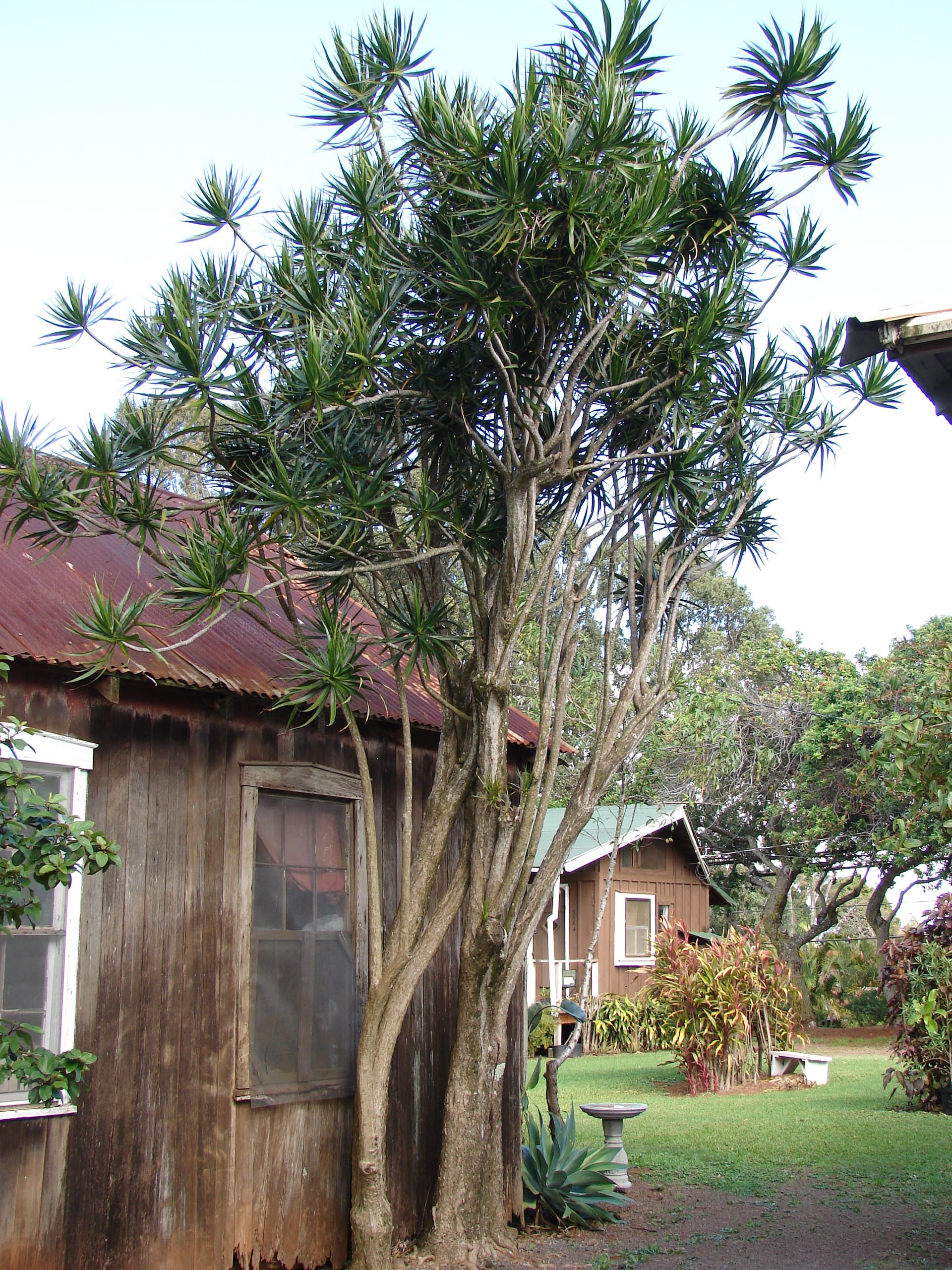
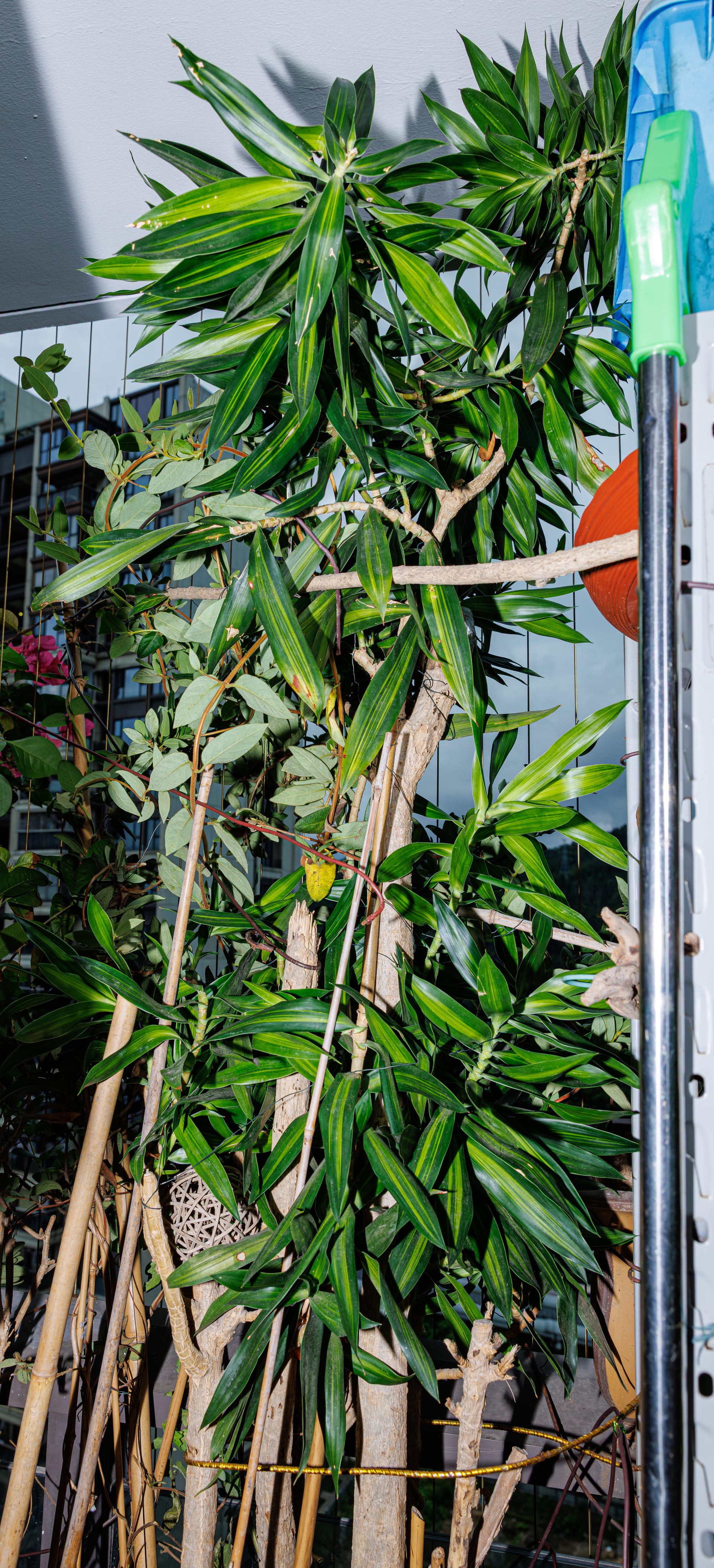
A cultivar of Dracaena fragrans with short, solid dark green leaves packed densely around the stems, giving slender trunks topped with compact leafy clusters. It is very shade-tolerant.
About
'Compacta' is a cultivar of Dracaena fragrans, the same tropical African species as the corn plant. North Carolina State University describes 'Compacta' (also called 'Janet Craig Compacta') as 3-6 ft (0.9-1.8 m) tall, with solid green leaves in dense clusters of short leaves. The related 'Janet Craig' also has plain dark green foliage, but 'Compacta' has smaller, flatter, slightly pointed leaves packed densely together. It is easily told from 'Massangeana', which has a bright yellow central stripe on each leaf, by its lack of variegation. The trade name 'deremensis' comes from Dracaena deremensis, once treated as a separate species and now a synonym of D. fragrans. It tolerates low light, dry air and some neglect, making it a staple for offices and shops. It is sensitive to fluoride and salt build-up; flush the pot if leaf tips brown. In Japan it is sold in large numbers, both as small pots and large floor plants, through garden centres and online.
Source: Wikipedia (CC BY-SA 4.0)
Size of the Dracaena Janet Craig Compacta
The Dracaena Janet Craig Compacta grows to About 0.9-1.8 m tall.
Temperature & humidity for the Dracaena Janet Craig Compacta
The ideal temperature for the Dracaena Janet Craig Compacta is 21〜27℃.
Basic Info
Origin
Cultivar (species native to tropical Africa)
Lifespan
Evergreen shrub (long-lived)
Size
About 0.9-1.8 m tall
Temperature
21〜27℃
Humidity
50〜70%
Watering & Fertilizer
Slow-release fertiliser in the growing season
Growing Tips
Light & Placement
Bright to moderate filtered light. Direct sun burns the leaves, and in very low light new leaves grow narrow.
Watering
Keep the mix moist in the growing season and reduce watering in winter.
Temperature & Overwintering
Thrives at about 21-27°C; keep above 10°C in winter if possible. Heated, dry air browns leaf tips, so a humidifier helps.
Soil & Repotting
Use ordinary potting mix in a pot with drainage holes. Move up a size when the plant lifts or roots emerge from the base.
Propagation
Propagate by stem cuttings.
Pests & Cautions
Watch for thrips and mealybugs. It is sensitive to fluoride and salt build-up; if leaf tips brown, flush the pot regularly. Dracaenas contain saponins; if eaten by dogs or cats they can cause vomiting, drooling and loss of appetite. Keep out of reach of pets. 'Compacta' is not a registered variety in Japan.
Dracaena Janet Craig Compacta FAQ
QWhat is the growing difficulty level for Dracaena Janet Craig Compacta?
Beginner. A variety suitable for beginners. No special equipment or experience is required—you can grow it without problems by setting up a basic cultivation environment.
QWhat is the ideal temperature for Dracaena Janet Craig Compacta?
The ideal temperature for Dracaena Janet Craig Compacta is 21〜27℃. Avoid sudden temperature changes and maintain a stable environment.
QHow large does Dracaena Janet Craig Compacta get?
The mature size of Dracaena Janet Craig Compacta is About 0.9-1.8 m tall. This may vary slightly depending on cultivation environment and individual differences.
QHow should I water and fertilize Dracaena Janet Craig Compacta?
Dracaena Janet Craig Compacta: watering & fertilizer — Slow-release fertiliser in the growing season. Aim for appropriate frequency and amount.
QWhat is the typical price for Dracaena Janet Craig Compacta?
The price of Dracaena Janet Craig Compacta varies significantly by variety, characteristics, size, and lineage. Please check GrowerDirect's price guide for the latest market information.
Last updated: September 23, 2026
References & Sources
Edited & verified by: GrowerDirect Editorial Team
The classifications, regulations, and growing data on this page are created and verified based on the primary information database below.
Taxonomy & Authority
Regulations & Conservation Status
Not listed in the CITES Appendices. Not a designated invasive alien species in Japan, nor a nationally rare species under the Act on Conservation of Endangered Species.There is no application or registration for 'Compacta' in Japan's plant variety database.
Sources: Species+ (CITES listing check) / Ministry of the Environment: List of Invasive Alien Species / MAFF Plant Variety Registration Database
Regulations may change. Always verify the latest information with the relevant authorities.
Related Species
Find listings for this species
Related Articles
Complete Dracaena Care Guide | Variety-Specific Management from Massangeana to Marginata
Comprehensive guide to caring for popular Dracaena varieties including Massangeana (the lucky tree), Marginata, and Warneckii. Covers variety-specific cultivation methods, watering, lighting, pruning, and upright training techniques, as well as causes and solutions for leaf tip browning issues.
Why New Leaves on Foliage Plants Are Smaller — Practical Solutions for Light, Humidity, and Nutrition
We analyze the causes behind stunted growth and smaller new leaves on foliage plants. From light environment and humidity management to fertilization strategy and root health, we explain each factor based on empirical data and introduce methods to restore new leaf size.
Spider Mite and Scale Insect Control: Practical Pest Prevention
Learn to identify spider mites and scale insects on houseplants and recognize damage signs, master practical spider mite control methods, discover effective scale insect elimination techniques, create pest-resistant environments with seasonal management, understand pesticide safety precautions, and discover early detection and prevention strategies.
Root Rot Prevention and Root Zone Regeneration Management in Foliage Plants | Soil Selection, Watering, and Early Diagnosis & Recovery Techniques
Root rot is the greatest threat to foliage plants. This article covers practical knowledge from the mechanisms of root rot development to prevention, early-stage diagnosis and treatment methods, and ensuring long-term plant health through soil and watering management.
🩺 Common diseases
Can't find the plant you're looking for?
Post your wishes for free and growers with matching plants will contact you with introductions.