15 Pet-Safe Houseplants | Safe to Display Even with Dogs and Cats at Home
A carefully selected guide to 15 non-toxic houseplants safe for homes with dogs and cats. Discover plant varieties certified safe by ASPCA standards, a list of toxic plants to avoid, and smart placement strategies for keeping pets and plants living together safely.
Key Takeaways
A carefully selected guide to 15 non-toxic houseplants safe for homes with dogs and cats. Discover plant varieties certified safe by ASPCA standards, a list of toxic plants to avoid, and smart placement strategies for keeping pets and plants living together safely.
Related Species
What to Know About Enjoying Plants and Pets Together
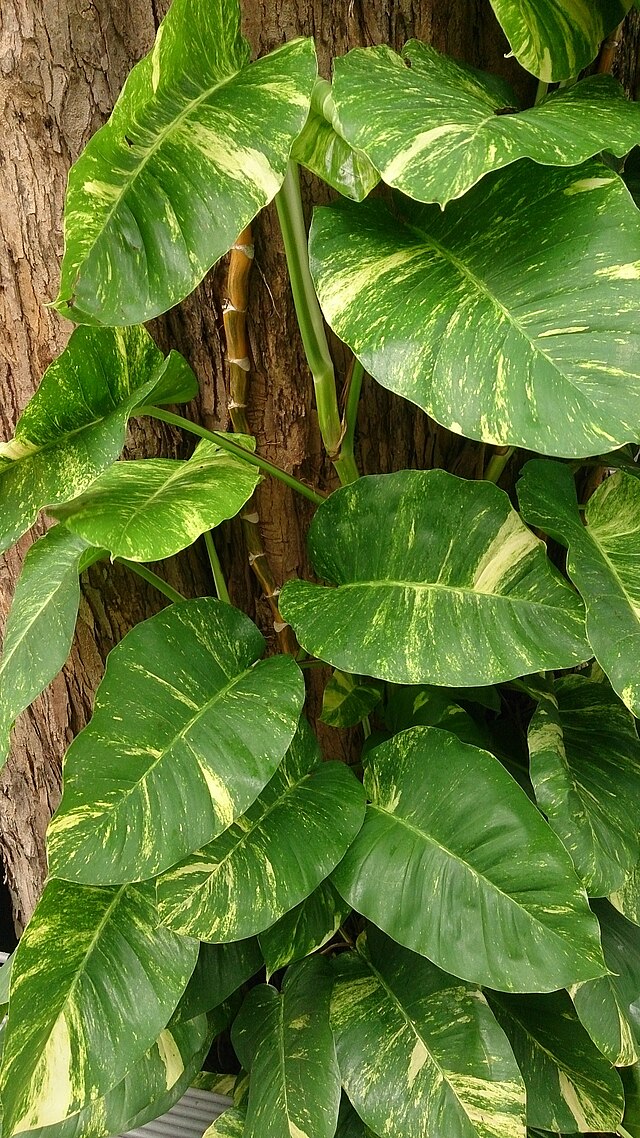
When you want to decorate your home with houseplants while living with dogs or cats, the first concern that arises is always: "Will it be safe if they eat this?" In reality, many popular varieties—such as pothos, lilies, and monsteras—are toxic to pets and can cause vomiting, diarrhea, and in severe cases kidney failure if ingested. However, with the right plant selection, pets and plants can coexist peacefully. This article introduces 15 carefully selected houseplants proven safe for both dogs and cats, based on veterinary toxicology data.
15 Safe Houseplants
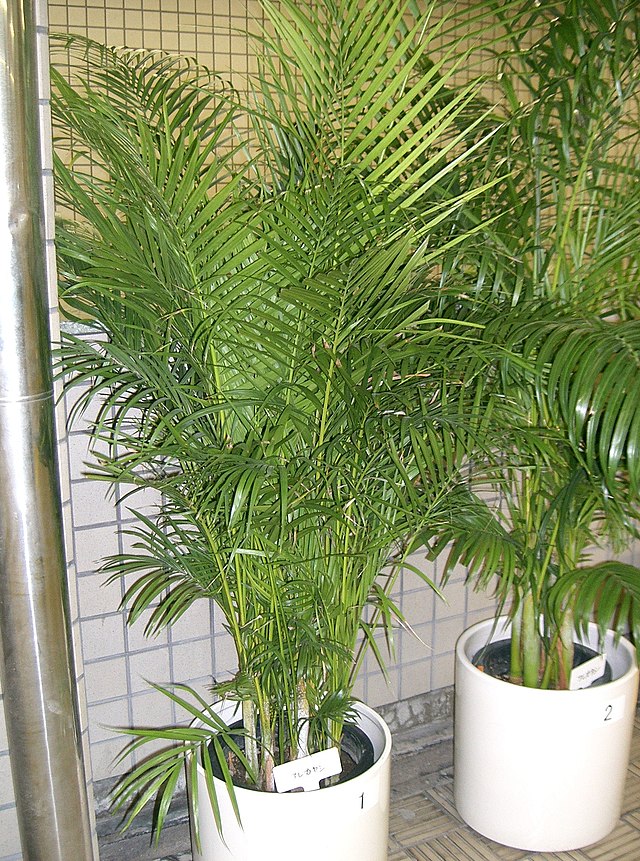
1. Areca Palm (Dypsis lutescens)
A palm species known for its feathery fronds that evoke tropical settings. Classified as non-toxic to both dogs and cats in ASPCA toxicity databases. It also excels at raising humidity levels in the air, making it invaluable during dry winters. It prefers bright indirect light; direct sunlight can scorch the leaves.
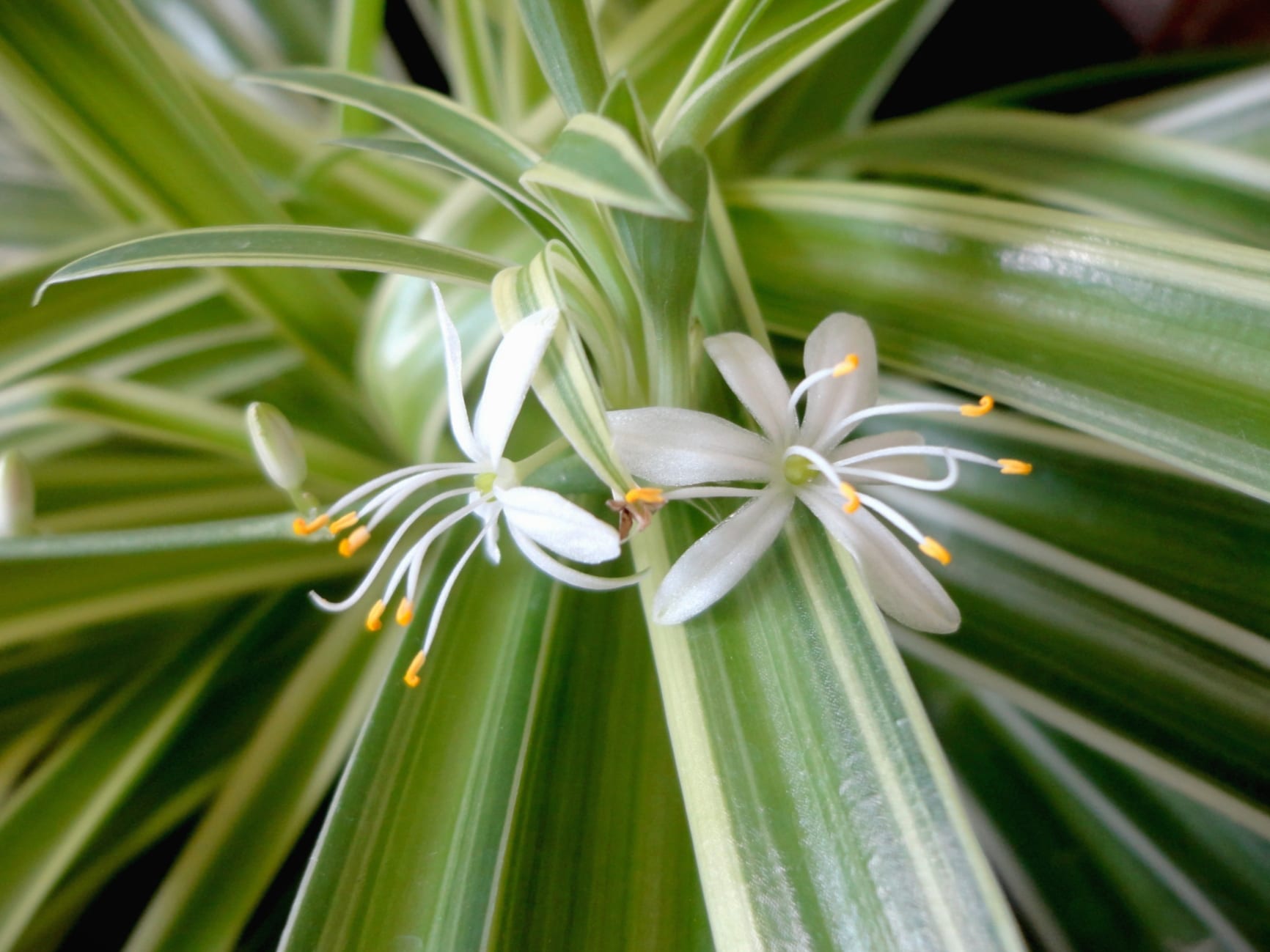
2. Spider Plant (Chlorophytum comosum)
A classic plant beloved for its long, striped leaves and charming baby plantlets that dangle from runners. ASPCA classifies it as non-toxic for both dogs and cats—a quintessential pet-safe plant. Cats may nibble the leaves, but there is no risk of poisoning (though excessive chewing may cause mild regurgitation). Its tolerance for low light and drought makes it perfect for beginners.
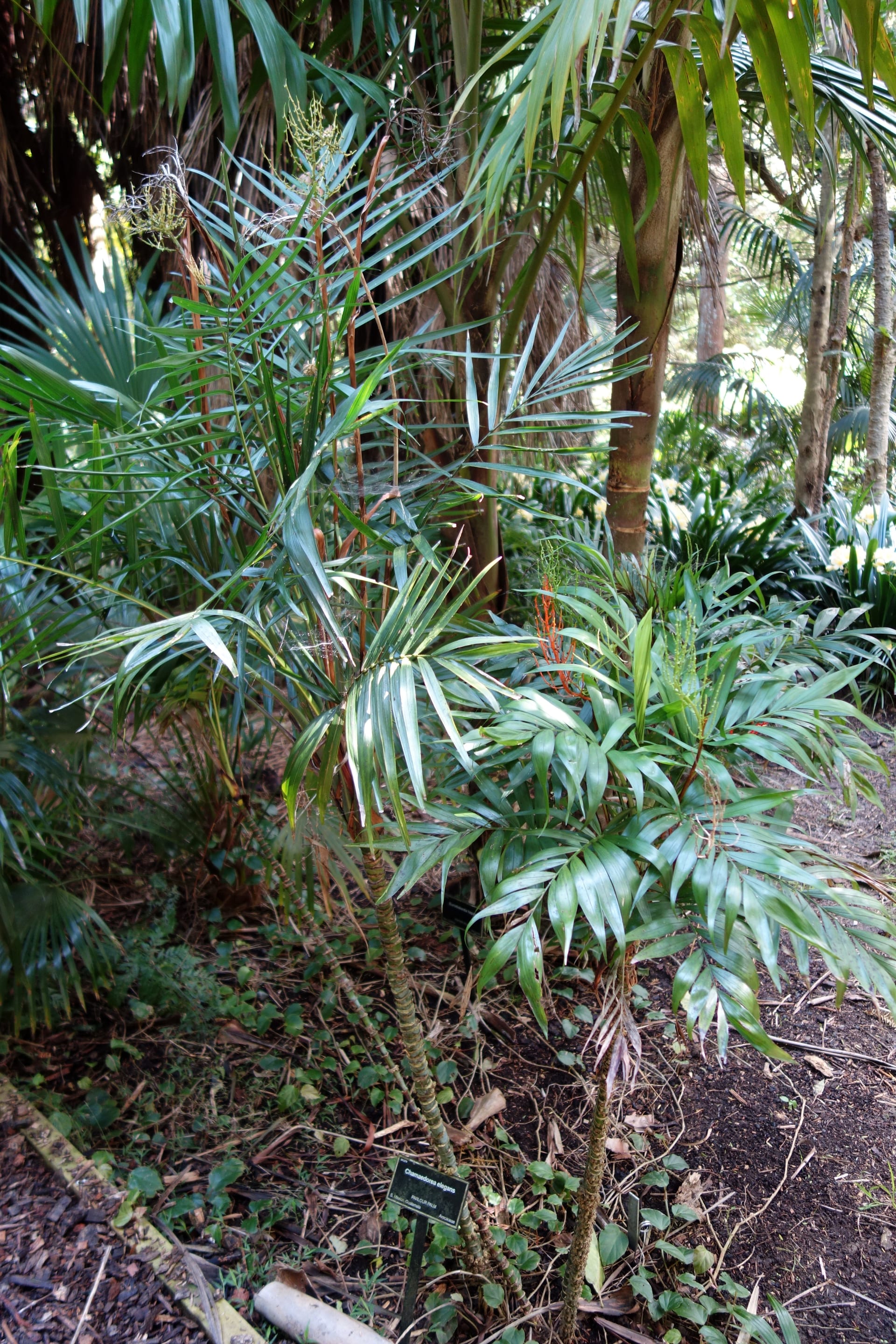
3. Parlor Palm (Chamaedorea elegans)
A small, elegant palm classified by ASPCA as non-toxic for both dogs and cats. It offers a rare opportunity to enjoy tropical aesthetics safely. Its exceptional shade tolerance makes it suitable even for poorly lit entryways or hallways. Its slow growth means less frequent repotting, keeping maintenance costs low.
4. Prayer Plant (Maranta leuconeura)
Popular for the beautiful patterns on its leaves. Prayer plants are distinctive for their "sleep movement"—leaves fold at night—a behavior that often captivates children and pets. Non-toxic. With high shade tolerance, they thrive in partial shade and prefer humid conditions, making them ideal for bathrooms.
5. Calathea (Calathea)
Related to the prayer plant and part of the Marantaceae family, calatheas offer even more diverse leaf colors and patterns. Non-toxic. Cats often chew the leaves, but physical harm is rare. However, leaf tips can yellow easily, as these plants are sensitive to chlorine and fluorine in tap water. They last longer with water left to sit overnight or filtered water.
6. Peperomia (Peperomia)
Peperomias, with succulent leaves that require minimal watering, come in over 600 varieties—all non-toxic. Small varieties can safely be placed on desks and shelves, even within reach of pets. Their drought tolerance makes them ideal for people who travel frequently.
7. Guzmania (Guzmania)
A bromeliad with vibrant red or yellow flower bracts that last for extended periods. ASPCA classifies it as non-toxic for both dogs and cats—an excellent choice for adding bold color to a pet-friendly room. It prefers bright indirect light and uses a unique watering method: water is stored in the tube-like base.
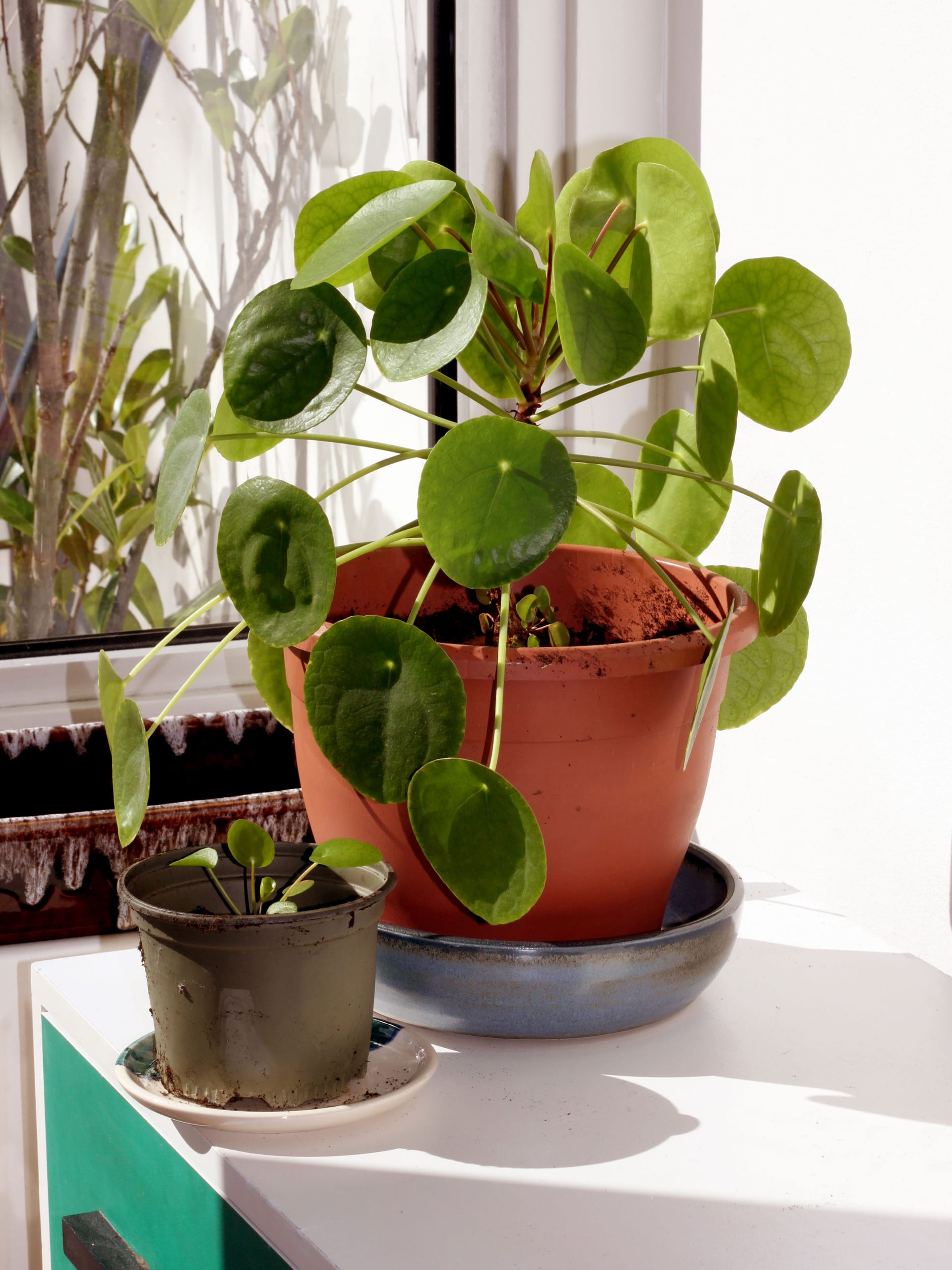
8. Chinese Money Plant (Pilea peperomioides)
A popular plant adored for its coin-shaped round leaves. ASPCA classifies it as non-toxic for both dogs and cats. It readily produces baby plants, offering the enjoyment of propagation. Preferring bright indirect light and growing compactly, it's perfect for desktops and shelf displays.
9. Air Plants (Tillandsia)
Tillandsias require no soil or pot—they can be hung from wire or holders on walls and ceilings, making them difficult for pets to access. Non-toxic. Requiring only a misting 2–3 times a week, they are extremely easy to maintain.
10. Boston Fern (Nephrolepis exaltata)
An elegant fern with gracefully drooping fronds. Non-toxic. Its high transpiration helps raise room humidity, useful for combating winter dryness. Though cats may play with the leaves, they cause no harm. Boston ferns dislike dryness, so water as soon as the soil surface dries.
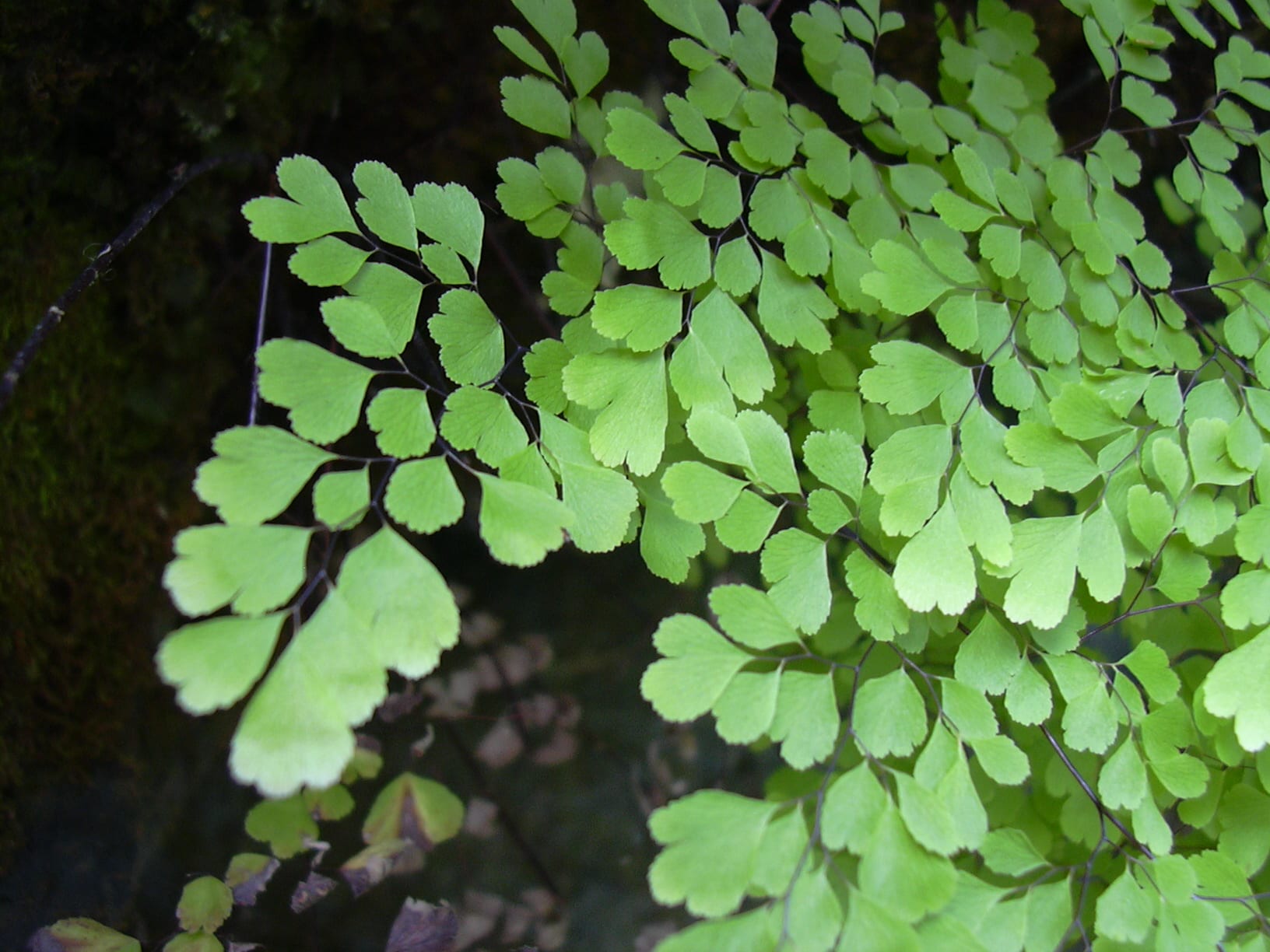
11. Maidenhair Fern (Adiantum)
A delicate fern with coin-shaped leaflets on hair-thin stems. Non-toxic. It requires somewhat careful management—it dislikes direct sunlight, dryness, and direct air conditioning—but its aesthetic appeal makes it striking in table arrangements.
12. Haworthia (Haworthia)
A succulent similar in appearance to aloe but non-toxic. (Aloe is toxic to cats, so caution is needed, but haworthia is a different genus and safe.) Highly tolerant of drought and direct sunlight, it requires minimal care—perfect for small displays on windowsills.
13. Zebra Haworthia (Haworthiopsis fasciata)
A haworthia relative with distinctive white stripes resembling zebra markings. Non-toxic. Requiring water only once or twice a month, it poses zero risk to pets. Popular as an entry point for succulent enthusiasts.
14. Swedish Ivy (Plectranthus verticillatus)
A herbal plant with beautiful cascading foliage. Non-toxic. Displayed in a hanging basket, it stays out of reach and looks striking as decor.
15. Orchid (Phalaenopsis)
Elegant phalaenopsis orchids are non-toxic to both dogs and cats. However, commercial potting soil sometimes contains perlite and fertilizers, which can cause digestive upset if ingested in large quantities. Consider guarding the pot or placing it on an unreachable shelf for added safety.
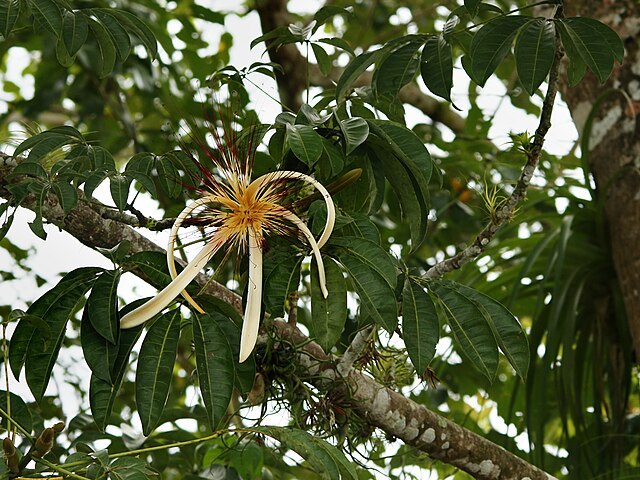
Bonus: Pachira—Another Non-Toxic Option
Pachira (Pachira aquatica), a popular houseplant standard, is also classified as non-toxic for both dogs and cats. Its thick trunk stores nutrients, making it drought-tolerant and ideal for households that travel or are often away—you can extend the watering interval. While its rounded leaves may spark pet curiosity and nibbling, the low toxicity risk provides peace of mind.
Three Key Points for Safe Display
| Point | Details |
|---|---|
| Mind the soil, fertilizer, and pesticides too | Even if the plant itself is non-toxic, fertilizer ingredients or pesticides in the soil can harm pets. Solid fertilizers especially risk ingestion by cats. Avoid surface-applied pellets; switch to liquid fertilizer applied monthly, or cover the soil with a pot cover for safety. |
| Ensure pot stability | Large or active pets can knock over pots, scattering soil and increasing ingestion risk. Use heavy terracotta pots or anchor plant stands securely to prevent tipping. |
| Know how to respond to accidental ingestion | Even safe plants can cause illness if eaten in large quantities. Keep your veterinarian's emergency number handy and note the plant name, amount, and time of ingestion. The Japan Poison Information Center (072-727-2499) is also a resource to consult. |
Summary
Pets and houseplants can coexist successfully through careful species selection and smart placement.
- Shade-tolerant varieties (areca palm, calathea, etc.) thrive even in dimly lit rooms
- Drought-tolerant varieties (peperomia, haworthia, pachira, etc.) require minimal care
Keep in mind that popular classics like lilies, pothos, and monsteras are toxic. Choose from the 15 varieties introduced here, selecting plants that match your room's environment and your pet's lifestyle. A home with plants offers pets enriching environmental stimulation.