Philodendron Care Complete Guide | Characteristics of Popular Varieties and Cultivation Tips
A detailed explanation of how to care for Philodendrons, a popular foliage plant in the Araceae family. We introduce the characteristics of popular varieties, watering and light management methods, soil care, and tips for propagation.
Key Takeaways
A detailed explanation of how to care for Philodendrons, a popular foliage plant in the Araceae family. We introduce the characteristics of popular varieties, watering and light management methods, soil care, and tips for propagation.
Related Species
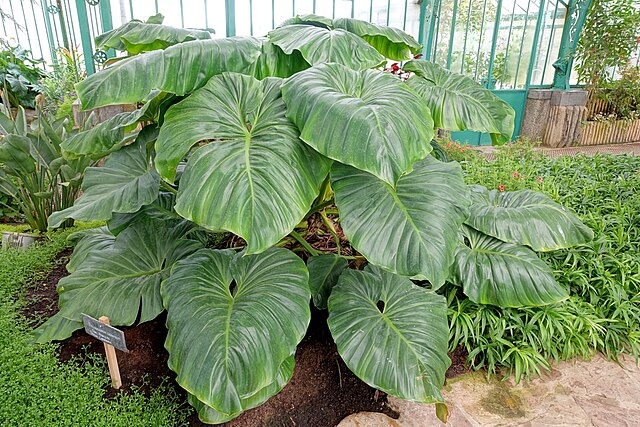
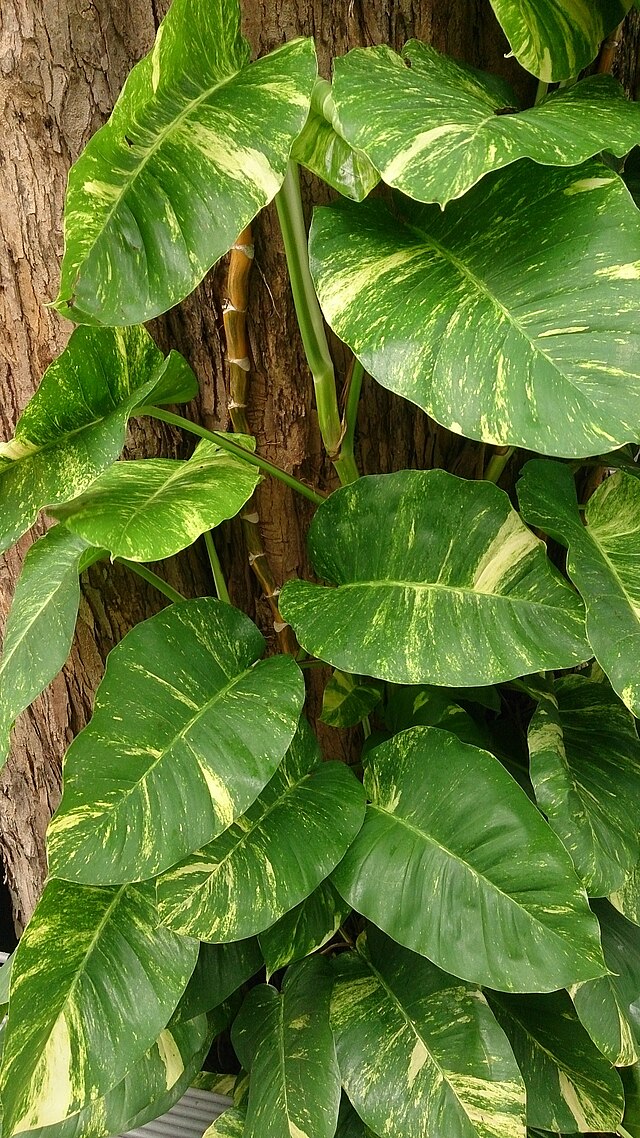
Philodendron is a large group belonging to the Araceae family, with about 500 species naturally growing in the tropical rainforests of Central and South America. Due to their diverse leaf shapes and relatively hardy nature, they are popular with a wide range of people from beginners to collectors. This article introduces how to care for Philodendrons and popular varieties.
Basic Characteristics of Philodendrons
Philodendron is a name derived from Greek meaning "tree lover," and in nature it is a group where many are climbing plants that grow by clinging to trees. They are broadly divided into "climbing (climber)" and "self-heading" types.
- Climbing (Climber): When trained on a support pole, they develop large leaves and display their natural beauty. Representative examples include Birkin, Brazil, Micans, and Gloriosum.
- Self-Heading: The stems are thick and upright, with leaves spreading in a rosette pattern. Representative examples include Selloum and Burle Marx Red.
Both types are characterized by developing aerial roots (roots that emerge into the air), and providing a support pole that allows these roots to attach promotes growth. The leaf shapes are remarkably diverse, including heart-shaped, arrow-shaped, and deeply lobed forms, and leaf colors also vary by variety—green, deep green, reddish-purple, and velvety textures.
Watering, Light, and Temperature Management
The key points for managing watering, light, temperature, and humidity for Philodendrons are as follows.
| Item | Management Tips |
|---|---|
| Watering | The basic approach is to water thoroughly when the soil surface dries out. Water until it drains from the drainage holes and discard the water in the saucer. Most varieties prefer slightly dry conditions over excessive moisture, so it's safest to err on the dry side if uncertain. In winter, growth slows, so increase the interval between waterings. |
| Light | Bright, indirect light is ideal. Direct sunlight can cause leaf burn, but too little light causes stretching and smaller leaves. Light filtered through sheer curtains is optimal. |
| Temperature | 18–28°C is a comfortable range; below 15°C growth stagnates, and some varieties may suffer cold damage below 10°C. |
| Humidity | Prefers 60% or higher humidity. In dry winter months, using a humidifier or misting improves leaf condition. Varieties with velvety leaves (Micans, Gloriosum, etc.) in particular prefer high humidity. |
Characteristics of Popular Varieties
Popular varieties of Philodendron have the following characteristics.
| Variety | Characteristics |
|---|---|
| Birkin | Beautiful striped patterns with white variegation; self-heading and easy to handle, making it recommended for beginners. There's the pleasure of seeing the variegation pattern change as the plant grows. |
| Brazil | A climbing variety similar to Pothos with lime-colored leaves marked with yellow-green variegation that creates a bright impression. Hardy and fast-growing, it's ideal for hanging or trailing displays from shelves. |
| Micans | Characterized by deep green velvety leaves that shimmer reddish-purple when exposed to light. A climbing type suited to hanging baskets or moss poles. |
| Gloriosum | A premium variety with large heart-shaped velvety leaves crossed by white veins. A creeping type that grows close to the ground, best grown in a pot with wide horizontal space. |
| Selloum | Large leaves with deep lobes that create a tropical atmosphere, popular as a specimen tree. |
Propagation and Use of Support Poles
The most common method for propagating Philodendrons is stem cuttings.
- Cut a stem segment including a node (the area where aerial roots emerge) with clean scissors.
- Insert it in sphagnum moss or water to encourage rooting. Water propagation is beginner-friendly because root growth can be monitored visually.
- Once roots grow to about 5 cm, transplant into soil.
The best time for cuttings is during active growth in spring through summer (May–August). To maximize the appeal of climbing varieties, using a support pole (moss pole) is effective. When aerial roots attach to a moss-wrapped pole, the plant develops larger leaves than usual. This replicates the natural environment where the plant climbs trees in nature. Regularly mist the sphagnum moss on the pole to promote aerial root attachment. Growing climbing varieties in hanging baskets without a pole is also a delightful way to enjoy these types.
Frequently Asked Questions and Practical Advice
Q. The leaves stay small and won't grow large. A. Climbing Philodendrons have the property of developing larger leaves when trained on a support pole (a transition to mature leaves). If you're growing them trailed downward, the leaves remain small. Try setting up a tree fern pole or moss pole and training the aerial roots to it.
Q. Aerial roots are growing. Should I cut them? A. If they bother you visually, cutting them won't kill the plant, but directing them to a pole allows them to absorb nutrients and water. Keeping them on a moistened pole is better for plant vigor than cutting.
Q. Yellow spots appeared on the leaves. A. Suspect either root damage from overwatering or spider mite damage. First, check the pot weight and review your watering schedule, then examine the underside of leaves with a magnifying glass for tiny spots or fine webbing. If neither applies, leaf burn from direct sunlight is also possible.
Sourcing Philodendrons on GrowerDirect
Philodendron offers a vast number of varieties, and rare varieties can command high prices. On GrowerDirect, you can purchase directly from growers who specialize in Philodendron cultivation and receive accurate information about varieties and advice on optimal care methods. Another major advantage is access to rooted, healthy plants, which minimizes post-purchase problems.