Philodendron Types and Growing Guide | Comprehensive Guide to Rapidly Rising Popular Varieties
Comprehensive explanation of popular Philodendron varieties and growing methods. Features variety comparisons (Birkin, Pink Princess, Gloriosum, etc.), propagation techniques, pest and disease control, and tips for identifying plants at purchase.
Key Takeaways
Comprehensive explanation of popular Philodendron varieties and growing methods. Features variety comparisons (Birkin, Pink Princess, Gloriosum, etc.), propagation techniques, pest and disease control, and tips for identifying plants at purchase.
Related Species
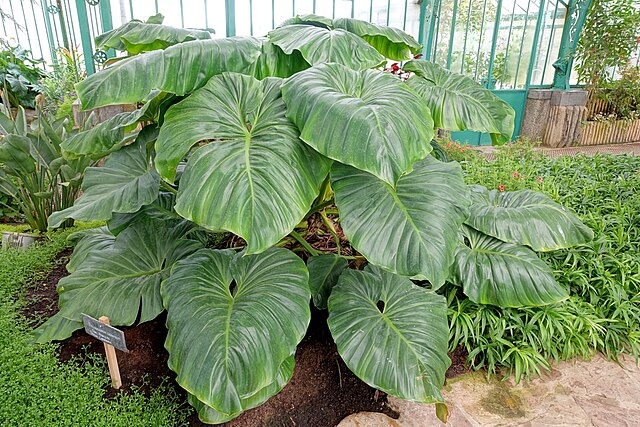
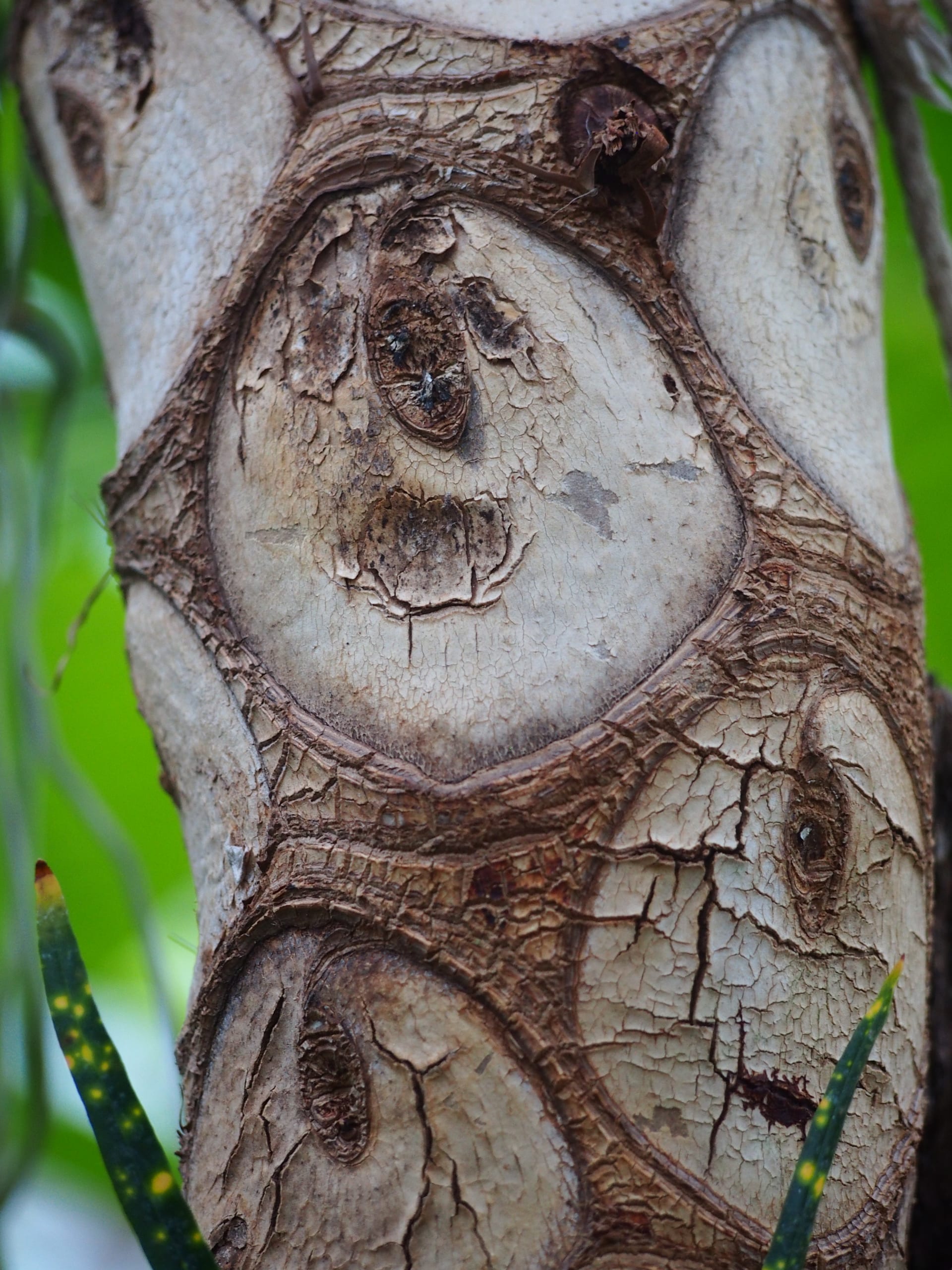
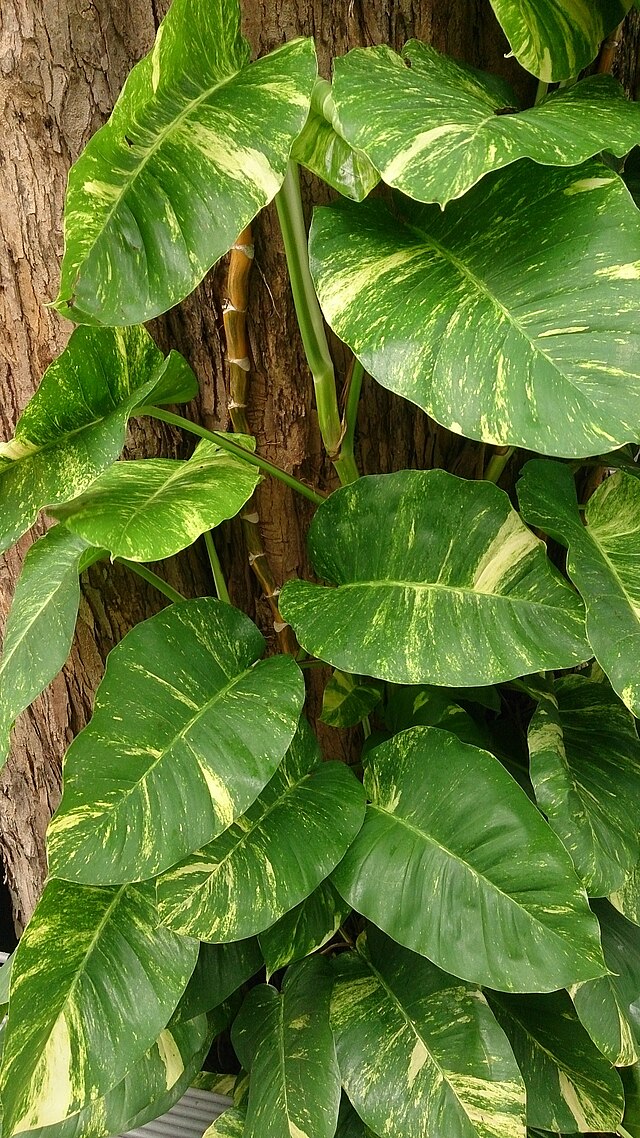
Philodendrons are a large genus in the Araceae family, with over 500 species found worldwide. Though related to Monstera and Pothos, the Philodendron genus boasts exceptional variation in leaf shape and coloration, and in recent years these plants have surged in popularity as collector items. From beginner-friendly varieties to rare species, Philodendrons offer a wide range of appeal. Here we explain notable Philodendron varieties and growing methods.
Philodendrons Recommended for Beginners
Start with easy-to-grow varieties.
Birkin (P. 'Birkin') A striking variety with dark green leaves bearing cream-colored pinstripes. Self-supporting, requiring no stakes, and grows compactly. Good shade tolerance makes it suitable for indoor management. Growth is slow, but the pinstriping on new leaves appears differently with each unfurling, providing enjoyment throughout the growing process.
Brasil (P. hederaceum 'Brasil') A vining variety with heart-shaped leaves and lime green variegation. Extremely hardy and grows even in dim locations. Trails beautifully in a hanging basket, gaining popularity as a Pothos alternative.
Selloum (Thaumatococcus bipinnatifidum) A self-supporting variety characterized by large, deeply lobed leaves. Previously called "Philodendron Selloum," it is now reclassified as "Thaumatococcus." Grows large and requires ample space, but has outstanding visual presence.
Highly Popular Collector Varieties
These are varieties to tackle once you have cultivation experience.
Pink Princess (P. erubescens 'Pink Princess') A striking variety with dark green leaves and pink variegation. Variegation patterns vary significantly among individuals, with plants bearing beautiful pink markings commanding high prices. Without adequate light, pink variegation fades; bright placement is essential for color maintenance.
Gloriosum (P. gloriosum) Large heart-shaped leaves with a velvety texture and striking white veining. Ground-trailing in habit, with stems spreading along the ground, making wide, shallow pots ideal. Growth is slow, but the dramatic impact of expanding large leaves is impressive.
Verrucosum (P. verrucosum) Velvety leaves with a beautiful sheen, and distinctive hair on the stems. Requires high humidity and is sensitive to drying; case cultivation is appropriate. Management is for advanced growers, but the beauty is worth experiencing.
Management Conditions Comparison Table for Popular Varieties
Comparing representative varieties by management conditions makes it easier to select species suitable to your environment.
| Variety | Light Requirements | Humidity Requirements | Growth Rate | Difficulty |
|---|---|---|---|---|
| Birkin | Moderate (bright indirect light) | Standard indoor OK | Slow | Beginner-friendly |
| Brasil | Low to moderate (shade tolerant) | Standard indoor OK | Fast | Beginner-friendly |
| Pink Princess | Moderate to high (light needed to maintain variegation) | Moderately high ideal | Moderate | Intermediate |
| Gloriosum | Moderate (avoid direct sun) | High | Slow | Intermediate |
| Verrucosum | Moderate (bright indirect light) | High humidity essential | Slow | Advanced |
Whether you can provide humid conditions (case cultivation or a humidifier) determines whether you can attempt velvety-leaved varieties. First, master Birkin and Brasil to develop management intuition, then proceed to higher-difficulty species once your environment is prepared—this is the path to success.
Basic Philodendron Growing Methods
While specific requirements vary by variety, there are shared management principles.
Light Most Philodendrons prefer bright indirect light. Direct sunlight causes leaf burn and should be avoided. East- or north-facing windows are ideal. Variegated varieties especially need light; in overly dim conditions, variegation may disappear.
Watering Water when the top 2-3 cm of soil dries out. Philodendrons are safer with slightly dry rather than wet conditions. Always empty water collected in saucers after watering.
Temperature and Humidity Maintain a minimum temperature of 15°C or above. Ideal humidity is 50-70%, though hardy varieties like Birkin and Brasil tolerate standard indoor humidity. Gloriosum and Verrucosum require higher humidity.
Potting Mix Well-draining soil is crucial. Mix 2-3 parts perlite or bark chips into standard foliage plant soil to create an ideal medium for Philodendrons. They prefer light, root-respiring soil.
Philodendron Propagation Methods
Philodendrons propagate relatively easily.
Stem Cuttings (Vining Varieties) Vining varieties like Brasil root easily from stem cuttings containing nodes when water-propagated. Cut 2-3 nodes in length and remove leaves from the lower node before placing in water. Change water every few days to maintain cleanliness and ensure reliable rooting. If using rooting hormone, dust the cutting edge thinly when soil-propagating rather than water-propagating. Cold winter temperatures severely slow rooting, so propagation succeeds best during warm seasons.
Stem Layering (Self-Supporting Varieties) Self-supporting varieties like Birkin and Gloriosum root effectively when stems are laid horizontally on damp sphagnum moss. Keep moss at "squeeze-once and water doesn't drip" moisture level, misting before it dries completely. Covering with wrap or a clear container raises success rates, but remember to air briefly daily. New shoots emerge from growing points within 2-4 weeks.
Division Mature plants can be divided during repotting. Each divided section should retain roots. Newly divided plants have weak water uptake, so manage in bright shade and gradually return to normal placement.
Pest and Disease Control
The main pests to watch for on Philodendrons are fungus gnats and spider mites.
Fungus Gnats (Gnats) These pests thrive in constantly wet, organic-rich soil. Larvae feed on soil organic matter; heavy infestations can damage roots. Control basics: "dry the soil surface." Space out watering and cover the top soil with inorganic media like fine gravel or decorative sand to reduce egg-laying sites. Yellow sticky traps are also effective for reducing adult populations.
Spider Mites These thrive in dry environments and feed on leaf undersides, causing stippling. Velvety-leaved varieties show damage prominently. Regular misting prevents infestations; early-stage mites can be controlled by rinsing leaves with shower spray. If widespread, use an acaricide labeled for foliage plants, following label directions.
Scale Insects These attach to leaf bases and stems, causing sooty mold through their secretions. Remove small numbers by scrubbing with a toothbrush or cotton swab.
For all pests, "early detection" is the best strategy. Check leaf undersides and new growth whenever watering.
Frequently Asked Questions and Practical Advice
Q. The variegation on my variegated variety has disappeared. A. Insufficient light is the most common cause. Variegated sections contain less chlorophyll and cannot photosynthesize, so plants prioritize green leaves in dark conditions. Moving to brighter shade may restore variegation on newly emerging leaves. Already solid-green branches can be cut back above variegated leaves; the resulting branches may bear variegation.
Q. Do vining varieties need stakes? A. Yes. Moss poles or moss sticks encourage aerial roots to climb and produce larger leaves. Without stakes, trailing cultivation keeps leaves small. Both approaches are valid depending on preference, but stakes are essential if you want large leaves.
Q. Where should I cut for propagation? A. Include at least one node (the leaf base where aerial roots emerge). Leaf-only cuttings may root but lack a growing point and won't develop further. Let the cut dry for a few hours, then water-propagate or place in damp sphagnum moss.
Fundamental Mindset for Successful Cultivation
The most important aspect of plant cultivation is developing the habit of listening to your plants. Leaf color and shine, firmness, growth rate, and new shoot appearance—these small changes reveal your plant's health.
"Slightly less than enough" is often the right approach with most plants. Be moderate with watering, dilute with fertilizer, keep pots on the smaller side. Excessive care often weakens plants, but moderate drying and constraints actually build strong specimens.
Learning from failure matters too. Every experienced grower has killed plants. What matters is analyzing the cause and applying those lessons. Deliberately avoiding past mistakes reliably builds cultivation skills.
Connecting with others greatly enriches the cultivation experience. By communicating directly with growers on platforms like GrowerDirect, you gain hands-on knowledge unavailable in books or online. Don't fear asking questions; proactive learning is the fast track to improvement.
Things to Note When Purchasing Philodendrons
Considerations for variety selection and purchase.
Confirm the variety name Philodendrons are so numerous and similar that purchasing the correct variety is essential. Variegated varieties especially risk counterfeits or misidentification in sales. Sellers listing botanical names (e.g., P. erubescens 'Pink Princess') typically show strong variety management awareness.
Distinguishing import stock from domestic stock Many Philodendrons sold are imports. Imported stock often enters as bare-root (quarantine requirement), planted as-is for sale—sometimes these appear healthy but are "unrooted or unadapted" with few actual roots. At purchase, check:
- Whether the plant is stable when the pot is gently tilted (rooted stock is secure)
- Whether new leaves have unfurled (new growth emerges after Japanese climate adaptation)
- Whether leaf color and sheen are uniform (newly imported plants often show dull, tired leaves)
Domestically propagated specimens—from seed or cuttings—start in Japan's climate, making them more resilient to environmental change and especially reassuring for beginners.
Root condition Philodendrons have delicate root systems in some varieties; purchase well-rooted stock. When possible, check for roots visible at drainage holes or rooting along the soil surface to be certain.
GrowerDirect connects you with growers specializing in Philodendrons, offering stock already adapted to Japanese environments. Direct consultation on variety identification and care methods is available, so you can confidently build your collection.