Complete Guide to Foliage Plant Fertilizers | Mastering Fertilizer Types, Timing, and Application Rates
Explains fertilizer types suitable for foliage plants (liquid, slow-release, organic), application timing and quantities by variety. Also introduces how to prevent fertilizer burn and simple fertilizing methods for beginners.
Key Takeaways
Explains fertilizer types suitable for foliage plants (liquid, slow-release, organic), application timing and quantities by variety. Also introduces how to prevent fertilizer burn and simple fertilizing methods for beginners.
Related Species
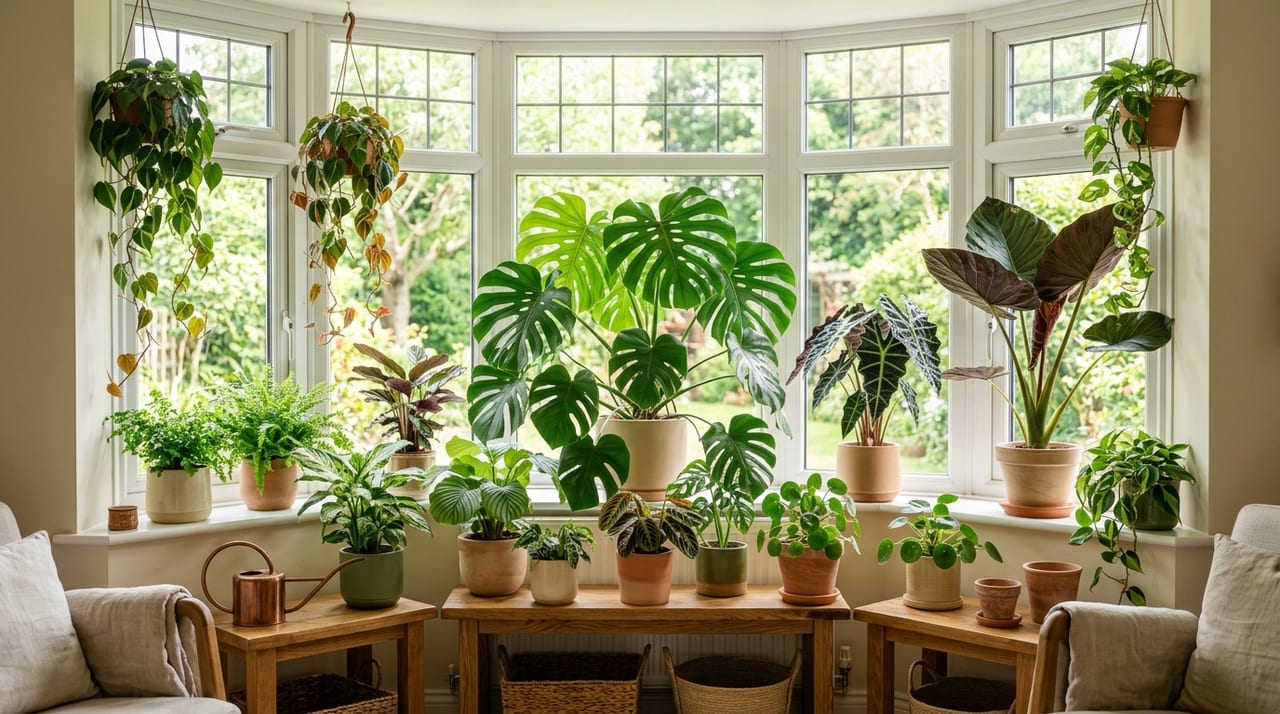
Proper fertilizer management is essential to growing healthy foliage plants. However, with so many types of fertilizers available and application methods varying by variety, this is a challenging area for beginners. Too little fertilizer leads to poor growth, while too much causes fertilizer burn that damages the plant. This guide covers the fundamentals of fertilizing foliage plants and explains application methods tailored to different varieties.
Understanding the Three Major Elements of Fertilizer (NPK)
Fertilizers contain three major elements essential for plant growth. Understanding the roles of these three elements, known as NPK, makes choosing the right fertilizer much easier.
| Element | Role | Characteristics |
|---|---|---|
| N (Nitrogen) | Promotes leaf growth | Has the effect of enlarging leaves and deepening their green color, making it the most important nutrient for foliage plants. Nitrogen deficiency causes lower leaves to yellow and the overall foliage to become smaller |
| P (Phosphorus) | Involved in root development and flowering | Foliage plants rarely flower indoors, but phosphorus is necessary for healthy root development. Slightly higher phosphorus fertilizers are effective for newly repotted plants or those undergoing root establishment |
| K (Potassium) | Involved in overall plant strength | Increases resistance to pests and diseases, and improves heat and cold tolerance. Also called the "plant's guardian" |
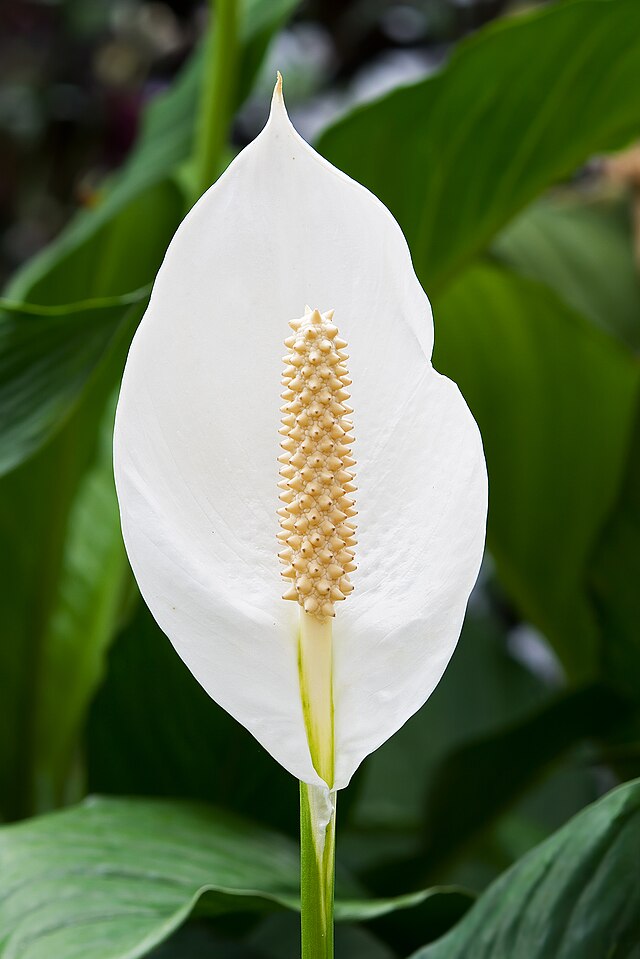
Foliage plant fertilizers work best with a balanced NPK ratio (such as 10-10-10) or slightly higher nitrogen (such as 9-5-5). For plants where flowering is desired (such as Anthurium and Spathiphyllum), choose formulas with slightly higher phosphorus.
Types of Fertilizers and How to Use Them
Foliage plant fertilizers fall into three main categories. Understand the characteristics of each and use them appropriately.
- Liquid fertilizer This type is diluted with water and applied when watering. It works quickly, and since the effect is proportional to the amount applied, quantity adjustment is easy—this is its greatest advantage. Hypponex concentrate and Promix liquid fertilizer are standard products. Typically apply at the recommended dilution rate once every 2–3 waterings.
- Slow-release chemical fertilizer (top-dressing) This fertilizer is simply placed on the soil surface and slowly dissolves over 2–3 months. Promix and Magamp K are representative products. Requiring minimal effort and posing low fertilizer burn risk, this is the most recommended fertilizer type for beginners. When repotting, mixing Magamp K into the potting soil provides a long-lasting basal application.
- Organic fertilizer Made from natural materials such as oil cake, bone meal, and fish meal. It breaks down through soil microorganisms and takes effect gradually, with sustained benefits. However, with indoor foliage plants, it can become a source of odor and fruit flies, so it is not well-suited for indoor use. It is effective for large outdoor foliage plants.
Growth promoters (such as Menedeal and HB-101) are not technically fertilizers but rather supplement-like products that replenish trace elements and minerals. They cannot replace fertilizer, but they are useful for promoting recovery after repotting and for conditioning plants when used alongside fertilizer.
Timing of Fertilization and Seasonal Schedule
The golden rule is to apply fertilizer when the plant is actively growing. Fertilizing during dormant periods causes the fertilizer to accumulate in the soil without being absorbed by roots, which becomes harmful.
| Season | Growth Status | Fertilizing Guidelines |
|---|---|---|
| Spring (March–May) | Beginning of growth period | Start fertilizing when new shoots appear. Place slow-release fertilizer on the soil surface or apply liquid fertilizer every two weeks. Use nitrogen-containing fertilizer during this period to promote leaf expansion |
| Summer (June–August) | Most vigorous growth period | Increase liquid fertilizer frequency to once weekly, or replenish slow-release fertilizer. However, on extremely hot days exceeding 35°C, root activity slows, so reduce fertilizing or use a weaker concentration |
| Autumn (September–October) | Period of slowing growth | Reduce liquid fertilizer frequency to once every 2–3 weeks, and end fertilizing by late October to November. Applying excess fertilizer during this period causes incomplete new shoots to emerge, making plants more susceptible to winter damage |
| Winter (November–February) | Basically a non-fertilizing period | If the plant is managed in a warm indoor space and growth continues, monthly applications of dilute liquid fertilizer are acceptable. However, never apply fertilizer to dormant plants |
Causes of Fertilizer Burn and How to Prevent It
Fertilizer burn is a phenomenon where excess fertilizer disrupts the osmotic balance of the roots, damaging them. Once it occurs, recovery takes time, so prevention is critical.
Fertilizer burn symptoms typically include the following. If watering does not restore the plant, suspect fertilizer burn.
- Leaf edges turn brown and wither
- Leaves droop and wilt
- Roots turn black
The main causes of fertilizer burn are as follows.
- Liquid fertilizer concentration is too high Absolutely avoid solutions more concentrated than the recommended dilution rate. For unfamiliar fertilizers, it is safest to start with a weaker-than-recommended concentration. Particularly with small pots, the small volume of soil makes fertilizer accumulation more likely.
- Too much slow-release fertilizer Follow the appropriate number of pellets for the pot size. Do not exceed the recommended amount stated on the package.
If fertilizer burn occurs, follow these steps:
- First, flush the pot soil thoroughly with large amounts of water (leaching). Run water through until it flows clear from the pot bottom, repeating as necessary
- After that, withhold all fertilizer and manage the plant with regular watering only until it recovers
In severe cases, it is faster to repot the plant into fresh potting soil.
Simple Fertilizing Plan for Beginners
For beginners unsure about fertilizer management, I recommend a simple plan.
The easiest method is to mix the recommended amount of Magamp K (medium pellets) into the potting soil during repotting, then apply weak liquid fertilizer once monthly during the growth period—and nothing else. Since Magamp K slowly releases nutrients for about 6 months, you can greatly reduce concerns about supplemental feeding.
When using liquid fertilizer, start at half the recommended strength. Underfeeding is easy to correct, but overfeeding is difficult to reverse. Gradually adjust concentration and frequency based on how the plant responds.
"When in doubt, do not fertilize" is also an important mindset. Foliage plants do not die immediately without fertilizer. They can sustain growth for some time on just the trace nutrients contained in the potting soil.
A major advantage of purchasing foliage plants from GrowerDirect is that you can ask growers directly about the fertilizer types and schedules they use. Fertilizing methods vary by grower even for the same variety, so advice from the grower who has actually cultivated that particular plant is the most reliable source of information.