Introduction to Hydroculture for Houseplants | Clean Cultivation Without Soil
A guide to getting started with hydroculture for houseplants using hydroton (expanded clay balls) and ceramics. Learn the steps for transitioning from soil, water level management, fertilizing techniques, and which plant varieties are suited and unsuited to hydroponic cultivation.
Key Takeaways
A guide to getting started with hydroculture for houseplants using hydroton (expanded clay balls) and ceramics. Learn the steps for transitioning from soil, water level management, fertilizing techniques, and which plant varieties are suited and unsuited to hydroponic cultivation.
Related Species
What is Hydroculture? The Basics of Soil-Free Plant Cultivation
Hydroculture is a cultivation method that uses water and inorganic growing medium instead of soil to grow plants. While often confused with "hydroponics," they are technically different. Hydroculture uses a growing medium to anchor the roots (such as hydroton), and supplies nutrients and moisture to the plant by maintaining a constant amount of water and liquid fertilizer at the base of the container.
The biggest reasons hydroculture has become popular among houseplant enthusiasts are its "cleanliness" and "ease of management." Since no soil is used, pests are less likely to appear, and it blends beautifully with indoor décor. Additionally, using a water level indicator makes it easy to see at a glance when to water, significantly reducing problems caused by overwatering or underwatering.
Materials Needed and How to Choose Them
To get started with hydroculture, here are the essential materials you'll need:
Hydroton (Expanded Clay Balls) Originating in Germany, these porous ceramic granules effectively retain both moisture and air. Small granules (2–4mm) work best for delicate-rooted plants, while medium-sized ones (4–8mm) suit most houseplants. After use, they can be washed and dried for reuse, making them excellent value for money.
Container (Pot) Clear or translucent glass or plastic containers are most common. Choosing one where you can see the water level from outside makes management easier. However, in direct sunlight, algae tends to develop; combining a transparent inner pot with an opaque outer pot is an effective solution.
Water Level Indicator Not essential, but highly recommended. Simply insert it into the container to see the water level on a "min–max" scale, making it extremely effective for preventing root rot. The ideal watering cycle is to refill 2–3 days after the water level drops below the minimum mark.
Hydroculture Liquid Fertilizer Use specialized hydroculture fertilizers (such as Hyponex Hydro) at a slightly diluted concentration below the recommended rate. Never use regular soil fertilizers, as mineral salts accumulate and damage roots. Apply fertilizer only during the growing season (spring–autumn); manage with water only during winter.
Planting Steps | Transitioning from Soil Cultivation
Follow these steps when transitioning to hydroculture:
1. Remove the Plant and Wash the Roots Remove the plant from its original pot and gently rinse all soil from the roots under running water. Use lukewarm water and wash gently to avoid damaging the roots. Thoroughly remove all soil, even between the roots, as any remaining soil can cause decay.
2. Trim Damaged Roots After washing, use clean scissors to remove any blackened or rotted roots. Let the cut ends dry thoroughly.
3. Add Hydroton and Plant Spread a 3–5cm layer of hydroton at the bottom of the container, place the plant in the center, and fill around it. Ensure the roots spread naturally and the plant is stable. Right after planting, roots need time to adjust to the new environment, so for the first 1–2 weeks, manage with only a small amount of water.
4. Set the Water Level Generally, maintain water at about 1/5 to 1/3 of the container's height. Submerging all roots underwater causes oxygen deficiency; the ideal state is "bottom watering" where only the root tips touch the water.
Houseplants Suited to Hydroculture
Not all plants are suitable for hydroculture. It's important to choose varieties with high success rates that are easy for beginners to manage.
Especially Well-Suited Plants
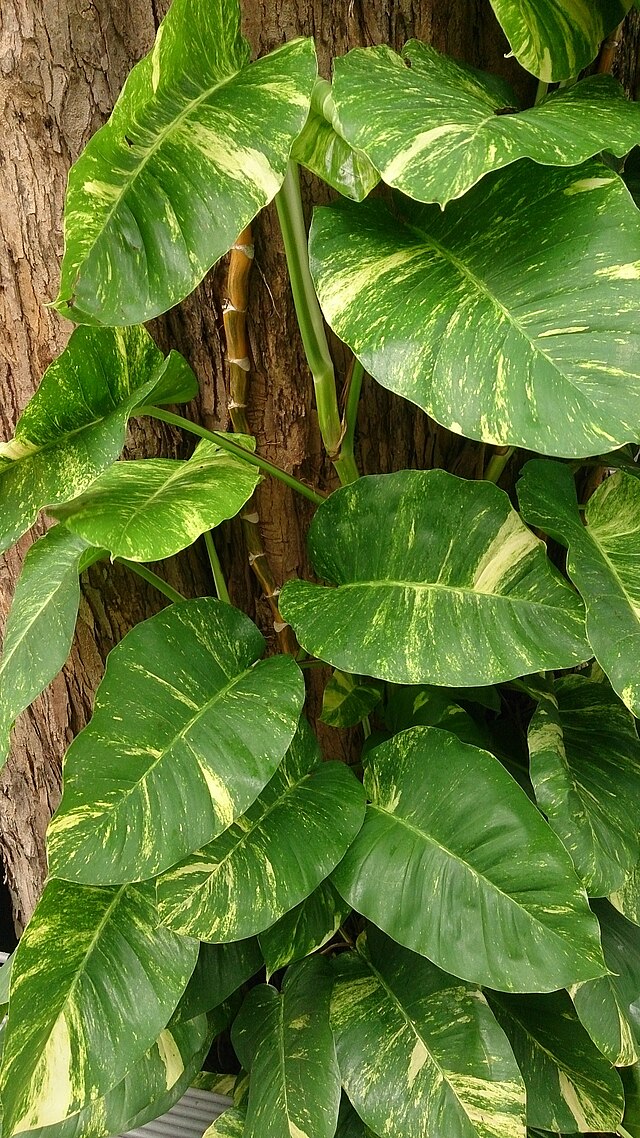
- Pothos: Highly shade and moisture tolerant, it's the top choice for hydroculture. Roots readily in water, making it perfect for beginners.
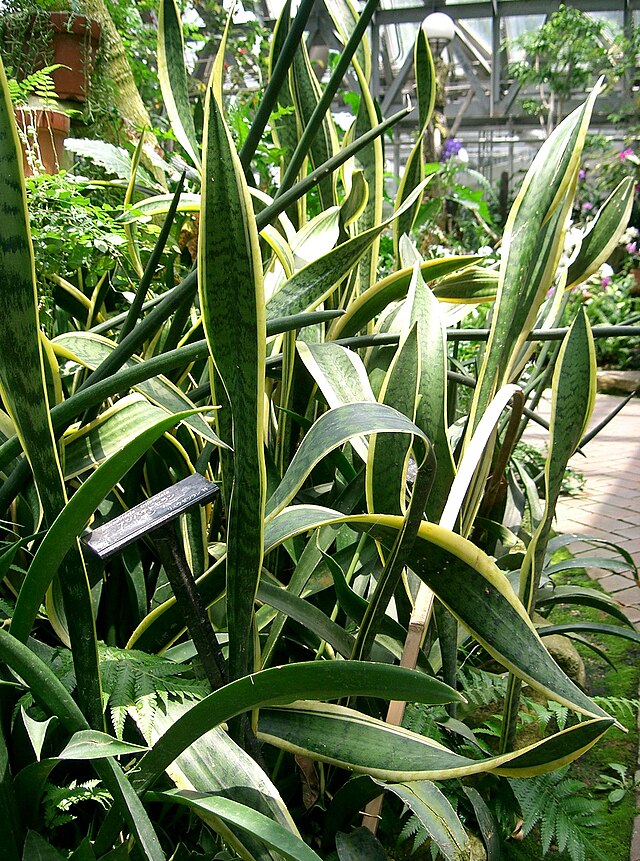
- Sansevieria (Snake Plant): Drought-tolerant with thick, sturdy roots that stabilize well in the medium.
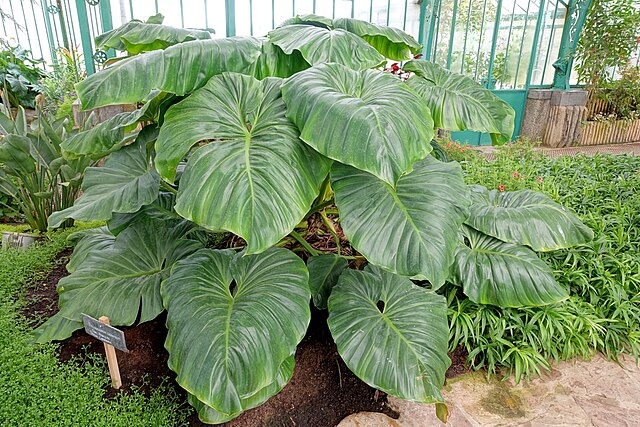
- Philodendrons: Varieties like Oxycardium and Hederaceum adapt quickly to water and grow vigorously.
- Aglaonema: Highly shade and moisture tolerant with low risk of root rot.
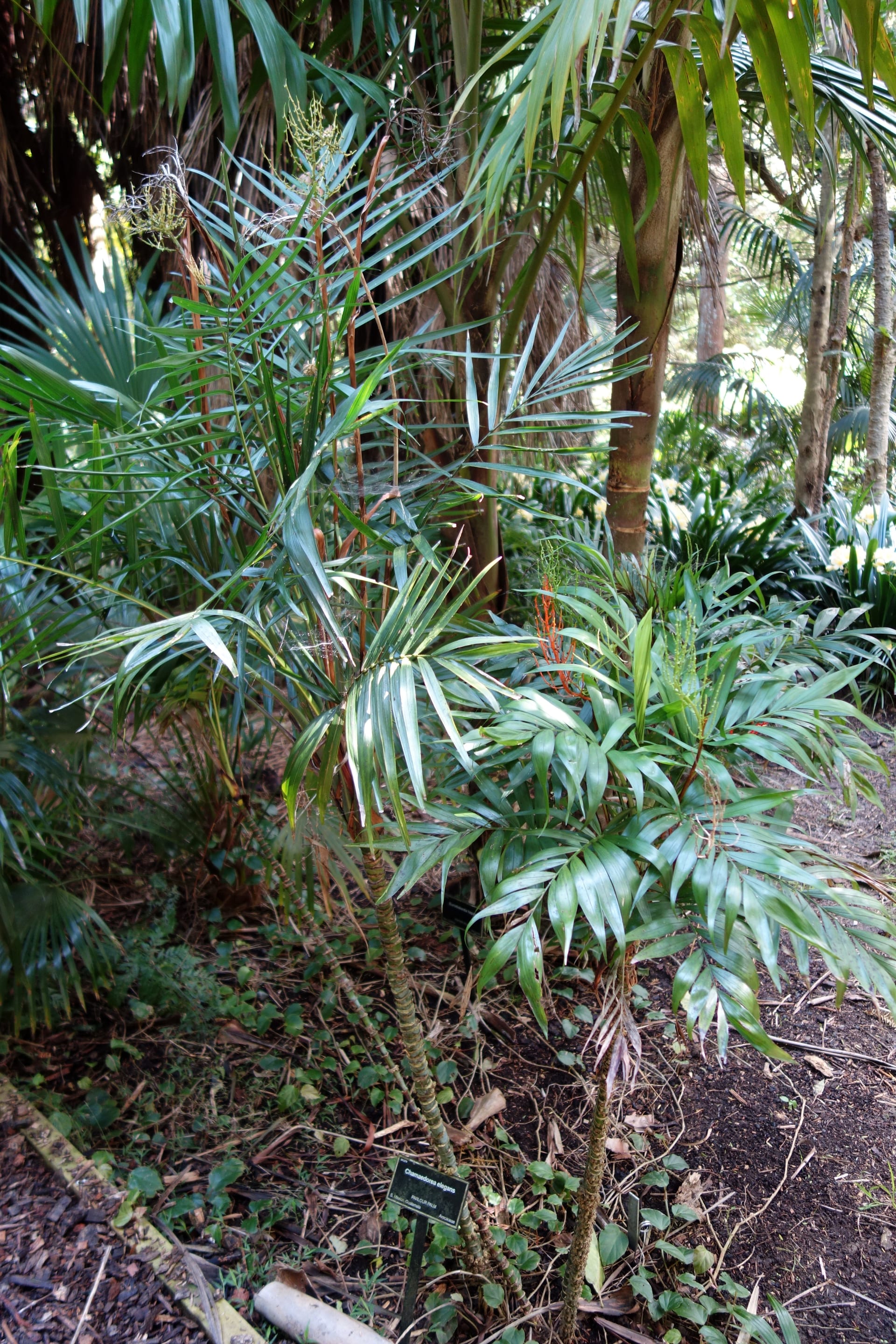
- Parlor Palm: Among palms, it has excellent water-growing compatibility and its clean appearance suits indoor décor.
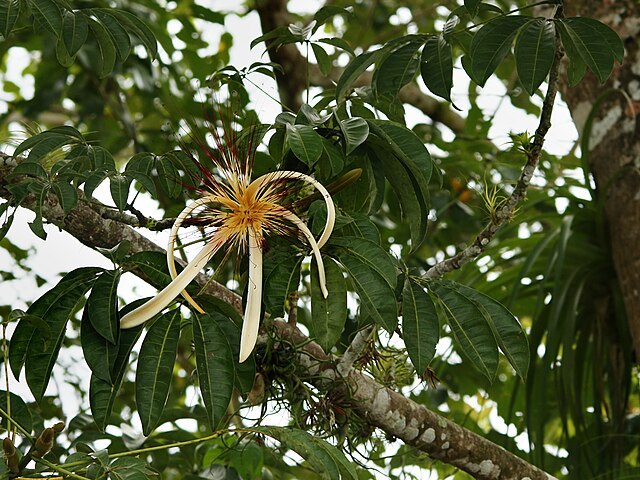
- Pachira: With thick stems that store water, it shows vigorous root development even in hydroculture and is a classic choice.
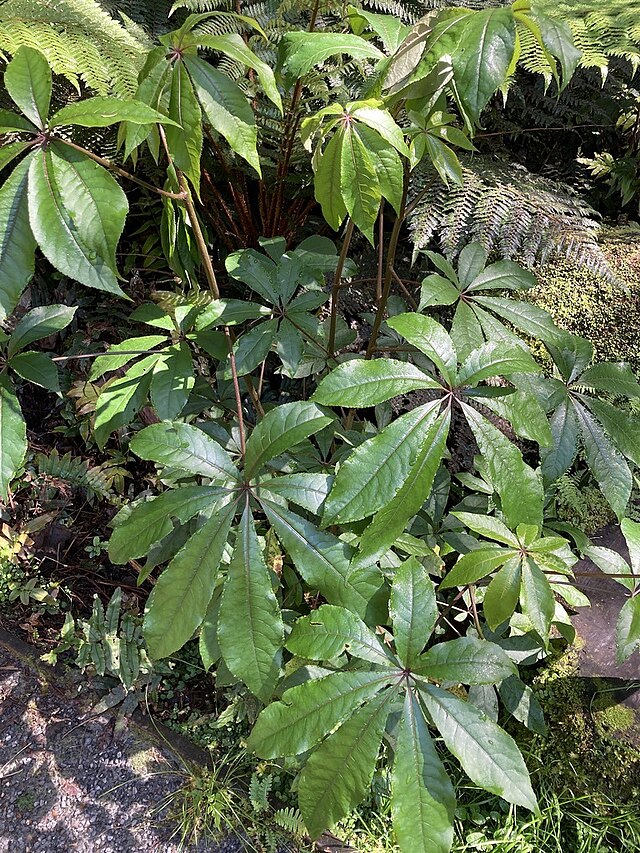
- Schefflera (Umbrella Tree): Highly shade and drought tolerant, maintaining stable growth even in hydroponic conditions.
Plants to Avoid Succulents and cacti are sensitive to excess moisture and generally don't pair well with hydroculture. However, some growers have succeeded by keeping water to an absolute minimum; once experienced, it's worth attempting.
Daily Care and Troubleshooting
When to Water Refill 2–3 days after the indicator reaches the minimum mark. Constantly keeping the container full promotes root rot. These "dry intervals" are key to supplying oxygen to roots and maintaining a healthy root system.
Algae Growth If using a clear container, algae will develop when exposed to light. Block light by wrapping the container in foil, using a double-pot system, or periodically (about once a month) removing the container to rinse the hydroton. While algae doesn't directly harm the plant, early treatment is preferable for aesthetic and hygiene reasons.
Salt Accumulation (White Crystals) Over time, a white powder may form on the container or hydroton surface. This is mineral and fertilizer salt crystallizing from tap water. Rinse the container thoroughly with water and reset it about once a month to prevent buildup.
Signs of Root Rot If leaves turn yellow or wilt despite adequate moisture, suspect root rot. Remove the plant and inspect the roots, removing any that are black and slimy. Wash and dry the hydroton before replanting. Early detection and prompt action are crucial to saving the plant.
Maximizing the Appeal of Hydroculture
Hydroculture perfectly meets the need to enjoy plants in a clean environment. Soil-free cultivation is safe for those with allergies and families with young children, making it ideal for indoor gardening in rental homes.
Keep in mind that roots are more sensitive to environmental changes compared to soil cultivation. The weeks immediately after transition are crucial as roots adapt to hydroponic conditions. Avoid direct sunlight and strong heating/cooling during this period; maintaining stable conditions is key to success.
With proper plant selection and basic water level management, hydroculture becomes far less labor-intensive than soil cultivation. Observing the white roots extending inside the glass container is a unique pleasure of hydroculture. For those who want to enjoy both beautiful indoor décor and the joy of nurturing living plants, this is definitely a cultivation method worth trying.